Warehouses and distribution centres feel the hit of shrinkage every day. A survey found that organised crime accounted for about 36% of inventory shrinkage.
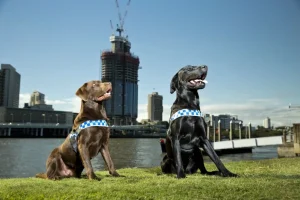
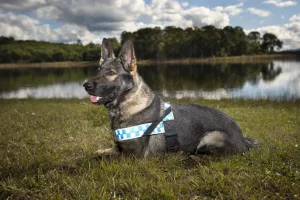
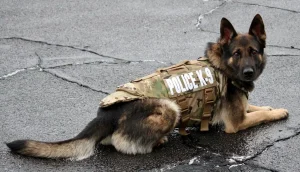
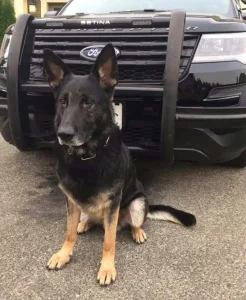
Trained security dogs for back-of-house areas are more than a visible guard. They act as a proactive solution to the “Triple Threat”. It includes internal theft, external intrusion and items misplaced in back areas. The right K9 program reduces risk fast, covers wide ground, and pays back in fewer losses.
Table of Contents
The Unique K9 Advantage: Deterrence Beyond Technology
Why a K9 Deterrent is Superior to Static Security
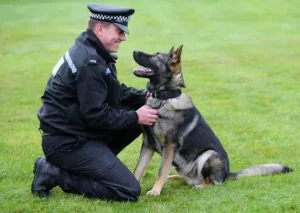
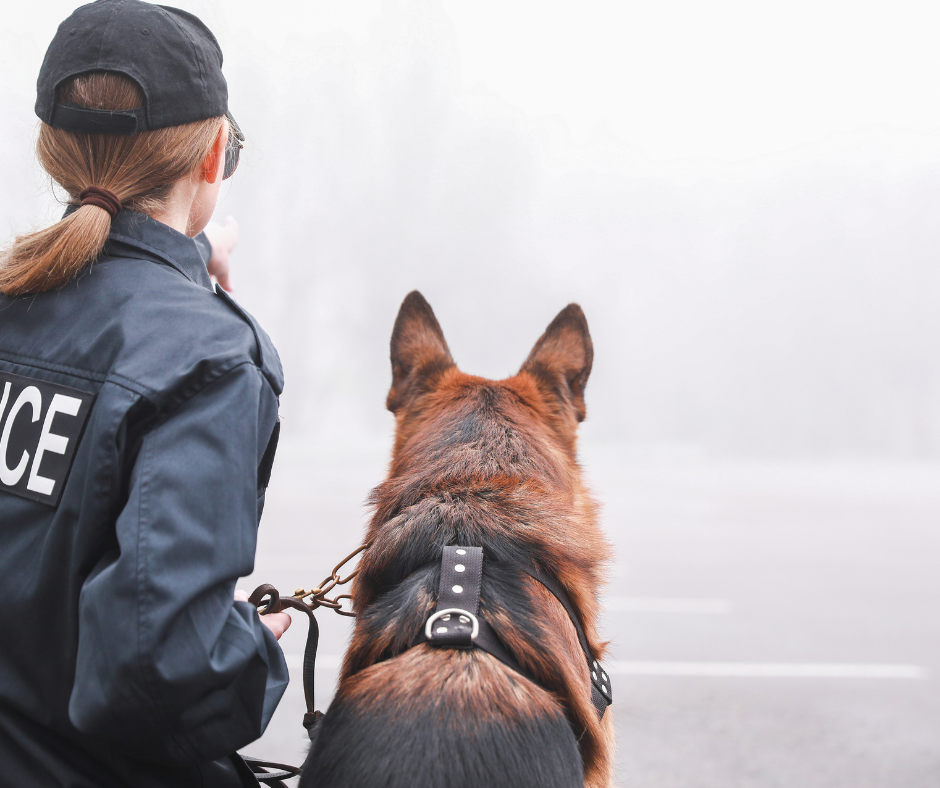
People react to dogs. Not thieves. Staff do, too. A patrolling K9 changes behaviour right away. Thieves see a dog and decide to go elsewhere. That decision often ends the incident before it starts. A handler and a dog on routine rounds force thieves to plan harder, risk more, and often give up. Case studies from live security firms show attempted thefts dropping at night. It happens when a K9 team appears on site.
The Unmatched Power of Olfaction
Dogs find what cameras cannot. Their noses are not a metaphor. Science places canine smell sensitivity 10000 times higher than that of humans. That range lets dogs detect hidden items in trailers, false compartments, and bags. They can even detect in low light or when a camera has blind spots. In practice, this means a K9 can sniff out staged stock, hidden goods, or a stowaway in a trailer.
High-Visibility, Immediate Response
Seeing a dog and handler is a visible, loud signal. It is a deterrent and a promise of action. Dogs bark, move toward trouble, and focus where something smells off. That combination ends many incidents before handcuffs or cameras are needed. In other words: fewer claims, less damage, and fewer dangerous confrontations.
Strategic Deployment in High-Risk Zones
Mapping the Patrol: Strategic K9 Deployment for Most Impact
Dogs work best where risk is highest. That means planning, not wandering. Good K9 deployment maps risk and times patrols to match them. Use K9 teams at shift changes, overnight, and during delivery peaks. Mix visible patrols with low-profile scent checks. Change routes. Various times. The aim is unpredictability.
Securing the Trailer Yard and Dock Doors
Trailers are tempting. They are large, often left open, and hard to watch 24/7. A routine for K9 teams should include the following:
- A quick sniff of empty trailers before they leave the dock
- Checks of sealed trailers for false compartments
- Scans of trailer undersides and wheel wells.
During shift handoffs, K9s should do a visible sweep of dock doors and yard gates. That visible sweep discourages anyone from slipping out of a trailer. This might happen during the chaos of loading and unloading. These tactics catch stowaways and stop loading-bay intrusions long before items go missing.
Mitigating Internal Risk in Hot Spots with Security Dogs for Back-of-House
Inside the building, focus on hot spots. High-value cages. Locker rooms. Waste compactors and recycling areas. Packing stations where goods are staged. K9s handle these areas in two ways. First, high-visibility passes show employees that security is active. Second, scent sweeps detect hidden items that cameras and bag checks miss. For theft that is opportunistic or staged (items hidden in trash, pockets, or boxes), a K9’s nose is a force multiplier.
Non-patterned patrols are key. If a dog follows the same route and schedule, clever thieves adapt. Rotate routes. Use surprise scent audits. Mix daytime visible presence with quiet, off-hour checks. That unpredictability raises the cost of theft for would-be offenders.
The Logistics and ROI of K9 Integration
Analysing the ROI of Integrated Security Dogs for Back-of-house
Security budgets are tight. Every line item is judged. A K9 program must prove it lowers net loss more than it costs. The math often favours dogs.
Cost-Effectiveness Through Force Multiplication
A single trained K9 team, handler plus dog, covers far more sensory area than one unassisted guard. The dog’s scent covers spaces cameras miss. The handler manages access and reports. Together, they patrol faster, and they cause behaviour changes that prevent incidents. That means fewer overtime for guards and a smaller need for technology to cover blind spots. When you measure cost per square foot or cost per high-value item protected, K9s often drop the number. Industry providers and security groups report rapid, measurable drops in theft after deployment.
Modelling Loss Mitigation
Let’s put numbers to it in a simple scenario. Assume a mid-sized distribution hub faces two major theft events a year. Each event costs $75,000 in lost goods, labour, and claims. That’s $150,000 annual loss. A K9 contract for visible patrols and regular checks can fall well below that figure. Even if the dog only prevents one major event, the program pays for itself. K9s look less like an expense and more like loss-mitigation insurance. It happens when replacement cost and operational disruption are low.
Operational Best Practices and Compliance
A K9 program does need rules. Choose certified handlers and use compliant vendors who deliver k9 security services in line with local animal welfare and labour laws. Keep training records. Have clear use-of-force and incident protocols. K9s must be integrated with access control, camera feeds, and the incident-response chain.
That ensures the dog and handler operate professionally, and it preserves evidence. Proper logistics also include rest schedules, vet care, replacement training, and handler backups. These are low costs compared to repeat thefts and liability from unchecked problems.
Beyond Burglary: Internal Threat and Compliance
Proactive Internal Controls: K9s and the Insider Threat
K9s do more than stop outsiders. They shape behaviour inside. Employees expect checks. They see visible patrols and know unseen sniff checks happen too. That lowers the odds of employee theft, staged returns, or small-scale theft that adds up fast.
Fostering a Culture of Compliance
Frequent, professional K9 presence raises the cost of stealing. Staff become part of the security web. Rules are followed. Breaks, bag checks, and staging rules get tighter. That culture reduces shrinkage and helps managers spot weak processes.
The Unbiased, Non-Confrontational Audit
Dogs don’t accuse. They alert. A handler notes a scent result and follows protocol. That acts as a neutral audit. UK prosecution guidance places strong emphasis on lawful detection, proportional response, and proper handling of evidence when theft is suspected. Early, well-documented alerts help businesses investigate issues correctly while reducing the risk of disputes or escalation later. It reduces direct conflict. Security dogs for the back-of-house provide evidence that can lead to follow-up checks or investigations. It happens without an immediate human confrontation that could escalate.
Conclusion
Elevate Your Security Posture Today
Security dogs for back-of-house add real, measurable value. It brings better deterrence, wider coverage, and strong ROI. A site-specific K9 threat assessment will show the gaps and the gains. This happens when you schedule a field review and get a tailored K9 deployment plan.