Large outdoor sites can be hard to monitor. Long fences, empty corners, and wide fields often leave gaps that human guards can not cover on their own.
This is where security patrol dogs for large outdoor sites change everything. A trained dog moves fast, picks up faint sounds, and reacts to signs people often miss. The result is real dog patrol efficiency that helps teams cover more ground with less delay.
In this blog, you will see how dogs bring energy, awareness, and confidence to open areas that are hard to secure, and why many sites rely on them as their strongest first line of defence.
Table of Contents
Why K9 Patrol Patterns Excel in Open Environments
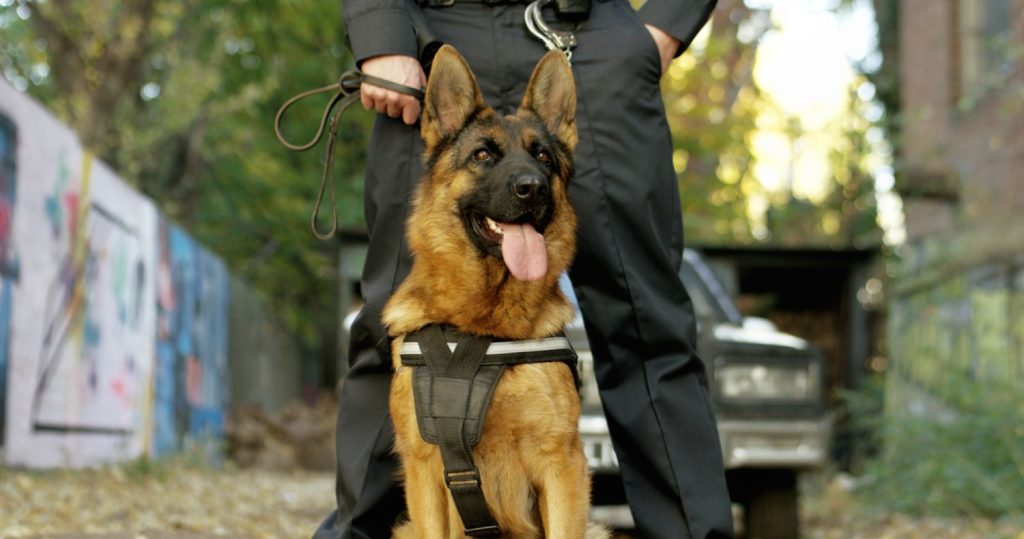
Under K9 operations & compliance, dogs increase the safety level in large outdoor areas. They notice small signs, react fast, and stay alert in places where people might lose focus.
A UK review even showed that sites using dog patrols had a 70% drop in attempted break-ins. That alone shows how much trained security patrol dogs can change the outcome.
They sweep open fields, long tracks, and far edges that guards often can’t watch at the same time. This builds a stronger outdoor site security patrol system.
Enhanced Coverage Through Natural Instinct
Dogs hear faint sounds. They follow scents that drift over long distances. They adjust to the land as they move. These instincts help them cover wide ground with ease.
Faster Response and Better Deterrence
Their presence can stop trouble before it starts. With a skilled handler, they fill gaps, move toward alerts without delay, and help teams react before risks spread.
The Value of Security Patrol Dogs for Large Outdoor Sites
Ideal for Wide Industrial Areas and Logistics Hubs
Security patrol dogs for large outdoor sites work well in places where machines, vehicles, and long storage lanes create many hidden spots. Large yards often have uneven lighting and long gaps between checkpoints.
A dog can move through these spaces at a steady pace, sensing fresh activity even when nothing is in sight. This helps teams spot issues early in areas that feel too large for one guard to manage alone.
Strong Performance on Open Farmland and Wind Farms
Open land brings its own challenges. Fields, tracks, and distant turbines stretch far apart, and sound carries unevenly. Dogs make these wide spaces easier to protect because they follow scent trails across soil and grass without losing direction.
They can pick up signs of movement long before a human reaches the same spot. This makes remote sections less vulnerable.
Effective in Outdoor Event Spaces and Temporary Sites
Event grounds change fast. Tents, fences, and entry points shift as crews set up or take down equipment. Security patrol dogs for large outdoor sites adapt to these changes with ease.
They move through busy areas without losing focus and alert handlers when something feels out of place. Their awareness adds a layer of safety that helps keep dynamic spaces under control.
Patrol Patterns That Maximise Guard Dog Efficiency
Circular, Perimeter, and Grid-Based Patrol Routes
Each patrol style shapes how well a dog can cover open sites, and every route adds its own lift to guard dog efficiency. A circular path works for farms and solar fields because the dog keeps moving in one wide loop while still checking the centre when needed.
Perimeter patrols help on construction sites and industrial yards, where most risks start along the edges. A grid route fits long and open fields. The handler leads the dog up and down each row, leaving fewer blind spots behind.
These shifting patterns let the dog notice small sounds, fresh scents, or new tracks that may warn of damage or trespass. The mix of movement and instinct keeps the land watched in a steady but flexible way.
High-Mobility Patrols Across Rough Terrain
Dogs handle rough ground better than people. Loose soil, slopes, thick grass, and small wooded patches slow humans, but dogs pass through them without much effort.
Their light steps and quick turns let them respond the moment something feels off. This gives a big push to guard dog efficiency, especially in places where trouble can hide behind plants or shallow dips. They climb, weave, and shift paths without losing focus.
With a handler guiding them, even rough land becomes easier to control, giving farms, fields, and large work zones a patrol style that stays fast, alert, and steady.
Dog vs Human Security Patrols: Where K9s Outperform Solo Guards
Enhanced Scent Detection and Directional Tracking
In dog vs human security patrols, the sharpest difference comes from how each one reads the environment.
People depend on sight first. If something hides behind a fence, a stack of materials, or thick plants, a guard may miss it. Dogs work from scent, not sight, and that changes everything.
A light trace of smell can lead them straight to a person long before they are visible. They follow scent lines as if they were pathways on the ground, turning toward tiny shifts in the air.
This makes them useful in dim light, large fields, or busy outdoor sites where vision alone gives only part of the picture.
Coverage Volume and Response Time Advantages
Another contrast in dog vs human security patrols is how much ground each can handle. Dogs move with speed and balance, covering wide areas without tiring as fast as a person walking the same route.
Their pace cuts down blind spots and gives the handler a clearer sweep of the site.
When something changes, they react fast and head toward it at once. This early push lets the team pick up signs of trouble sooner, often before it spreads past the first point of risk.
Integrating K9 Units Into Professional Patrol Protocols
Compliance, Safety Standards, and Operational Documentation
Adding dogs to a patrol plan means following clear rules. Each shift needs simple reporting steps, such as noting alerts, route changes, and signs the dog picked up during the patrol.
Risk-based planning also matters. The team reviews site hazards, access points, and peak activity hours, then sets routes that match the dog’s strengths.
K9 units must follow safety and welfare standards, including rest, fitness checks, and controlled handling procedures.
Combining Human Guards and Dogs Patrol for Maximum Efficiency
This combined approach works best when patrol routines, handler control, and canine deployment are planned together rather than added as an afterthought. For sites that rely on this model, K9 dog security services provide structured patrol support that helps teams cover wide outdoor areas efficiently while maintaining clear command and safety standards.
Together, the pair creates a fast, balanced patrol that responds early and stays in control.
Final Thoughts
Security patrol dogs bring sharp senses and quick movement to wide outdoor areas. They notice small signs long before a person would. Their steady focus improves dog patrol efficiency in areas that need fast, clear coverage.
Using dog patrols is a strong choice for large sites because dogs react early, move with ease, and help teams stay ahead of risks.
FAQs
1. Why are security patrol dogs more effective on large outdoor sites than human guards alone?
Dogs catch small clues people miss. They sense soft smells, light steps, and changes in the air, which helps guards act sooner on wide outdoor ground.
2. Do canine detection units require specific patrol patterns?
Some areas work better with planned routes. A dog may follow a loop, walk straight paths, or move across the land. The aim is to reduce blind spots and keep the sweep clear.
3. Are dogs effective at nighttime intruder detection?
Yes. Dogs rely on scent and hearing, not light, so they stay alert even when visibility drops.
4. Can increased guard dog efficiency reduce manpower needs?
Yes. One dog and a handler may cover ground that would take several guards, helping teams spread their staff where needed most.
5. Are security patrol dogs suitable for rough outdoor terrain?
Yes. Dogs move through slopes, tall grass, soft soil, and uneven areas with ease, keeping patrols steady across changing terrain.