
Patrol dogs notice things most people miss, but their sharpest work often comes from something very simple: moving through the same route many times.
When a dog knows an area well, its senses relax into the space. Small shifts stand out. Strange smells, new sounds, a door left open, nothing blends in.
The benefits of patrol dog route repetition become apparent quickly. The dog stays steady, saves energy, and reacts with more certainty. Familiar ground does not dull their skills; it amplifies them.
In this blog, we will look at why this steady routine helps patrol teams work safer, faster, and with fewer surprises.
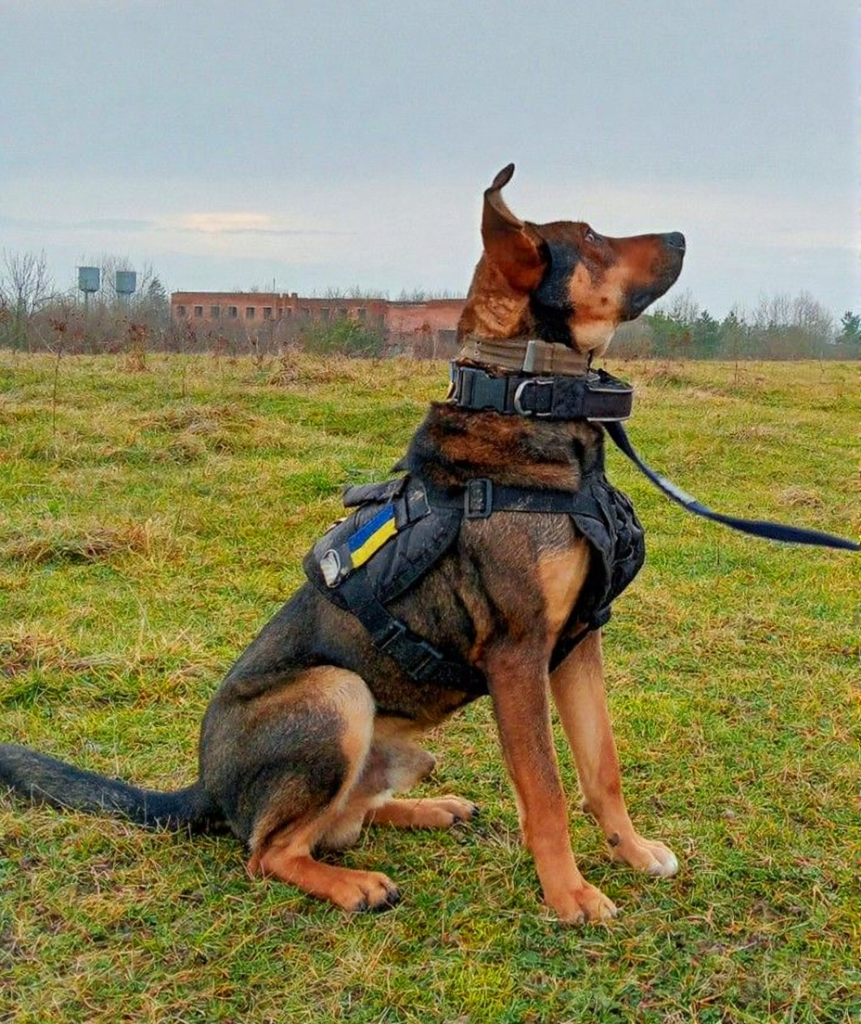
How Familiar Routes Improve Detection Accuracy
When a patrol dog often follows the same route, the area becomes easier for it to understand. This steady routine helps the dog notice small changes almost instantly.
Nothing feels random. The dog already knows the usual smells, sounds, and movements, so anything out of place stands out in a clear way.
Patrol dog training techniques support this by helping the dog focus on key details. Each pass teaches the dog more about the environment. It becomes familiar with corners, entry points, and areas where scents linger.
As this memory grows, the dog reacts with greater confidence. It wastes no time figuring out the layout because it already knows it well. This makes each patrol smoother and more accurate.
Pattern Recognition and Environmental Memory
With repeated exposure, the dog builds strong environmental memory. It learns scent paths, airflow patterns, and the natural rhythm of the space. From these cues, the dog forms a baseline.
Once it knows what “normal” looks like, anything unusual becomes obvious. This boosts scent detection and spatial awareness.
Faster Identification of Security Breaches
A familiar route helps the dog lock onto unusual scents or behaviours right away. This quick response supports handlers during tense situations and helps them apply reliable patrol dog training techniques and canine patrol efficiency strategies. Together, they create faster, safer reactions to potential security threats.
The Psychology Behind Routine-Based Dog Patrol Behaviour
Dogs work best when their world follows a steady pattern. A repeated patrol route gives them something familiar to lean on. They do not need to scan every corner with uncertainty, which lowers stress and keeps their minds clear.
With that calm base, the dog can use its energy in a controlled, steady way. The routine becomes a guide that helps the dog stay balanced, alert, but not overwhelmed. UK government guidance on working dog welfare highlights how consistent routines reduce stress and support calm, focused behaviour during operational work.
Over time, this structure builds discipline and shapes stronger working habits.
Confidence Through Predictable Environments
A dog that knows its route well moves with a different kind of presence. Each turn feels expected. Each sound makes sense.
This comfort pushes the dog to act with more certainty. It becomes sure-footed, quick to judge changes, and far more reliable during real security work.
Stronger Handler–Dog Communication
Walking the same path again and again also improves teamwork. The handler starts to read small signals the dog gives off, like tiny pauses, a shift in posture, a brief sniff that means something changed.
These moments build trust. Both partners begin to work in sync, making each patrol smoother and more effective.
Understanding the Benefits of Patrol Dog Route Repetition
Route repetition may look simple, but in security work, it plays a major role. When a patrol dog walks the same path often, it builds a strong sense of place.
This working dog route consistency helps the dog stay calm and confident. It does not need to study the area from scratch each time, which reduces mental strain and keeps its focus sharp. As days pass, the dog’s instincts grow stronger.
With steady patterns to follow, routine-based dog patrol behaviour becomes more refined. The dog notices small changes faster, builds clearer scent memory, and gains a deeper awareness of normal activity within the space.
This routine creates a stable base that supports stronger detection skills and more dependable patrol work.
In operational settings, this level of route familiarity is built through planned deployment and consistent handling, which is why K9 dog security services focus heavily on repeat patrol paths to strengthen detection accuracy and dependable on-site performance.
Strengthening Natural Patrol Instincts
Repeated routes help the dog trust its instincts. It becomes faster at scanning areas, checking corners, and understanding when something feels wrong.
Improving Sensory Precision Over Time
Each pass strengthens the dog’s ability to remember scents, sounds, and subtle movements. This helps to react quickly when anything shifts from the usual pattern.
Creating Reliable, Steady Patrol Performance
A familiar path leads to smoother behaviour. The dog moves with confidence, follows commands easily, and responds in a predictable and effective way.
Strengthening Route-Based Decision Making
With each repetition, the dog becomes smarter about how it moves. It learns where to slow down, where to stay alert, and when to raise concern.
Enhancing Area-Focused Confidence
Comfort grows with familiarity. A confident dog stays calm, focused, and ready to act even when something unexpected appears.
Working Dog Route Consistency in Real-World Patrol Scenarios
In day-to-day security work, a steady patrol route gives dogs a real advantage.
This makes perimeter checks, building sweeps, and repeat-pattern searches far more effective.
Here are some examples of patrol dog route repetition in different zones:
Familiar Routes in High-Security Environments
On a military base, a dog moving through a familiar zone reacts fast when something looks off. In a correctional unit, a small shift in scent or movement stands out right away.
Airports rely on this same idea in restricted spaces where even tiny changes matter.
Routine Patrols in Commercial and Industrial Sites
On warehouse floors or busy construction grounds, repeated routes make it easier for dogs to notice new smells, fresh tracks, or gear left where it shouldn’t be.
Faster Training and Quicker Deployment
Once the route becomes familiar, the dog settles in fast. Less time is spent learning the space, and more time goes toward real patrol work.
Conclusion: Why Familiar Routes Give Patrol Dogs a Real Edge
Familiar routes turn routine into strength. When dogs know their patrol area, they work with sharper focus and calmer confidence. Small changes stand out, teamwork improves, and each shift runs smoothly.
The benefits of patrol dog route repetition show up in faster reactions, stronger awareness, and more dependable security performance. Simple repetition becomes a powerful tool in real-world patrol work.
FAQs
1. Why do patrol dogs perform better on familiar routes?
They already understand the layout, smells, and usual activity. This lets them spot anything strange much faster and work with calm, steady focus.
2. Does route repetition limit a patrol dog’s adaptability?
No. It actually builds confidence first, which makes adapting easier. Once the dog feels secure in routine work, it can adjust to new areas with less stress.
3. How often should patrol routes be repeated during training?
Routes should be repeated until the dog moves through them with ease and clear awareness. Many teams use daily or frequent runs to build strong memory and comfort.
4. Can route repetition improve teamwork between dog and handler?
Yes. Repetition helps handlers read the dog’s small signals and behaviour shifts. This strengthens trust and creates smoother communication on patrol.
5. Is route repetition useful for all types of working dogs?
Most working dogs benefit from it. Whether used in security, detection, or facility patrols, familiar routes help dogs stay confident, focused, and quick to respond.