Why K9 Teams Arrive Faster Than Human Patrols During Alarm Activations
When an alarm sounds, time decides the outcome. A few seconds can mean the difference between loss and safety. Many people now ask why K9 units respond faster to alarm
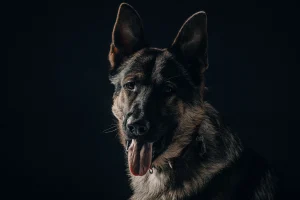
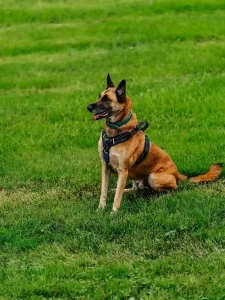
When an alarm sounds, time decides the outcome. A few seconds can mean the difference between loss and safety. Many people now ask why K9 units respond faster to alarm
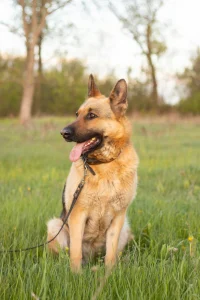
Student halls never sleep. Even on a quiet night, something is always happening behind a door, in a courtyard, or through a side entrance. Delivery drivers wait for residents who

Picture a dog working a live search late at night. Wind rattles metal fences, radios crackle. Somewhere in the dark, a figure moves. The dog leans into its harness, alert,

Security dogs don’t fall from the sky fully prepared to chase intruders or stand firm in front of a threat. They start life the same way every dog does: tiny,

Large security sites do not come with clear instructions. There are no arrows on the ground. No signs telling a dog where a boundary begins or ends. Yet patrol dogs

In private security, reliability matters more than spectacle. A security dog does not need to look intimidating. It needs to behave the same way every time, even when conditions change.

Dogs are naturally curious about smells. Anyone who has walked one knows the moment when the nose drops and movement slows. The world sharpens. But curiosity on its own is

From the outside, elite security dogs can look effortless. They sit and watch without urgency, moving only when needed, guided by a quiet, instinctive confidence. But nothing about their behaviour

People call a dog’s instincts magic, but anyone who’s handled a trained K9 knows it comes from calm focus and long practice. Dogs read mood shifts the way we notice

When a site sits quietly at night, the real test of its security happens at the edge. Perimeter lines are where intruders try their luck first. This is why many