Security teams today face issues that look different from what organisations dealt with a decade ago. Worksites are more open, warehouses run around the clock, and public events attract larger, unpredictable crowds.
All of this puts pressure on businesses to choose protection systems that react fast yet remain practical to maintain. Because of that, more procurement managers compare K9 units and human guards side-by-side. The goal isn’t a gimmick; it’s the search for high-response security that doesn’t strain budgets or weaken reliability.
Some properties need a visible deterrent. Others need constant awareness across wide zones. Many simply need security staff who handle day-to-day public interaction without slowing down operations.
With these varied needs, the K9 security vs guards comparison becomes central to decision-making. The sections below break down how each option performs and where each type delivers the strongest value.
Table of Contents
K9 Security vs Guards: Core Differences Explained
Role, Training, and Capabilities of K9 Units
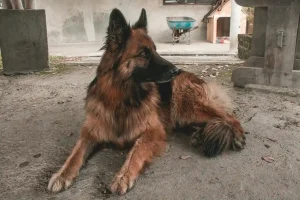
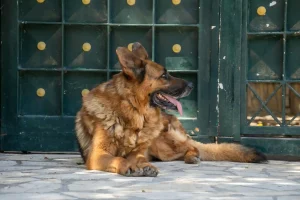
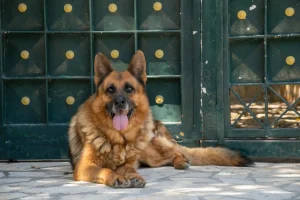
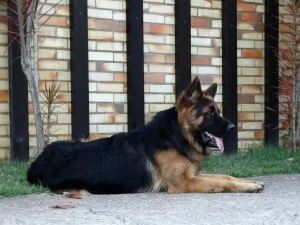
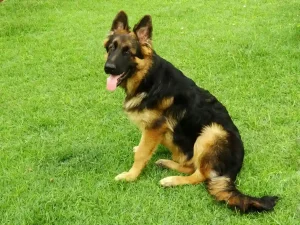
K9 teams focus on two main jobs: patrol and detection. Patrol dogs secure open areas, watch perimeters, and spot unusual activity faster than people. Detection dogs use their strong sense of smell to find explosives, drugs, or hidden individuals. Their skills come from natural senses combined with focused training.
Dogs work best in real situations where speed matters. They hear through barriers, follow scent trails long after someone has passed, and notice small changes in their surroundings. They train in open yards, crowded event spaces, and low-light areas so they stay sharp. These strengths make them useful in places where quiet threats can grow without warning.
Strengths and Limitations of Human Security Guards
Human guards contribute a skill set rooted in communication, structured decision-making, and direct coordination with internal teams. They de-escalate conflict, document incidents, and guide visitors.
They also respond with measured judgment that fits environments involving regular public interaction. Their adaptability also supports mixed duties such as access verification or reception support.
Yet human performance shifts through the day, especially during long or repetitive tasks. Fatigue, discomfort, and distraction can slow response speed. Guards also rely on visual cues to detect threats, which limits accuracy in low-light or obstructed areas. These constraints shape where humans excel and where they struggle.
Real-World Protection: Performance Comparison
Threat Detection Accuracy
Threat detection is one of the biggest differences between the two. Dogs pick up movement, scents, and hidden activity much faster than humans. Their quick alerts help teams stop breaches before they happen. This becomes even more important at night or in bad weather, when people cannot see well.
Humans bring a different kind of skill. They notice small social cues, hesitation, tone changes, or strange behaviour. These signs often show risk long before any physical action. Places like lobbies, event lines, and office entrances benefit from this because subtle behaviour is often the first warning.
Response Time and Deterrence Factor
Response speed shapes how incidents unfold. A dog reacts instantly. Their body language alone discourages intruders from attempting breaches. That deterrent effect is strong enough that many incidents never escalate once a dog becomes visible.
Human guards approach incidents through structured steps. They judge whether communication or physical intervention is needed. They rely on protocols to maintain safety, especially when civilians are nearby.
This makes humans more effective in settings that require negotiation, explanation, or collaborative response. The benefit here isn’t about force. It’s about applying the right action for the environment.
Reliability and Consistency in High-Risk Environments
K9 units maintain alertness far longer than humans under repetitive or low-stimulus conditions. Their attention doesn’t drift, which makes them effective during long patrol cycles or in areas where activity might occur at unpredictable times. Industrial yards, distribution centres, and remote properties rely heavily on this consistency.
Humans handle adaptive tasks better. They evaluate multiple information sources: radio calls, camera feeds, access logs, and conversations. But when the job shifts toward uninterrupted vigilance, human performance drops as shifts lengthen.
That gap widens during overnight hours, particularly in large zones with low lighting or extended walking routes.
Cost, Maintenance, and Operational Considerations
The overall cost picture depends on the environment. K9 units require specialised training, handler pairing, medical upkeep, and insurance coverage. While these appear high, one dog-and-handler team covers areas that may require multiple human guards.
In sectors where wide-range patrols are necessary, K9 units often become cost-efficient because one deployable unit replaces several.
Human guard costs are predictable. Hourly wages, uniform maintenance, and periodic training create a straightforward budget. They scale well for indoor operations, customer-facing work, or multi-role positions where communication matters as much as monitoring.
For organisations with moderate risk levels and dense human activity, humans provide better budget alignment.
Industry-Specific Use Cases
K9 units thrive in high-risk or large-area settings. Logistics yards use them for rapid detection. Night-time construction sites rely on their deterrence. VIP operations employ them to handle screening and perimeter sweeps. These industries value speed and visibility.
Human guards support environments that demand consistent interaction. Office buildings, medical centres, shopping precincts, and event venues require personnel who manage visitors, address questions, and issue instructions. In these cases, communication is as important as protection.
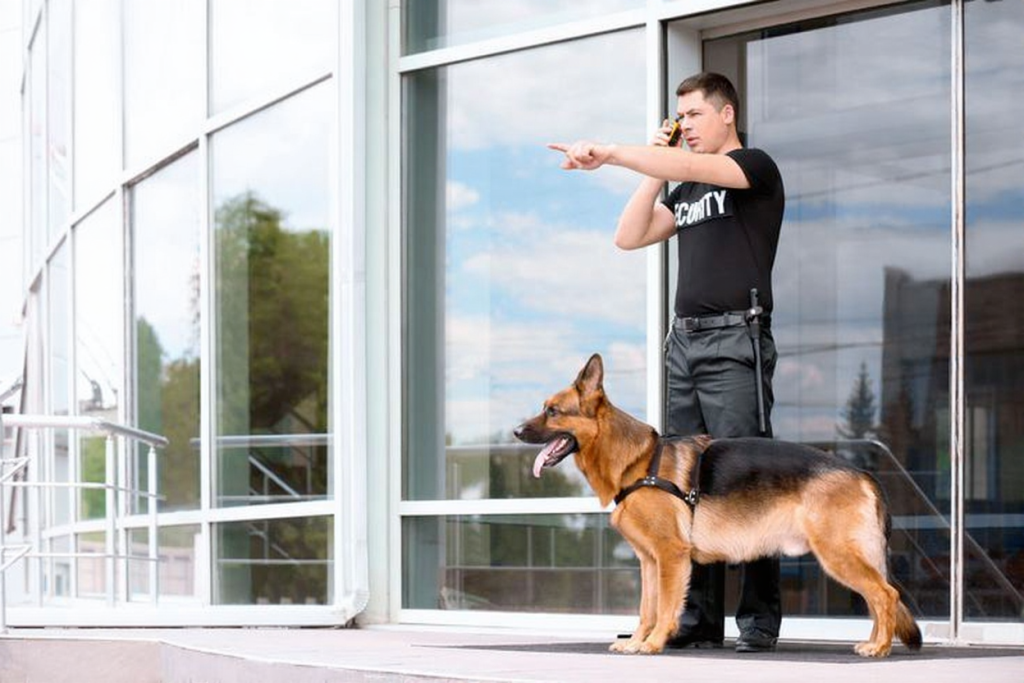
Procurement decisions often blend both. A dog covers long perimeters and vulnerable zones, while a guard manages checkpoints and public interaction. This layered strategy aligns protection with daily operational needs.
Which Option Fits Your Security Needs?
Choosing the right security setup starts with knowing your space and how it operates. Small indoor areas with steady foot traffic work best with human guards. They talk with visitors, solve conflicts, and make sure rules are followed.
Large outdoor areas need something different. Long fences, open yards, and night work call for fast detection and strong visibility. A K9 team can cover wide zones without slowing down. Their presence also discourages intruders before trouble starts.
Budget plays a part, too. Human guards fit well when tasks change often or involve a lot of public interaction. K9 units make sense when one team can cover the work of several guards, especially in wide or high-risk areas.
Risk level ties everything together. Sites with higher risk benefit from K9 patrols because speed and deterrence reduce incidents. Moderate-risk or public-facing places gain more from guards who manage people and communication.
Many organisations skip choosing one or the other. They use both. Dogs handle detection and patrol. Guards handle reporting, guidance, and daily contact with staff or visitors. This mix fills the gaps and works well in both stable and unpredictable conditions.
Conclusion
The comparison of K9 security vs guards does not give one clear winner. Each offers a different kind of protection. The choice depends on your site, the risks around it, and how your daily work runs.
K9 teams do well in places where early detection matters. They also help when strong perimeter control is needed. Human guards work better in areas that need steady communication, clear rules, and sound judgment.
Security needs change often. Buildings get busier. Staff rotate. Risks rise without warning. Because of this, many organisations now use both options together. Dogs cover reach and fast response. Guards handle people, decisions, and communication.
If you need to choose, start with your space, your risks, and your team’s daily routine. These factors guide you to the right fit. With that clarity, procurement teams can build a security plan that stays reliable and ready for real-world conditions.
FAQs
Are K9 security units more effective than human guards?
They detect threats faster in open or high-risk areas, while humans excel in public-facing duties and communication-heavy tasks.
What situations are best suited for K9-based security?
Large perimeters, dark or low-visibility environments, logistics hubs, and screening zones that rely on scent detection.
Are guard dogs safe to work around employees and customers?
Trained units operate under controlled handling with clear positioning and movement protocols.
Do K9 units cost more than hiring human guards?
Their costs are higher upfront, but they can replace several guards in wide-area coverage.
Can K9 teams and human guards work together?
Yes. Many facilities use paired deployment to balance detection, reporting, and public interaction.