Security buyers rarely get the luxury of perfect conditions. Many high-risk sites sit in the sort of places people avoid at night, dim corners of transport hubs, fog-prone logistics yards, or long stretches of quiet perimeter fencing where the dark seems to swallow movement.
When visibility drops, risk rises, and small gaps in response become big problems. That’s why procurement teams often compare K9 security units with mobile patrols. Both have value, but they are far from equal in environments where light, clarity, and reaction time are short-lived.
Below is a grounded, field-tested comparison on how K9 outperform mobile patrol to help decision-makers choose the right option for complex sites where low visibility is more than an inconvenience; it’s a vulnerability.
Table of Contents
Overview of High-Risk, Low-Visibility Security Challenges
Some locations are simply hostile to traditional observation. Fog rolls across open land. Machinery blocks sight lines. Shadows stretch far beyond camera coverage. Human eyes adapt slowly, and even modern surveillance tech struggles with glare, rain, or inconsistent lighting. It creates pockets where threats can hide or move without detection.
Facilities managers know this all too well. A security officer in a moving vehicle can only scan so fast. Headlights help, but they don’t reveal sound, scent, or subtle movement. When you need rapid threat recognition, line-of-sight limits become costly.
That gap, between what humans can detect and what threats actually do, is the space K9 units fill with remarkable accuracy.
Key Differences Between K9 Security Units and Mobile Patrols
What K9 Units Provide Operationally
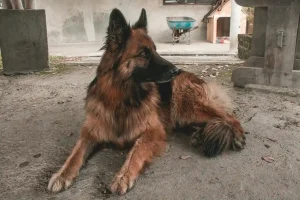
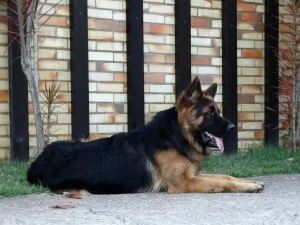
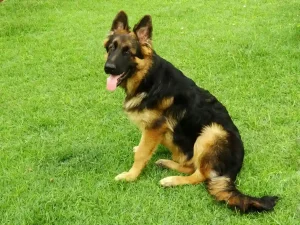
A well-trained K9 team blends the best of human judgment with canine instincts. Dogs track real-time scent trails, even when intruders attempt to mask their path. Controlled aggression helps manage confrontations safely but decisively. Their heightened sensory range picks up what cameras, lights, and fatigued officers often miss.
What Mobile Patrols Typically Deliver
Mobile patrols follow organised route schedules, supported by vehicle access and reporting tools. They scan perimeters, observe unusual activity, and provide a human presence. But visual detection remains their main method. When visibility drops, effectiveness drops with it. A patrol car can’t chase what it can’t see.
Why K9 Units Outperform Mobile Patrols in High-Risk, Low-Visibility Areas
In difficult, dark, or obstructed environments, the differences between K9 units and mobile patrols become dramatic. Not subtle, dramatic. A dog’s senses don’t care about weather, light, or clever hiding spots. They cut through them.
Procurement buyers who’ve seen a K9 work during a live incident often walk away with the same reaction: “How did the dog find that?” There’s a reason, and it’s rooted in biology, training, and real-world performance.
Superior Sensory Detection in Zero-Light Conditions
Let’s start with the most obvious point. Dogs navigate the world through scent first, sound second, sight third. Humans flip that order, which works fine in daylight but fails in murky areas.
A dog can pick up human scent hours after someone passes through a yard or slips behind equipment. Fog, smoke, and darkness don’t erase scent trails. They sometimes strengthen them.
Mobile patrols rely on torches, headlights, and instinct. Even with experience, an officer must see a threat to respond. A K9 detects the presence of an intruder long before visibility improves or before the person reveals themselves. On sites with blind corners or heavy infrastructure, that difference alone can prevent theft or damage.
Dogs also hear faint sounds, shuffling feet, quiet whispers, the click of a dropped tool, long before they’re audible to an officer. Their detection range makes them mobile early-warning systems.
Faster Threat Identification and Tracking
Speed matters. Once a person enters a site, the clock starts ticking. A mobile patrol must first notice the intrusion, exit the vehicle, scan the area, and then close in. Every second is a chance for the intruder to hide or escape.
A K9 doesn’t wait for visual confirmation. If the dog catches a scent, it moves. The handler follows with direction and restraint, but the dog leads with instinct. This creates a rapid pursuit response that outpaces anything a foot patrol or vehicle sweep can match.
Real-world sites prove this again and again. In freight yards, intruders often slip behind stacked containers. A human might sweep each row. A dog follows the scent right to the hiding place.
In storage sites with towering equipment, a mobile patrol might miss someone crouched in the shadows. A K9 goes straight to them. Tracking isn’t random guessing; it’s targeted, fast, and informed by scents humans don’t even register.
High Deterrent Value for Criminal Behaviour
There’s a psychological piece to security that often gets overlooked. Skilled criminals know mobile patrol schedules. They watch routes, note timing, and exploit gaps. A patrol car leaving an area signals a short window of opportunity.
K9 units break that pattern. A trained dog’s presence is unpredictable. Criminals know they’re harder to evade and far more alert. Many will avoid sites with canine security altogether because dogs neutralise stealth, their main advantage.
A barking alert from a trained patrol dog isn’t subtle; it’s a warning that pursuit is immediate and precise. That alone reduces incidents before they even start.
Greater Coverage in Complex or Obstructed Terrain
On paper, a mobile patrol might look efficient. A vehicle can cover ground quickly. But vehicles only travel where wheels can go. Narrow paths, soft ground, densely packed equipment, and fenced-off sections limit mobility.
K9 units don’t think in terms of paths. They think in terms of access. A dog slips between obstacles, filters through tight spaces, and navigates terrain where vehicles cannot. They can cover the same area with far more thoroughness.
If your site has forklifts, stacked timber, machinery clusters, or temporary structures, a dog weaves through them with ease. That makes them suited to sites where visibility is low, not because of darkness, but because the environment itself acts as a maze.
Reduced False Positives & Improved Response Coordination
A recurring issue with mobile patrols is misinterpretation. A sudden movement might be the wind. A shadow might be wildlife. Officers act cautiously, but uncertainty wastes time.
Dogs don’t guess, they assess. They can distinguish human scent from animals or ambient smells. When a dog alerts, it’s purposeful. Handlers then coordinate with more confidence and clarity because the dog has already filtered out noise from the threat.
The partnership dynamic matters. A handler brings judgment; the dog brings instinct. Together, they produce fewer false alarms and more precise reactions than mobile patrols operating solo.
Cost, Deployment, and Operational Considerations
Choosing between K9 and mobile patrols is not only about capability; it’s about context. Procurement buyers need clarity on where each option fits.
Deployment Scenarios Best Suited for K9 Units
K9 teams thrive in environments where risk is genuine and complexity is high. Logistics yards, freight terminals, utility compounds, construction sites, and distribution centres all benefit from canine-driven detection. Anywhere with layered shadows, unpredictable layouts, or large open spaces is ideal.
When Mobile Patrols May Still Be Beneficial
Mobile patrols still hold value for routine duties. Lower-risk sites that require presence rather than interception, such as car parks, small retail complexes, or lightly trafficked business parks, may see mobile patrols as sufficient. For predictable environments, vehicle sweeps offer consistent visibility.
How Procurement Teams Can Evaluate Both Options Effectively
Assessing Threat Level and Site Complexity
Risk scoring and incident data help clarify demand. Map the site. Identify blind spots. Examine past breaches. Complex layouts favour K9 units because their detection isn’t limited by lighting or angles.
Matching Security Response to Operational Priorities
Consider what matters most: early detection, deterrence, or rapid response. K9 units excel when these priorities must coexist. If your site only needs documentation and presence, mobile patrols may meet expectations.
Conclusion
In the end, the choice between K9 units and mobile patrols isn’t a neat, spreadsheet-style comparison. It comes down to what holds up when conditions get messy. High-risk, low-visibility sites have a way of revealing weak spots in human-led patrols. Darkness blunts detail. Distance swallows movement.
Odd corners, machinery, stacked materials; these places create little pockets where trouble can sit still and wait. A dog doesn’t care about any of that. It moves through the environment as if the dark isn’t even there, catching scent trails and faint cues that slip right past a torch beam or a passing vehicle.
Procurement teams aren’t choosing a “style” of security here. They’re choosing which approach keeps control when visibility collapses. If a site needs early warning, a strong deterrent, and a fast, decisive response, a K9 team brings all three without relying on perfect conditions.
Their presence changes how intruders behave and how incidents unfold. When the environment hides things from people, dogs still find them, and that’s why K9 outperform mobile patrols where it genuinely counts.
FAQs
Are K9 units more effective than mobile patrols at night?
Yes. Dogs rely on scent and sound, not light, so they maintain detection accuracy even when visibility is minimal.
Which sites benefit most from K9 deployment?
Large, complex locations such as freight yards, construction sites, and utility compounds gain the most value.
How do patrol dogs detect threats humans miss?
They follow scent trails, pick up quiet noises, and react to subtle cues that don’t register to human senses.
Are K9 units difficult to manage?
Not with trained handlers. The partnership is structured, controlled, and often easier to coordinate than multiple patrol officers.
When are mobile patrols the better option?
Low-risk, predictable, or smaller sites may only need routine presence rather than advanced detection.