Most strong security plans start with simple, smart choices. The same goes for dog patrol perimeter design. Experts study the land, mark weak spots, and build routes that let a patrol dog move with ease and purpose. Some paths wind through open ground. Others cut near fences, shadows, or hidden corners. Each turn matters.
In this blog, you will see how careful design turns a K9 patrol into a sharp, steady guard that keeps the edges of any property safer and far less predictable to intruders.
Table of Contents
The Crucial Role of Professional Dog Patrol Security in Modern Protection
Beyond the Fence: Why Canine Units Are Superior to Static Guards
Patrol dogs bring sharp skills that most guards cannot match. Studies note that trained dogs can detect scents up to 40 times better than humans.
Their ears catch small movements long before a person reacts. This early warning cuts response time and stops threats before they grow. Their presence also scares off intruders.
Many security reports show that visible K9 units lower break-in attempts by more than 30%. When trouble starts, a patrol dog moves fast and covers ground that a static guard cannot reach in time.
Mapping the Threat Zones: How Professionals Identify Patrol Priorities
Every site has spots that need close attention. Large warehouses, shifting build areas, and long estate borders often hide quiet risks. Experts walk these places and look for weak corners, dark paths, loose gates, low walls, or spots where sight lines drop.
Even a small gap can turn into an entry point. Careful dog patrol perimeter design focuses on these areas and builds routes that feel natural for the dog. This steady movement keeps the outer edges of the property watched, alert, and harder for intruders to predict.
The Pattern Behind Dog Patrol Perimeter Design: Maximising Coverage and Detection
The Initial Assessment: Canine Perimeter Security Systems Start with a Blueprint
A full patrol design always begins with a ground study. Teams walk the site and test how sound travels in open and closed spaces. Heavy machinery, nearby roads, or wind channels can mask approaching footsteps, so these factors shape the final route.
Lighting is another major part. A bright yard may help human guards, but dogs often work best in dim areas where scents stay low and stable. Weather also matters. Rain can wash scent trails away. Dry heat can scatter them. Because of this, patrol paths must shift with conditions, a point also highlighted in environment-led security guidance from the UK National Protective Security Authority (NPSA).
During the assessment, experts also mark dead zones where cameras struggle or where human vision drops. These tight corners, blind edges, and shadowed passages become anchor points for the dog’s route.
Key Design Principles for Security Dog Patrol Routes
Strong patrol designs follow a few core ideas. Overlapping zones force the dog to pass through key areas more than once. This keeps gaps short and limits the time an intruder has to act.
Variable timing breaks any fixed rhythm. If a patrol comes at the same time each cycle, intruders can plan around it. Shifting pace and direction stops that.
The scent triangle, a method used in K9 tracking, shapes the direction a dog moves along borders. It uses the natural flow of human scent that drifts downwind.
By cutting across these scent lines at angles, the dog can pick up trails near fences, open fields, and choke points where people often enter.
Integrating Technology with Patrol Routes
GPS tools help track how well the route works. Supervisors can check speed, spacing, and the dog’s movement through each zone. If certain areas show long gaps, the design is adjusted.
CCTV adds another layer. Cameras watch wide spaces and help confirm alerts, but they do not replace the dog. Instead, the patrol route is woven around camera blind spots so both systems support each other.
The result is a perimeter that stays active, adaptive, and much harder to slip through.
Implementing Effective K9 Perimeter Protection Services
Building the Ideal K9 Unit for Perimeter Protection
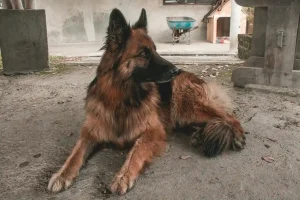
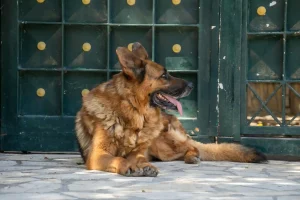
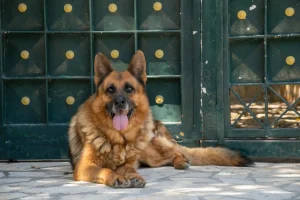
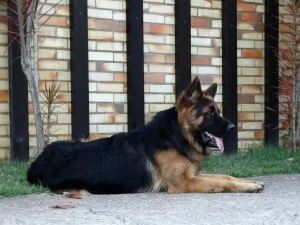
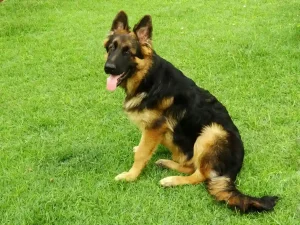
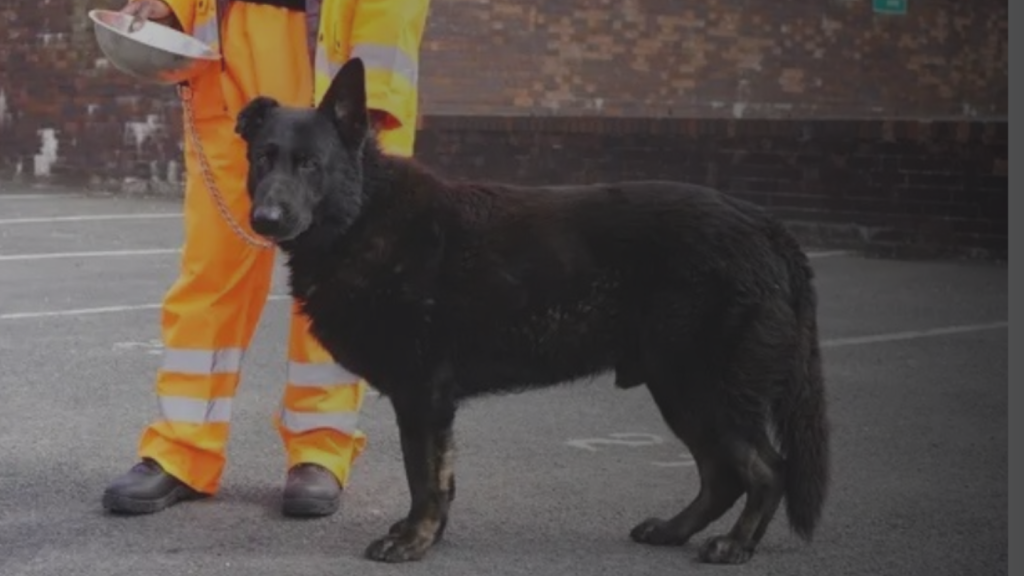
A strong patrol starts with the right team. A trained guard dog patrol needs steady nerves, sharp focus, and real drive. Breeds like German Shepherds, Malinois, and Dutch Shepherds are common, but temperament matters more than type.
Each dog must handle noise, tight spaces, and fast movement without losing control. A dog reads subtle cues from the handler, and the dog handler services must understand the dog’s signals. This trust turns the pair into a smooth, alert unit.
Training Scenarios and Route Familiarisation
Before any real patrol begins, the team trains through mixed scenarios. Some routines involve an intruder climbing a fence. Others hide a person in a quiet spot or use distractions to test focus.
The dog learns how to handle vehicles, gates, and unknown faces. This steady exposure helps the dog read each space and move through the route with confidence.
Contingency Planning and Emergency Protocols
When a breach happens, the response must be fast but controlled. The handler guides the dog and follows the planned path toward the threat.
Clear radio lines link to backup teams so support arrives without confusion. This structure keeps the perimeter safe even when the situation shifts.
Evaluating and Optimising the Patrol Pattern
Metrics of Success: How to Measure Dog Patrol Perimeter Design Effectiveness
A strong patrol system shows precise, measurable results. One of the most direct signs is a drop in attempted breaches or vandalism reports. When the dog patrol perimeter design is working, intruders avoid the area altogether because the risk feels too high.
Incident reports help track where threats appear, how fast the team responds, and whether any part of the route needs tightening.
Together, these metrics show if the system protects the perimeter as intended.
Dynamic Adjustments: Evolving the Route Over Time
A patrol route cannot stay frozen. Sites change, landscapes shift, and new threats emerge. Regular audits make sure the design still fits the environment.
If new construction blocks a line of sight or adds fresh hiding spots, the route must adapt. When heavy foliage grows in summer or snow piles up in winter, visibility and scent flow change.
Thick leaves can hide movement. Snow can muffle sound and bury scent. Each season affects the dog’s tracking ability in a different way. Updating the route keeps coverage strong and prevents intruders from learning the pattern.
Conclusion: Investing in an Intelligent Deterrent
Strong security grows from clear planning, sharp training, and routes that shift with new risks. With smart dog patrol perimeter design, weak spots are watched, and intruders lose any sense of advantage.
A well-built K9 system offers more than patrol work. It adds a fast, thinking guard that makes the entire perimeter harder to test or approach.
FAQs
1. How often should a professional dog patrol route be changed to maintain effectiveness?
Most teams shift the route often. Some change it every few days, others whenever the layout or risk level shifts. The goal is to avoid patterns.
2. What is the minimum perimeter size required to justify implementing a trained guard dog patrol?
There is no strict limit. Even compact sites can use a dog if the area holds valuable items or has weak points that need live coverage.
3. Do K9 perimeter protection services work effectively in urban environments with high noise pollution?
Yes. A trained dog filters city noise and depends on scent and movement, which stay clear even when the background is loud.
4. How do patrol teams handle false alarms, and what training is involved to mitigate them?
Teams use staged drills that teach the dog to ignore harmless triggers. Repeated practice builds calm, quick judgment.
5. What are the typical breeds used for professional dog patrol security, and why are they chosen?
German Shepherds, Malinois, and Dutch Shepherds are common because they stay focused, learn fast, and handle pressure without losing control.