Security cameras are useful, but they do not see everything. In reality, they miss strange corners, long shadows, and places no lens can reach.
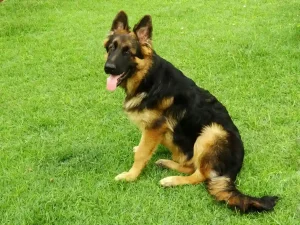
Patrol dogs do not have that problem. They wander, pause, sniff, and pick up small clues that slip right past a camera.
This mix of instinct and training lets them spot danger hiding in those blind spots. That is how patrol dogs detect CCTV blind spots, and why many security teams rely on them.
In this blog, we will explore how these security dogs find weak spots that even high-end systems overlook.
Table of Contents
Understanding CCTV Surveillance Blind Spot Challenges
Why CCTV Systems Aren’t 100% Reliable
Cameras look steady, but real spaces shift and twist around them. A wall, a tall shelf, or even a parked van can block the view. Bright lights wash things out. Dark corners hide shapes.
Since a camera cannot turn its head or change depth, it stays locked in one angle. That stillness leaves room for trouble. UK CCTV guidance explains that camera systems are limited by fixed angles, obstructions, lighting conditions, and environmental changes, which can leave unavoidable gaps in visual coverage.
Common Blind Spots in Security Camera Coverage
Corners slip out of sight fast. Stairwells drop away and form pockets of shadow. Big objects like machines, storage boxes, and fences cut off entire chunks of space.
Movement can pass through these patches without the system noticing, creating quiet paths for anyone trying to avoid the lens.
The Scale of the Problem
UK figures show how wide these gaps can spread. A national review found that over 37% of council-run CCTV cameras were faulty or offline, leaving long stretches uncovered.
This number makes it clear: CCTV helps, but it can’t see everything.
How Patrol Dogs Detect CCTV Blind Spots
Using Natural Instincts to Cover Surveillance Gaps
Dogs move with a sense of the world that cameras cannot match. Their nose picks up faint trails left hours earlier. Their ears catch soft steps, rustling, or breathing from behind objects.
These natural instincts help them notice activity even when the area looks still. They do not rely on straight lines or fixed angles, so they fill the gaps that a lens cannot reach.
Responding to Blind Spots Even When Sight Is Blocked
A blocked view does not slow a patrol dog. They follow tiny clues, vibrations in the ground, a shift in air, or the scent of someone passing through.
These signals guide them into spots where a camera loses all visibility. Narrow corridors, cluttered storage zones, and shadow-heavy spaces become easier for them to read than any digital system.
Dog-Assisted Security Monitoring in Real-World Scenarios
On large sites, some paths are hard for staff to check often. Patrol dogs move through these areas with ease, weaving through tight corners and hidden routes.
Their presence strengthens security by adding a layer of awareness that technology cannot copy. When paired with CCTV, they create a balanced system that spots trouble from every angle.
Patrol Dog Scent Detection Abilities That Cameras Cannot Match
Why a Dog’s Nose Is a Powerful Security Tool
A dog’s nose works on a level no camera can reach. They catch tiny scent traces that drift through the air or settle on the ground. A person hiding behind a wall or tucked behind stacked crates leaves a scent trail, and dogs follow it with ease.
These patrol dog scent detection abilities give them a clear edge in places where sight fails.
How Scent Tracking Fills Critical Surveillance Gaps
A camera needs light and a clean view. A dog needs neither. They track scent even when the space is dark or blocked.
Someone standing in a corner, hoping to stay unseen, still gives off a scent. Dogs read that sign and move toward it, closing gaps that tech often leaves open.
Practical Scenarios for Scent-Based Detection
In big warehouses, dogs smell their way through tight aisles and hidden spots. Along night-time perimeters, scent travels farther than light, helping dogs notice movement long before anyone appears.
At crowded events, where bodies, barriers, and noise mix together, scent cuts through the mess and guides the dog toward lingering or suspicious behaviour.
Security Dog Patrol Techniques That Strengthen Surveillance
Trained Movement Recognition
Trained dogs spot tiny changes that people and cameras often miss. A shift in posture, a slow lean, or a careful step stands out to them.
Their eyes and instincts work together, letting them read behaviour that blends into the background. These security dog patrol techniques give them an edge in places where visual cues are faint.
Coordinated Patrol Routes With Human Handlers
Handlers guide dogs through paths shaped around known blind spots. While the handler watches the wider area, the dog moves through tight gaps, using scent and quick scanning to fill the empty spaces.
This teamwork helps them cover large zones without losing track of small details.
Noise and Vibration Detection
Dogs hear soft taps, slow footsteps, or the scrape of fabric long before humans do. They also feel light ground vibrations that hint at someone moving nearby.
This makes them especially strong during night patrols or in dim areas where sight does not help. Their senses pick up signals that cameras cannot reach, closing the distance between technology and real awareness.
K9 Patrol Advantages Over Cameras in Blind Spot Detection
Mobility and Adaptability
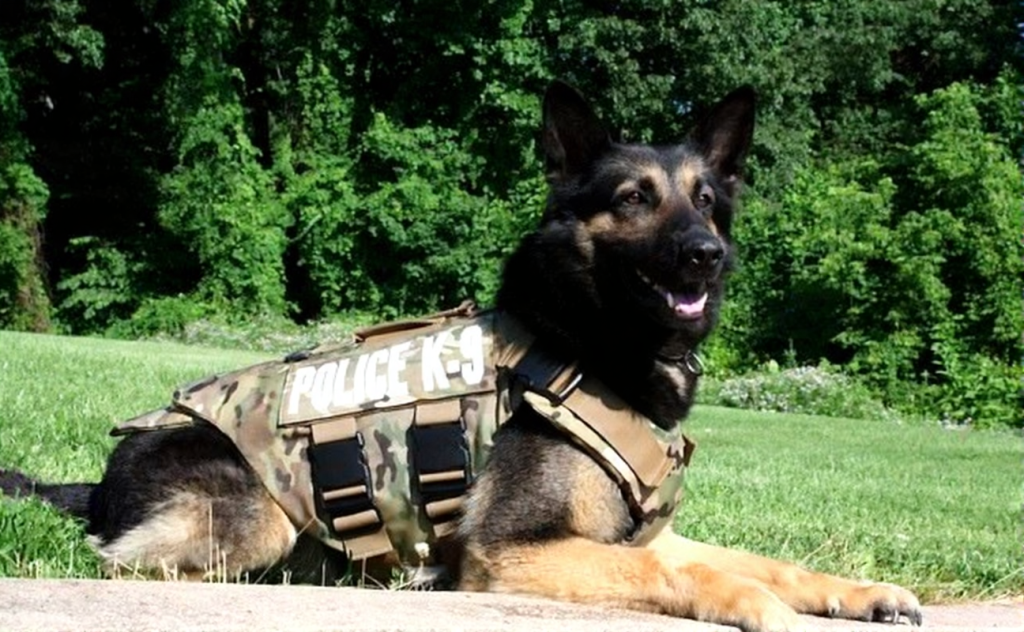
K9 teams move with ease through places where cameras struggle. A dog can slide between tight gaps, move around stacked items, and climb stairs without slowing down.
A fixed camera stays pointed in one spot and cannot shift on its own. This freedom of movement helps dogs reach areas that often stay hidden from view.
Real-Time Threat Identification
Dogs react the moment something feels off. A light sound, a small scent trail, or a quick change in the air can alert them right away.
Cameras rely on the angle they face. If something happens outside that angle, the system may not notice it. A dog’s quick response adds a layer of awareness that technology often misses.
Enhanced Deterrence Factor
The sight of a trained K9 on patrol changes how people behave. Many intruders avoid places where dogs are present because they know the dog will respond quickly.
This natural deterrent strengthens security and creates a safer environment without adding more equipment.
Combining Dog-Assisted Security Monitoring With CCTV
Creating a Hybrid Surveillance System
When dogs and cameras work side by side, the coverage becomes far stronger. CCTV monitors the open areas while dogs use scent, sound, and movement awareness to scan the hidden ones.
This mix closes most of the gaps that appear in regular surveillance setups. The system becomes broader, quicker, and more aware of what happens beyond the camera’s frame.
In complex security environments, dedicated access points like gatehouse security can work alongside dog patrols and CCTV to add another active layer of monitoring and entry control.
How Dogs and Technology Work Together
A dog reacts first when something feels unusual. The handler can check the camera feed to confirm what the dog sensed. This back-and-forth process helps teams understand the situation fast.
The video records what happens, while the dog guides attention to places that might be missed. Each side supports the other without slowing the response.
When a Dual-System Approach Works Best
Large sites often have long paths, stacked materials, and wide spaces that hide movement. Industrial zones, busy public events, and big warehouses also have shifting layouts that cameras alone struggle to cover.
In these settings, a combined system works well because dogs move through complex routes while CCTV holds the main view, creating stronger overall protection.
Conclusion
Patrol dogs add awareness that cameras cannot reach. Their senses fill the dark spots and hidden paths that stay outside a lens.
When you look at how patrol dogs detect CCTV blind spots, it becomes clear why so many sites use both. The mix of instinct and steady visual coverage creates a safer space and a stronger line of protection.
FAQs
1. Why can patrol dogs detect blind spots that CCTV cameras miss?
Dogs use scent, sound, and instinct, which let them notice things hidden behind objects, in dark corners, or outside camera angles.
2. What makes patrol dog scent detection abilities so effective?
Their nose can track tiny scent traces left on the ground or in the air, helping them find people even when they stay still or out of sight.
3. Do dogs replace CCTV, or do they work together?
They work best as a team. Cameras give visuals, while dogs cover the spaces the lens cannot reach.
4. What types of CCTV surveillance blind spot challenges do dogs help solve?
They handle tight gaps, shadowed paths, cluttered zones, and areas blocked by walls or large objects.
5. How do K9 patrol advantages over cameras improve overall security?
Their mobility, fast reactions, and strong senses create a wider safety net and close gaps in coverage.