Every year, retail sites lose billions to theft, vandalism and organised attacks. Shoplifting and related retail crime cost retailers over £2.2 billion in August 2024. This is the loss report of the UK alone. It starts with the wider bill for crime and prevention running into the billions more. Visible guards and CCTV matter, but thieves adapt.
Modern attackers plan for gaps in camera coverage, blind spots, and quiet hours. This piece goes past general claims. It examines how K9 patrol security for retail parks can change operations. It helps to control the perimeter. It reduces the time to neutralise threats during out-of-hours windows at retail parks.
Table of Contents
The Strategic Advantage of K9 Patrols as Dynamic Deterrents
The Psychological and Physical Superiority of K9 Patrol Security for Retail Parks
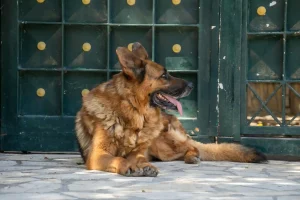
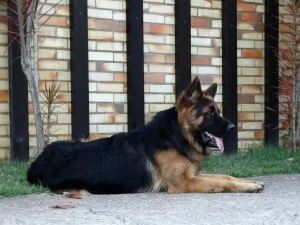
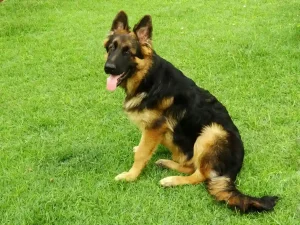
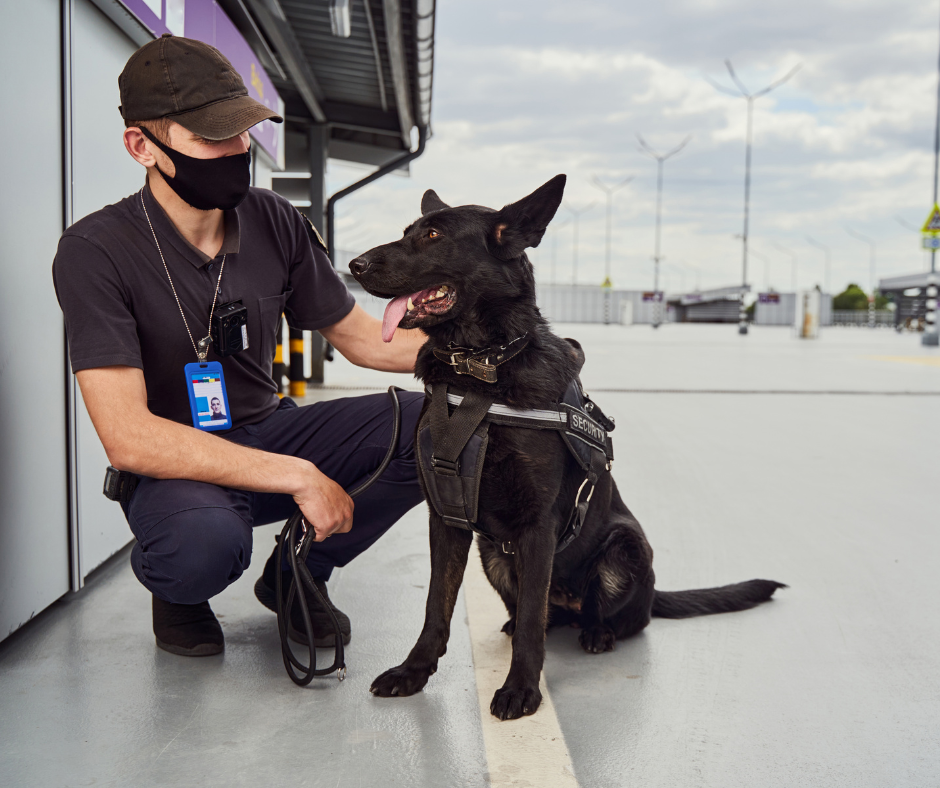
A dog at the gate changes the scene. The sight of a handler and a working dog raises perceived risk. Criminals notice. They pick other targets. This is the “halo effect”: the presence that spreads deterrence across a site. Industry reports show properties with visible K9 patrols often face far fewer attempts.
K9 teams are not for looks. Dogs sense changes in the environment that humans or cameras miss. They detect loitering patterns. They pick up faint human scents, tyre smells, and the trace scent of tools left in hedges. A well-trained K9 can spot pre-incident staging. It includes cut wiring, hidden pry tools, or packages placed near a back door. That early discovery stops a raid before it starts.
Imagine a team walking a long perimeter after midnight. Cameras show empty asphalt. The dog alerts on a hedge line. The handler finds a coil of cable and a set of bolt cutters wrapped in a bag. The raid never happens. That is prevention, not clean-up. K9 patrols fill gaps in static systems.
This is where properly deployed dog security services change the equation, turning perimeter checks into active deterrence rather than passive monitoring. They extend reach along fences, service yards and dark corners. For many sites, a K9 team can turn a speculative attempt by opportunists into a one-off aborted action.
Operational Excellence: Enhancing Out-of-Hours Security Measures
K9 Detection Capabilities and Enhanced Out-of-Hours Security Measures
A dog works with senses we lack. Dogs smell far more than we do. Estimates place a dog’s nose as thousands to tens of thousands of times more sensitive than a human nose. That ability matters on big sites. A handler can sweep a service yard and find a hidden person by scent before the person moves. You do not get that result from cameras alone.
Logistics change when you add K9 teams. One trained team can clear ground that might otherwise need several lone guards. That frees staff to track cameras, manage alarms, or focus on high-risk zones. In practice, companies report that K9 patrols multiply the effect of a single guard. A K9 team can cover more area faster and with more certainty than the same number of static patrols. It covers large parking lots, loading bays and waste compounds.
Here is a scenario. It is 02:30. A suspect waits in a dark loading bay. He hides in an enclosure behind skips. Motion sensors flash, but a camera only records a shadow. A K9 team arrives. The dog signals in the bin area. The handler calls the police and keeps a distance. The suspect is located without a fight.
The dog’s presence removed the need for an unsafe, close-quarters search by an officer alone. No one had to chase through cars. No tenant was put at risk. That is a tactical advantage. It enables faster discovery, safer engagement, and the possibility that suspect leaves evidence.
K9 patrol security for retail parks also work with tech. They link to control rooms. A dog sweep can be guided by an operator who watches camera feeds and maps the handler’s position. The result is a tighter, layered response that is lean on staff but heavy on results.
Measuring Success: Metrics for Rapid Threat Response
Quantifying the Return on Investment: K9 Teams and Rapid Threat Response Metrics
Security buyers need numbers. That is where Time-to-Incident-Neutralisation (TIN) helps. TIN is the time from alarm or detection to when a threat is found or rendered harmless. A shorter TIN means less loss and less risk. In real operations, K9 teams can cut TIN. Industry figures and field reports suggest faster location and containment. It happens when a trained dog joins the response. Case studies say reductions in TIN by a material margin versus guard-only responses.
Repeat offences fall when the visible risk rises. Providers report double-digit drops in return attempts at sites. This adds regular canine patrols. The logic is plain: a target that yielded no success once looks riskier next time. Over months, this lowers the rate of repeat hits and the shrinkage cost. The percentage varies across operations. Procurement teams see a measurable decline in repeat offences. It occurs within 6 months of deployment.
K9 presence also shrinks liability. Dogs often defuse situations without violence. A controlled alert can lead to safe disengagement. That lowers injury risk for guards and tenants. It reduces claims and can ease insurance talks. When a retailer chooses a canine program, it can translate to favourable coverage.
Integration & Best Practices for Facility Managers
Deploying K9 Patrol Security for Retail Parks as a Perimeter Security Solution
K9 patrol security for retail parks add capability. They do not replace. Think of them as force multipliers. Pair a team with CCTV operators, alarm monitoring and periodic foot patrols. Map patrol routes that sync with camera blind spots. Schedule varied times so patterns are hard to predict.
Look for handlers with formal accreditations and experience in commercial settings. Ask for proof of training, scenario drills, and public liability cover. In the UK and many markets, recognised bodies and training standards exist. It requests certificates and references. Ensure dogs are trained for patrol work, not only detection drills.
UK health and safety guidance for warehousing and storage stresses controlled movement, clear procedures, and reduced risk during out-of-hours operations. K9 patrols should work within these frameworks, supporting safer searches and lowering exposure for lone workers rather than adding new hazards.
Talk to tenants early. A short notice explaining the patrol plan, benefits, and reporting incidents reduces worry. Present K9s as a protection gain, not a reaction to an isolated issue. Share simple rules: do not approach a working dog, and report items found during patrols.
Lastly, test the system. Run joint live drills with security staff, the K9 team and local police where possible. Track TIN and repeat-offence numbers. Use those metrics to tweak patrol times, routes and collaboration with tech systems.
Conclusion
K9 patrols shift security from fixed reaction to active prevention. They add a walking sensor with senses we lack. They lower time to find threats, reduce repeat hits, and help defuse risky moments. For retail park owners, that is more than a line item. It is a way to save on losses, improve tenant safety and make insurance conversations easier.