Construction sites look like easy targets. Tools, fuel, and partly-built structures sit in the open. Fences help, but thieves adapt. They watch schedules. They learn when crews leave. They find weak spots.
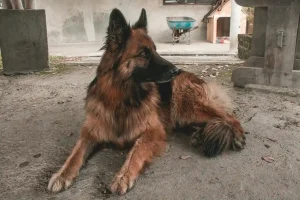
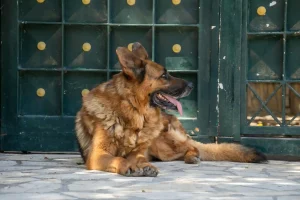
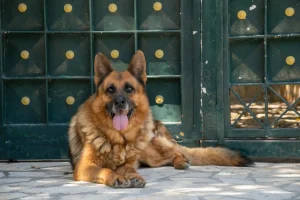
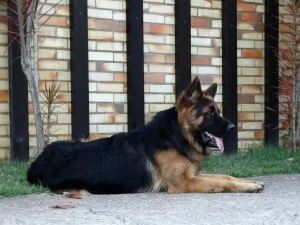
That is why a move from reactive fixes to a proactive plan matters. Trained K9 patrol bring a different kind of watch. A dog and a handler cover ground fast. The presence of a K9 changes how intruders think. They often avoid a site before they try anything.
For companies that lose time and money after theft, K9 teams are more than guards. They are prevention. They cut long insurance claims. And they make the worksite safer for everyone. This blog explains how and why trained K9 patrol units help to protect projects.
Table of Contents

The Escalating Threat: Assessing the True Cost of Job Site Vulnerability
Construction theft and vandalism are not small annoyances. They hit budgets. They slow down schedules. They raise safety risks. One stolen generator can stop a week of work. Missing wiring can halt inspections. The direct cost is obvious. The indirect cost is worse. Delays push crews to work extra hours. That raises labour bills. It also dents client trust.
A recent survey by the CIOB found that 92% of construction professionals say their sites experience theft every week.
Insurance often helps. But claims take time. Premiums can rise after each loss. Some insurers demand stronger controls or refuse coverage for certain risks. Procurement teams must then buy more robust gear. Project managers scramble to secure replacements at short notice.
Risk managers watch three things: money out, time lost, and reputation harm. Simple fixes, like extra lights or cameras, help a little. But they do not stop a determined team of thieves. What stops them is deterrence that feels risky to the intruder. That is where trained K9 patrol units put real value on the table.
Direct and Indirect Financial Drain from Theft and Vandalism
The visible losses are tools, fuel, and equipment. The hidden losses are lost hours, rework, and delayed milestones. Add the cost of extra security measures and higher insurance. The bill grows fast.
The Challenge of Effective Asset Protection on Construction Sites
Wide open yards and many entry points make asset protection hard. Cameras have blind spots. Fences get cut. Locks break. You need solutions that move, sense, and act. K9 units meet that need.
The K9 Advantage: Unmatched Deterrence and Sensory Capabilities
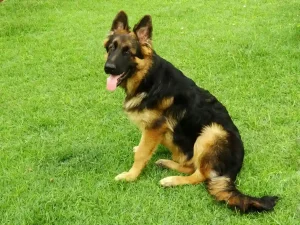
Dogs are not toys. Trained patrol dogs are tools of deterrence and detection. They smell better than any sensor. They hear better than many alarms. They react faster than a human who is asleep at a remote monitoring desk. For site security managers and project managers, that mix matters.
A K9 team usually pairs a handler with a dog trained for patrol, scent work, and people control. These dogs learn to search open lots, vehicles, and storage areas. They alert the handler to human scent, to hidden caches, and to signs that someone tampered with gear. A dog’s presence often forces trespassers to stay away. Why try to steal where a dog may be waiting?
K9 patrols also cut the blind spots that cameras leave. Cameras freeze time from a fixed angle. Dogs move. They sniff under tarps, through brush, and inside stacks of material. A handler reads the dog’s behaviour. This leads to quick, on-site decisions. That beats waiting for a night-shift guard to call it in.
Training matters. A less trained dog can cause trouble. A well-trained dog patrols with control. It signals concerns without causing chaos. It helps secure a site while keeping workers safe. Many firms choose K9 teams that are certified and insured. That choice reduces liability and makes integration smoother.
K9 teams are also flexible. They can run scheduled sweeps at the end of the day. They can do random checks. They can support a lock-up after a delivery. This unpredictability is a deterrent. Intruders prefer steady patterns they can study. K9 patrols break those patterns.
Finally, K9s build confidence on site. Crews report feeling safer. Managers see fewer missing tools. Insurance adjusters note lower claim frequency when K9 units are deployed. That hard-to-measure peace of mind matters when projects run on tight margins.
The Psychological Barrier: Managing Trained K9 patrol units on job sites
The sight or sound of a K9 team triggers doubt in would-be thieves. They weigh risk versus reward. Most choose the easier target. That decision prevents break-ins before they happen.
The Power of Scent and Sound: Effective K9 Security Patrol
A dog’s nose finds what cameras miss. Its hearing picks up soft movement at a distance. Together, scent and sound turn a large, open site into a place where intruders feel exposed.
Force Multiplier: Maximising Perimeter Coverage with Fewer Personnel
One handler and one dog can cover what might take several guards to do well. That reduces payroll cost while raising security quality. It’s efficient and smart.
Operational Excellence: Integrating K9 Patrol Units into Project Protocol
Adding K9 patrols is not plug-and-play. It needs thought. Policies, timing, and site rules must align. But with clear steps, integration is smooth and fast.
Start with a plan. Map the site. Note weak spots and high-value areas. Share the plan with the K9 provider. Agree on sweep times and random patrol windows. Make sure the handler knows where materials are stored and when deliveries occur. Communication keeps dogs from interfering with crews.
Training for staff is key. Workers should know how to behave around patrol dogs. They should not approach a working dog. They should signal handlers if they see signs of tampering. A short safety briefing reduces worries and confusion.
Documentation matters. Need proof of certifications for both handler and dog. Ask for insurance certificates and references. A proper vendor will provide incident reports after each patrol. These reports help procurement teams track trends and show risk managers the impact.
Logistics also play a role. Dogs need rest, water, and secure vehicles. Patrol routes should avoid areas where dogs might be harmed by construction hazards. Handlers should be briefed on site-specific dangers, like chemicals or heavy machinery. A safe dog is an effective dog.
K9 teams can work alongside cameras and lighting. Use technology for record-keeping and evidence. Let cameras capture incidents that the K9 team identifies. This layered approach strengthens claims with insurers and helps law enforcement when needed.
A final piece: set measurable goals. Track incident rates, theft costs, and near-miss reports. Compare before and after K9 deployment. These figures tell project managers and developers whether the program meets expectations.
Rapid Site Sweeps: Ensuring a Clear and Secure Close-Out
End-of-day sweeps catch threats while crews leave. A quick, thorough check stops opportunistic theft and confirms lock-up.
Proactive Detection of Staged or Cached Equipment
Thieves sometimes hide tools to fetch later. Dogs find recent human scent and hidden stashes. That thwarts staged theft tactics.
Professional Certification: Vetting Your Construction Security Solutions
Check for formal patrol and detection certifications. Ask for ongoing training records. Certified teams reduce liability and raise trust.
Maximising ROI and Reducing Long-Term Risk
K9 units pay for themselves in fewer claims, fewer delays, and less replacement cost. They lower the chance of big, costly thefts that derail schedules. Steadier cash flow and fewer changes regularise material loss.
Insurance providers take notice. Sites with documented K9 programs can see fewer claims. That can mean lower premiums or easier renewals. The math includes direct savings and the value of uninterrupted project flow.
Lowering Exposure: Construction Site Vandalism Prevention and Insurance Premiums
Fewer incidents mean fewer claims. That lowers exposure and makes insurers more willing to offer favourable terms.
Calculating the Value of Project Continuity
Every avoided delay keeps the project on schedule. That saves time, labour, and client headaches. Continuity is a value that appears throughout the project.
Conclusion: A Clear Path to Enhanced Site Safety
Trained K9 patrol units, shifted a site from waiting for trouble to stopping trouble before it starts. They blend smell, speed, and presence in ways cameras and fences cannot. For decision-makers, the case is simple. It covers fewer delays and better control over risk.
Secure Your Investment with a K9 Security Assessment
Ask a vetted K9 provider for a site assessment. Get a written plan, trial patrols, and clear metrics. Protect tools, protect time, and protect your bottom line.