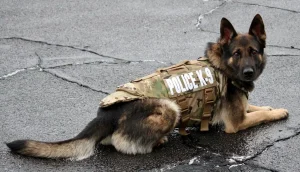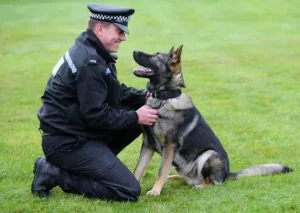

From warehouses and airports to construction sites and data centres, K9 security is no longer rare. It is now a key part of protecting people, property, and daily operations. Businesses use trained dogs because they are fast, alert, and highly effective. No camera or unarmed guard can match their detection skills.
However, there is a hard truth that many companies face too late. They spend heavily on K9 security but stay exposed to risk because the contract is weak.
The line between professional protection and serious liability often comes down to a few pages of legal wording that no one reads carefully. Informal guard setups may suit low-risk sites. K9 deployment is different. The risk is higher. The consequences are bigger.
Knowing your K9 security contract terms before you sign is not about fine print. It is about protecting your business. When procurement teams ignore this, the cost usually shows up later, in disputes, losses, or legal trouble.
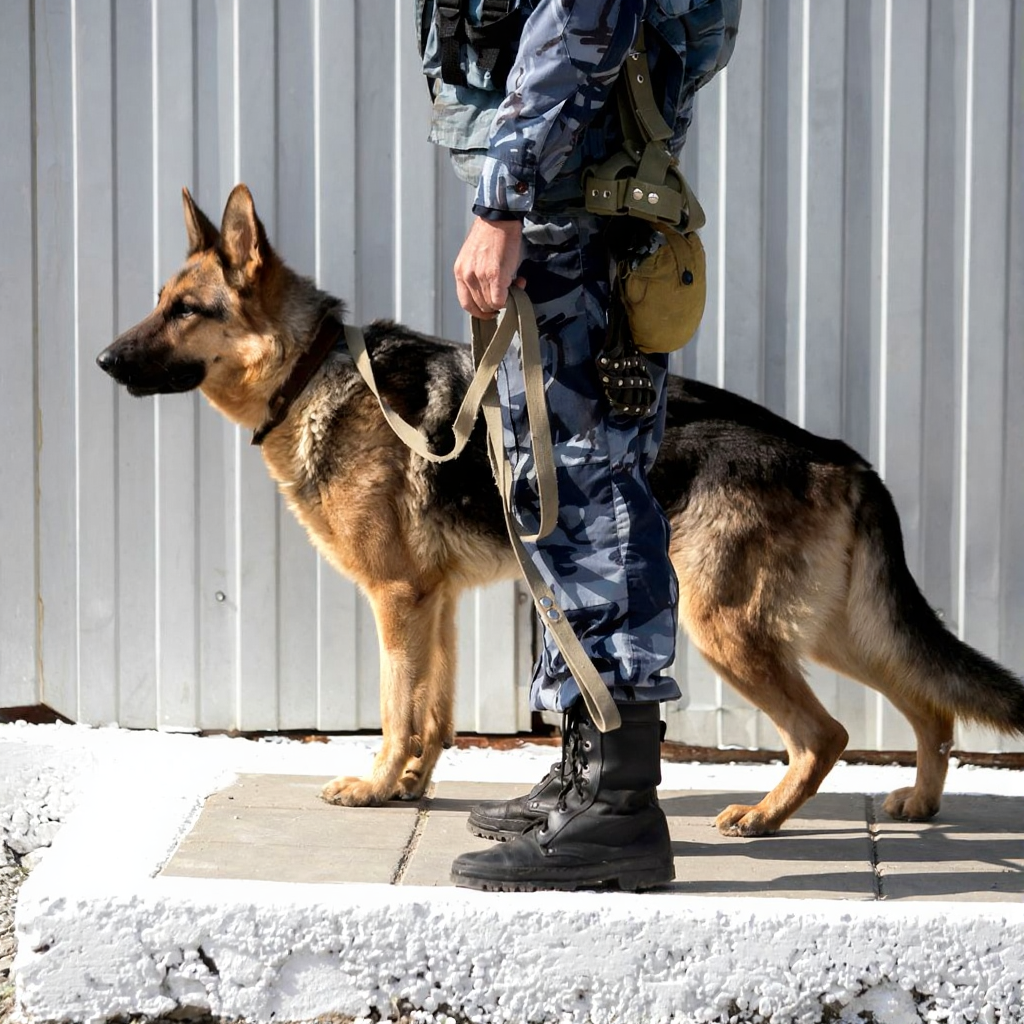
Understanding the Purpose of a K9 Security Contract
A K9 security contract is not just a service agreement. It is the document that defines where responsibility begins and where it ends, on both sides.
What a K9 Security Contract Legally Covers
At its core, the contract explains what the K9 team will do. It lists patrol areas, work shifts, response duties, and reports. It also states who makes decisions on deployment, who manages the handler, and when force can be used.
The contract also shows who is responsible if something goes wrong. This point alone can decide who pays for damages. It also turns service promises into clear tasks that can be checked and enforced.
Who the Contract Protects
The client is protected from negligence through insurance and indemnity clauses. The vendor is protected from misuse of the dog, unsafe work conditions, and unauthorised commands. The public is protected through compliance, training standards, and use-of-force limitations. A well-written contract balances all three. A poor one protects no one.
Why Verbal Agreements Are a Business Risk
Verbal agreements invalidate most insurance coverage. They collapse under dispute. And they rarely meet regulatory requirements. In K9 work, injuries and damage can happen at any time. When there is no written contract, the business faces serious legal and financial risk.
K9 Security Contract Terms Every Business Should Demand
This is the heart of the agreement. These are the non-negotiables. Miss any of these, and the contract becomes fragile.
Clear Scope of Services and Deployment Areas
The contract must define exactly where and how the K9 team operates. Patrol zones should be mapped, not vaguely described. Static posts must be distinguished from mobile patrols.
On-lead and off-lead permissions need to be explicit. Shift coverage, overlap provisions, and maximum response times must be stated in numbers, not assumptions. Ambiguity here becomes a liability during incidents.
Handler Qualifications and Certification Requirements
K9 performance is only as reliable as the person holding the leash. The contract should require valid handler licensing, not just internal training. Minimum field experience matters. One year and five years are not the same risk profile.
Ongoing training obligations must be specified, along with documented background checks. This is where many low-cost vendors quietly cut corners.
K9 Training Standards and Operational Readiness
Dogs must be trained for the actual environment they will protect. Industrial sites, crowded venues, and perimeter defence all demand different conditioning. Obedience, detection, aggression control, and recall reliability should be mandatory.
Recertification cycles must be written into the contract. Operational readiness also includes physical health standards. A fatigued or injured dog is a liability, not an asset.
Liability, Insurance, and Indemnification Clauses
This section determines who absorbs financial shock after an incident. Minimum public liability limits must match your site’s exposure. Employer’s liability must cover handlers fully. Dog-related injury coverage must be explicit, not implied.
Indemnification clauses must protect the client from claims arising from handler error, training failure, and deployment misuse. If this section is vague, walk away.
Compliance with Local Laws and Industry Regulations
Animal welfare laws dictate handling and care standards. Private security regulations control licensing, uniforms, and the use of force. Local authorities may require municipality-level approvals for patrol dogs. In the UK, K9 handlers working in security roles are required to meet licensing and conduct standards enforced by the Security Industry Authority (SIA), which governs private security activity and compliance obligations.
The contract must clearly state that the vendor carries full regulatory responsibility and provides documented proof of ongoing compliance.
Performance Metrics and Service-Level Expectations (SLAs)
Presence alone is not performance. Patrol frequency should be measurable. Response time should be clock-based. Reporting accuracy and submission deadlines must be tracked.
Penalty clauses for underperformance must exist, or SLAs become empty promises. Procurement teams should insist on monthly performance reporting tied directly to contractual benchmarks.
Replacement, Downtime, and Emergency Backup Provisions
Dogs get injured. Handlers fall sick. Equipment fails. The contract must require immediate temporary replacements, not “best effort” language. Backup K9 units should be guaranteed for critical sites.
Downtime without coverage should trigger financial adjustments. Without these safeguards, single-point failure becomes a real operational risk.
Data Protection, Surveillance, and Reporting Controls
Incident reports belong to the client. That must be stated. Interaction between K9 patrols and CCTV systems must follow defined access protocols. Data retention limits should comply with privacy laws.
Confidentiality clauses should cover operational layouts, patrol patterns, and incident histories. Security data leaks create threats long after contracts end.
Payment Structure, Invoicing, and Cost Transparency
Monthly retainers and hourly billing create very different vendor behaviours. Overtime and holiday premiums must be visible upfront.
Equipment rental, veterinary care, vehicle costs, and training refreshers should not appear as surprise line items. Tax handling and compliance responsibilities must be crystal clear to avoid downstream audits.
Termination, Exit Clauses, and Contract Flexibility
Early termination rights should exist on both sides. SLA breach exits must allow immediate disengagement without excessive penalties. Force majeure clauses must not excuse routine staffing failures.
Post-contract obligations, data handover, incident report delivery, and equipment retrieval must survive termination. Clean exits prevent messy disputes.
Hidden Risks Businesses Overlook in K9 Security Contracts
Procurement teams often focus on price, coverage hours, and patrol count. The real dangers hide in the language.
Vague Language and Undefined Responsibilities
Phrases like “reasonable efforts” and “as required” sound harmless. In court, they mean almost nothing. Undefined responsibilities shift blame. They create gaps where both sides deny accountability after incidents.
Inadequate Insurance Limits
Many vendors carry insurance that technically exists but is insufficient for high-risk sites. Underinsured vendors collapse under large claims. When insurers reject coverage due to exclusions, the client often becomes the deepest pocket in the lawsuit.
Poorly Defined Use-of-Force Policies
Suppose the contract does not clearly define when and how a K9 unit may engage. Legal exposure multiplies. Third-party injury claims escalate fast. Regulatory investigations follow. Reputational damage lingers for years.
How Procurement Teams Should Evaluate a K9 Security Vendor Before Signing
Contracts reflect the quality of the vendor behind them. Due diligence here prevents years of regret.
Documentation Checklist
Procurement should never accept samples or promises. Ask for valid security licenses. Check handler certificates. Review dog training records. Confirm vaccination logs. Always request current insurance papers. Missing documentation today becomes liability tomorrow.
Site Risk Assessment Before Contract Finalisation
A proper vendor will assess terrain, lighting, noise, traffic, and threat profile before proposing deployment. Risk classification determines whether K9 use is appropriate at all. Blind deployment is a warning sign.
Trial Periods and Pilot Contracts
Limited deployments allow real-world performance validation. Reporting accuracy, handler professionalism, and animal control discipline reveal themselves quickly. A 60- or 90-day pilot often exposes issues that paperwork never will.
Cost vs. Value: What Businesses Are Really Paying For
Low-cost K9 contracts often look attractive on spreadsheets. In reality, they transfer hidden risk back to the client.
Low-Cost Contracts vs. Professional-Grade K9 Services
Cheaper vendors typically reduce training cycles, insurance limits, and backup capacity. Professional-grade services cost more because their risk controls cost more. The difference shows only when something goes wrong.
Long-Term Risk Savings vs. Short-Term Cost Cutting
One single incident can cost more than years of contract fees. This includes injuries, asset loss, or rule violations. Long-term risk savings rarely appear in procurement dashboards, but they dominate legal outcomes.
ROI of Properly Structured K9 Agreements
Strong contracts stabilise operations, protect brand reputation, and reduce executive exposure. The return appears not in monthly invoices, but in the absence of disasters.
When Should a Business Upgrade or Renegotiate Its K9 Security Contract?
Security contracts are not “set and forget.” Business conditions change. Expansion alters site complexity. Increased asset value raises exposure. Repeated breaches signal performance failure.
Regulatory updates may redefine compliance requirements. Vendor quality can decline quietly over time. Any one of these triggers justifies renegotiation or replacement, before risk overtakes control.
Conclusion
A professional K9 deployment is not a product purchase. It is a risk partnership governed by contract discipline. Weak agreements invite legal exposure, financial loss, and operational instability. Strong contracts impose structure, accountability, and measurable protection.
Every clause matters, from training standards to termination rights. And every undefined obligation becomes tomorrow’s dispute. Businesses that take K9 security contract terms as seriously as money and legal deals protect more than their sites. They also protect their leaders, their name, and their future.
FAQs
What are the most important K9 security contract terms for businesses?
The most important parts of a K9 security contract are the scope of work and the handler’s skills. Insurance coverage also matters. Service levels, legal compliance, and termination rights are just as critical.
Who is legally responsible if a K9 unit causes injury during duty?
Liability depends on contract wording, insurer coverage, handler conduct, and regulatory compliance. Poorly written contracts often shift liability back to the client.
How often should K9 security handlers and dogs be recertified?
Most professional programs require annual recertification, with documented training refreshers throughout the year.
Can a business terminate a K9 security contract early without penalty?
Only if early termination rights and SLA breach exits are clearly written into the contract.
What insurance coverage is mandatory for professional K9 security services?
At a minimum, the vendor must carry public liability insurance. They must also have employer liability cover. The policy should include cover for dog-related injuries. Professional indemnity insurance is also required.