
Call Us: (44) 77765-43210

Email Us: info@dogsecurityservices.co.uk

The Most Important Questions to Ask Before Hiring a Dog Security Team
hiring dog team questions

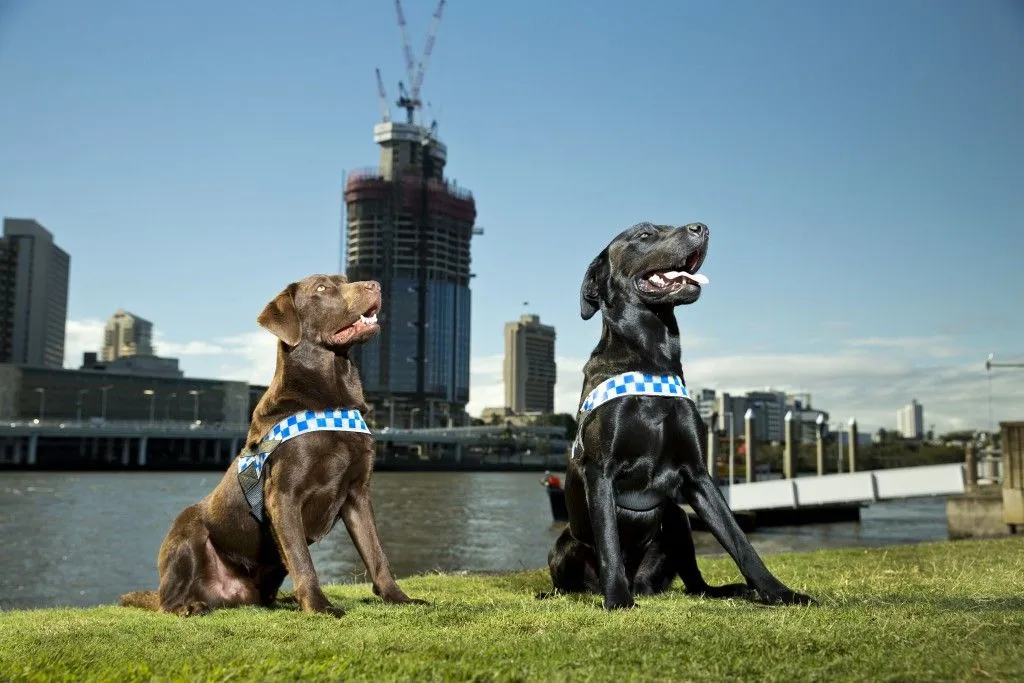
Canine security units are no longer niche assets reserved for military bases or border posts. Today, trained dog teams protect warehouses, ports, industrial plants, data centres, and public venues. For procurement leaders, this creates a new category of risk and reward. The wrong contract exposes you to legal and operational failures. The right one strengthens deterrence, response time, and insurance standing. That is why hiring dog team questions must be approached with the same rigour as any high-liability security procurement. Why Asking the Right Questions Matters in Dog Security Procurement Hiring a dog security team is a different beast from hiring regular guarding services. You’re not just adding manpower. You’re bringing a living asset into your security operation. That changes the legal, ethical, and operational math fast. If something goes wrong, the impact can be severe. Liability claims, regulatory heat, and reputational fallout tend to follow. Without tight due diligence, problems surface late. Sometimes too late. Handlers may lack proper credentials. Coverage turns out to be thin. Operating rules exist only on paper. These gaps don’t just weaken daily protection. They ripple into loss exposure, public safety risk, insurance approvals, and regulatory standing. Handled well, a dog team multiplies security strength. Handled poorly, it becomes a liability you can’t easily unwind. The difference lies in the questions asked before the contract is ever signed. Hiring Dog Team Questions Every Buyer Must Ask Before Signing a Contract What Certifications and Licensing Do the Dogs and Handlers Hold? Certification is your first checkpoint. A real dog security team should have nationally or regionally recognised K9 certificates. These should prove both the dog’s training and the handler’s skills. Background checks should go past criminal records and include work history and past issues. Insurance matters just as much. Every working dog must be covered by a clear liability policy that fits your local laws. You should see proof right away. If paperwork is delayed or unclear, take that as a serious warning. What Type of Training and Specialisation Do the Dogs Have? Not all security dogs serve the same purpose. Some are trained for deterrent patrol. Others specialise in explosive detection, narcotics detection, perimeter tracking, or crowd control. Dual-purpose dogs exist, but they require higher training investment and maintenance. You must validate whether the offered training aligns with your risk profile. A logistics hub requires different canine capabilities than a public transit station. Ask how often dogs undergo recertification and whether that training is externally audited. Training that is not periodically stress-tested degrades fast, often invisibly. How Are the Dogs Selected and Evaluated for Security Work? Breed selection alone does not determine performance. Temperament testing is what separates reliable security dogs from unstable assets. Vendors should demonstrate how they evaluate nerve stability, aggression thresholds, response discipline, and environmental adaptability. Health screening must be documented, not assumed. Under the Animal Welfare Act 2006, organisations responsible for working dogs have a legal duty of care. They must ensure proper health, suitable housing, and protection from harm. That includes orthopaedic checks, sensory testing, and stress resilience assessments. Be cautious with unusually low-cost vendors. Cheap contracts often mirror short training cycles, weak selection standards, and minimal post-deployment support. What Operational Protocols Are Followed During Deployment? Operational discipline is where risk is either controlled or amplified. Ask about shift duration for both dogs and handlers. Fatigue undermines performance faster in canine units than in human-only deployments. Rotation schedules should meet veterinary workload standards, not just staffing convenience. Handler-to-dog ratios must remain strict. One handler per dog is non-negotiable in professional operations. You should also review incident response protocols in writing. How quickly is backup dispatched? Who assumes control during escalation? Vague answers here usually signal weak field governance. What Legal Liabilities and Insurance Coverage Are Provided? Public liability insurance is required, but the coverage amount is just as important as having a policy. You must check that bite injuries, third-party harm, and property damage are clearly included. Many basic policies leave out animal-related claims unless extra coverage is added. Indemnity clauses are just as important. If the contract quietly shifts liability back to your organisation, that is a serious risk. You must see the full policy wording with no delays. If a vendor avoids this or blurs who is responsible for handler actions, stop the process. That risk should not sit with you. How Is Performance Measured and Reported to Clients? Security without visibility quickly becomes security theatre. Professional vendors maintain patrol logs, incident reports, and digital tracking of canine deployments. These records allow you to audit deterrence effectiveness, response times, and compliance with agreed post orders. Ask what KPIs they monitor. Patrol coverage gaps, incident frequency, false alerts, and handler conduct should all be quantified. If performance is not measurable, it cannot be enforced. That undermines the entire value proposition of canine security services. What Happens If a Dog or Handler Becomes Unfit for Duty? Dogs age, become injured, or burn out under sustained deployment stress. Handlers resign, fail audits, or breach protocol. Replacement policies should be explicit within the contract. How fast is a substitute deployed? What happens to service continuity during the transition? Stand-down rules must focus on safety first. You need to know how fast a dog can be removed if behaviour becomes a concern. Backup plans should also cover illness, vet emergencies, and times when a handler is suddenly unavailable. What Are the Full Cost Components Beyond the Base Contract? Base pricing often hides the real cost structure. Training refreshers, veterinary care, equipment replacement, transport vehicles, and housing facilities may sit outside the headline rate. Some vendors bill these as ad-hoc surcharges. A complete cost model should include lifecycle expenses across the entire contract term. If pricing transparency is thin, procurement exposure rises. Hidden cost inflation quietly erodes ROI and destabilises budgeting projections. Key Documentation to Request Before Finalising a Dog Security Contract A compliant vendor will treat document requests as routine, not intrusive. Request verified training certificates for each dog-handler pair. These … Read more
How to Audit K9 Providers and Identify Serious Operational Red Flags

audit k9 provider

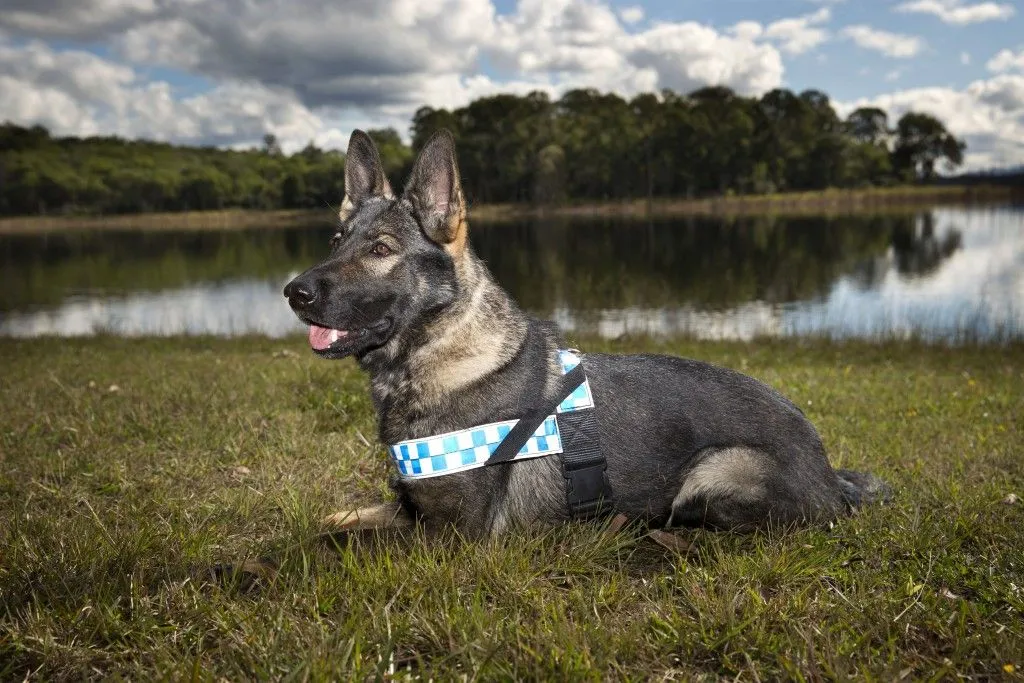
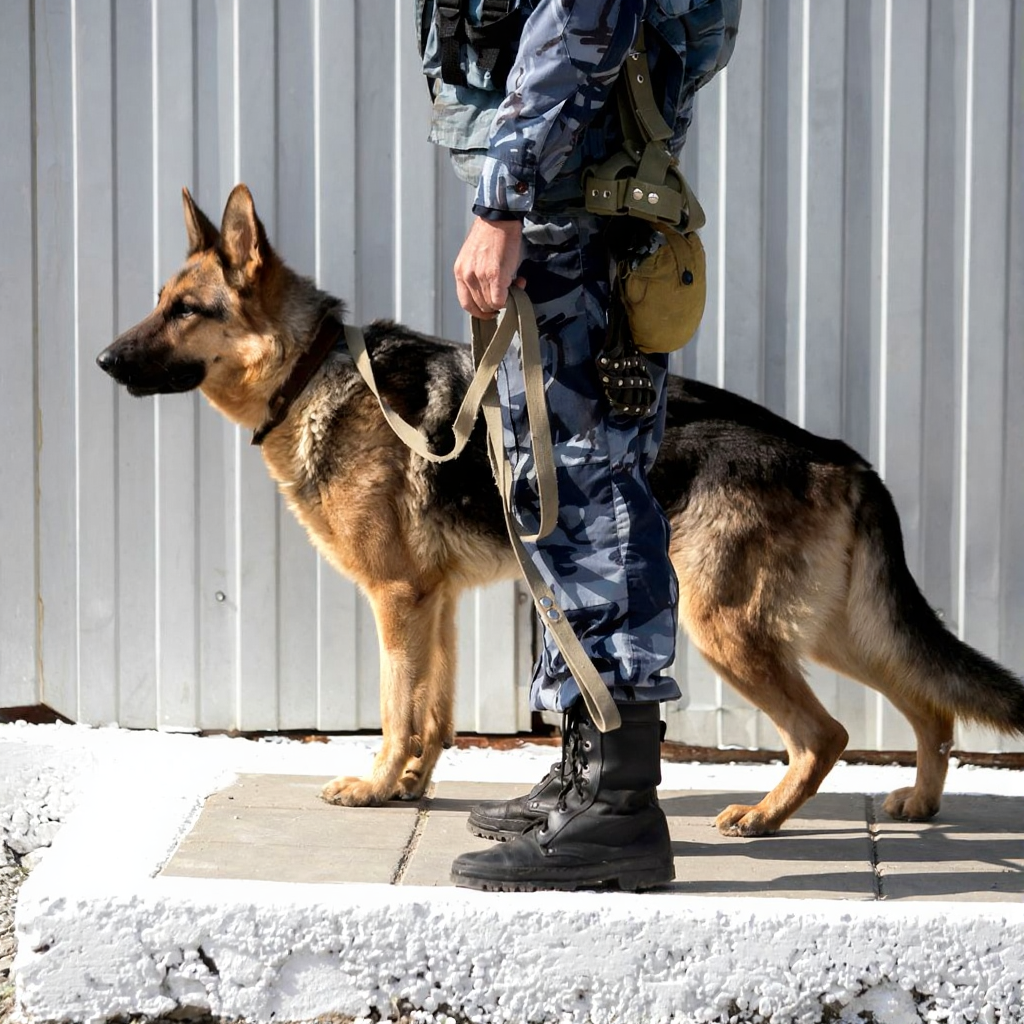
Procuring K9 services is not like sourcing uniforms or vehicles. You are acquiring a living operational asset paired with a handler who may operate in high-risk, legally sensitive environments.  When things go wrong with a K9 deployment, the consequences are rarely minor. They can involve injuries, lawsuits, public scrutiny, and long-term reputational damage. That is why vendor vetting alone is no longer enough.  A structured audit is now a procurement necessity. To properly audit K9 provider, decision-makers must look beyond marketing language and focus on documentation, operational controls, and measurable performance indicators that stand up under scrutiny. Why K9 Provider Audits Are a Critical Part of Modern Procurement Most vendor reviews stop too early. Teams check a license, skim a few references, glance at an insurance certificate, and move on. For K9 providers, that kind of review is thin protection at best. These vendors sit in a high-risk zone where security work, public safety, animal care, and legal exposure all collide. When one piece fails, the fallout spreads fast. K9 security services carry risks that normal guard work does not. Force may be used. Animals must be protected by law. Evidence must hold up in court. A single mistake can affect an investigation, a courtroom outcome, or a public reputation. Public agencies face open-record rules, civil-rights scrutiny, and strict buying laws. Private companies deal with insurers, investors, and brand trust. Different pressure points, same outcome when a K9 provider fails, real damage that lasts beyond one contract. A proper audit changes the tone of the decision. It replaces trust with proof. It creates a record that holds up after an incident, not just before one. And when a third party gets involved, bias drops and confidence in the process rises. The Right Way to Audit K9 Provider and Uncover Hidden Issues When procurement teams audit a K9 provider, the goal is not to catch minor paperwork errors. The goal is to confirm that the provider operates a complete, legally defensible, and ethically sound K9 program.  This requires a structured review across licensing, personnel, animal welfare, operations, performance data, contracts, and digital security. Weakness in any one of these areas compounds risk across the entire deployment. Verifying Licensing, Legal Registration, and Insurance Coverage Start with the basics, but don’t rush them. Check who the company really is on paper. The legal name on the contract should match the one on public records. You’d be surprised how often it doesn’t. Shell companies and layered registrations still show up in K9 procurement. Then look at licensing. Not just the generic business kind, but any K9-specific approvals tied to local or state rules. Detection work, patrol dogs, narcotics units; many areas treat these differently. Most of this can be verified online in minutes. Insurance needs a closer look than a quick glance at a certificate. Confirm liability, professional cover, workers’ compensation, and any dog-specific policies. Read the fine print. Some policies quietly exclude bites or detection errors. If something feels off, call the underwriter. Expired cover, vague terms, or hard-to-trace insurers are clear warning signs. Reviewing Handler Qualifications, Training Records, and Certifications K9 effectiveness lives or dies with handler competence. Background checks should be current and documented. Look for prior disciplinary actions, criminal history where relevant, and employment verification. Training records should show structured programs with defined hourly requirements. Third-party certifications carry more weight than in-house credentials, which are often unstandardized. Continuing education is another key indicator. K9 work evolves with new legal standards, detection methodologies, and safety protocols. Watch for warning signs such as missing documentation, self-issued certificates with no external validation, or training logs that appear templated or inconsistent. These often suggest weak internal controls. Evaluating Dog Sourcing, Health Records, and Welfare Standards Where a K9 provider gets its dogs matters. A reliable provider can show clear records of where each dog came from. This may be a certified breeder, a training program, or a verified rescue.  Every dog should also have full vet records, including shots, routine checkups, and spay or neuter status when required. Not every dog fits every job. Detection, patrol, and dual-purpose work each need different traits. If a provider says all dogs can do all tasks, that is a warning sign. Retirement and rehoming plans often get ignored, but they matter. A high number of dog replacements, missing vet files, or unclear care policies are serious red flags. They point to poor planning and possible welfare issues. Operational Readiness, Deployment Protocols, and Supervision Models A strong K9 program follows clear written rules. These rules should cover how dogs are used, how shifts work, when dogs rest, how emergencies are handled, and how teams deal with the public. Always ask to see these rules. If they are not written down, that is a serious concern. Good shift planning is critical. Tired handlers and worn-out dogs make mistakes. A reliable provider keeps backup K9 teams ready in case of illness, gear failure, or sudden demand. Supervision also matters. There should be clear leaders, set steps for reporting problems, and regular reviews of K9 work. Warning signs include loose oversight, no written authority, and no clear way to report serious incidents. Performance Metrics, Incident Reporting, and Use-of-Force Documentation Performance data separates credible K9 programs from those that merely claim effectiveness. Detection deployments should include measurable success rates, false alert tracking, and periodic validation testing. Patrol deployments should track deployments, apprehensions, and bite incidents with contextual review. Incident reporting must be standardised. Every significant deployment, especially those involving force, should generate a formal report reviewed by supervision. Internal reviews should occur regularly, with escalation to a third-party review where warranted. Refusal to disclose historical performance data is one of the clearest warning signs in a K9 audit. So is the absence of bite logs, inconsistent reporting formats, or unexplained data gaps. These deficiencies expose buyers to extreme downstream liability. Contract Transparency, Service Level Agreements, and Liability Clauses The contract governs accountability when things go wrong. Indemnification language should be balanced … Read more

What Every Business Should Demand in a Professional K9 Security Contract

K9 security contract terms

From warehouses and airports to construction sites and data centres, K9 security is no longer rare. It is now a key part of protecting people, property, and daily operations. Businesses use trained dogs because they are fast, alert, and highly effective. No camera or unarmed guard can match their detection skills. However, there is a hard truth that many companies face too late. They spend heavily on K9 security but stay exposed to risk because the contract is weak. The line between professional protection and serious liability often comes down to a few pages of legal wording that no one reads carefully. Informal guard setups may suit low-risk sites. K9 deployment is different. The risk is higher. The consequences are bigger. Knowing your K9 security contract terms before you sign is not about fine print. It is about protecting your business. When procurement teams ignore this, the cost usually shows up later, in disputes, losses, or legal trouble. Understanding the Purpose of a K9 Security Contract A K9 security contract is not just a service agreement. It is the document that defines where responsibility begins and where it ends, on both sides. What a K9 Security Contract Legally Covers At its core, the contract explains what the K9 team will do. It lists patrol areas, work shifts, response duties, and reports. It also states who makes decisions on deployment, who manages the handler, and when force can be used.  The contract also shows who is responsible if something goes wrong. This point alone can decide who pays for damages. It also turns service promises into clear tasks that can be checked and enforced. Who the Contract Protects  The client is protected from negligence through insurance and indemnity clauses. The vendor is protected from misuse of the dog, unsafe work conditions, and unauthorised commands. The public is protected through compliance, training standards, and use-of-force limitations. A well-written contract balances all three. A poor one protects no one. Why Verbal Agreements Are a Business Risk Verbal agreements invalidate most insurance coverage. They collapse under dispute. And they rarely meet regulatory requirements. In K9 work, injuries and damage can happen at any time. When there is no written contract, the business faces serious legal and financial risk. K9 Security Contract Terms Every Business Should Demand This is the heart of the agreement. These are the non-negotiables. Miss any of these, and the contract becomes fragile. Clear Scope of Services and Deployment Areas The contract must define exactly where and how the K9 team operates. Patrol zones should be mapped, not vaguely described. Static posts must be distinguished from mobile patrols.  On-lead and off-lead permissions need to be explicit. Shift coverage, overlap provisions, and maximum response times must be stated in numbers, not assumptions. Ambiguity here becomes a liability during incidents. Handler Qualifications and Certification Requirements K9 performance is only as reliable as the person holding the leash. The contract should require valid handler licensing, not just internal training. Minimum field experience matters. One year and five years are not the same risk profile.  Ongoing training obligations must be specified, along with documented background checks. This is where many low-cost vendors quietly cut corners. K9 Training Standards and Operational Readiness Dogs must be trained for the actual environment they will protect. Industrial sites, crowded venues, and perimeter defence all demand different conditioning. Obedience, detection, aggression control, and recall reliability should be mandatory.  Recertification cycles must be written into the contract. Operational readiness also includes physical health standards. A fatigued or injured dog is a liability, not an asset. Liability, Insurance, and Indemnification Clauses This section determines who absorbs financial shock after an incident. Minimum public liability limits must match your site’s exposure. Employer’s liability must cover handlers fully. Dog-related injury coverage must be explicit, not implied.  Indemnification clauses must protect the client from claims arising from handler error, training failure, and deployment misuse. If this section is vague, walk away. Compliance with Local Laws and Industry Regulations Animal welfare laws dictate handling and care standards. Private security regulations control licensing, uniforms, and the use of force. Local authorities may require municipality-level approvals for patrol dogs.  In the UK, K9 handlers working in security roles are required to meet licensing and conduct standards enforced by the Security Industry Authority (SIA), which governs private security activity and compliance obligations. The contract must clearly state that the vendor carries full regulatory responsibility and provides documented proof of ongoing compliance. Performance Metrics and Service-Level Expectations (SLAs) Presence alone is not performance. Patrol frequency should be measurable. Response time should be clock-based. Reporting accuracy and submission deadlines must be tracked.  Penalty clauses for underperformance must exist, or SLAs become empty promises. Procurement teams should insist on monthly performance reporting tied directly to contractual benchmarks. Replacement, Downtime, and Emergency Backup Provisions Dogs get injured. Handlers fall sick. Equipment fails. The contract must require immediate temporary replacements, not “best effort” language. Backup K9 units should be guaranteed for critical sites.  Downtime without coverage should trigger financial adjustments. Without these safeguards, single-point failure becomes a real operational risk. Data Protection, Surveillance, and Reporting Controls Incident reports belong to the client. That must be stated. Interaction between K9 patrols and CCTV systems must follow defined access protocols. Data retention limits should comply with privacy laws.  Confidentiality clauses should cover operational layouts, patrol patterns, and incident histories. Security data leaks create threats long after contracts end. Payment Structure, Invoicing, and Cost Transparency Monthly retainers and hourly billing create very different vendor behaviours. Overtime and holiday premiums must be visible upfront.  Equipment rental, veterinary care, vehicle costs, and training refreshers should not appear as surprise line items. Tax handling and compliance responsibilities must be crystal clear to avoid downstream audits. Termination, Exit Clauses, and Contract Flexibility Early termination rights should exist on both sides. SLA breach exits must allow immediate disengagement without excessive penalties. Force majeure clauses must not excuse routine staffing failures.  Post-contract obligations, data handover, incident report delivery, and equipment retrieval must … Read more

How to Choose a K9 Provider Without Falling for Misleading Marketing Claims

choose K9 provider

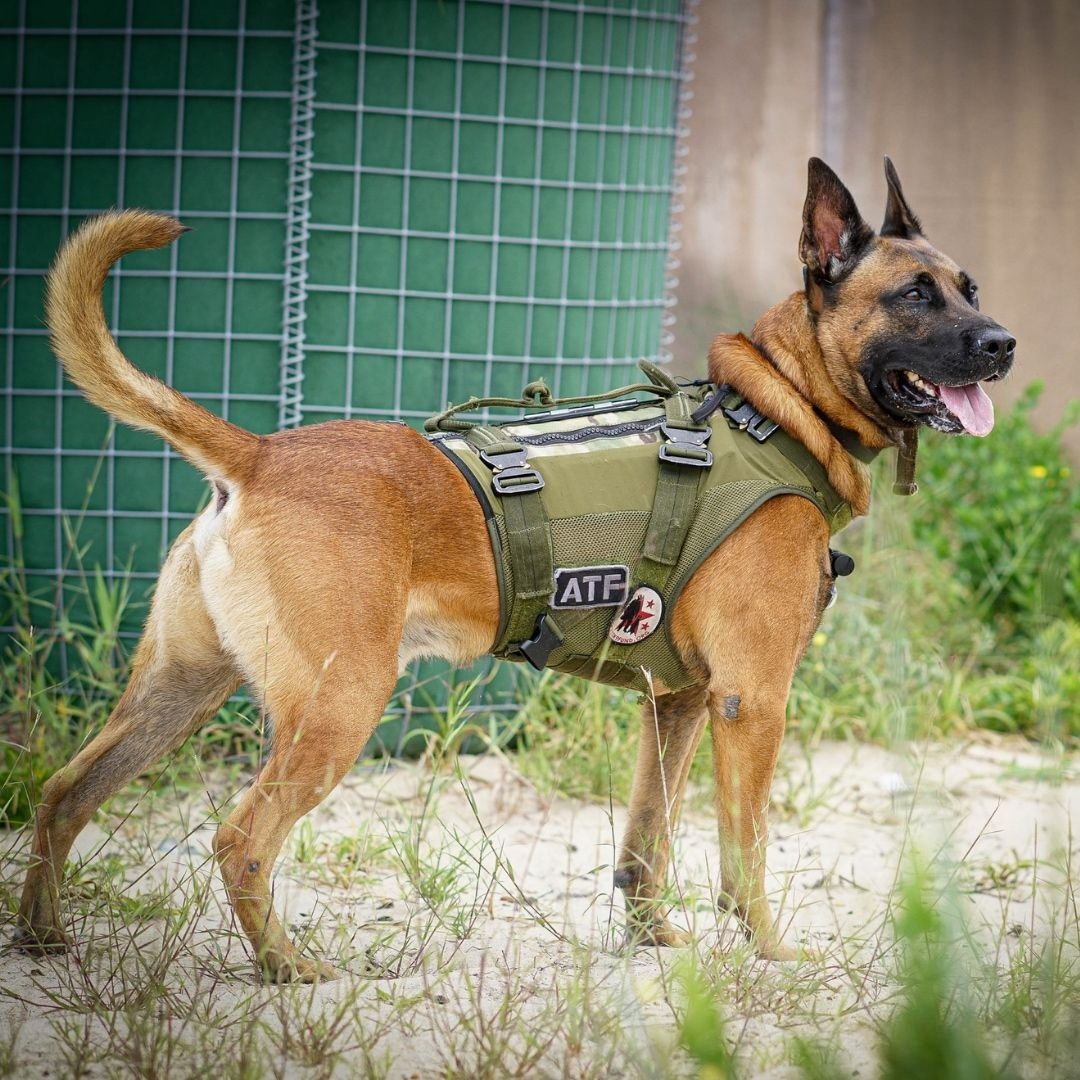
The demand for professional K9 services has grown fast. Airports, warehouses, power plants, schools, and public agencies now use working dogs for detection and security. As demand rises, so does the number of providers. For procurement teams, that creates a real challenge. It is harder than ever to tell real ability from strong marketing. K9 services are not like other service contracts. If a dog or handler fails, the impact goes beyond money. It can lead to safety issues, legal trouble, and public attention. Still, many decisions are shaped by polished case studies, dramatic images, and bold claims of “elite” training. There is also an information gap. Providers know the technical side. Buyers often do not. Learning how to choose K9 provider services using proof over presentation is now a core risk-control step. This guide shows how to do that with clear, practical checks. How to Choose a K9 Provider Without Falling for Misleading Marketing Claims Choosing a K9 provider is unlike selecting most other security vendors. You are not just buying a service. You are trusting a live animal and a human handler to perform under pressure, in uncontrolled environments, with real consequences.  That makes marketing distortion especially dangerous. Below is a practical framework procurement teams can use to separate substance from salesmanship. Why Marketing Claims Are Especially Misleading in the K9 Industry Unlike many regulated industries, K9 services lack consistent global benchmarks. Training standards differ by region. Certification bodies vary in rigour. Even the terminology is inconsistent. One provider’s definition of “operational ready” may be very different from another’s. Marketing fills that gap. Emotional language is common. So are dramatic photos. Dogs in tactical vests. Handlers in staged pursuit scenes. These visuals are powerful. They trigger confidence. But they tell you almost nothing about daily reliability, false alert rates, or long-term performance. There is also a technical knowledge gap. Most procurement teams are not canine behaviour experts. That makes it easier for vague language to pass as expertise. Phrases like “advanced scent theory” or “battle-tested methods” sound impressive. They rarely come with measurable standards. When those gaps exist, the risk quietly shifts to the buyer. If performance later fails, the burden of proof rests on the organisation that signed the contract. Not the marketing department that built the pitch. Common Marketing Tactics That Distort Real K9 Capabilities Certain tactics show up again and again across the industry. None is illegal. All can be misleading if taken at face value. “Elite-trained” is one of the most common labels. It sounds definitive. It is not. Without clearly defined training benchmarks, the term is essentially decorative. Another red flag is inflated performance claims with no statistical context. Detection rates near 100 per cent may look reassuring. In practice, no real-world operational system performs at that level without trade-offs elsewhere, such as increased false alerts. Staged demonstrations are also common. These are tightly controlled environments where success is highly likely. They rarely reflect real deployment conditions: background odours, weather shifts, handler fatigue, or public interference. Some providers emphasise the dog’s appearance, breed, size, and demeanour over functional indicators like response latency, recovery time, and alert consistency. Others lean hard on equipment and aesthetics as a proxy for capability. None of these tactics is proof of fraud. But none of them is proof of performance either. What Buyers Should Demand as Verifiable Proof Marketing claims should trigger questions. Documentation should settle them. At a minimum, procurement teams should request evidence from independent, recognised accreditation bodies. Not all certifications carry the same weight. What matters is whether testing is standardised, repeatable, and externally audited. Testing protocols should be available for review. Buyers should be able to see how scenarios are built, what pass/fail thresholds look like, and how often re-testing occurs. One-time certification tells you very little about ongoing readiness. Handler records matter just as much as canine records. Background screening, experience history, and documented training hours should be available. A well-trained dog paired with an inexperienced handler is a weak system. Proof of continuing evaluation is also critical. Re-certification cycles, refresher training schedules, and performance audits offer insight into long-term reliability, not just onboarding quality. Finally, basic compliance documentation should never be treated as a formality. Insurance coverage, licensing, and regulatory adherence are part of operational risk control, not bureaucratic overhead. Training Quality vs. Marketing Language Training is where real capability is built. It is also where marketing language often drifts furthest from reality. Routine obedience training is not the same as scenario-based operational training. A dog that responds perfectly in a quiet yard may struggle in a crowded, noisy terminal. Buyers should ask what environments are used during training and how distraction is simulated. Scent discrimination is another technical area that is often oversimplified. Reliable detection depends not just on whether a dog can find a target odour, but also on how consistently it ignores non-targets. False alerts erode trust quickly and can disrupt operations. Consistency between the handler and the dog is also critical. Teams that train together perform differently from mixed or frequently reassigned pairs. High turnover among handlers is a hidden performance risk that rarely appears in marketing. Ongoing maintenance training is equally important. Skills degrade. Environments change. Without regular recalibration, performance slowly drifts. When that happens, operational surprises follow. The cost of weak training rarely appears in the first year. It appears later, in missed detections, unnecessary disruptions, and re-training cycles that were never priced into the original contract. Procurement Risk Management When You Choose a K9 Provider Every K9 deployment carries layered risk. Some of it is obvious. Much of it is not. Legal exposure is one dimension. Performance failures that lead to safety incidents can trigger investigations, claims, and regulatory scrutiny. In many cases, contractual language determines where that liability lands. Reputational risk is another. Public trust is fragile. A single visible incident involving a working dog can draw attention far beyond the original event. There is also operational risk. Unreliable detection disrupts workflows. False … Read more