Call Us: (44) 77765-43210

Email Us: info@dogsecurityservices.co.uk

The Most Important Questions to Ask Before Hiring a Dog Security Team
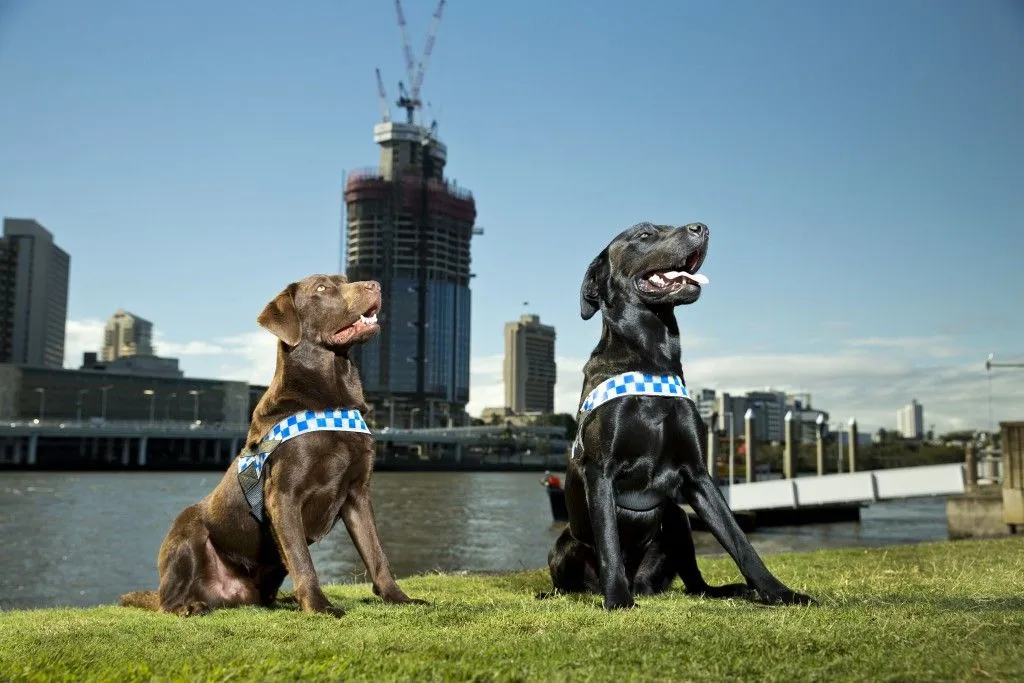
hiring dog team questions

Canine security units are no longer niche assets reserved for military bases or border posts. Today, trained dog teams protect warehouses, ports, industrial plants, data centres, and public venues. For procurement leaders, this creates a new category of risk and reward. The wrong contract exposes you to legal and operational failures. The right one strengthens deterrence, response time, and insurance standing. That is why hiring dog team questions must be approached with the same rigour as any high-liability security procurement. Why Asking the Right Questions Matters in Dog Security Procurement Hiring a dog security team is a different beast from hiring regular guarding services. You’re not just adding manpower. You’re bringing a living asset into your security operation. That changes the legal, ethical, and operational math fast. If something goes wrong, the impact can be severe. Liability claims, regulatory heat, and reputational fallout tend to follow. Without tight due diligence, problems surface late. Sometimes too late. Handlers may lack proper credentials. Coverage turns out to be thin. Operating rules exist only on paper. These gaps don’t just weaken daily protection. They ripple into loss exposure, public safety risk, insurance approvals, and regulatory standing. Handled well, a dog team multiplies security strength. Handled poorly, it becomes a liability you can’t easily unwind. The difference lies in the questions asked before the contract is ever signed. Hiring Dog Team Questions Every Buyer Must Ask Before Signing a Contract What Certifications and Licensing Do the Dogs and Handlers Hold? Certification is your first checkpoint. A real dog security team should have nationally or regionally recognised K9 certificates. These should prove both the dog’s training and the handler’s skills. Background checks should go past criminal records and include work history and past issues. Insurance matters just as much. Every working dog must be covered by a clear liability policy that fits your local laws. You should see proof right away. If paperwork is delayed or unclear, take that as a serious warning. What Type of Training and Specialisation Do the Dogs Have? Not all security dogs serve the same purpose. Some are trained for deterrent patrol. Others specialise in explosive detection, narcotics detection, perimeter tracking, or crowd control. Dual-purpose dogs exist, but they require higher training investment and maintenance. You must validate whether the offered training aligns with your risk profile. A logistics hub requires different canine capabilities than a public transit station. Ask how often dogs undergo recertification and whether that training is externally audited. Training that is not periodically stress-tested degrades fast, often invisibly. How Are the Dogs Selected and Evaluated for Security Work? Breed selection alone does not determine performance. Temperament testing is what separates reliable security dogs from unstable assets. Vendors should demonstrate how they evaluate nerve stability, aggression thresholds, response discipline, and environmental adaptability. Health screening must be documented, not assumed. Under the Animal Welfare Act 2006, organisations responsible for working dogs have a legal duty of care. They must ensure proper health, suitable housing, and protection from harm. That includes orthopaedic checks, sensory testing, and stress resilience assessments. Be cautious with unusually low-cost vendors. Cheap contracts often mirror short training cycles, weak selection standards, and minimal post-deployment support. What Operational Protocols Are Followed During Deployment? Operational discipline is where risk is either controlled or amplified. Ask about shift duration for both dogs and handlers. Fatigue undermines performance faster in canine units than in human-only deployments. Rotation schedules should meet veterinary workload standards, not just staffing convenience. Handler-to-dog ratios must remain strict. One handler per dog is non-negotiable in professional operations. You should also review incident response protocols in writing. How quickly is backup dispatched? Who assumes control during escalation? Vague answers here usually signal weak field governance. What Legal Liabilities and Insurance Coverage Are Provided? Public liability insurance is required, but the coverage amount is just as important as having a policy. You must check that bite injuries, third-party harm, and property damage are clearly included. Many basic policies leave out animal-related claims unless extra coverage is added. Indemnity clauses are just as important. If the contract quietly shifts liability back to your organisation, that is a serious risk. You must see the full policy wording with no delays. If a vendor avoids this or blurs who is responsible for handler actions, stop the process. That risk should not sit with you. How Is Performance Measured and Reported to Clients? Security without visibility quickly becomes security theatre. Professional vendors maintain patrol logs, incident reports, and digital tracking of canine deployments. These records allow you to audit deterrence effectiveness, response times, and compliance with agreed post orders. Ask what KPIs they monitor. Patrol coverage gaps, incident frequency, false alerts, and handler conduct should all be quantified. If performance is not measurable, it cannot be enforced. That undermines the entire value proposition of canine security services. What Happens If a Dog or Handler Becomes Unfit for Duty? Dogs age, become injured, or burn out under sustained deployment stress. Handlers resign, fail audits, or breach protocol. Replacement policies should be explicit within the contract. How fast is a substitute deployed? What happens to service continuity during the transition? Stand-down rules must focus on safety first. You need to know how fast a dog can be removed if behaviour becomes a concern. Backup plans should also cover illness, vet emergencies, and times when a handler is suddenly unavailable. What Are the Full Cost Components Beyond the Base Contract? Base pricing often hides the real cost structure. Training refreshers, veterinary care, equipment replacement, transport vehicles, and housing facilities may sit outside the headline rate. Some vendors bill these as ad-hoc surcharges. A complete cost model should include lifecycle expenses across the entire contract term. If pricing transparency is thin, procurement exposure rises. Hidden cost inflation quietly erodes ROI and destabilises budgeting projections. Key Documentation to Request Before Finalising a Dog Security Contract A compliant vendor will treat document requests as routine, not intrusive. Request verified training certificates for each dog-handler pair. These … Read more
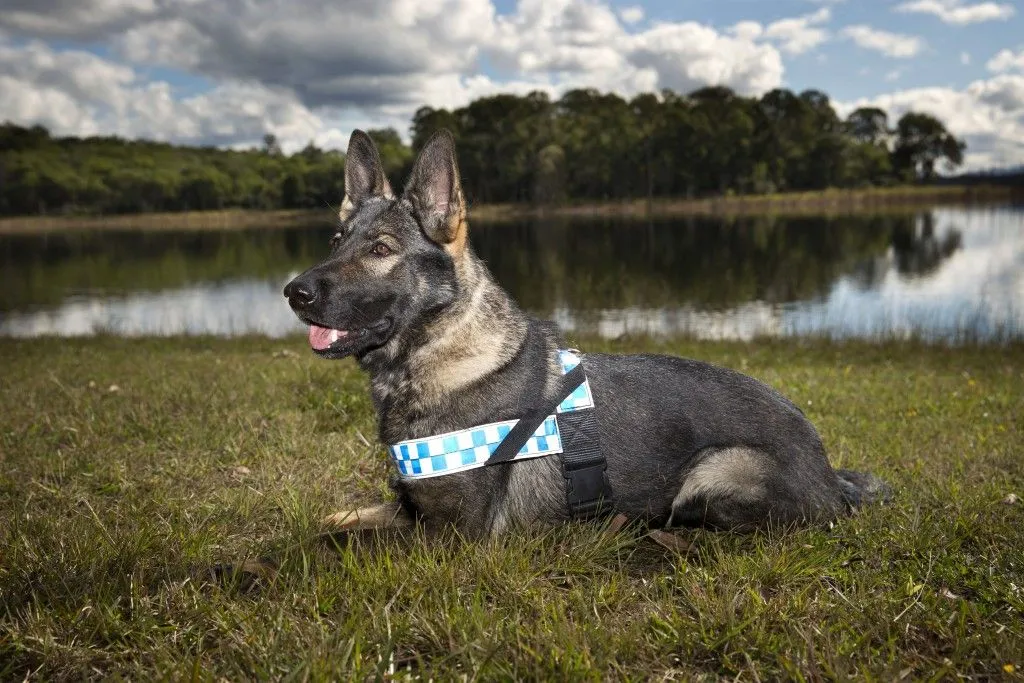
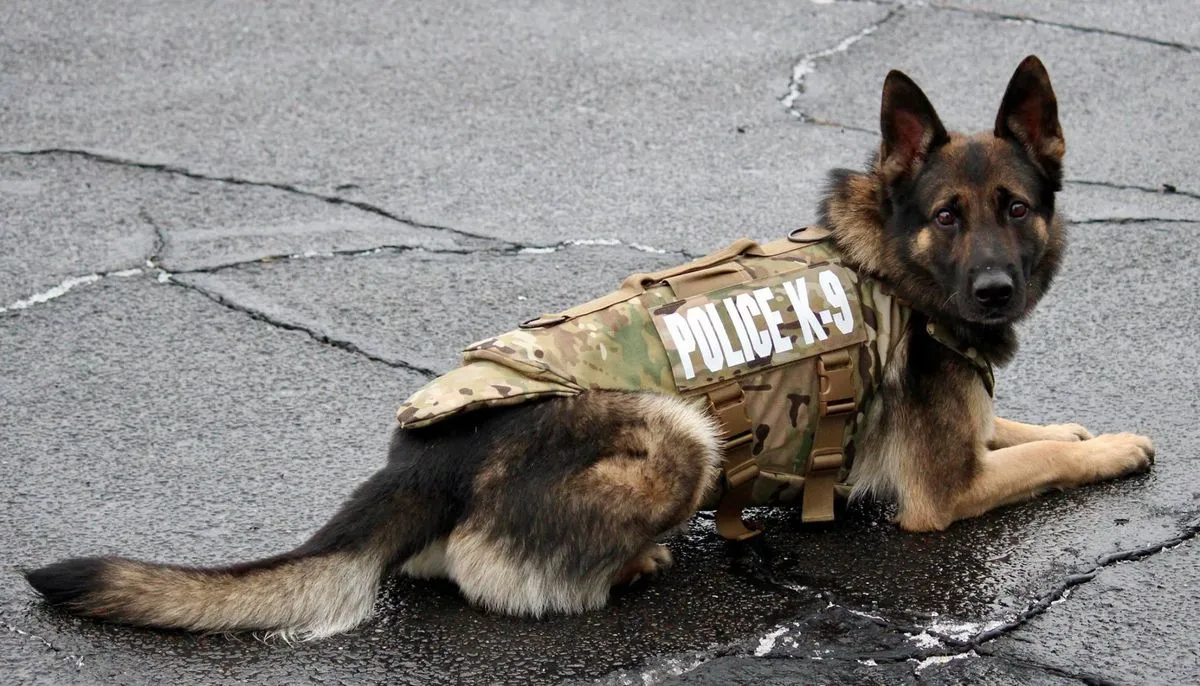
How to Audit K9 Providers and Identify Serious Operational Red Flags

audit k9 provider

Procuring K9 services is not like sourcing uniforms or vehicles. You are acquiring a living operational asset paired with a handler who may operate in high-risk, legally sensitive environments.  When things go wrong with a K9 deployment, the consequences are rarely minor. They can involve injuries, lawsuits, public scrutiny, and long-term reputational damage. That is why vendor vetting alone is no longer enough.  A structured audit is now a procurement necessity. To properly audit K9 provider, decision-makers must look beyond marketing language and focus on documentation, operational controls, and measurable performance indicators that stand up under scrutiny. Why K9 Provider Audits Are a Critical Part of Modern Procurement Most vendor reviews stop too early. Teams check a license, skim a few references, glance at an insurance certificate, and move on. For K9 providers, that kind of review is thin protection at best. These vendors sit in a high-risk zone where security work, public safety, animal care, and legal exposure all collide. When one piece fails, the fallout spreads fast. K9 security services carry risks that normal guard work does not. Force may be used. Animals must be protected by law. Evidence must hold up in court. A single mistake can affect an investigation, a courtroom outcome, or a public reputation. Public agencies face open-record rules, civil-rights scrutiny, and strict buying laws. Private companies deal with insurers, investors, and brand trust. Different pressure points, same outcome when a K9 provider fails, real damage that lasts beyond one contract. A proper audit changes the tone of the decision. It replaces trust with proof. It creates a record that holds up after an incident, not just before one. And when a third party gets involved, bias drops and confidence in the process rises. The Right Way to Audit K9 Provider and Uncover Hidden Issues When procurement teams audit a K9 provider, the goal is not to catch minor paperwork errors. The goal is to confirm that the provider operates a complete, legally defensible, and ethically sound K9 program.  This requires a structured review across licensing, personnel, animal welfare, operations, performance data, contracts, and digital security. Weakness in any one of these areas compounds risk across the entire deployment. Verifying Licensing, Legal Registration, and Insurance Coverage Start with the basics, but don’t rush them. Check who the company really is on paper. The legal name on the contract should match the one on public records. You’d be surprised how often it doesn’t. Shell companies and layered registrations still show up in K9 procurement. Then look at licensing. Not just the generic business kind, but any K9-specific approvals tied to local or state rules. Detection work, patrol dogs, narcotics units; many areas treat these differently. Most of this can be verified online in minutes. Insurance needs a closer look than a quick glance at a certificate. Confirm liability, professional cover, workers’ compensation, and any dog-specific policies. Read the fine print. Some policies quietly exclude bites or detection errors. If something feels off, call the underwriter. Expired cover, vague terms, or hard-to-trace insurers are clear warning signs. Reviewing Handler Qualifications, Training Records, and Certifications K9 effectiveness lives or dies with handler competence. Background checks should be current and documented. Look for prior disciplinary actions, criminal history where relevant, and employment verification. Training records should show structured programs with defined hourly requirements. Third-party certifications carry more weight than in-house credentials, which are often unstandardized. Continuing education is another key indicator. K9 work evolves with new legal standards, detection methodologies, and safety protocols. Watch for warning signs such as missing documentation, self-issued certificates with no external validation, or training logs that appear templated or inconsistent. These often suggest weak internal controls. Evaluating Dog Sourcing, Health Records, and Welfare Standards Where a K9 provider gets its dogs matters. A reliable provider can show clear records of where each dog came from. This may be a certified breeder, a training program, or a verified rescue.  Every dog should also have full vet records, including shots, routine checkups, and spay or neuter status when required. Not every dog fits every job. Detection, patrol, and dual-purpose work each need different traits. If a provider says all dogs can do all tasks, that is a warning sign. Retirement and rehoming plans often get ignored, but they matter. A high number of dog replacements, missing vet files, or unclear care policies are serious red flags. They point to poor planning and possible welfare issues. Operational Readiness, Deployment Protocols, and Supervision Models A strong K9 program follows clear written rules. These rules should cover how dogs are used, how shifts work, when dogs rest, how emergencies are handled, and how teams deal with the public. Always ask to see these rules. If they are not written down, that is a serious concern. Good shift planning is critical. Tired handlers and worn-out dogs make mistakes. A reliable provider keeps backup K9 teams ready in case of illness, gear failure, or sudden demand. Supervision also matters. There should be clear leaders, set steps for reporting problems, and regular reviews of K9 work. Warning signs include loose oversight, no written authority, and no clear way to report serious incidents. Performance Metrics, Incident Reporting, and Use-of-Force Documentation Performance data separates credible K9 programs from those that merely claim effectiveness. Detection deployments should include measurable success rates, false alert tracking, and periodic validation testing. Patrol deployments should track deployments, apprehensions, and bite incidents with contextual review. Incident reporting must be standardised. Every significant deployment, especially those involving force, should generate a formal report reviewed by supervision. Internal reviews should occur regularly, with escalation to a third-party review where warranted. Refusal to disclose historical performance data is one of the clearest warning signs in a K9 audit. So is the absence of bite logs, inconsistent reporting formats, or unexplained data gaps. These deficiencies expose buyers to extreme downstream liability. Contract Transparency, Service Level Agreements, and Liability Clauses The contract governs accountability when things go wrong. Indemnification language should be balanced … Read more

Why Welfare Reporting Is Mandatory for All Working Security Dogs

working dog welfare reporting

Working security dogs do not experience “normal” workdays. Their shifts are unpredictable. Calm can turn to chaos overnight. As sound builds, people move differently, and conditions change without warning, the dog never disengages. That level of demand does not leave visible marks straight away. Fatigue builds quietly. Stress settles in before anyone names it. That is why it is not enough for welfare oversight to be based on trust, experience, or good intentions. Such factors are important, but they cannot be regarded as proof. This is where working dog welfare reporting sits. Not as a preference. Not as a courtesy. As a formal, recorded system that tracks how the dog is coping with the work it is asked to do. It applies across all sectors using dog security services, regardless of size or complexity. When done correctly, welfare reporting safeguards the animal, helps the handler, and protects the organisation which is responsible for both. More and more, it is being seen as the minimum standard of compliance, not a voluntary addition. What Welfare Reporting Means in Working Security Dog Operations Welfare reporting in operational settings is often misunderstood. It is not about creating paperwork for its own sake. It is about capturing reality over time. Welfare Reporting Vs General Animal Care Records General care records tend to focus on routine needs such as  They are useful but static. Welfare reporting is dynamic. It links the condition to the workload. It records how the dog responds to real deployments, not just how it looks at rest. In working environments, that difference matters. The job itself creates strain. Reporting is how that strain is tracked. Why Working Dogs Are Treated Differently From Domestic Animals Domestic dogs live in predictable spaces; however, working dogs do not. They encounter stress, repetition, noise, pressure, and risk as part of their role. Because of that, welfare cannot be assumed from appearances alone. A dog can look fit and still be overloaded. Active monitoring exists to catch what casual observation misses. Why Welfare Reporting Is Mandatory, Not Optional Working Dogs Are Deployed Assets, Not Passive Animals A working security dog is not simply present on site. It is engaged, moving, responding, and processing. The work demands physical output and sustained focus. Performance changes before welfare issues become visible. Reaction times slow, decision-making shifts, and reduced safety margins follow. Working dog welfare reporting creates a link between what the dog is asked to do and how it handles that demand. Without records, decline happens quietly. Not because people are careless, but because gradual change is hard to notice without evidence. Reporting turns that invisible process into something measurable. Welfare Reporting Protects Dogs from Overuse and Burnout Burnout rarely arrives suddenly in pieces. A dog takes longer to settle after a shift. Recovery stretches. Engagement dips in certain environments. These signals are easy to dismiss when schedules are full, and sites still need coverage. Welfare reporting slows that drift. It forces reflection. It makes small patterns harder to ignore. Once written down, trends become visible. Certain sites create more strain. Certain shift lengths push recovery too far. Intervention can happen earlier, before strain becomes injury or withdrawal. This is not about limiting capability. It is about protecting it. Mandatory Reporting Reduces Legal, Ethical, and Reputational Risk When incidents occur, documentation matters. Verbal assurances fade, memories conflict, and intentions cannot be verified. Welfare reporting provides evidence of the duty of care. It shows that well-being was monitored, reviewed, and acted on. It demonstrates that decisions were informed by recorded observation, not hindsight. Across industries using working animals, scrutiny is increasing. Clients ask questions, and regulators expect proof. Working dog welfare reporting answers those expectations without defensiveness. It shows that welfare is built into operations, not added later. Reputational damage often begins with missing records, not misconduct. Handler Accountability Depends on Recorded Welfare Evidence Handlers operate in real time. They judge fatigue, assess risk, decide when to continue and when to stop. Without records, those decisions can be questioned unfairly after the fact. Welfare reporting provides context. It explains what the handler saw and why a choice was made. It also improves communication. Supervisors gain insight into daily realities. Clients receive transparency without micromanagement. Accountability becomes shared rather than isolated. In this way, reporting protects people as much as dogs. Welfare Reporting Ensures Consistency Across Multi-Site Operations Informal systems struggle as operations grow. What works on one site rarely scales cleanly to ten. Standardised welfare reporting creates continuity. A dog’s condition does not reset with a new shift, handler, or location. Records travel with the animal, and patterns remain visible. For organisations expanding dog security services, this consistency prevents silent drift. Welfare standards stay aligned across contracts, not diluted by circumstance. What Proper Welfare Reporting Must Capture Effective welfare reporting is selective, not excessive. It focuses on information that shows how work impacts the dog over time. The DEFRA Code of Practice for the Welfare of Dogs explicitly defines welfare as including mental wellbeing and environmental factors. That definition aligns directly with your reporting argument. Physical Condition and Recovery Indicators Fitness levels, minor injuries, and recovery speed provide insight into whether the body is coping. One note means little; patterns matter. Behavioural and Psychological Observations Stress responses, engagement levels, and behavioural changes often appear before physical issues. Recording them adds the depth that numbers alone cannot provide. Environmental and Deployment Conditions Heat, surface type, noise, shift length, and exposure all shape welfare outcomes. Context gives meaning to observation. Consequences of Poor or Missing Welfare Reporting Without reporting, decline becomes normalised. Dogs push past safe limits, handlers absorb pressure, and small issues grow quietly. On an organisational scale, lack of evidence leads to an expanding risk. As insurers raise doubts about the exposure, contracts undergo scrutiny, and the absence of proof causes credibility to disappear. Poor welfare reporting rarely causes problems directly. It leaves organisations unable to show they prevented them. How Welfare Reporting Supports Sustainable K9 Operations Continuity is the … Read more

How Security Teams Use K9 Data Logs to Strengthen Vulnerable Site Areas

k9 logs strengthen security

Security failures are rarely sudden. They build quietly. A weak area is passed repeatedly, fades from attention, and eventually becomes a problem. Most sites do not lack patrols. They lack memory. What was noticed on one shift disappears on the next. Patterns never fully form. By the time a vulnerability is obvious, it has already been tested. This is where k9 logs strengthen security in a practical way. Not by recording activity for compliance, but by preserving early signals that would otherwise vanish. Data logs direct focus before risk turns visible. This article explains why security teams depend on K9 data logs to reinforce vulnerable areas, not how those logs are written. Understanding Vulnerable Site Areas in Modern Security Operations What Makes an Area Vulnerable Over Time Vulnerability is not a label. It is a condition. An area becomes vulnerable when attention drops, behaviour shifts, or the environment changes. Risk can develop slowly or appear suddenly. Small changes like new routes, lighting adjustments, or temporary structures are often the cause. What matters is that vulnerability moves. It does not stay where it was first identified. Yesterday’s safe zone can become today’s weak point without any obvious trigger. Security that relies on static assumptions falls behind quickly. Why Visual Patrols Alone Miss Early Indicators Human patrols detect events more easily than slow-forming risk. One odd behaviour is easy to dismiss. A second might be forgotten. By the third, a pattern exists, but only if someone remembers the first two. Shift changes break continuity, and verbal handovers lose detail. What once felt important fades into routine. Without records, early indicators dissolve. Vulnerability grows not because no one looked, but because nothing was held. The Purpose of Using K9 Data Logs to Strengthen Vulnerable Site Areas Turning Canine Behaviour Into Usable Security Signals Dogs respond to change before people do. They react to unfamiliar presence, altered environments, and subtle behavioural tension. These reactions are instinctive. On their own, they are fleeting. When those responses are logged properly, instinct becomes signal. A reaction gains context. Time, place, and behaviour link together. This is the first way k9 logs strengthen security. They convert momentary awareness into information that survives beyond the patrol itself. Identifying Patterns That Human Memory Cannot Track A single alert means very little. Repetition means everything. K9 data logs show where interest repeats, how often it occurs, and whether it intensifies. They reveal slow changes that no single shift would notice in isolation. Patterns emerge across days and weeks. Certain zones attract attention. Certain times coincide with behavioural change. Vulnerable areas begin to define themselves. This is how k9 logs strengthen security without adding more patrols or more people. They let the site speak through repetition. Separating Perceived Risk From Actual Risk Some areas feel dangerous because they are busy, while others are dangerous because they are quiet. High-traffic spaces attract attention and resources, while low-visibility areas are easier to miss. Over time, assumptions form and “nothing ever happens there” becomes an accepted truth. K9 logs challenge that thinking. When dogs show repeated interest in areas assumed to be safe, data forces reassessment. Risk is redefined by behaviour, not belief. This prevents security teams from reinforcing the wrong places while real exposure grows elsewhere. Strengthening Weak Zones Without Increasing Coverage Adding coverage is the default reaction. It is also the most expensive. K9 data logs allow teams to focus attention instead. Patrol depth increases where logs indicate a change. Other areas remain stable. This targeted reinforcement reduces fatigue and avoids unnecessary presence. Security becomes precise rather than broad. Here, k9 logs strengthen security by sharpening focus, not expanding footprint. Detecting Environmental Changes That Create Exposure Most vulnerabilities begin with change. A construction project alters sightlines. Temporary lighting reduces visibility. Access routes shift to accommodate operations. None of these triggers alarms. Dogs notice immediately. Their behaviour shifts when environments no longer feel consistent. Logs capture these reactions early. They mark the moment exposure begins, not the moment it fails. That timing makes all the difference. Supporting Evidence-Based Security Adjustments Security decisions must be justified. Route changes, lighting upgrades, access controls, and physical barriers all carry costs. Without evidence, concerns are questioned, delayed, or reduced. UK guidance on managing risk over time, including that from the Health and Safety Executive, highlights the importance of recorded observations. These records help detect change early and support proportionate preventative action. K9 data logs provide that evidence. They show why an adjustment is necessary and where it should apply. Decisions gain credibility when they follow documented patterns rather than instinct. Evidence-based changes are more likely to be approved and more likely to work. Preventing Repeat Exposure Through Historical Comparison Fixing a vulnerability once does not end the risk. Historical logs allow teams to compare periods before and after changes.  If not, the vulnerability remains. This comparison prevents repeat exposure. It stops teams from assuming a fix worked simply because nothing happened yet. Over time, k9 logs strengthen security by tracking whether reinforcement actually reduced risk or merely delayed it. Reducing Subjectivity in Security Decision-Making Verbal reporting changes with every retelling. Tone shapes how issues are prioritised, and memory alters the details. Over time, context fades, and the same issue sounds smaller than it was. Logs remove that distortion. They create a shared reference point across teams and shifts. Everyone works from the same information. This consistency improves trust within operations. Decisions feel fair, grounded, and defensible. Aligning K9 Reporting With Broader Security Systems K9 data becomes more powerful when it is not isolated. When logs are reviewed alongside CCTV, access records, and incident data, patterns become clearer. One system confirms another, and gaps are revealed. This alignment is where experienced K9 security services add strategic value. Not through presence alone, but through integration. Creating Accountability Around Known Weak Points Once a vulnerability is logged, it exists. It cannot be ignored without intent, but it demands a response. Weak points stop being theoretical concerns and become operational responsibilities. … Read more

Why Accurate Dog Activity Reports Improve Overall Site Security Assessments

dog activity report benefits

Security assessments do not succeed on confidence alone. Their success is built on evidence rather than opinions or assumptions. For sites that rely on K9 patrols, that evidence lives inside dog activity reports. Not as paperwork, but as intelligence. Every patrol produces behavioural cues, environmental signals, and site-specific data. When those details are captured accurately, they shape how a site is graded, insured, funded, and defended. That is where dog activity report benefits become measurable rather than theoretical. Assessors use reports to understand real risk, not perceived risk. They rely on them to build threat profiles, set priorities, and recommend mitigation that matches what is actually happening on the ground. When reporting is precise, security decisions improve. When it isn’t, everything downstream weakens. The Role of Operational Data in Modern Security Assessments Security assessments are only as strong as the data feeding them. And operational data sits at the centre of that process. How Assessors Interpret On-Ground Activity Evidence Assessors are trained to separate noise from signal. Anecdotal feedback, even when well-intentioned, carries limited weight. It lacks consistency and fades with time. Recorded activity is different because it shows patterns, frequency, and change. One alert means little on its own. Ten alerts in the same zone, across different shifts, tell a story. Assessors read that story closely. They look for repetition, escalation, and gaps. This is why they trust recorded patrol outcomes over verbal summaries. Why K9 Patrol Data Carries Higher Assessment Weight Dogs react before incidents occur. They pick up on tension, unfamiliar presence, and environmental disruption long before something turns visible. Real value comes when these reactions are captured correctly. This means following security dog deployment best practices, such as those outlined by NASDU, so reports remain operationally useful and assessment-grade. When reactions are recorded accurately, they act as early indicators rather than hindsight warnings. They signal a change before issues escalate. Assessors value this because it moves a site from reactive defence into informed prevention. It gives them evidence of risk that hasn’t yet turned into loss. What Makes Dog Activity Reports Assessment-Grade Evidence Not all reports deserve a place in a security assessment. Accuracy decides that. Precision Over Volume in Security Documentation More entries do not mean better insight. In fact, excessive logging often weakens assessments. It buries meaningful detail under routine notes. Assessors prioritise relevance, clarity, and patterns they can verify. Bloated reports lose credibility, while precise ones hold attention. The Value of Time-Stamped, Location-Specific Observations A reaction without context has limited value. When behaviour is linked to time, patrol route, and zone, it becomes usable. Assessors can map risk realistically. They see which areas attract repeated attention and which remain quiet. This supports threat modelling that reflects the site’s actual layout, not its assumed weak points. Operational Gaps Revealed Through Accurate Reporting Good reports don’t flatter a site. They challenge it. Identifying Blind Spots In Patrol Coverage Inconsistent patrol depth shows up quickly in accurate records. Missed zones, rushed checks, and repeated gaps in the same area become clear. Assessment teams flag these instantly, not to criticise, but to recalibrate coverage. Behavioural Anomalies That Signal Future Risk Changes in a dog’s response matter. Increased alertness in quiet zones, repeated interest without a visible cause, and subtle shifts over time all signal change. When these patterns are recorded accurately, they signal risk before loss occurs. When they aren’t, early warnings disappear. How Dog Activity Reports Improve Site Security Assessments This is where reporting moves from record-keeping into strategic impact. Accurate dog activity reports shape how assessors understand risk. They change how sites are scored. They influence recommendations, budgets, and long-term security posture. The dog activity report benefits here are structural, not cosmetic. Improving Threat Accuracy, Not Just Threat Visibility Visibility alone doesn’t improve security. Accuracy does. Assessments built on assumptions often overprotect the wrong areas and underprotect the real risks. Accurate reports correct that. They validate suspected threats or quietly disprove them. When assessors see consistent K9 responses in specific zones, they stop guessing. As threat models sharpen, defensive focus shifts and resources are allocated where they matter. Strengthening Risk Scoring And Priority Setting Risk scoring is comparative. Sites are ranked against their own history and against others like them. Accurate reporting feeds this process with reliable data. Assessors can justify why one site requires higher mitigation than another. They can explain why certain risks are elevated and others are not. Sites with strong K9 reporting receive more precise security grading, not harsher, but clearer. Supporting Evidence-Based Security Recommendations Every recommendation in an assessment must be defensible. Lighting upgrades, fence reinforcement, and access control changes carry cost. Accurate reporting gives assessors the proof to justify themselves. Without reporting, recommendations feel generic. With it, they become targeted, and spending follows evidence instead of habit. Enabling Consistent Reassessment Over Time Assessments are not static. They are revisited, compared, and re-scored. Dog activity reports act as benchmarks. Assessors track improvement, stagnation, or deterioration. They see whether previous recommendations worked or missed the mark. This continuity only exists when reporting is consistent and accurate across time. Enhancing Insurer And Stakeholder Confidence Insurers rarely accept reassurance without proof, as verbal assurance fades while documentation remains. Accurate K9 activity reports demonstrate active risk management. They show a site is monitored, not just staffed. For insurers and senior stakeholders, that distinction matters. This is one of the quieter dog activity report benefits, but one with real financial impact. Linking Patrol Outcomes To Wider Site Security Strategy No assessment looks at K9 patrols in isolation. Reports are cross-referenced with manned guarding logs, CCTV events, and access data. When these systems align, assessments gain depth. Within layered security models that include professional dog security services, accurate reporting provides visibility across each layer. Assessors can see how those layers support one another rather than operating blindly. Risks of Inaccurate or Incomplete Dog Activity Reporting Poor reporting does not simply fail to help. It actively harms assessments. False Confidence and Misgraded Sites Inaccurate reports inflate … Read more

How K9 Providers Maintain Detailed Incident Logs After Each Patrol Event

k9 incident logs

A patrol may conclude in the moment, but its value continues beyond the shift. The lasting element is the record created. That record determines how actions are reviewed, how judgement calls are defended, and how responsibility is measured. Post-patrol documentation exists for reasons far beyond internal organisation. It preserves clarity when memory fades and protects actions taken in fast-moving conditions.  This is where k9 incident logs hold their weight. They are not paperwork in the background. They are structured records that extend operational control beyond the patrol itself. Done properly, they turn brief moments on site into dependable evidence that can be reviewed, tested, and trusted. Why Post-Patrol Documentation is Operationally Critical Patrol work is rarely evaluated in the moment. It is examined afterwards, often by people who were never present. That delay changes everything. Incident records become the only reliable reference point. They show when a patrol occurred, what was covered, and how situations were handled. Even patrols where nothing occurs still matter, as silence confirms coverage and presence confirms control. Without documentation, those confirmations vanish. Logs bridge the gap between physical patrol activity and organisational oversight. They allow decisions to be reviewed without guesswork and provide continuity between shifts, supervisors, and long-term audits. What Constitutes an Incident During a K9 Patrol An incident is not defined by intensity. It is defined by deviation. Operationally, an incident occurs when something alters the expected patrol environment.  These are observable events, and they do not rely on interpretation. Routine patrol notes exist to document continuity, while incident records exist to document change. Maintaining that separation prevents reports from drifting into interpretation or opinion. Only observable facts and required actions are recorded. Information Captured Immediately After a Patrol Event Before a formal log exists, information is gathered. This stage is fast and factual. Time, Location, and Patrol Context Each patrol is anchored by recorded start and end times, with all covered zones identified. Any conditions that affected movement or visibility, such as lighting, weather, or physical obstructions, are documented. This ensures later understanding without editorialising the record. Individuals, Assets, and Points of Contact Any presence encountered is recorded exactly as observed. People, vehicles, access points, or assets. No assumptions are made about intent or purpose. The record reflects observation only. Canine Deployment Notes Any canine involvement is recorded carefully and without embellishment. Observations note only passive presence, alert behaviour, or withdrawal. Wording stays factual and measured, with no emotional or speculative language. Maintenance of Incident Logs After Patrol Completion Once the patrol ends, reporting discipline begins. This stage determines whether a log remains useful months later or collapses under review. Transition From Field Notes to Formal Records Field notes are not the record. They are raw material. They are converted into structured entries while details are still clear. Same-shift completion matters because memory erodes quickly. Facts are separated from commentary. What occurred is recorded. Why it might have occurred is left out. At this point, k9 incident logs move from personal reference to organisational document. Structured records for security dog operations and handler conduct are supported by the National Canine Training and Accreditation Scheme. The scheme promotes consistent, accredited standards for canine capability and reporting. Language Control and Neutral Reporting Standards Language is where reports succeed or fail. Neutral phrasing protects accuracy. “Observed individual near access gate” records fact. Anything beyond that introduces judgement. Consistency matters just as much. When multiple handlers patrol the same site, their reports must read as one system. This is especially important within professional K9 security services. Patrol logs are often reviewed by individuals far removed from the patrol itself. Consistent language strengthens K9 incident records by removing ambiguity. Chronological Structuring of Events Events are recorded in the order they happened. No rearranging and no hindsight. Timestamps anchor credibility by establishing response timing and sequence. When gaps appear, they invite questions, and retroactive edits raise concern. A clean, continuous timeline addresses both. Review and Verification Processes Completed logs are reviewed before finalisation to confirm clarity and completeness. Any errors are corrected through defined processes rather than silent edits. Once verified, records are locked. This preserves integrity and prevents later alteration. At this stage, k9 incident logs become fixed references rather than editable notes. Secure Storage and Access Control Storage is about control, not convenience. Whether records are digital or written, access is limited to authorised roles. Retention remains consistent across patrol types to avoid historical gaps. Secure handling ensures logs remain available when required and protected when not. How K9 Incident Logs Support Accountability and Traceability Accountability depends on traceability. Logs create a clear trail showing who was present, what was observed, and how situations were managed. That trail protects both provider and client. When questions arise, the log becomes the reference point, not memory or interpretation. In reviews or disputes, that clarity often determines the outcome. Common Reporting Failures and How Providers Avoid Them Most reporting failures follow patterns. Experienced providers prevent these issues through disciplined timing, controlled language, and clear responsibility. The aim is precision, not volume. How Incident Logs Fit Into Broader Reporting Frameworks Within the broader reporting framework, incident logs serve a specific role. Daily summaries capture the overview, and incident records provide depth. These logs feed internal reviews and long-term analysis without overlapping with training, welfare, or performance documentation. Separation keeps each record type purposeful and prevents misuse. Conclusion Incident reporting is not something added at the end for form’s sake. It is part of the operation itself. What happens during a patrol does not lose importance once the route is complete. It carries forward into how events are recorded and remembered. Accuracy matters. Timing matters just as much. Neutral language decides whether a record can stand on its own later.  When handled well, k9 incident logs keep events clear long after details would normally fade. They support decisions already made and give structure to later review. Systems may change, but the core idea does not. Clear observation, careful recording, and … Read more

How Dogs and Handlers Collaborate Perfectly to Control Dangerous Situations 

dog handler collaboration

Dangerous situations rarely arrive in neat shapes. They are loud, uneven, and full of movement. People shout. Spaces close in. Decisions compress into seconds. In those moments, no single handler and no single dog controls the outcome alone. Control comes from how the two work together. This is where dog handler collaboration becomes more than a working phrase. It describes a shared process. One reads instinct, while the other reads context. One reacts faster than thought. The other slows things down just enough to prevent mistakes. This article looks at that shared space. Not training routines or rules. Not bravado. It focuses on how decisions are shaped together and how risk is read in real time. Trust replaces spoken instruction when pressure removes the chance to think out loud. Understanding Collaboration in High-Risk K9 Operations Why Collaboration Matters More Than Individual Skill Skill and experience matter. But both have limits under pressure. Dogs detect threats faster than humans. They sense chemical changes, tension, and movement before a handler can consciously register them. Handlers, in turn, understand the wider context. They read crowds, boundaries, and consequences that a dog cannot interpret. As pressure increases, gaps form. Collaboration bridges them, with the dog offering early warning and the handler applying judgement. Together, they prevent either side from acting in isolation. This balance matters most when situations shift without warning. Difference Between Command-Based Handling and Collaborative Response Commands assume order. They work best when environments are predictable. In those moments, collaboration replaces instruction. A shift in posture and a change in leash tension are easy to miss. Even a half-second pause can signal something important. These are not tricks. They are shared habits built through time and exposure. Collaboration adapts to chaos because it does not rely on perfect conditions to function. How Dogs Read Danger Before Humans Do Scent, Micro-Movement, and Behavioural Change Detection Dogs do not wait for events to unfold. They react to what is about to happen. These signals arrive before words, before gestures, before intent becomes obvious. Dogs process them quickly and without hesitation. This ability gives early warning. It does not give certainty. That difference matters. When a Dog Signals Risk Without an Obvious Cause A dog may react even when everything seems normal. No voices are raised, no movement stands out, only tension. Handlers face a choice here. Dismiss the signal or pause long enough to reassess. Trust does not mean blind obedience. It means allowing space for instinct to surface without forcing immediate action. In high-risk environments, hesitation can be information. How Handlers Interpret and Regulate Canine Response Preventing Overcommitment in Volatile Situations Dogs commit fully once arousal passes a threshold. That commitment is powerful. It is also difficult to reverse. Handlers regulate that edge. They manage distance, angle, and pace. They slow forward momentum without shutting it down entirely. Containment often matters more than engagement, especially when situations remain unclear. Reading arousal levels becomes a quiet skill. Too much restraint dulls response. Too little creates risk. Handler’s Decisions that Protect Both Dog and Environment Handlers also act as filters. They consider crowd density, confined spaces, and the presence of vulnerable people nearby. A dog may sense a threat, but the handler decides how that response fits into the wider scene. This regulation protects everyone involved. It keeps reactions proportional and prevents escalation where control would be lost. Real-Time Decision Sharing in Dangerous Situations Communication Without Words Under Pressure Verbal communication collapses first under stress. Noise swallows commands. Distance breaks clarity. The signals are physical rather than verbal. Leash pressure shifts, body position moves off-line, breathing changes, and micro-pauses break continuity. These cues form a language built through repetition, not instruction. In moments where seconds matter, this silent exchange carries more meaning than shouted orders ever could. When the Dog Leads and the Handler Follows There are times when hesitation from a dog signals danger ahead. A doorway is approached too carefully. A corridor is entered at an angle, with a pause where speed would normally appear. Handlers learn when to allow that lead. Not forever, and not blindly. But long enough to gather more information. These moments of trust cannot be scripted. They are earned through shared exposure and calm reflection after incidents pass. This aspect of dog handler collaboration relies on confidence without ego. When the Handler Overrides Canine Momentum Clear limits exist. Environmental hazards, legal boundaries, and confined spaces can make engagement unsafe. Dogs do not see these limits. Handlers do. Override decisions are not corrections. They are protective acts. They redirect energy, reduce distance, or halt progression entirely. Good handlers override without frustration. They do not punish instinct, but they reshape it. Managing Unpredictability: Suspects, Crowds, and Confined Spaces In these conditions, collaboration becomes a constant adjustment. False threat cues appear. Innocent movement triggers arousal. Handlers regulate pace. Dogs recalibrate focus. This balance is tested often in operational settings such as dog security services. Environments shift quickly, and control must stay visible without becoming aggressive. Recovery and Recalibration After High-Risk Engagement Danger does not end when the situation resolves. Arousal lingers. This recalibration prevents carryover into the next encounter. Recovery is part of control, and ignoring it invites errors later. Risk, Trust, and Accountability in K9 Collaboration Trust Built Through Exposure, Not Repetition Trust grows in uneven conditions. Controlled unpredictability teaches both sides how the other responds under strain. Repetition alone does not create reliability; however, exposure does. Handlers also learn their own limits. Awareness of hesitation, bias, or overconfidence shapes better decisions later. Accountability When Decisions Are Shared Collaboration does not remove responsibility. It concentrates it. The handler remains accountable for outcomes. Shared decision-making does not dilute liability. It improves judgement. Knowing this keeps collaboration grounded and prevents over-reliance on instinct alone.  This approach mirrors established operational guidance on police dog handling. Responsibility remains with the handler, even when canine instinct informs the response. Limits of Collaboration and Common Failure Points Situations Where Collaboration Breaks Down When fatigue sets … Read more

How Security Dogs Reduce Car Park Vandalism and After-Hours Criminal Behaviour

dog reduce car park vandalism

Car parks turn into different places after dark. A lot of things that seem familiar during the day could very quickly turn into something different when shops close, offices empty, and fewer people are around. Cars are left without anyone attending to them. Spots go quiet. Usually, little pieces of vandalism are the first that happen and then the behaviour becomes more daring once the offenders see nobody is watching them. Most sites rely on passive controls. Lighting, warning signs, and static CCTV are common. They help, but only to a point. They observe more than they prevent. That gap is where problems grow. This is why many operators now look beyond fixed systems. Patrol-based security introduces uncertainty, and uncertainty changes behaviour. When people know they may be seen, challenged, or intercepted, decisions shift. In this context, it becomes clear how dog reduce car park vandalism not through force, but through presence. Used properly, security dogs act as a preventative layer, addressing risk before damage or confrontation takes place. Patterns Behind After-Hours Car Park Crime Why Car Parks Become Targets After Closing Time After-hours environments share the same weaknesses. Reduced foot traffic removes natural witnesses. Quiet periods become predictable, especially in retail and office locations. Natural surveillance drops off quickly once businesses close. Offenders notice this pattern. The perception of low intervention risk matters more than actual security measures. If a space feels unmanaged, it becomes attractive. Even small gaps in oversight invite testing behaviour, which can escalate when nothing interrupts it. Car parks also provide easy exits. Multiple access points allow offenders to move in and out quickly, increasing confidence during quiet hours. Common Forms of Vandalism and Criminal Behaviour The behaviour itself follows familiar paths. Vehicles are scratched or damaged. Windows are smashed. Graffiti appears on walls, payment machines, or signage. Break-ins target visible items left inside cars. Anti-social behaviour often overlaps. Groups loiter, drink, or gather without challenge. Left unchecked, this can escalate into more serious offences. The key pattern is progression. When nothing intervenes early, behaviour intensifies. Why Static Security Measures Often Fall Short at Night The Limits of Cameras and Lighting Alone Cameras document events. They do not interrupt them. Lighting can deter some activity, but it also creates shadows and blind spots. Both rely on response after the fact. At night, response times stretch. Alerts may not be reviewed immediately. By the time action is taken, damage is done. Offenders understand this delay and work within it. Criminal Adaptation to Predictable Security Predictability is a weakness. Offenders learn camera angles. They cover faces. They time actions between known patrol gaps or during periods when no patrol exists at all. Once security becomes routine, it stops influencing behaviour. The space feels manageable again. This is where static systems struggle, and why mobile, unpredictable deterrence becomes necessary. The Reduction of Car Park Vandalism and After-Hours Criminal Behaviour Using Security Dogs The Psychological Deterrent Effect of Security Dogs Security dogs change how people think about risk. A camera may be ignored. A sign can be dismissed. A visible canine patrol triggers a different response. There is uncertainty. People cannot predict how close the patrol is or when it will appear. The fear is not just of being seen, but of being confronted immediately. This psychological effect is why dog reduce car park vandalism more effectively than passive measures alone. Importantly, the deterrent works without interaction. Most incidents never happen because the decision is stopped before action begins. Unpredictable Patrol Movement and Crime Disruption Dogs don’t move on fixed routes like cameras. Patrol paths shift, timing changes, and routes adapt to what’s happening on the ground. This removes “safe windows.” Offenders cannot rely on knowing when an area is unmonitored. That unpredictability increases perceived risk, which discourages lingering, testing behaviour. Over time, the environment itself changes. The car park feels active again, even when quiet. Scent Detection and Early Threat Awareness Dogs sense presence before it becomes visible. Human scent lingers. Movement behind structures, vehicles, or in low light is detected early. This matters. Early awareness allows handlers to intervene before damage occurs. A person hiding, loitering, or preparing to act is identified long before CCTV would flag unusual movement. This early stage intervention is a key reason dog reduce car park vandalism consistently in after-hours settings. Real-Time Intervention During After-Hours Incidents When something does happen, response speed matters. A handler and dog already on patrol can address issues immediately. There is no waiting for remote monitoring or external response. Immediate authority presence often ends situations quickly. People move on, behaviour stops, and incidents never reach the point of damage or confrontation. This shifts security from documentation to prevention, which is where the real value lies. How K9 Patrols Change Repeat-Offender Behaviour Repeat offenders are pattern-driven. When a location becomes unpredictable, they move on. Car parks protected by canine patrols are avoided in favour of easier targets. This displacement effect is local but powerful. Over time, previously targeted sites experience fewer repeat incidents. The space regains stability without constant escalation. Again, this reinforces how dog reduce car park vandalism through behavioural change, not constant enforcement. Integration with Human Handlers and Patrol Strategy Dogs do not operate alone. The handler’s judgment matters just as much. Low-light decision-making, communication, and situational awareness all work together. When canine teams are deployed professionally, training follows recognised government frameworks. One example is the National Canine Training & Accreditation Scheme for private security teams. This ensures both dogs and handlers meet clear operational and welfare standards, not just informal experience. Dogs extend human capability. They improve detection range, speed up assessment, and provide authority without physical confrontation. When deployed professionally through structured dog security services, this integration creates consistent, controlled outcomes rather than reactive force. Car Parks That Benefit Most from K9 Security Commercial and Retail Car Parks These sites empty quickly after closing, and staff head home. Vehicles are left behind, creating dense targets during quiet hours. Residential and Mixed-Use Parking Areas … Read more