Call Us: (44) 77765-43210

Email Us: info@dogsecurityservices.co.uk

The Unique Advantages of K9 Patrols in High-End Luxury Hospitality Environments
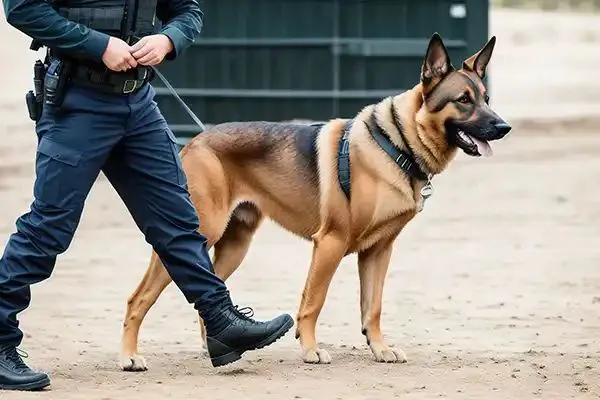
luxury hotel dog protection

Luxury hotels face a different kind of risk. Guests expect flawless service and absolute discretion. A single security lapse can cost reputation, bookings and trust. That’s why many venues favour a low-profile, highly capable approach to safety. Trained canine patrols deliver that balance. They deter and detect in ways cameras and plain-clothed officers cannot.  In this space, luxury hotel dog protection becomes a strategic asset, invisible when it must be, decisive when called upon. The model sits naturally alongside human teams and modern tech, shaped by handlers and security managers who value calm control over showy force.  Understanding Security Expectations in High-End Hospitality Why Luxury Properties Attract Non-Standard Risks Each brings a different pressure. Guests expect security without disruption. A property that looks too fortified feels cold. One that looks under-protected feels risky. Luxury operators must thread a narrow needle: visible enough to reassure, subtle enough to preserve the guest experience. Luxury hotels also operate within strict safety obligations. For that reason, many align their planning with risk assessment guidance for hospitality venues when reviewing operational and security-related risks. The Difference Between Presence and Perception Presence is about being there. Perception is how guests feel. Security that blends with service preserves ambience. That’s the law of luxury hospitality: safety should be felt, not seen. Dogs, handled properly, deliver that feeling. A discreet patrol passes through gardens and corridors. Guests notice a calm atmosphere. They do not feel policed. The Advantages of K9 Patrols in Luxury Hospitality Environments Discreet Authority Without Visual Intrusion A dog and handler can walk a corridor without creating a scene. They are not barricades or metal detectors. That quiet presence signals control. It is authority without glare. For boutique hotels or heritage properties, this matters. Antique lobbies and private suites need protection that respects architecture and service flow. Luxury hotel dog protection achieves that: the sight of a relaxed, focused animal reassures staff and guests while avoiding an “armed-guard” look. It says, plainly: we are attentive. Short sentences work here. So do small, precise moments: a patrol through a private garden. A handler is pausing at a service door. The message lands without a billboard. Advanced Sensory Detection Beyond Human Capability Dogs read scent and micro-changes in behaviour. They pick up things cameras miss. A human might notice a bag left near a service entrance. A dog senses where that bag wandered, who touched it and when. That is an early warning which buys time. Early warning avoids headlines. This is not hyperbole. Dogs pick up what people miss. Their scent work and awareness expose hidden risks in staff zones, service corridors and quieter hotel wings. For hotels with private wings and VIP apartments, that sensory edge is a major gain. Enhanced Perimeter Confidence Across Large Estates Resorts and country-house hotels span acres. Static cameras get blind spots. Gates and landscaped walkways confuse sensors. Mobile patrols solve this. A dog on a perimeter walk covers uneven ground, tracks footpaths, and checks hedgerows. That mobile reassurance matters for golf courses, private driveways and spa grounds. Instead of doubling down on cameras, hotels gain a mindful presence through a living system of checks. Psychological Deterrence Without Guest Discomfort Deterrence here is subtle. It is not about scaring away people. It is about shaping behaviour. Potential troublemakers often choose easier targets. They notice a polished patrol and decide not to test the place. Guests, meanwhile, sense steadiness rather than threat. The dog signals competence, while the handler signals control. Together, they lower the risk quietly. Trust Signalling to High-Net-Worth Guests High-net-worth guests and officials care about how protection is delivered. Loud alarms and aggressive posturing create friction. Discreet canine presence signals seriousness without spectacle. It tells a visiting executive: your safety was considered in detail. It reassures staff, too, which matters for service continuity. Rapid Adaptability During Events and Peak Periods Weddings, fashion shows, and private buyouts each alter risk patterns. Dogs can be scheduled for targeted coverage. Teams scale up on short notice. That flexibility is priceless for venues that host varied events across tight calendars. You don’t rebuild infrastructure for a weekend; you shift patrols. That adaptability keeps the guest experience steady. Supporting Human Security Teams Without Escalation Dogs are force multipliers, not replacements. A canine team sharpens situational awareness for the whole team. Handlers feed intelligence into control rooms. That improves response decisions and reduces unnecessary escalation.  When a potential issue appears, a dog can confirm or rule out risk faster than a distant camera feed. Where layered security is needed, canine patrols sit neatly at the intersection of intuition and evidence. This is where K9 security services integrate best quietly, compliantly and with professional oversight. Why Traditional Hotel Security Models Fall Short at the Luxury Level Limitations of Static Guarding Static posts create predictability who creates opportunity. Guards at doors can be scheduled, watched and routed. Offenders look for gaps. Luxury venues need fluid security that matches non-linear property use. A stationary guard simply cannot replicate the reach of a moving, scent-aware patrol. Technology Without Human Judgement Cameras capture movement. They do not capture intent. Sensors generate alerts; eyes on the ground read nuance. Sensory intelligence, the blend of human judgement and canine perception, remains crucial. Technology is necessary. It is not sufficient. Strategic Value of Canine Patrols for Brand Protection Security is a brand function as much as an operational one. Quick, quiet prevention avoids reputational damage. It keeps VIPs talking about service, not incidents. Over time, that promise protects bookings and partnerships. Framed this way, investment in canine presence becomes measurable brand insurance. Put simply: protection that preserves guest experience preserves value. And yes, luxury hotel dog protection reads well on a balance sheet when you count avoided incidents and uninterrupted service. Conclusion What luxury hotels prize is the offer of K9 patrols: calm, capable protection that remains unnoticed until the necessity arises. They quietly deter, detect early and reassure guests without spoiling the experience. When canine presence is combined with other … Read more
How Security Dogs Protect Back-of-House Areas in Large Hotel Complexes

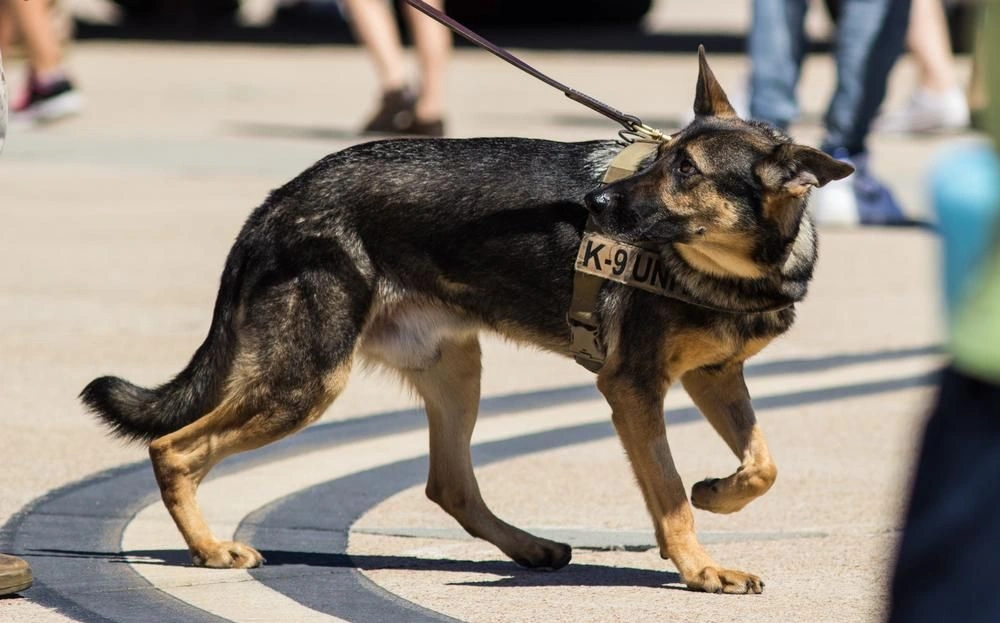
hotel backhouse dog patrol

Large hotels rarely stop moving. Even when guest areas feel quiet, work continues behind the scenes. Kitchens stay active. Linen moves floor to floor. Deliveries arrive early and leave late. These internal zones function like a small city, but without the visibility of public spaces. Back-of-house areas carry heavy traffic but little attention. Service corridors, staff lifts, and storage rooms are used constantly, yet often overlooked. Traditional security tools often struggle here, as cameras miss corners and access systems rely on trust. This is where hotel backhouse dog patrol becomes practical. Not visible to guests. Not disruptive. Just controlled, alert protection focused on how hotels really operate. Back-of-House Security Risks in Large Hotel Complexes Back-of-house areas differ from guest spaces in one key way. They are built for speed, not supervision. That design choice creates risk. Staff Corridors, Service Lifts, and Restricted Zones Hotel operations depend on movement. Staff, contractors, cleaners, and suppliers share the same routes. These paths cross departments and floors throughout the day.  Service corridors often connect kitchens to lifts, lifts to storage, and storage to loading bays. Access points multiply. Monitoring them all is difficult, even with strong policies in place. Because routes are shared, it becomes harder to notice who belongs and who does not. Familiar faces blend into busy surroundings. Official guidance from the National Counter Terrorism Security Office highlights the risks of complex internal layouts. These environments require proactive security measures and constant vigilance. Asset Density Outside Guest View Many of a hotel’s most valuable items sit far from public view.  These spaces are functional, not monitored. Theft, interference, or misuse can continue unnoticed for long periods. Loss is often discovered late, once patterns are already set. Limited Oversight During Off-Peak Hours Night shifts and early mornings change the risk profile. With fewer managers on site, rotating teams and temporary staff often work alone. Static security measures lose impact during these hours. A quiet corridor at 3 am does not behave like one at midday. Gaps appear, even in well-run hotels. Why Security Dogs Are Effective in Non-Public Hotel Areas Security dogs perform well in places where the structure is complex and the activity is constant. Back-of-house hotel areas match that environment. Natural Detection in Complex Indoor Layouts Dogs do not rely on sightlines or lighting. They follow scent through corridors, stairwells, and service routes that cameras struggle to cover. Multi-floor layouts don’t limit dogs, and connected spaces don’t confuse them. They follow movement naturally. Deterrence Without Guest Disruption Security dogs operate where guests rarely go. Their presence is felt by staff and contractors, not visitors. That separation matters. It allows strong deterrence without altering the guest experience. There is no tension in public spaces, no visible enforcement on the hotel floor. Adaptability to Hotel Movement Patterns Late deliveries, extended events, and shifting staffing mean hotels rarely run to fixed schedules. Dog patrols adapt easily as routes and timings change. Unpredictable patterns reduce the risk of repeat offenders exploiting routines. How Hotel Backhouse Dog Patrol Works in Practice The strength of hotel backhouse dog patrol lies in how naturally it fits into hotel operations. It does not replace staff or systems. It reinforces them. Patrol Routes Through Operational Zones Dog patrols focus on service corridors, basements, kitchens, loading docks, and storage areas. These zones connect the hotel’s core functions. Handlers move vertically as well as horizontally. Service lifts and stairwells are part of the route, not obstacles. Coverage extends across floors without relying on fixed points. This continuous movement reduces blind spots. It also disrupts routine patterns that offenders often rely on. Handler-Led Control and Decision Making Dogs are never deployed alone. Each patrol is led by a trained handler who understands hotel environments. This balance prevents overreaction and keeps authority clear. Situations are assessed before they escalate. Managing Internal and External Threats Not all risks come from outside. Unauthorised staff movement, tailgating, and access misuse are common issues in large hotels. Dog patrols identify unusual behaviour quickly. They also deter intrusion through service entrances, which are often targeted during quiet hours. The response stays controlled. The aim is correction, not confrontation. Security Dogs vs Traditional Back-of-House Controls Most hotels already use cameras and access cards. These tools have value, but limits remain. Limitations of Cameras and Access Cards Cameras depend on coverage and review. Blind spots exist. Issues are often discovered after the event. Access cards can be shared or misused. Once inside, movement is rarely questioned. Both systems are passive. They record, and they do not respond. Advantages of Live Canine Patrols Dogs detect issues as they happen. Their presence is immediate, responses are real-time, and their behaviour is hard to predict and harder to avoid. This makes planning theft or intrusion far more difficult. Operational Benefits for Large Hotel Management Beyond security, dog patrols support smoother operations. Reduced Internal Theft and Loss Consistent patrols protect stock, equipment, and supplies while reducing repeat losses and breaking patterns early. Improved Staff Accountability A visible patrol reinforces boundaries without constant supervision. Expectations stay clear, even during shift changes. Support for Wider Security Strategy Dog patrols work alongside guards and monitoring systems. They strengthen layered protection without overlap. Within broader K9 dog security services, this approach adds depth rather than noise. When Hotels Should Consider Dog Patrols Not every site needs the same solution. Some conditions increase the value of dog patrols. Large Complexes With Multiple Back-of-House Zones Resorts, conference hotels, and multi-wing properties carry higher internal risk due to size and layout. High Staff Turnover or Contractor Access Temporary workers and third-party suppliers increase movement and reduce familiarity. History of Unexplained Loss or Breaches Repeated issues suggest gaps that passive systems have not closed. Conclusion Back-of-house areas carry some of the highest risk in large hotels. They are busy, hidden, and difficult to control with static tools alone. This is where hotel backhouse dog patrol offers real value. By working quietly behind the scenes, security dogs strengthen prevention, improve control, and support … Read more

Why Hotels Use K9 Units for Safe, Controlled Event Crowd Management

hotel event k9 security

Hotels are not designed for crowds. At least, not the kind that arrive all at once, carry mixed intent, and move unpredictably through shared spaces. Hotels usually operate on a steady flow of guests and activity. Events change that pace instantly, bringing large crowds through the doors at the same time. Not all of them are guests. Some are staff, contractors, suppliers, or attendees who don’t know the building at all. That is where hotel event k9 security enters the conversation. Not as theatre. Not as intimidation. But as a way to maintain calm, control movement, and prevent problems before they surface. This article focuses on why hotels use K9 units during events. The emphasis is on why the decision was made, rather than operational or training details. Understanding Event Crowd Risk Inside Hotel Environments Why Hotels Are High-Risk During Events During events, hotels become layered spaces. Lobbies bleed into conference halls. Service corridors intersect with guest areas. Temporary signage replaces familiar routes. The risk comes from overlap. Guests, attendees, staff, and contractors move through the same zones but have different expectations. If you add alcohol, time pressure, and unfamiliar layouts, then even small issues may quickly escalate. Hotels also carry reputational weight. One visible incident can undo years of brand trust. Crowd Density vs Control Control matters more than numbers. A manageable crowd can quickly become unstable when movement breaks down. Entry queues stall, after-parties spill into public areas, and people gather where they shouldn’t. Crowd behaviour changes under pressure. Rushing arrivals, alcohol, and rising frustration combine before problems become visible. Hotels don’t need force. They need foresight. The Purpose of Using K9 Units in Hotel Event Crowd Management Early Threat Detection Before Crowd Escalation The most valuable moment in crowd management is the one before anything happens. Dogs notice tension, unfamiliar faces, and behaviour that feels wrong for the setting. These signals appear early, often before a guest realises something feels off. This is where hotel event k9 security proves its worth. Not by reacting to incidents, but by guiding attention before disruption forms. Early detection allows staff to adjust flow, redirect movement, or quietly intervene.  Psychological Crowd Control Without Physical Force Crowds respond to presence, not pressure. A calm, controlled K9 unit influences behaviour without commands being issued. People slow down, observe boundaries, and self-regulate. This is unlike fear-based control. The aim is not to scare people. It’s to establish a sense of order which people accept as something natural. Hotels prefer this approach because it protects the atmosphere. Guests feel safe, not policed. Events remain welcoming rather than restrictive. Managing Entry Points and Transition Zones These are where movement compresses, and tempers rise. K9 units are positioned where flow matters most. Not to block entry, but to steady it. Their presence discourages pushing, rushing, and loitering. Used correctly, hotel event k9 security smooths movement instead of stopping it. When the bottlenecks are relieved and the pressure is brought down, the guests will have a clear understanding of the areas through which they move. Preventing Incident Chain Reactions One disturbance rarely stays isolated. A raised voice draws attention. Attention turns into curiosity. People’s curiosity grows into a crowd. So, a minor issue suddenly turns into a very public one. Dogs can be very helpful in avoiding problems by calmly walking with the crowd and locating the sources of tension before any escalation. In the situation of very public hotel, related events, it is more important to prevent the situation from getting worse than to react visibly. When panic enters a crowd, it is very hard to get control again. Supporting Hotel Staff Under Pressure Employees at the hotel front desk and event coordinators do not have a background in crowd psychology. And it is not their job to have one. Event staff have enough to manage in a short space of time. Understanding crowd behaviour shouldn’t fall on them as well. Adding security judgment to that mix increases risk. K9 units provide stability. They act as an extension of awareness rather than enforcement. This reduces decision stress for management and allows staff to focus on service. This is where experienced K9 security services support hotel teams without overshadowing them. Protecting Brand Reputation During High-Visibility Events Hotel incidents do not stay private. One moment gets filmed and shared, and perception changes. Quiet prevention protects brands better than a loud response. Guests remember how an event felt, not which measures were taken. Discreet deployment of hotel event k9 security preserves experience while still managing risk. The absence of incidents becomes the success story. Flexibility Across Event Types Hotels host more than conferences, such as Each brings different crowd behaviour. Dogs adapt quickly. They respond to energy, not scripts. This makes them effective across varied environments without constant repositioning. That adaptability is why hotel event k9 security works across formats where static measures struggle. Insurance, Duty of Care, and Risk Accountability Hotels must demonstrate reasonable prevention. Insurance providers and auditors look for proactive control, not reactive staffing. K9 deployment strengthens documentation by showing measured risk management. It proves that crowd control is intentional, not improvised. That matters when incidents are reviewed after the fact. UK protective security guidance for crowded venues, including advice from the National Protective Security Authority, prioritises early risk identification. The focus is on proportionate control rather than visible reaction. Why Hotels Prefer K9 Units Over Additional Crowd Marshals Predictive Value vs Manpower More staff does not always equal more awareness. Dogs read environments continuously. One trained unit can identify shifts that multiple static positions might miss. It is not about replacement. It is about efficiency. Lower Disruption, Higher Awareness Crowd marshals intervene visibly. K9 units influence behaviour quietly. Hotels choose the option that maintains atmosphere while increasing awareness. Guests feel guided, not managed. Operational Considerations Hotels Evaluate Before Using K9 Units Dog Selection and Training Relevance Not all dogs suit hotel environments. Crowd-trained units differ from detection-focused teams. Hotels prioritise calm temperament, environmental awareness, and … Read more

How Discreet K9 Patrols Quietly Strengthen Hotel Security Without Disturbing Guests

discreet hotel dog patrol

Hotels are peculiar spaces. Anyone can walk through the doors with a rolling suitcase, a backpack, or nothing at all, and in a heartbeat, they blend into the crowd. Staff watch the lobby, cameras skim hallways, yet problems sometimes slip in unseen. Hotels walk a fine line every day. They keep people and their belongings safe, but never want guests to feel watched.  A discreet hotel dog patrol manages that tension better than most expect. The teams move quietly, with no fuss and no drama, offering reassurance wrapped in silence. Their presence doesn’t shout “security.” Instead, it hums along in the background, invisible to most guests but very visible to those with the wrong intent.  This piece explores how K9 patrols slot into hotel life. It also explains why many hotels now see them as essential. The Purpose and Role of Quiet K9 Presence in Hotels Hotels need a softer touch than a factory floor or a construction site. Guests choosing a weekend break don’t expect rigid control systems or uniformed teams pacing corridors. But hotels cannot shrug off risk simply because their spaces feel refined. K9 units fill that strange middle ground. They remain present but not pronounced.  A trained dog spots signals people overlook. The shaky breath, the fidget, the restless steps all point to trouble brewing. They’re not snarling guard animals. They are calm, tuned-in companions guided by handlers who know how to read a room without taking up space. In short, these patrols protect quietly. In short, these patrols protect the foundation of any discreet hotel dog patrol. Why Hotels Face Different Security Threats Guest Property and High Footfall Hotels are treasure chests with revolving doors. Jewellery rolls into wardrobes, laptops sit on lobby tables, and coats drape over chairs in bars. Foot traffic blends guests, passers-by, and opportunists. Theft thrives in shared spaces where nobody questions whether someone belongs. Dogs help shrink that grey zone. Unregistered Visitors and Open Access Restaurants draw diners who never book a room. Bars attract friends of guests and wanderers passing from one venue to another. Dogs read flow better than most humans. They flag the people who hover, drift or slip into out-of-bounds areas. Late-Night Vulnerabilities After midnight, staff numbers taper, judgment blurs, and alcohol raises voices. A handler and dog pair create a calm centre. Trouble spots often dissolve before they bloom. Back-of-House Safety Behind the dining room doors: deliveries, suppliers, kitchens, loading bays, corridors lined with equipment. CCTV sees what’s in front of a lens, not what rounds a corner. K9s bridge that gap. How K9 Patrols Strengthen Hotel Security When a trained patrol dog enters a hotel, there’s no dramatic music, no barking, and certainly no movie-style chase. They work without standing out. Doors shuffle open, coffee grinds, and night staff drag themselves through another shift. They work like part of the building, not above it. The team works in silence, stays alert and always moves a moment before trouble hits. This is where a discreet hotel dog patrol earns its keep. Early Detection: Trouble Stopped Before Anyone Notices You can sense when something is off. A guest pacing, a stranger hanging by the bags or a quick, tense glance gives it away. Dogs pick up that energy far faster than humans. Before someone slips a hand toward a bag or nudges a staff door open, a K9 will sense discomfort in body language, breathing, or movement. A handler adjusts the route, steps closer, and the threat evaporates like steam. Quiet Deterrence With No Drama Attached Not many people are brave enough to misbehave near a working dog, even a relaxed one. Someone eyeing a bag or a doorway notices the patrol. They back off and head somewhere else. Maybe they get a drink and sit down. Maybe they leave completely. The shift happens unseen, the atmosphere stays calm, and the dog and handler glide through their work. Patrolling Spaces Security Cameras Forget Every hotel has “blind corners.” Not risky enough to alarm managers, but tempting spots for opportunists. Picture: CCTV watches straight lines. A dog follows scent, footsteps, and instinct. Each patrol pass builds a story of what “normal” looks like, and when that story shifts, the team knows. Working Shoulder-to-Shoulder With Hotel Staff Reception and concierge staff already juggle everything from misplaced passports to room disputes. They don’t have the time or nerve to track someone acting strange. A handler and a K9 are the perfect safety net. If a report comes in about a suspicious guest, an open door, or odd activity in a lift lobby, the dog leads the sweep. Staff stay focused on hospitality. Security gets handled by professionals built for the job. Security gets handled by professionals built for the job, often provided through specialist k9 security services. Defusing Tension Before It Turns Into Trouble Some hotel problems aren’t criminal. They’re human. People naturally dial down their behaviour when a dog enters the scene. Just quietly settling a social reset triggered by fur and focus. Confidence For Staff and Comfort For Guests Night shifts can feel long and exposed. A passing dog with steady eyes and a handler who knows every corridor gives staff a sense of backup. Guests don’t see the safety net, but they feel the safety. The Guest Experience: Safe, Calm, and Undisturbed “Security You Don’t See” The goal isn’t to remind travellers they’re in unfamiliar territory. The goal is to make them forget risk exists. Dogs allow that to happen without stripping protection away. Reassurance for Staff Housekeepers, bar teams, porters, they’re the ones who feel exposed when something doesn’t seem right. A dog team closes that mental gap. Enhancing Brand Reputation Safety influences reviews, and reviews influence bookings. Corporate travellers, in particular, expect structured security behind the scenes. What Makes Hotel-Ready K9 Units Different Behaviourally Selective Dogs Not every dog can manage hospitality. The ideal K9 ignores clattering suitcases, excited children, and late-night laughter. Handler Etiquette and Professionalism They walk slowly and speak softly. … Read more

What Makes Explosive Detection Dogs Incredibly Accurate and Trustworthy Assets

explosive detection dog accuracy

Explosive threats demand precision. There is no margin for assumption. One overlooked trace can change everything. That is why explosive detection dog accuracy remains such a critical standard in modern security work. This level of reliability does not happen by chance. It is built through structured training, behavioural conditioning, scientific validation, and careful handler integration. Each layer strengthens the next. Professionals working within dog security services rely on these systems daily. What looks like a calm search on the surface is supported by rigorous assessment behind the scenes. The result is a detection asset that is measured, verified, and continuously refined. The Science Behind Reliable Detection Olfactory Superiority and Scent Differentiation A detection dog does not search the way a human does. It reads vapour. Even microscopic scent particles released from concealed materials can be identified. Dogs process complex scent patterns rather than isolated chemicals. This matters because explosive compounds are rarely uniform. Variations in formulation do not automatically reduce detection reliability. What supports performance? Biology provides the foundation, yet structured training makes it effective. Controlled Odour Libraries and Consistency Training exposes dogs to a broad range of explosive materials. The goal is not memorising one smell. It is learning a scent category. This distinction protects against “pattern bias.” If the dog only associates one version of an explosive with reward, performance becomes fragile. Instead, controlled odour libraries ensure adaptability. Consistency is achieved through variation. That paradox is deliberate. Behavioural Conditioning and Response Integrity Reward-Based Detection Conditioning Motivation drives performance. Detection training uses high-value reinforcement to strengthen correct identification. Over time, the dog links the target scent with a clear reward outcome. This system achieves several things: Fatigue is carefully managed through short, structured sessions, because precision depends on mental clarity. Passive Indication and False Alert Prevention Modern programs favour passive responses such as sitting or freezing. This protects both safety and neutrality. A passive indication: The dog alerts because of scent, not suggestion. That distinction matters. Explosive Detection Dog Accuracy in Real-World Environments Reliability is not theoretical. It is tested under pressure. When discussing explosive detection dog accuracy, the focus must shift from training fields to operational complexity. UK explosive detection standards are shaped by national counter-terrorism policies. Guidance from NaCTSO forms part of that structure. Validation and Certification Standards Professional detection teams undergo a structured assessment. Many systems rely on double-blind testing, where neither handler nor evaluator knows the hide location. This prevents unconscious cueing. Explosive detection dog accuracy is evaluated through: Passing once does not secure permanent status. Ongoing re-evaluation cycles maintain standards. Accuracy is not assumed. It is documented. Recertification also introduces new concealment methods and airflow conditions. A reliable team must perform consistently even when variables shift. Environmental Proofing and Distraction Resistance Operational spaces are rarely quiet or controlled. Consider the variables: Scent does not remain static. Vapour travels, settles, and disperses. A trained detection dog learns to follow the plume rather than focus on a fixed point. Explosive detection dog accuracy remains stable because training already includes controlled exposure to these distractions. Loud sounds, tight corridors, open spaces. The dog has encountered complexity before deployment. Calm search behaviour is not accidental. It is rehearsed resilience. Handler–Dog Communication Systems Accuracy is never the dog’s responsibility alone. It is a team metric. Handlers are trained to observe micro-behaviours: These signals often precede a formal indication. Skilled handlers avoid interfering. They provide space instead of pressure. Explosive detection dog accuracy depends on this balance: The dog identifies the scent, the handler assesses the signal, and the protocol stays secure. Data-Backed Performance Records Reliable programs track performance continuously. Deployment logs capture details that matter: False positives are analysed. False negatives are scrutinised even more closely. Patterns inform retraining adjustments. Explosive detection dog accuracy is therefore protected by data, not reputation. Real-world auditing prevents complacency. Consistency is maintained through transparency. Why Technology Alone Cannot Replace Detection Dogs Screening devices detect particles at fixed points. They serve an important role. Vapour behaves unpredictably, drifting through ventilation systems and clinging to surfaces. It can also pool in unexpected areas. Detection dogs offer advantages that technology cannot fully replicate: Explosive detection dog accuracy often exceeds static screening methods in dynamic environments because the dog adjusts instantly to environmental change. In regulated settings, dog security providers must follow clear compliance rules. These are aligned with SIA requirements. Technology assists, but biological detection adapts, and that difference is significant. Factors That Protect Long-Term Detection Reliability Ongoing Training Cycles Training does not stop after certification. Structured refreshers maintain sharpness. Effective programs include: Routine without variation weakens detection. Controlled unpredictability keeps the system honest. Welfare and Fitness Management Physical and mental well-being influence performance. A fatigued dog will not search with the same intensity as a rested one. Long-term reliability depends on: Care is not separate from performance. It sustains it. Common Misconceptions About Detection Reliability Conclusion Explosive detection dog accuracy is built through layered systems. Performance depends on disciplined training, verified testing, behavioural reinforcement, and ongoing assessment. These dogs are trusted assets because their reliability is tested repeatedly under varied conditions. Performance is measured, documented, and refined. Professional dog security services rely on this disciplined framework to support safe operations in complex environments. Confidence in detection teams is not emotional. It is earned through consistent standards and verified results. Frequently Asked Questions 1. How do teams check if a detection dog is still reliable? They run blind tests. The handler does not know where the scent is hidden. Results are scored. Mistakes are reviewed. Standards must be met again and again. 2. Can loud noise or crowds affect performance? Distractions exist, yes. But trained dogs practice in busy places. They learn to filter chaos and stay on task. Focus is part of training. 3. Do detection dogs ever make mistakes? No system is perfect. Rare errors can happen. That is why testing, logging, and refresher sessions never stop. 4. Can they detect small or homemade explosive materials? Yes. They are trained on scent groups, … Read more

Why Tech-Driven K9 Patrols Outperform Traditional Mobile Security Models

tech driven k9 patrol

Mobile security has changed and stays fast. What once meant slow car patrols and radio calls now looks very different when dogs, handlers, and cameras move as one system. In modern sites, risk does not wait for a patrol car to pass by. That is why integrating real-time GPS telemetry and AI video analytics into K9 patrols now matters more than ever. These units do not just walk a route. They see, sense, and report while moving. Data flows beside instinct, and that mix turns trained dogs into live security networks, not just mobile guards. Why Traditional Mobile Security Models Have Hit a Performance Ceiling Mobile patrols were built for a slower world. Cars drive, stop, look, and then move on. It was made to be seen and to log what was seen later. That worked when sites were quiet, and threats stayed put. But today, risk slips between visits and a vehicle can only be in one place at one time.  Everything else becomes unseen space, and reports come after the fact, not while things change. This turns patrols into witnesses, not controllers. They react once something is already over, which is not preferable for business. You cannot go faster just by driving the same loop again and avoiding the threats. Today’s teams use setups based on integrating real-time GPS telemetry and AI video analytics into K9 patrols. As a result, dog units respond in the moment rather than chasing yesterday’s problems. Patrol Vehicles Create Gaps Between Presence and Reality Every route leaves holes. While a car covers one zone, others sit empty. People learn this, and they watch the timing. And they move during those blind minutes. Even a ten-minute gap is enough for damage, theft, or entry. Add traffic, gates, or weather to the patrols, and those gaps grow. By the time a patrol comes back, the scene has changed. Radio-Based Reporting Cannot Track Biological Assets Dogs and handlers move by instinct and sight. They shift fast, the radio does not, and words lag behind action. Stress, heat, and motion cannot be spoken about in real time. By the time someone explains it, the moment has passed. What Changes When K9 Units Become Data-Connected Systems When a dog is linked to live data, it stops being just a moving patrol. It becomes a roaming sensor. Every step, pause, and turn adds to a wider picture of the site. The handler no longer works alone inside a narrow view. And it is much better assistance than other patrol types. The system sees more than one pair of eyes. Patterns form, and gaps show up. This turns K9 work from simple coverage into active tracking. The unit does not just go where it is sent. It moves with purpose based on what the data shows. In many deployments, this creates a real edge for teams delivering modern K9 dog security, turning instinct into actionable intelligence. Integrating real-time GPS telemetry and AI video analytics into K9 patrols Live maps show where the dog is, where the handler stands, and what lies ahead. Cameras add eyes that never blink. If something moves where it should not, it is marked at once. The team sees it before they reach it. This creates proof, not guesswork. How Handler-AI Interfaces Replace Guesswork With Situational Awareness The screen gives quiet nudges like a soft alert, a shaded zone and a clear path. The handler stays focused on the dog while the system watches the rest. Decisions become calm, not rushed. Canine Biometric Monitoring Creates a New Layer of Operational Safety A working dog is a living engine. It runs on heat, breath, and drive. In the past, handlers had to guess how hard that engine was being pushed. Now the dog speaks through numbers. Tiny sensors share pulse, body heat, and strain while the unit moves. This turns the animal into a clear system, not a mystery. Risk can be seen before it turns into harm. How Heart Rate, Heat, and Stress Data Change Deployment Decisions A spike in pulse can show fear before it shows on the dog’s face. Rising heat warns of collapse long before paws slow down. When stress climbs, the handler knows to pause or swap tasks. This stops overdrive, which is one of the quiet dangers in K9 work. A tired dog makes mistakes. A protected one stays sharp. Biological-Technical Redundancy in Live Threat Environments When noise, chaos, or danger overwhelms the handler, the tech keeps watch. If the dog pushes too far, alerts step in. If vision fails, data fills the gap. The team stays safe even when pressure hits. The NASDU national occupational standards for security dog handling tell more about it. Conditioned Response Telemetry Makes K9 Behaviour Predictable A trained dog does not react at random. Each bark, freeze, or pull has a meaning drilled in over months of work. When those signals are captured, they stop being just behaviour. They become usable data. This lets teams read intent without waiting for things to break open. The dog stays in the lead sensor, but the system now hears what it is saying. When Barking, Stance, and Movement Become Data A sharp bark, a stiff body, or a sudden stop can be picked up by small trackers. These signs are not noise. They are trained responses. The system logs them as they happen. A quiet shift in posture can flag risk even before a person sees it. Turning Instinct Into Structured Threat Scoring AI links these signals with time and place. Patterns form. A high alert stance near a dark corner scores higher than the same move in open ground. Threats gain shape instead of guesswork. Non-Aggressive Visual Deterrence Outperforms Random Patrol Presence Deterrence no longer comes from surprise. It comes from being seen all the time. When people know a space is watched, mapped, and tracked, most never test it. This is where modern K9 systems shift the balance. They do not hide and show screens, … Read more

How Technology Ensures Faster Dog Deployment During High-Risk Alerts

faster dog deployment tech

High-risk security alerts leave no room for hesitation. When a real threat is confirmed, response speed decides whether damage is stopped or already done. In these moments, canine units are one of the strongest deterrents available. But dogs are only effective if they arrive early, informed, and ready. That is where technology now changes the outcome. Mobile dispatch tools, verified alarms, and automated triggers remove delays. Together, they enable faster dog deployment during high-risk security alerts. This action goes without guesswork and rushed decisions. Also, it never put handlers or dogs at unnecessary risk. Why Speed Matters During High-Risk Security Alerts High-risk alerts do not wait. When a confirmed threat appears, every minute shapes the outcome. Faster movement does not mean rushing; it means removing friction. Technology now plays a direct role in making faster dog deployment during high-risk security alerts possible without cutting corners. Time Compression in High-Risk Incident Escalation Threats move fast. Machinery theft, perimeter breaches, and hostile presence all escalate in short windows. Delayed canine deployment reduces deterrence. It also gives offenders time to adapt, hide, or escape. Speed matters because dogs work best when they arrive early. Early presence changes behaviour, and late arrival often means recovery, not prevention. The Cost of Manual Deployment Decisions Manual workflows slow everything down: Each step adds seconds, and seconds add risk to it. Technology removes those steps before they cause damage. How Video-Verified Alarm Dispatch Accelerates K9 Activation Visual confirmation changes how decisions are made. It replaces assumptions with clarity and makes better efforts in action. With this, the deployment of dog security seems reliable and faster. Removing False Positives Before Canine Mobilisation Not every alert needs a dog. Video verification filters noise: This prevents wasted deployments and keeps dogs available for real risk. Priority Escalation When Visual Threat Is Confirmed When video confirms intent, escalation becomes automatic. High-risk status is assigned instantly, and dispatch no longer waits for debate. Dogs are activated because evidence exists, not because someone feels unsure. Mobile Dispatch Systems and Real-Time Handler Activation Mobile technology moves decisions closer to the handler. This upgrade supports them in providing reliable security and also reduces delays. SIA-Integrated Mobile Apps for K9 Handlers Secure mobile platforms align with operational standards set by the Security Industry Authority. Handlers receive alerts directly, not second-hand. Benefits include: One-Touch Deployment and Route Confirmation Once an alert is accepted, the site details load instantly. Following it, the access points are visible. And the routes are confirmed before movement to enhance their security effort. Handlers who move with context can lead to no confusion. This alone can save minutes and have a better impact on the site. Canine Biometric Telemetry and Readiness Confirmation Monitoring Stress, Heart Rate, and Fatigue Indicators Wearable sensors help to track vital signs easily. It lets us know the dog’s heart rate changes, stress signals and fatigue thresholds. Dogs are deployed when fit, not a guessed fit. That protects welfare and performance at the same time. Handler Feedback Loops to Operations Centres Data flows both ways. If telemetry flags an issue: This avoids late-stage failures that slow future responses. Geofence-Triggered Alerts and Automated Site Intelligence High-risk sites are mapped long before an alert occurs. Geofencing turns known spaces into instant intelligence. It removes hesitation and guesswork at the moment a breach happens. Pre-Configured High-Risk Zones and Asset Boundaries Sites are mapped in advance on Fuel storage areas, Machinery compounds and Perimeter breach lanes. Each zone has defined response rules. No interpretation is needed during an alert. Automatic Alert Escalation When Boundaries Are Breached When a boundary breaks, Alert priority jumps instantly. Following it, Canine gets dispatch triggers, as no human review delay occurs in this action. This is one of the strongest tools for faster dog deployment during high-risk security alerts. Reducing Human Bottlenecks in High-Risk Canine Deployment People still matter, but pressure slows manual decisions. Technology reduces that delay. It allows canine deployment to trigger on verified conditions, not phone calls or verbal approval. From Reactive Dispatch to Trigger-Based Deployment Modern systems react to events, not opinion: Dogs deploy when these conditions are met. No waiting. No missed calls. How Mobile Tech Improves Accountability Without Slowing Response Automation does not remove control. It records it. Reports are created in the background. Response speed stays high while accountability remains intact. Operational Outcomes of Faster Dog Deployment Technology Speed shapes what happens before anyone arrives. When dogs deploy faster and with context, control improves. Risk drops early. Handlers face fewer unknowns. Dogs work in clearer conditions. The response feels calm, not rushed. Increased Deterrence Through Predictable Rapid Response Criminals watch how sites respond. When canine response is fast and consistent, sites lose appeal. Early intervention breaks intent. Repeat attempts fall because outcomes become uncertain. Safer Engagement for Handlers and Dogs Good information changes the moment of arrival: Speed with awareness is safer. It protects handlers, working dogs, and the site. Conclusion Technology now plays a direct role in dog deployment in high-risk sites. The focus is no longer speed for its own sake. It is about removing the friction that slows proven responses. Video-verified alarms reduce doubt. Mobile dispatch tools cut waiting time. Geofence triggers push action without delay. Together, these systems support faster dog deployment during high-risk security alerts without increasing risk to handlers or animals. Dogs arriving earlier can have a better impact on-site. Incidents are disrupted sooner, and sites regain control before damage spreads. In high-risk security, speed backed by evidence delivers safer, more reliable outcomes. Frequently Asked Questions 1. How does technology enable faster dog deployment during high-risk security alerts?  We see technology removing delays before they appear. Verified alerts, mobile dispatch, and automation mean dogs move when risk is real, not after long confirmation chains. 2. What role does video-verified alarm dispatch play in response speed? We rely on video to cut doubt. When visual proof exists, canine deployment becomes immediate and justified instead of cautious and slow. 3. Why are SIA-integrated mobile apps important … Read more

Why Digital Reporting Tools Strengthen the Quality of K9 Incident Evidence

digital reporting k9 evidence

K9 incidents unfold fast, and decisions happen in seconds, not minutes. That speed makes evidence fragile when reports rely on memory or paper notes. Digital reporting tools change that balance as they capture facts as they happen, not hours later. Time, place, movement, and action are locked in from the start. When digital reporting tools enhance K9 incident evidence, accuracy improves. This happens without adding pressure on handlers. The data stays clear, and the records are intact. Even the small details no longer slip away. From metadata to GPS stamps, each entry builds trust in what really occurred. The result is stronger evidence that stands up to review, scrutiny, and challenge. The Evidence Challenge in Traditional K9 Incident Reporting Before digital tools, handlers used different ways to record the action. The K9 incident records relied heavily on memory, handwritten notes, and delayed reporting. Each step added risk to it as details faded and timelines got blurred. What happened first or last often became unclear.  When evidence is built after the event, its strength drops. Even honest reports can raise questions when gaps appear. This is where digital reporting tools later became necessary. Human Memory Gaps During High-Stress K9 Deployments K9 deployments are intense with stress, adrenaline, and narrow focus. Time gaps between the incident and report writing make this worse. Words change and sequences shift, which has an impact on records. Different handlers also describe the same action in different ways. This creates confusion during reviews. Paper Logs and Post-Shift Reporting Risks Paper logs bring their own problems. Entries can be written late, and timestamps go missing. Following it, pages tear, fade, or disappear. If a handler has bad handwriting, then it becomes hard to read. Once lost, that evidence is gone for good. Digital Reporting Tools Enhance K9 Incident Evidence Modern digital reporting tools have made a significant impact. They changed how K9 evidence is captured, preserved, and validated from the first second of an incident.  Instead of rebuilding events later, facts are recorded while they unfold. Time, action, and context are fixed early. This shift improves trust in the record and removes doubt around when and how decisions were made. Immediate Data Capture at the Point of Contact With mobile systems, a handler can start an incident record with one tap. The system locks the time automatically. Location and device data attach instantly. There is no need to rely on memory or post-shift notes, because what happened is captured as it happens. Structured Reporting That Reduces Interpretation Errors Digital forms guide the report better. Pre-defined K9-specific fields shape how details are logged. Language stays consistent across teams. This helps reviewers see clear, aligned entries instead of mixed wording. That structure cuts confusion and strengthens how the evidence is read and trusted. Digital Provenance & Metadata: Protecting Evidence Integrity Digital provenance ensures every K9 data point can be traced back to its exact origin without manipulation. This layer of proof sits quietly in the background but carries real weight. It shows how evidence was created, not just what it says. When questions arise later, the record can explain itself. Embedded Metadata Within K9 Incident Records Each digital entry carries built-in markers. Device ID confirms which unit captured the data. Handler ID links actions to the responsible officer. System-generated timestamps lock the moment the record was created. None of this depends on manual input. It happens automatically, without effort or delay. How Metadata Prevents Evidence Disputes Digital Provenance & Metadata remove room for argument. They prove when and where information was logged. They show that data existed at a specific time, and claims of retroactive editing lose ground fast. Reviewers can trust the timeline because it was created by the system. That assurance protects both the handler and the integrity of the evidence. Immutable Audit Logs and Chain-of-Custody Assurance For K9 incidents that escalate into investigations, auditability is non-negotiable. Evidence must show not only what happened, but how it was handled afterwards. Without that trail, even strong records can be questioned. This is where digital systems quietly protect the chain of custody. Automatic Logging of Every Interaction Modern platforms record every interaction with the report. Edits are tracked, and access views are logged. Following it, export actions are stamped and stored. Nothing moves without leaving a trace. Handlers do not need to remember steps. The system does it for them, in real time. Why Immutable Logs Strengthen Legal Defensibility Immutable Audit Logs prevent silent changes. Records cannot be altered without detection. Every activity trail stays clear and open to review. Accountability becomes visible, not assumed.  When evidence is challenged, the log shows exactly who accessed it and when. That transparency strengthens trust among clients. Also, gives K9 incident evidence a solid footing during formal review or legal scrutiny. Real-Time GPS Timestamping in K9 Deployments Digital reporting tools enhance K9 incident evidence, along with the handler’s option. Location accuracy adds a critical verification layer to K9 incident evidence. With Real-Time GPS Timestamping, movement is recorded as it happens, not guessed later. Patrol routes are confirmed without debate, and search zones are clearly defined. Alarm activations align with exact positions, creating a clean timeline of events. How GPS Timestamping Confirms Deployment Accuracy Each step of the deployment is mapped. Entry points, pauses, and exits appear in sequence. There is no need to explain where the handler or dog was standing. A professional dog security service needs strong evidence that depends on accuracy, not memory. Resolving Conflicting Incident Narratives When stories differ, location data cuts through noise. The handler position is clear, with GPS timelines that can also match third-party CCTV footage. This alignment strengthens the overall record. Also reduces the room for doubt during reviews or investigations. Multimedia Evidence Integration for K9 Incidents Text alone rarely tells the full story in dynamic K9 encounters. Movement, sound, and timing matter. Multimedia Evidence Integration adds that missing depth. It captures what words struggle to explain and preserves it in real time. Photos, Video, … Read more

How Modern Patrol Vehicles Support Fast, Highly Mobile K9 Response Teams

k9 patrol vehicle support

K9 response does not start at the gate, fence, or outer boundary. It starts when the vehicle moves. The patrol vehicle is the first working environment a handler and dog enter, and its design directly shapes how fast they arrive, how safely deployment happens, and how steady the dog remains under pressure. Modern patrol vehicles are no longer just a way to get from A to B. When they are built as operational systems, they support decision-making, reduce stress, and remove wasted seconds. Climate control, layout, visibility, and access points all influence how a K9 team performs in live conditions. This is where optimising K9 response through integrated patrol vehicle systems makes a real difference. Speed still matters, but control matters more. A well-designed vehicle helps teams arrive focused, deploy cleanly, and respond with confidence when it counts. The Patrol Vehicle as a Mobile K9 Operations Hub From transport tool to tactical response platform Older patrol vehicles were simple. They do drive, park and deploy. That model no longer fits modern risk. Today’s environments change fast, and security protocols need to keep up with them. A vehicle now acts as a mobile base for security guards. It carries data, protects welfare, and supports decision-making before the dog ever touches the ground. Handlers rely on the vehicle to think with them. Systems monitor conditions and send alerts to prevent mistakes. Also, knowing well about layouts can reduce hesitation. All of this removes friction during response. Why vehicle design dictates K9 deployment success Poor design slows everything down, and tight spaces create delayed exits. Controls placed badly force handlers to pause. Even small delays stack up. A well-designed vehicle lets the handler move without thinking about the vehicle at all. The dog senses that calm and stays focused. Vehicle-Based Technologies That Enable Faster K9 Deployment Heat Alarm Proximity Alert systems and canine safety Heat is a silent risk. Even short delays can raise cabin temperature. Heat Alarm Proximity Alert systems watch this constantly. If a handler moves too far away, alerts trigger. Some systems auto-correct by adjusting climate controls. This does more than protect welfare. It removes mental load. Handlers do not second-guess whether the dog is safe. They stay focused on the task ahead. Automated climate and compartment controls Manual checks waste time. Automated systems keep conditions stable during standby. Zoned cooling means the canine area stays regulated even when the front cabin changes. This allows faster redeployment. The handler does not need to return to the vehicle between calls just to check conditions. The UK Home Office’s National Canine Training and Accreditation Scheme provides standards for accredited security and detection dog teams used in private sector security roles. Integrated wearable sensors syncing with vehicle systems Integrated Wearable Sensors add another layer. Heart rate, movement, and stress signals feed back into the vehicle system. If something shifts during transit, the handler knows before arrival. This avoids rushed decisions. A dog that is not ready can be adjusted before deployment, not after something goes wrong. Optimising K9 Response Through Integrated Patrol Vehicle Systems results in better improvement in security. Single-Handler Vehicle Policy and Mobility Efficiency Why single-handler configurations reduce response time A Single-Handler Vehicle Policy removes confusion. They follow the method of one handler, one dog as one decision-maker. This lets no delay be caused by role overlap or split authority. The handler controls the vehicle, the systems, and the release. That clarity speeds everything up. It also reduces mistakes during high-pressure exits. Vehicle layout adjustments for solo K9 operators Vehicles built for solo handlers place controls within reach. Doors open in the right order. Release systems follow natural movement. Equipment is positioned where hands already go. This matters more than it sounds. Smooth movement keeps the dog calm. Calm dogs respond faster. Bailout Systems and Rapid Deployment Mechanics Controlled bailout systems for high-risk stops Bailout Systems are not about speed alone; they are about control. A secure release prevents accidental deployment. It also allows the handler to choose the right moment, even under stress. This protects the dog, the handler, and everyone nearby. It also keeps the command structure intact during chaotic scenes. Vehicle positioning that supports immediate engagement How a vehicle stops matters. Angle, engine state, and terrain all affect deployment. Modern vehicles support this with guidance prompts and system checks. The result is cleaner exits and fewer slips. They also provide a better footing and faster engagement without panic. Mobile Intelligence Inside Patrol Vehicles Real-time data access during K9 transit Information saves time on situation handling. Live updates during transit let handlers adjust tactics early. Site layouts, access points, and threat notes appear before arrival. This avoids rushed decisions on the scene. The handler arrives already thinking two steps ahead. Vehicle-integrated communications for K9 coordination Hands-free systems reduce noise and distraction. Quiet arrival matters in intrusion response. Clear internal communication keeps focus where it belongs. When communication works, commands stay sharp. Dogs respond better to calm voices than shouted corrections. This shows how Optimising K9 Response Through Integrated Patrol Vehicle Systems gives a better response. Optimising K9 Response Through Integrated Patrol Vehicle Systems Delayed exits and canine stress indicators Poor layouts cause hesitation, and hesitation creates stress. Dogs can feel stress instantly. And it could affect tracking, obedience, and judgment. When exits are slow, dogs tense up before deployment. That tension can carry into the task and reduce effectiveness. Compliance and welfare failures linked to vehicle design Missed alerts happen when systems are scattered. Manual overrides get forgotten when pressure rises. These failures often show up after incidents, during reviews. Well-integrated vehicles reduce these risks. Systems work together, which lets alerts stay clear. And all actions are logged automatically. Why Vehicle Integration Determines K9 Response Readiness Vehicles shape the behaviour of the patrol. They either support a calm, fast response or introduce delay and doubt. Integration turns the patrol vehicle into a silent partner. It watches conditions. It feeds information. It removes small decisions that drain focus. When … Read more

Why Bodycams Improve the Safety and Accuracy of Dog Handler Operations

dog handler bodycams

Mobile technology has quietly reshaped how professional K9 units work. Among all tools now used in the field, bodycams have become one of the most valuable. They are no longer about surveillance or blame. They are about clarity, safety, and learning. When used correctly, bodycams strengthen handler confidence. Also, it improves dog control and supports better decisions under pressure. This article focuses on improving K9 training and procedure using bodycam footage. It looks at how bodycams protect handlers and sharpen accuracy. Also, it raises standards across modern dog-handler operations. The Role of Bodycams in Modern K9 Mobile Technology Bodycams sit at the centre of today’s mobile tech used by canine units. Unlike static CCTV or written logs, they move with the handler. They capture real conditions, real timing, and real behaviour. This makes them especially valuable in K9 work. Because in dog security services, decisions happen fast, and outcomes depend on small details. From Static Reports to Real-Time Operational Evidence Traditional reports rely on memory and notes. Bodycams rely on facts and real-time video. Footage shows approach distance, verbal warnings, leash handling, and subject behaviour. This removes gaps between what was meant and what actually happened. For many teams, bodycams now support updates to canine unit policy. Often, decisions are made based on evidence, not opinion. Why K9 Units Need Different Bodycam Standards Dog handlers work differently from static guards. They manage animals, people, and environments at the same time. Bodycams must capture voice commands, dog reactions, and handler movement without blocking control. This makes correct placement and usage part of the K9 handler protocol, not just a tech choice. How Bodycams Create Great Impact in Dog Handler Operations This is where bodycams deliver their strongest value. Using it properly can make a change in the operation. They can help handlers to train, act, and review their work. The impact is practical, not theoretical. Enhancing Handler Safety During High-Risk Engagements K9 deployments often happen in unstable situations. Poor lighting, moving suspects, and uneven ground increase risk. Bodycams record how a handler approaches these moments. Footage shows spacing, leash tension, positioning, and warning delivery. This protects handlers after incidents. False claims are easier to challenge. Supervisors can confirm that the handler followed the correct K9 handler protocol. This alone improves confidence in the field. Handlers know their actions are supported by evidence, not memory. Bodycams also reduce hesitation in their work. When handlers trust the review process, they act more decisively. This lowers the risk to both the handler and the dog. Over time, teams report fewer unsafe shortcuts because behaviour is visible and accountable. Improving Command Accuracy and Timing in Live Deployments Small command errors create big problems. A late recall or unclear tone can change how a dog reacts. Bodycams capture every handler command, including volume, pace, and clarity. During review sessions, trainers can identify patterns. Maybe commands are rushed under stress. Maybe signals overlap. These insights feed directly into performance review discussions. Corrections become precise, not general. This also improves consistency across teams. When handlers learn from real footage, command standards become shared. That consistency is key to improving K9 training and procedure using bodycam tools. Enhancing K9 Training and Operations with Bodycam Insights Supporting De-Escalation Techniques in K9 Operations Good K9 work is not about deployment. It is more about the control. Bodycams help teams review moments where situations calmed without force. Footage highlights verbal control, stance, and timing that prevented escalation. This strengthens de-escalation techniques in K9 operations. Trainers can pause footage and show exactly what worked. These examples are more effective than written guidance in a best practices manual. Over time, handlers learn to trust voice and positioning before release. That improves public safety and reduces unnecessary use of force. Strengthening K9 Behaviour Analysis After Incidents Dogs communicate with their handlers constantly. Stress signals, focus shifts, and alert behaviour are often subtle in dogs. And with clear communication, you can understand them. Bodycams help to capture these signs during real work to help them. When reviewed properly, footage supports accurate K9 behaviour analysis. This removes the guesswork behind the task and takes necessary action. Instead of blaming the handler or the dog, teams can study what triggered a response. Was the dog distracted? Was the handler too close? These insights help refine training plans and handler techniques. Accurate analysis also supports welfare. Dogs showing repeated stress signals can be identified early. With this, they can be supported before problems develop. Making Training Debriefing Clear and Fair Training debriefing improves when evidence replaces opinion. Bodycam footage creates balanced discussions. Handlers see exactly what they did well and where they need to improve. This supports fair training debriefing sessions. Feedback feels constructive and not personal. It also shortens learning cycles, and corrections happen faster because examples are clear. Over time, this approach builds trust between both dogs and handlers. Using the body cams, handlers can accept feedback more easily when it is grounded in footage. That trust is essential when improving K9 training and procedure using bodycam systems. Bodycam Footage as a Living Best Practices Resource Bodycams can be used to do more than just review incidents. They can help to shape your K9 unit on long-term standards. In the UK, Police Scotland’s national roll-out of body-worn video cameras included equipping dog handlers with the devices. Updating the Best Practices Manual With Real Scenarios Footage provides real case studies. These can be used in training rooms to update the best practices manual. New handlers learn from real work, not ideal scenarios. This makes training realistic and effective. Aligning Field Behaviour With Canine Unit Policy Policies often lag behind reality, and footage can be used. Bodycams show how work actually happens. Supervisors can adjust canine unit policy to reflect real risks and real solutions. This keeps rules practical and respected. Operational Limits and Responsible Use of Bodycams Bodycams must be used correctly to work well. Having them can improve the understanding between dogs and handlers. Privacy, Data … Read more