Call Us: (44) 77765-43210

Email Us: info@dogsecurityservices.co.uk

Why Tech-Driven K9 Patrols Outperform Traditional Mobile Security Models
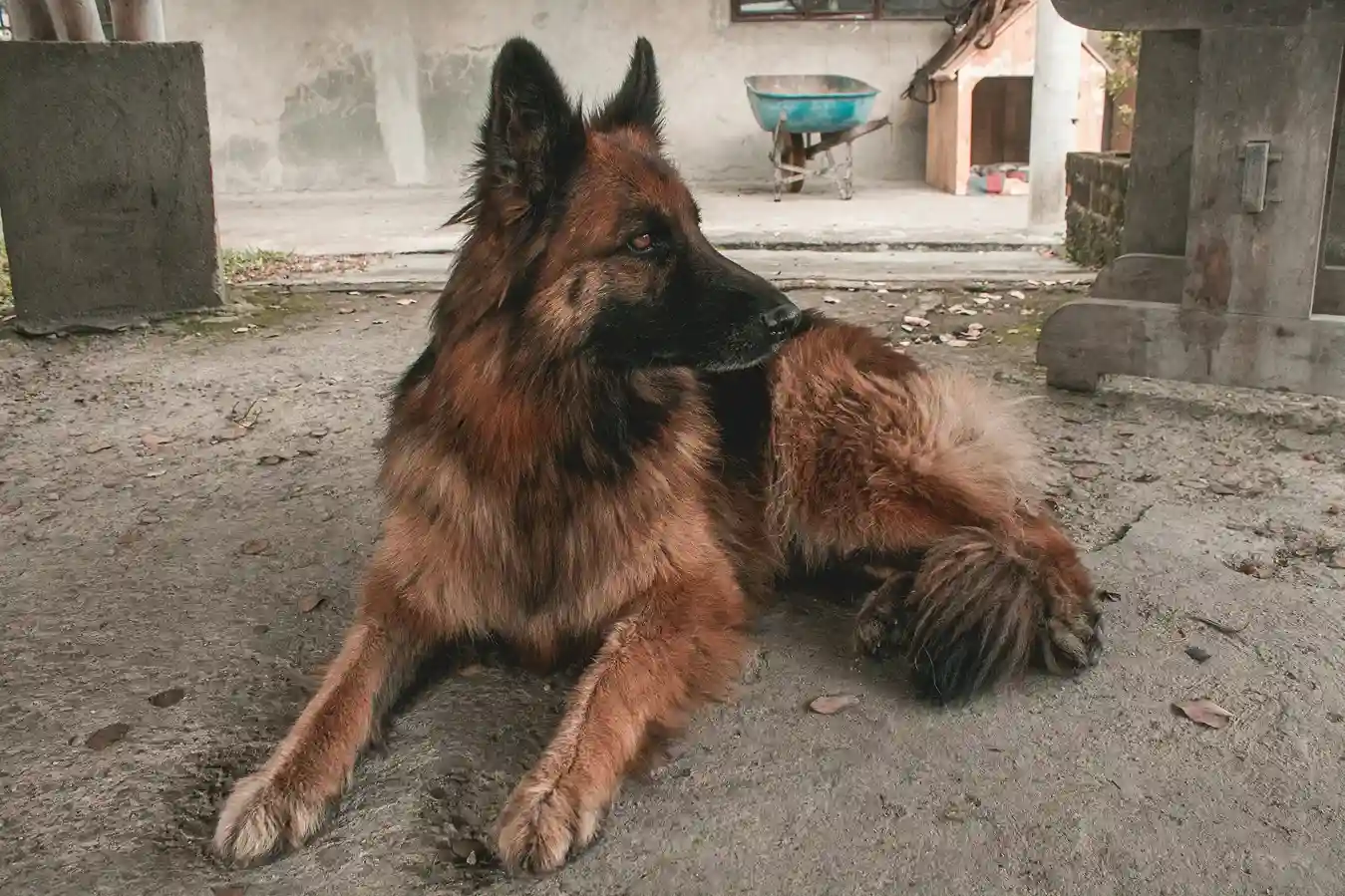
tech driven k9 patrol

Mobile security has changed and stays fast. What once meant slow car patrols and radio calls now looks very different when dogs, handlers, and cameras move as one system. In modern sites, risk does not wait for a patrol car to pass by. That is why integrating real-time GPS telemetry and AI video analytics into K9 patrols now matters more than ever. These units do not just walk a route. They see, sense, and report while moving. Data flows beside instinct, and that mix turns trained dogs into live security networks, not just mobile guards. Why Traditional Mobile Security Models Have Hit a Performance Ceiling Mobile patrols were built for a slower world. Cars drive, stop, look, and then move on. It was made to be seen and to log what was seen later. That worked when sites were quiet, and threats stayed put. But today, risk slips between visits and a vehicle can only be in one place at one time.  Everything else becomes unseen space, and reports come after the fact, not while things change. This turns patrols into witnesses, not controllers. They react once something is already over, which is not preferable for business. You cannot go faster just by driving the same loop again and avoiding the threats. Today’s teams use setups based on integrating real-time GPS telemetry and AI video analytics into K9 patrols. As a result, dog units respond in the moment rather than chasing yesterday’s problems. Patrol Vehicles Create Gaps Between Presence and Reality Every route leaves holes. While a car covers one zone, others sit empty. People learn this, and they watch the timing. And they move during those blind minutes. Even a ten-minute gap is enough for damage, theft, or entry. Add traffic, gates, or weather to the patrols, and those gaps grow. By the time a patrol comes back, the scene has changed. Radio-Based Reporting Cannot Track Biological Assets Dogs and handlers move by instinct and sight. They shift fast, the radio does not, and words lag behind action. Stress, heat, and motion cannot be spoken about in real time. By the time someone explains it, the moment has passed. What Changes When K9 Units Become Data-Connected Systems When a dog is linked to live data, it stops being just a moving patrol. It becomes a roaming sensor. Every step, pause, and turn adds to a wider picture of the site. The handler no longer works alone inside a narrow view. And it is much better assistance than other patrol types. The system sees more than one pair of eyes. Patterns form, and gaps show up. This turns K9 work from simple coverage into active tracking. The unit does not just go where it is sent. It moves with purpose based on what the data shows. In many deployments, this creates a real edge for teams delivering modern K9 dog security, turning instinct into actionable intelligence. Integrating real-time GPS telemetry and AI video analytics into K9 patrols Live maps show where the dog is, where the handler stands, and what lies ahead. Cameras add eyes that never blink. If something moves where it should not, it is marked at once. The team sees it before they reach it. This creates proof, not guesswork. How Handler-AI Interfaces Replace Guesswork With Situational Awareness The screen gives quiet nudges like a soft alert, a shaded zone and a clear path. The handler stays focused on the dog while the system watches the rest. Decisions become calm, not rushed. Canine Biometric Monitoring Creates a New Layer of Operational Safety A working dog is a living engine. It runs on heat, breath, and drive. In the past, handlers had to guess how hard that engine was being pushed. Now the dog speaks through numbers. Tiny sensors share pulse, body heat, and strain while the unit moves. This turns the animal into a clear system, not a mystery. Risk can be seen before it turns into harm. How Heart Rate, Heat, and Stress Data Change Deployment Decisions A spike in pulse can show fear before it shows on the dog’s face. Rising heat warns of collapse long before paws slow down. When stress climbs, the handler knows to pause or swap tasks. This stops overdrive, which is one of the quiet dangers in K9 work. A tired dog makes mistakes. A protected one stays sharp. Biological-Technical Redundancy in Live Threat Environments When noise, chaos, or danger overwhelms the handler, the tech keeps watch. If the dog pushes too far, alerts step in. If vision fails, data fills the gap. The team stays safe even when pressure hits. The NASDU national occupational standards for security dog handling tell more about it. Conditioned Response Telemetry Makes K9 Behaviour Predictable A trained dog does not react at random. Each bark, freeze, or pull has a meaning drilled in over months of work. When those signals are captured, they stop being just behaviour. They become usable data. This lets teams read intent without waiting for things to break open. The dog stays in the lead sensor, but the system now hears what it is saying. When Barking, Stance, and Movement Become Data A sharp bark, a stiff body, or a sudden stop can be picked up by small trackers. These signs are not noise. They are trained responses. The system logs them as they happen. A quiet shift in posture can flag risk even before a person sees it. Turning Instinct Into Structured Threat Scoring AI links these signals with time and place. Patterns form. A high alert stance near a dark corner scores higher than the same move in open ground. Threats gain shape instead of guesswork. Non-Aggressive Visual Deterrence Outperforms Random Patrol Presence Deterrence no longer comes from surprise. It comes from being seen all the time. When people know a space is watched, mapped, and tracked, most never test it. This is where modern K9 systems shift the balance. They do not hide and show screens, … Read more
How Technology Ensures Faster Dog Deployment During High-Risk Alerts

faster dog deployment tech

High-risk security alerts leave no room for hesitation. When a real threat is confirmed, response speed decides whether damage is stopped or already done. In these moments, canine units are one of the strongest deterrents available. But dogs are only effective if they arrive early, informed, and ready. That is where technology now changes the outcome. Mobile dispatch tools, verified alarms, and automated triggers remove delays. Together, they enable faster dog deployment during high-risk security alerts. This action goes without guesswork and rushed decisions. Also, it never put handlers or dogs at unnecessary risk. Why Speed Matters During High-Risk Security Alerts High-risk alerts do not wait. When a confirmed threat appears, every minute shapes the outcome. Faster movement does not mean rushing; it means removing friction. Technology now plays a direct role in making faster dog deployment during high-risk security alerts possible without cutting corners. Time Compression in High-Risk Incident Escalation Threats move fast. Machinery theft, perimeter breaches, and hostile presence all escalate in short windows. Delayed canine deployment reduces deterrence. It also gives offenders time to adapt, hide, or escape. Speed matters because dogs work best when they arrive early. Early presence changes behaviour, and late arrival often means recovery, not prevention. The Cost of Manual Deployment Decisions Manual workflows slow everything down: Each step adds seconds, and seconds add risk to it. Technology removes those steps before they cause damage. How Video-Verified Alarm Dispatch Accelerates K9 Activation Visual confirmation changes how decisions are made. It replaces assumptions with clarity and makes better efforts in action. With this, the deployment of dog security seems reliable and faster. Removing False Positives Before Canine Mobilisation Not every alert needs a dog. Video verification filters noise: This prevents wasted deployments and keeps dogs available for real risk. Priority Escalation When Visual Threat Is Confirmed When video confirms intent, escalation becomes automatic. High-risk status is assigned instantly, and dispatch no longer waits for debate. Dogs are activated because evidence exists, not because someone feels unsure. Mobile Dispatch Systems and Real-Time Handler Activation Mobile technology moves decisions closer to the handler. This upgrade supports them in providing reliable security and also reduces delays. SIA-Integrated Mobile Apps for K9 Handlers Secure mobile platforms align with operational standards set by the Security Industry Authority. Handlers receive alerts directly, not second-hand. Benefits include: One-Touch Deployment and Route Confirmation Once an alert is accepted, the site details load instantly. Following it, the access points are visible. And the routes are confirmed before movement to enhance their security effort. Handlers who move with context can lead to no confusion. This alone can save minutes and have a better impact on the site. Canine Biometric Telemetry and Readiness Confirmation Monitoring Stress, Heart Rate, and Fatigue Indicators Wearable sensors help to track vital signs easily. It lets us know the dog’s heart rate changes, stress signals and fatigue thresholds. Dogs are deployed when fit, not a guessed fit. That protects welfare and performance at the same time. Handler Feedback Loops to Operations Centres Data flows both ways. If telemetry flags an issue: This avoids late-stage failures that slow future responses. Geofence-Triggered Alerts and Automated Site Intelligence High-risk sites are mapped long before an alert occurs. Geofencing turns known spaces into instant intelligence. It removes hesitation and guesswork at the moment a breach happens. Pre-Configured High-Risk Zones and Asset Boundaries Sites are mapped in advance on Fuel storage areas, Machinery compounds and Perimeter breach lanes. Each zone has defined response rules. No interpretation is needed during an alert. Automatic Alert Escalation When Boundaries Are Breached When a boundary breaks, Alert priority jumps instantly. Following it, Canine gets dispatch triggers, as no human review delay occurs in this action. This is one of the strongest tools for faster dog deployment during high-risk security alerts. Reducing Human Bottlenecks in High-Risk Canine Deployment People still matter, but pressure slows manual decisions. Technology reduces that delay. It allows canine deployment to trigger on verified conditions, not phone calls or verbal approval. From Reactive Dispatch to Trigger-Based Deployment Modern systems react to events, not opinion: Dogs deploy when these conditions are met. No waiting. No missed calls. How Mobile Tech Improves Accountability Without Slowing Response Automation does not remove control. It records it. Reports are created in the background. Response speed stays high while accountability remains intact. Operational Outcomes of Faster Dog Deployment Technology Speed shapes what happens before anyone arrives. When dogs deploy faster and with context, control improves. Risk drops early. Handlers face fewer unknowns. Dogs work in clearer conditions. The response feels calm, not rushed. Increased Deterrence Through Predictable Rapid Response Criminals watch how sites respond. When canine response is fast and consistent, sites lose appeal. Early intervention breaks intent. Repeat attempts fall because outcomes become uncertain. Safer Engagement for Handlers and Dogs Good information changes the moment of arrival: Speed with awareness is safer. It protects handlers, working dogs, and the site. Conclusion Technology now plays a direct role in dog deployment in high-risk sites. The focus is no longer speed for its own sake. It is about removing the friction that slows proven responses. Video-verified alarms reduce doubt. Mobile dispatch tools cut waiting time. Geofence triggers push action without delay. Together, these systems support faster dog deployment during high-risk security alerts without increasing risk to handlers or animals. Dogs arriving earlier can have a better impact on-site. Incidents are disrupted sooner, and sites regain control before damage spreads. In high-risk security, speed backed by evidence delivers safer, more reliable outcomes. Frequently Asked Questions 1. How does technology enable faster dog deployment during high-risk security alerts?  We see technology removing delays before they appear. Verified alerts, mobile dispatch, and automation mean dogs move when risk is real, not after long confirmation chains. 2. What role does video-verified alarm dispatch play in response speed? We rely on video to cut doubt. When visual proof exists, canine deployment becomes immediate and justified instead of cautious and slow. 3. Why are SIA-integrated mobile apps important … Read more

Why Digital Reporting Tools Strengthen the Quality of K9 Incident Evidence

digital reporting k9 evidence

K9 incidents unfold fast, and decisions happen in seconds, not minutes. That speed makes evidence fragile when reports rely on memory or paper notes. Digital reporting tools change that balance as they capture facts as they happen, not hours later. Time, place, movement, and action are locked in from the start. When digital reporting tools enhance K9 incident evidence, accuracy improves. This happens without adding pressure on handlers. The data stays clear, and the records are intact. Even the small details no longer slip away. From metadata to GPS stamps, each entry builds trust in what really occurred. The result is stronger evidence that stands up to review, scrutiny, and challenge. The Evidence Challenge in Traditional K9 Incident Reporting Before digital tools, handlers used different ways to record the action. The K9 incident records relied heavily on memory, handwritten notes, and delayed reporting. Each step added risk to it as details faded and timelines got blurred. What happened first or last often became unclear.  When evidence is built after the event, its strength drops. Even honest reports can raise questions when gaps appear. This is where digital reporting tools later became necessary. Human Memory Gaps During High-Stress K9 Deployments K9 deployments are intense with stress, adrenaline, and narrow focus. Time gaps between the incident and report writing make this worse. Words change and sequences shift, which has an impact on records. Different handlers also describe the same action in different ways. This creates confusion during reviews. Paper Logs and Post-Shift Reporting Risks Paper logs bring their own problems. Entries can be written late, and timestamps go missing. Following it, pages tear, fade, or disappear. If a handler has bad handwriting, then it becomes hard to read. Once lost, that evidence is gone for good. Digital Reporting Tools Enhance K9 Incident Evidence Modern digital reporting tools have made a significant impact. They changed how K9 evidence is captured, preserved, and validated from the first second of an incident.  Instead of rebuilding events later, facts are recorded while they unfold. Time, action, and context are fixed early. This shift improves trust in the record and removes doubt around when and how decisions were made. Immediate Data Capture at the Point of Contact With mobile systems, a handler can start an incident record with one tap. The system locks the time automatically. Location and device data attach instantly. There is no need to rely on memory or post-shift notes, because what happened is captured as it happens. Structured Reporting That Reduces Interpretation Errors Digital forms guide the report better. Pre-defined K9-specific fields shape how details are logged. Language stays consistent across teams. This helps reviewers see clear, aligned entries instead of mixed wording. That structure cuts confusion and strengthens how the evidence is read and trusted. Digital Provenance & Metadata: Protecting Evidence Integrity Digital provenance ensures every K9 data point can be traced back to its exact origin without manipulation. This layer of proof sits quietly in the background but carries real weight. It shows how evidence was created, not just what it says. When questions arise later, the record can explain itself. Embedded Metadata Within K9 Incident Records Each digital entry carries built-in markers. Device ID confirms which unit captured the data. Handler ID links actions to the responsible officer. System-generated timestamps lock the moment the record was created. None of this depends on manual input. It happens automatically, without effort or delay. How Metadata Prevents Evidence Disputes Digital Provenance & Metadata remove room for argument. They prove when and where information was logged. They show that data existed at a specific time, and claims of retroactive editing lose ground fast. Reviewers can trust the timeline because it was created by the system. That assurance protects both the handler and the integrity of the evidence. Immutable Audit Logs and Chain-of-Custody Assurance For K9 incidents that escalate into investigations, auditability is non-negotiable. Evidence must show not only what happened, but how it was handled afterwards. Without that trail, even strong records can be questioned. This is where digital systems quietly protect the chain of custody. Automatic Logging of Every Interaction Modern platforms record every interaction with the report. Edits are tracked, and access views are logged. Following it, export actions are stamped and stored. Nothing moves without leaving a trace. Handlers do not need to remember steps. The system does it for them, in real time. Why Immutable Logs Strengthen Legal Defensibility Immutable Audit Logs prevent silent changes. Records cannot be altered without detection. Every activity trail stays clear and open to review. Accountability becomes visible, not assumed.  When evidence is challenged, the log shows exactly who accessed it and when. That transparency strengthens trust among clients. Also, gives K9 incident evidence a solid footing during formal review or legal scrutiny. Real-Time GPS Timestamping in K9 Deployments Digital reporting tools enhance K9 incident evidence, along with the handler’s option. Location accuracy adds a critical verification layer to K9 incident evidence. With Real-Time GPS Timestamping, movement is recorded as it happens, not guessed later. Patrol routes are confirmed without debate, and search zones are clearly defined. Alarm activations align with exact positions, creating a clean timeline of events. How GPS Timestamping Confirms Deployment Accuracy Each step of the deployment is mapped. Entry points, pauses, and exits appear in sequence. There is no need to explain where the handler or dog was standing. A professional dog security service needs strong evidence that depends on accuracy, not memory. Resolving Conflicting Incident Narratives When stories differ, location data cuts through noise. The handler position is clear, with GPS timelines that can also match third-party CCTV footage. This alignment strengthens the overall record. Also reduces the room for doubt during reviews or investigations. Multimedia Evidence Integration for K9 Incidents Text alone rarely tells the full story in dynamic K9 encounters. Movement, sound, and timing matter. Multimedia Evidence Integration adds that missing depth. It captures what words struggle to explain and preserves it in real time. Photos, Video, … Read more

How Modern Patrol Vehicles Support Fast, Highly Mobile K9 Response Teams

k9 patrol vehicle support

K9 response does not start at the gate, fence, or outer boundary. It starts when the vehicle moves. The patrol vehicle is the first working environment a handler and dog enter, and its design directly shapes how fast they arrive, how safely deployment happens, and how steady the dog remains under pressure. Modern patrol vehicles are no longer just a way to get from A to B. When they are built as operational systems, they support decision-making, reduce stress, and remove wasted seconds. Climate control, layout, visibility, and access points all influence how a K9 team performs in live conditions. This is where optimising K9 response through integrated patrol vehicle systems makes a real difference. Speed still matters, but control matters more. A well-designed vehicle helps teams arrive focused, deploy cleanly, and respond with confidence when it counts. The Patrol Vehicle as a Mobile K9 Operations Hub From transport tool to tactical response platform Older patrol vehicles were simple. They do drive, park and deploy. That model no longer fits modern risk. Today’s environments change fast, and security protocols need to keep up with them. A vehicle now acts as a mobile base for security guards. It carries data, protects welfare, and supports decision-making before the dog ever touches the ground. Handlers rely on the vehicle to think with them. Systems monitor conditions and send alerts to prevent mistakes. Also, knowing well about layouts can reduce hesitation. All of this removes friction during response. Why vehicle design dictates K9 deployment success Poor design slows everything down, and tight spaces create delayed exits. Controls placed badly force handlers to pause. Even small delays stack up. A well-designed vehicle lets the handler move without thinking about the vehicle at all. The dog senses that calm and stays focused. Vehicle-Based Technologies That Enable Faster K9 Deployment Heat Alarm Proximity Alert systems and canine safety Heat is a silent risk. Even short delays can raise cabin temperature. Heat Alarm Proximity Alert systems watch this constantly. If a handler moves too far away, alerts trigger. Some systems auto-correct by adjusting climate controls. This does more than protect welfare. It removes mental load. Handlers do not second-guess whether the dog is safe. They stay focused on the task ahead. Automated climate and compartment controls Manual checks waste time. Automated systems keep conditions stable during standby. Zoned cooling means the canine area stays regulated even when the front cabin changes. This allows faster redeployment. The handler does not need to return to the vehicle between calls just to check conditions. The UK Home Office’s National Canine Training and Accreditation Scheme provides standards for accredited security and detection dog teams used in private sector security roles. Integrated wearable sensors syncing with vehicle systems Integrated Wearable Sensors add another layer. Heart rate, movement, and stress signals feed back into the vehicle system. If something shifts during transit, the handler knows before arrival. This avoids rushed decisions. A dog that is not ready can be adjusted before deployment, not after something goes wrong. Optimising K9 Response Through Integrated Patrol Vehicle Systems results in better improvement in security. Single-Handler Vehicle Policy and Mobility Efficiency Why single-handler configurations reduce response time A Single-Handler Vehicle Policy removes confusion. They follow the method of one handler, one dog as one decision-maker. This lets no delay be caused by role overlap or split authority. The handler controls the vehicle, the systems, and the release. That clarity speeds everything up. It also reduces mistakes during high-pressure exits. Vehicle layout adjustments for solo K9 operators Vehicles built for solo handlers place controls within reach. Doors open in the right order. Release systems follow natural movement. Equipment is positioned where hands already go. This matters more than it sounds. Smooth movement keeps the dog calm. Calm dogs respond faster. Bailout Systems and Rapid Deployment Mechanics Controlled bailout systems for high-risk stops Bailout Systems are not about speed alone; they are about control. A secure release prevents accidental deployment. It also allows the handler to choose the right moment, even under stress. This protects the dog, the handler, and everyone nearby. It also keeps the command structure intact during chaotic scenes. Vehicle positioning that supports immediate engagement How a vehicle stops matters. Angle, engine state, and terrain all affect deployment. Modern vehicles support this with guidance prompts and system checks. The result is cleaner exits and fewer slips. They also provide a better footing and faster engagement without panic. Mobile Intelligence Inside Patrol Vehicles Real-time data access during K9 transit Information saves time on situation handling. Live updates during transit let handlers adjust tactics early. Site layouts, access points, and threat notes appear before arrival. This avoids rushed decisions on the scene. The handler arrives already thinking two steps ahead. Vehicle-integrated communications for K9 coordination Hands-free systems reduce noise and distraction. Quiet arrival matters in intrusion response. Clear internal communication keeps focus where it belongs. When communication works, commands stay sharp. Dogs respond better to calm voices than shouted corrections. This shows how Optimising K9 Response Through Integrated Patrol Vehicle Systems gives a better response. Optimising K9 Response Through Integrated Patrol Vehicle Systems Delayed exits and canine stress indicators Poor layouts cause hesitation, and hesitation creates stress. Dogs can feel stress instantly. And it could affect tracking, obedience, and judgment. When exits are slow, dogs tense up before deployment. That tension can carry into the task and reduce effectiveness. Compliance and welfare failures linked to vehicle design Missed alerts happen when systems are scattered. Manual overrides get forgotten when pressure rises. These failures often show up after incidents, during reviews. Well-integrated vehicles reduce these risks. Systems work together, which lets alerts stay clear. And all actions are logged automatically. Why Vehicle Integration Determines K9 Response Readiness Vehicles shape the behaviour of the patrol. They either support a calm, fast response or introduce delay and doubt. Integration turns the patrol vehicle into a silent partner. It watches conditions. It feeds information. It removes small decisions that drain focus. When … Read more

Why Bodycams Improve the Safety and Accuracy of Dog Handler Operations

dog handler bodycams

Mobile technology has quietly reshaped how professional K9 units work. Among all tools now used in the field, bodycams have become one of the most valuable. They are no longer about surveillance or blame. They are about clarity, safety, and learning. When used correctly, bodycams strengthen handler confidence. Also, it improves dog control and supports better decisions under pressure. This article focuses on improving K9 training and procedure using bodycam footage. It looks at how bodycams protect handlers and sharpen accuracy. Also, it raises standards across modern dog-handler operations. The Role of Bodycams in Modern K9 Mobile Technology Bodycams sit at the centre of today’s mobile tech used by canine units. Unlike static CCTV or written logs, they move with the handler. They capture real conditions, real timing, and real behaviour. This makes them especially valuable in K9 work. Because in dog security services, decisions happen fast, and outcomes depend on small details. From Static Reports to Real-Time Operational Evidence Traditional reports rely on memory and notes. Bodycams rely on facts and real-time video. Footage shows approach distance, verbal warnings, leash handling, and subject behaviour. This removes gaps between what was meant and what actually happened. For many teams, bodycams now support updates to canine unit policy. Often, decisions are made based on evidence, not opinion. Why K9 Units Need Different Bodycam Standards Dog handlers work differently from static guards. They manage animals, people, and environments at the same time. Bodycams must capture voice commands, dog reactions, and handler movement without blocking control. This makes correct placement and usage part of the K9 handler protocol, not just a tech choice. How Bodycams Create Great Impact in Dog Handler Operations This is where bodycams deliver their strongest value. Using it properly can make a change in the operation. They can help handlers to train, act, and review their work. The impact is practical, not theoretical. Enhancing Handler Safety During High-Risk Engagements K9 deployments often happen in unstable situations. Poor lighting, moving suspects, and uneven ground increase risk. Bodycams record how a handler approaches these moments. Footage shows spacing, leash tension, positioning, and warning delivery. This protects handlers after incidents. False claims are easier to challenge. Supervisors can confirm that the handler followed the correct K9 handler protocol. This alone improves confidence in the field. Handlers know their actions are supported by evidence, not memory. Bodycams also reduce hesitation in their work. When handlers trust the review process, they act more decisively. This lowers the risk to both the handler and the dog. Over time, teams report fewer unsafe shortcuts because behaviour is visible and accountable. Improving Command Accuracy and Timing in Live Deployments Small command errors create big problems. A late recall or unclear tone can change how a dog reacts. Bodycams capture every handler command, including volume, pace, and clarity. During review sessions, trainers can identify patterns. Maybe commands are rushed under stress. Maybe signals overlap. These insights feed directly into performance review discussions. Corrections become precise, not general. This also improves consistency across teams. When handlers learn from real footage, command standards become shared. That consistency is key to improving K9 training and procedure using bodycam tools. Enhancing K9 Training and Operations with Bodycam Insights Supporting De-Escalation Techniques in K9 Operations Good K9 work is not about deployment. It is more about the control. Bodycams help teams review moments where situations calmed without force. Footage highlights verbal control, stance, and timing that prevented escalation. This strengthens de-escalation techniques in K9 operations. Trainers can pause footage and show exactly what worked. These examples are more effective than written guidance in a best practices manual. Over time, handlers learn to trust voice and positioning before release. That improves public safety and reduces unnecessary use of force. Strengthening K9 Behaviour Analysis After Incidents Dogs communicate with their handlers constantly. Stress signals, focus shifts, and alert behaviour are often subtle in dogs. And with clear communication, you can understand them. Bodycams help to capture these signs during real work to help them. When reviewed properly, footage supports accurate K9 behaviour analysis. This removes the guesswork behind the task and takes necessary action. Instead of blaming the handler or the dog, teams can study what triggered a response. Was the dog distracted? Was the handler too close? These insights help refine training plans and handler techniques. Accurate analysis also supports welfare. Dogs showing repeated stress signals can be identified early. With this, they can be supported before problems develop. Making Training Debriefing Clear and Fair Training debriefing improves when evidence replaces opinion. Bodycam footage creates balanced discussions. Handlers see exactly what they did well and where they need to improve. This supports fair training debriefing sessions. Feedback feels constructive and not personal. It also shortens learning cycles, and corrections happen faster because examples are clear. Over time, this approach builds trust between both dogs and handlers. Using the body cams, handlers can accept feedback more easily when it is grounded in footage. That trust is essential when improving K9 training and procedure using bodycam systems. Bodycam Footage as a Living Best Practices Resource Bodycams can be used to do more than just review incidents. They can help to shape your K9 unit on long-term standards. In the UK, Police Scotland’s national roll-out of body-worn video cameras included equipping dog handlers with the devices. Updating the Best Practices Manual With Real Scenarios Footage provides real case studies. These can be used in training rooms to update the best practices manual. New handlers learn from real work, not ideal scenarios. This makes training realistic and effective. Aligning Field Behaviour With Canine Unit Policy Policies often lag behind reality, and footage can be used. Bodycams show how work actually happens. Supervisors can adjust canine unit policy to reflect real risks and real solutions. This keeps rules practical and respected. Operational Limits and Responsible Use of Bodycams Bodycams must be used correctly to work well. Having them can improve the understanding between dogs and handlers. Privacy, Data … Read more

How GPS Tracking Enhances K9 Patrol Coverage Across Large Industrial Sites

gps tracking on dog patrol

Large industrial sites stretch far and have many openings. And intruders utilise blind corners, long fences, and quiet pockets to hide their presence. Having a K9 patrol can cover these areas well. But it does when movement, routes, and response patterns stay visible and controlled. This is where GPS tracking steps in and turns a moving patrol into a clear map of coverage. When used well, the GPS tracking on dog patrol systems helps teams cover more ground with less confusion. Why Large Industrial Sites Need Smarter K9 Patrol Management Factories, warehouses, and distribution hubs often feel like small towns. Long perimeters, scattered buildings, and open yards make it hard for a security manager to see where the team is at any moment. Traditional radio check-ins offer limited clarity. They tell you someone is on duty, but not where, not for how long, and not whether any zone has been missed. GPS changes the entire picture. It shows a live feed of movement across the site. You know who is patrolling and what path they are taking. The GPS tracking on dog patrol enhances the security protection on your site. Whether they have covered each high-risk area, with this planning becomes sharper and incidents easier to manage. The Core Role of Modern GPS Tracking on Dog Patrol GPS has turned K9 dog security services from manual observation into real-time oversight. It takes what handlers see and grounds it with data. Every step, movement, and shift shows on the screen. How Real-Time Position Tracking Supports Patrol Accuracy A patrol route must cover every side of a large site. Without tracking, handlers may follow the plan but still miss areas due to obstacles or urgent calls. And real-time GPS solves this problem. It shows the exact location of both the handler and the dog. If a zone remains unchecked, managers can redirect the team in seconds. Monitoring Coverage Across Expansive Zones and Perimeter Lines Industrial sites often have long fence lines, and a small gap in patrol coverage can lead to a break-in. GPS maps remove this risk as patrol paths show on screen, overlaid on the site layout. Managers can see whether the team has walked every metre of the perimeter. It builds consistency, which is vital for large areas. Improving Response Times With Live Movement Data When alarms trigger, response speed matters to prevent any further damage. GPS helps teams find the closest handler instead of guessing who is nearby. The system highlights the nearest K9 unit and guides them straight to the trouble spot. This method lets no time be lost in confusion. This direct routing reduces loss, damage, and risk. How GPS Tracking Enhances Safety for Handlers and Dogs Large sites hide dangers with their openings. There are dark corners, heavy machinery, and remote yards, which can be used by intruders. Working alone in these spaces at night can be risky. GPS tracking on dog patrols helps to reduce that risk by keeping the control room connected to the team at all times. Automated Alerts When a Handler Stops Moving A handler who stands still for too long might be injured, trapped, or facing a threat. Most GPS systems send an alert when movement stops unexpectedly. This lets managers check in fast and send help if needed. It is a simple feature, but it can save lives. Enhanced Night and Low-Visibility Patrol Safety Nighttime reduces visibility, which could cause trouble on patrols. Radios can be helpful, but they do not show direction or distance. In that moment, GPS solves this by providing accurate location tracking. The control room can follow movement, guide handlers to safer paths, and check that dogs stay within patrol zones. It adds a layer of safety that night shifts often lack. Protecting K9 From Overworking or Overexposure Dogs work hard during long patrols around the industrial sites. Heat, cold, and rough terrain can strain them. GPS data reveals how much ground each team has covered. This lets managers know and can adjust routes to avoid overworking a single dog. It keeps the entire K9 unit healthy and balanced. Strengthening Patrol Proof and Site Oversight With K9 & GPS Tracking Industrial sites are wide, messy, and full of the kind of gaps intruders like. GPS tracking fills in the blind spots and shows a clear record of where the team walked, paused, or turned back. When the dog enters a remote corner or checks a fence line, the system logs every step. This makes it easier to prove that GPS tracking on dog patrols provides better security. Digital Evidence of Full K9 Coverage Across the Site A K9 patrol moves fast and covers a long distance of the site. Dogs follow scents, shift direction, and sweep areas that humans often miss. And GPS tracking on dog patrols catches that movement and saves it. Managers get a simple map that shows the dog’s route, time spent in each zone, and how often the same point was checked. This helps when insurers or safety officers ask for proof of proper coverage. Spotting Unsafe or Low-Visit Areas Through K9 Movement Trails Over time, repeated GPS traces show patterns in how the dog behaves on site. Some corners may get fewer visits because the dog focuses on busier routes. And some long yards may be too quiet and need extra checks. These movement trails give managers a better idea of where the K9 team needs to strengthen coverage. Better Patrol Design Built Around Real K9 Behaviour Instead of guessing where the dog should go, managers can use GPS tracking on dog patrols so that high-risk areas get more attention. This turns every shift into something sharper. The patrol becomes more natural, more thorough, and shaped around how the dog works in the field. How K9 & GPS Tracking Works With Industrial Security Systems When you connect GPS tracking to the rest of the site’s technology, the K9 unit becomes even more effective. Having GPS tracking on dog patrols … Read more

How Security Dogs Respond Differently to Fire, Panic, and Intruder Alarms

dogs respond to different alarm types

Security dogs hear things that we miss often. They sense changes in pace, tone, and tension before most people realise something is wrong. But what many don’t know is that these dogs do not react the same way to every alert. Their training teaches them that each alarm carries a different meaning. When dogs respond to different alarms types, the shift in their behaviour is not random. It’s precise and shaped by drills, exposure, and handler guidance. Below is a close look at how the same trained dog reacts in three very different alarm situations, like fire, panic, and an intruder. Why K9 Response Varies Across Alarm Types A modern security environment relies on alarms to send quick messages. Fire alarms warn about hazards, and panic alarms signal human distress. Following it, Intruder alarms point to a direct security breach. A Dogs respond to different alarms as they starts to learn during training. In a continuous task of learning, they start to treat each sound as its own instruction. This is where contextual training comes in. The animal ties the pitch, rhythm, or tone to the task it needs to carry out. How Conditioning Shapes Alarm-Specific Behaviour Security dogs go through drills that mirror real scenarios. Trainers expose them to controlled sounds so they learn the difference between alarm tones. Over time, these repeated drills create muscle memory. The dogs respond to different alarms and act accordingly. When they hear a fire alarm and know it’s not time to chase. It hears a panic alarm and knows someone needs help. It hears an intruder alarm and sharpens its focus for a possible threat. This conditioning cuts hesitation and turns reaction into instinct. Security dogs go through drills that mirror real scenarios. Teams working in dog security services are trained to distinguish tone, pitch, and urgency. The Role of the Handler During Alarm Activation Handlers guide the dog’s posture and pace. A quick hand signal or shift in the lead is enough to confirm the type of response needed. The dog reads body language as much as it listens to sound. This partnership prevents confusion when seconds matter. How Security Dogs Respond to Fire Alarms A fire alarm changes the environment. Heat or smoke may already be present, making escape tough. The Dogs respond to different alarms with their training. And they understand this alarm has nothing to do with human aggression. It signals danger in the environment. So the goal for it becomes movement, protection, and calm control. Calm Evacuation Support Rather Than Aggression When the fire alarm rings, the dog stays steady. It walks beside staff and guides groups along evacuation routes. The dog keeps a soft pace, pushes no one, and avoids any signs of agitation. A barking dog in a fire evacuation can cause chaos, so training teaches it to stay silent and focused. Smoke, Heat, and Environmental Awareness Training Some dogs are trained to work in mildly smoky areas, so they learn not to panic at reduced visibility. They also practise navigating around obstacles. This helps them stay functional when corridors fill with tension. The goal is not heroics but to have a safe movement from one point to another. Working Beside Fire Marshals and Wardens Handlers often act as part of the evacuation team. The dog mirrors their path, helping keep people together. They also maintain awareness of stragglers or individuals who freeze during alarms. Many dogs are trained to guide anyone who falls behind or becomes confused. How Security Dogs Respond to Panic Alarms A panic alarm is different from a fire alarm. It signals distress from a specific area, and the tension is human-centred, not environmental. This alarm tells the dog to search, locate, and stabilise a situation without adding fear. When dogs respond to different alarms types, this is the moment where their empathy and control stand out. Rapid Movement Towards Distress Zones When the panic alarm sounds, the dog moves with purpose. It follows mapped-out routes and relies on its handler’s guiding direction. The goal is to reach the distressed person fast without rushing into dangerous positions. Recognising Human Fear and Stress Cues Dogs read fear well. They can sense shaking, a change in breathing, and an unusual posture. In panic alarm training, dogs learn to stay close but not confrontational. The dog offers presence and stability, while the handler assesses the person’s condition. Staying Non-Threatening to Calm the Scene The dog lowers its posture and avoids sudden movements. Then they stay at an angle that softens their appearance. This gentle behaviour helps calm individuals who might already feel overwhelmed. It’s less about strength and more about reassurance. How Security Dogs Respond to Intruder Alarms The intruder alarm is the one most people picture when thinking about security dogs. This alarm signals a human threat. It tells the dog that a breach may be unfolding. The shift in behaviour is immediate, focus tightens, and senses sharpen. The dogs respond to different alarms to protect their client. This lets them become a protector against an intruder. Immediate Defensive Posture and Zone Scanning A trained dog reacts with a raised stance and controlled readiness. It scans corridors, checks scent patterns, and listens for movement. The dog avoids barking unless instructed or if silence compromises safety. Tracking, Pursuit, and Block-Off Skills Security dogs learn to follow scent trails left by moving intruders. They can block escape paths, hold positions at corners, and track movement with surprising accuracy. But all this stays under the handler’s control because a dog should never act alone in these moments. Precision matters more than speed, and the handler can control the dog. Handler Commands for Arrest and Containment The handler guides every action. A single verbal cue can stop movement or redirect the dog. Under UK law, a trained security dog must remain under proper control (Guard Dogs Act 1975). If an intruder is located, the dog may hold ground, chase, or contain, depending on the protocol. This … Read more

How Alarm Systems and K9 Patrols Work Together During Perimeter Breaches

When a site sits quietly at night, the real test of its security happens at the edge. Perimeter lines are where intruders try their luck first. This is why many sites now rely on a mix of alarm technology and K9 patrol teams. One senses the breach the moment it begins, while the other reacts with instinct and force that no machine can copy. Together, they build a defence stronger than before. Both move fast, react sharply, and make intruders rethink their entire plan. This mix becomes even clearer when you follow what happens during a full K9 alarm perimeter breach event. Why Combining Alarm Technology With K9 Patrols Changes Perimeter Security Alarm systems catch the first sign of trouble. And K9 units bring the pressure that intruders fear. When both act as one system, the whole security response shifts from slow and passive to sharp and direct. The College of Policing’s police dog guidance underpins these practices. It explains how trained dogs should be used safely and professionally in live situations. Technology Detects the Breach First, and K9 Units Bring the Human-Animal Advantage Modern alarms react to every kind of disturbance. Such as fence shakes, line cut, lifted gate and pressure pad alert. These systems are built to notice things before a human eye ever spots them. Once triggered, the alert travels through the network in seconds. That alert becomes the start of a k9 alarm perimeter breach response. Within moments, the handler knows where to go and handle the situation. The dog picks up movement, scent, and sound long before anyone else can. So the technology flags the point of entry. But the K9 team transforms that alert into physical action. Faster Decisions From Integrated Alerts A big advantage of this setup is speed. Alarm panels send direct notifications to the K9 handler. Having no middleman in alert gives the option of no waiting for someone in a control room to relay details. This leads to no confusion, no delay in reacting to threats. This straight link means the handler can act at once. In security, every second matters to ensure safety. Even a small lead can be the difference between losing tools or catching the intruder. With combined alarm and K9 protection, the first move happens almost instantly. How Alarm Triggers Guide K9 Patrol Movement During an Active Breach An alarm is not just a loud sound. It carries detail that shapes how the K9 team moves. Every zone has a code. Every code tells a story about what might be happening at that point. Pinpointing the Exact Section of the Perimeter Instead of searching the entire site, the handler knows the exact zone where the breach happened. It could be the west fence line, a blind corner near a storage yard or a gate that someone tried to lift. Knowing it can save time and energy. The dog can reach the breach faster, and the response becomes tight and targeted. Alarm Data Helps the K9 Handler Predict Intruder Behaviour Many alarm systems provide more than a single ping. They track pressure patterns, movement direction, or repeated tampering. If two sensors activate in sequence, it hints at the intruder’s route. The handler uses these clues to position the dog more effectively. This small bit of insight can decide whether the intruder escapes or gets cornered. It turns a simple alert into a strategic guide. Coordinated Response That Confuses Intruders Most intruders expect sirens. They do not expect a dog to follow their trail while they try to hide. The noise pushes them to freeze or panic. The dog picks up body scent, movement in tall grass, or even the sound of fabric brushing against a fence. The mix of K9 alarm perimeter breach puts pressure on intruders. And also, canine instinct traps the intruder in a situation they cannot outsmart, a clear advantage delivered through modern k9 security services. What Happens During a Real-Time K9 Alarm Perimeter Breach Event To understand how strong this combination is, imagine the entire sequence of a live breach. And analyse how both K9 and alarm support each other in preventing intruders from entering further. Step 1: Alarm Detects and Sends Automatic Alerts A person trying to lift a fence panel would trigger the vibration sensor. An alarm sends a signal to the handler’s device quickly. Lights flash on the control board, and the alert logs the zone, time, and nature of the disturbance. Step 2: K9 Unit Mobilises Immediately The handler moves toward the breach point, and the dog has already started to identify the threat. Even before reaching the location, the dog may sense movement through subtle cues. This early awareness shortens the search and makes it easier to catch intruders. Step 3: Tracking, Confrontation, or Deterrence As the dog inspects the area, it follows scent trails, fresh footprints, or rustles through nearby bushes. Most intruders flee once they realise they triggered both an alarm and a K9 unit. Those who stay tend to freeze due to fear. The dog does not need to attack, but the presence alone is a strong force. The handler remains in full control, guiding every step. Why the Alarm + K9 Duo Outperforms Traditional Response Many sites depend on CCTV or mobile patrols alone. These tools help to ensure the safety, but they lack the punch that comes from pairing fast detection with live pursuit. You Get Both Precision Detection and Physical Presence Machines are able to detect the threat, and dogs act as soon as they get notice of them. This blend removes blind spots around the site. Even in darkness, fog, or thick vegetation, the dog’s senses offer something cameras cannot. Strong Deterrence That Works Before Confrontation Happens A camera never scared an intruder. With some shade or a mask, intruders can hide their identities. But a trained dog does make a great impact on them, along with alarms. This will increase the tension on intruders. Together, they push them into … Read more

Why Many Businesses Prefer K9 Response Over Traditional Mobile Patrol Units

k9 vs mobile patrol response

Businesses today face unpredictable risks, wider sites, and faster-moving threats. So many are rethinking how they respond to alarms. Traditional mobile patrol units still play a role in some sites. But more companies now turn to K9 teams and assign them for security patrols. Because the response feels sharper and harder for intruders to ignore. Many clients started to get confused as to which is better for their site. And here we analyse k9 vs mobile patrol response. Why K9 vs Mobile Patrol Response Comparison Matters Companies do not switch their alarm strategy without reason. They do it because the risks they face now demand faster decisions and deeper checks. A mobile patrol car may arrive on time, but the officer still needs to scan the area and work with limited senses. On the other side, the K9 team approaches the same moment but works in a different style. They are more active, more engaged, and often more accurate. The Immediate Impact of Presence and Pressure in Alarm Situations A trained dog changes the tone of an alarm response the instant it appears. The presence is sharp, controlled, and intense. Intruders know what a dog can do, and most do not want to test it. But a patrol vehicle, even with blue lights, does not build the same psychological weight. Many offenders hide or wait for the officer to move away. The nature of patrols is not to stay in one place and move to check all the surroundings. With a dog on the ground, hiding feels pointless as they can track your smell and presence. This pressure helps to prevent escalation and lowers the chances of a confrontation. Sensory Accuracy That Enhances Alarm Verification Dogs do not rely on sight alone. Their nose picks up trails that stretch far beyond what a person can detect. Their hearing catches small movements in corners or behind equipment. In open yards, around stacked materials, or among containers, this difference becomes dramatic. While a mobile patrol officer might need to sweep each area visually, a K9 reads the scene in seconds. This helps confirm whether the alarm is genuine or triggered by something minor. This response cuts down the time spent second-guessing. Coverage Capabilities That Go Beyond Vehicle Boundaries Mobile patrol units follow drivable routes. They cannot inspect areas blocked by obstacles, narrow paths, or loose ground. But dogs do not face those limits. They move over rough surfaces, tight spaces, fences, gaps, and clutter with ease. This is the reason many clients want to compare it, as the K9 vs mobile patrol response differs. Irregular layouts like scrapyards, loading bays, and storage units find K9 coverage more efficient. And a dog explores the environment instinctively. They do scanning for scent, movement, and disturbance. This can be done long before a vehicle can get close enough to inspect the same spot. Why Businesses Are Transitioning Away from Traditional Mobile Patrol Units This shift does not happen overnight. It usually follows a pattern to understand. An unresolved alarm or a repeated intruder issue can affect this the most. When businesses look back at those incidents, they often see gaps in the protection. This is created by limited visibility, slow entry into tight spaces, or missed cues. That is where K9 teams start making sense. The value of K9 vs Mobile patrol response on their site, and choose the best one. Traditional Patrol Routines Often Miss Early Intrusion Indicators Vehicles mostly provide speed rather than depth. Officers inside the car have a restricted view due to speed. Especially along long fences, dark corners, or areas with parked vehicles, they can miss some clues. A quick drive-by often cannot reveal fresh signs of tampering or subtle break-ins. This leads to leaving the risk area when, in reality, something small has already started. On the other side, K9 responders break this cycle and act better. They detect the smell of disturbed ground, unfamiliar scent, or quiet human movement. In simpler terms, Dogs chase after the senses that the eye overlooks. K9 Teams Provide Higher Response Confidence for Night-Time Alarms Visibility drops at night and affects a clear watch over the site. Shadows stretch out, machinery hums, and wind rattles loose materials, which act as a disturbance for watchover. Mobile patrol officers often face uncertainty in these conditions. Dogs thrive in them. Their night-time awareness is sharper than daylight vision for most people. They recognise intent through sound, movement patterns, and scent concentration. This allows K9 to have fewer unresolved alerts, as dogs can confirm whether the alert is real or false. K9 Response Offers Broader Value for Sites With Large Perimeters Mobile patrols need time to reach each segment. And intruders often escape through the opposite side before the officer arrives. But a dog covers distance differently, and follows scent direction, not map layout. This gives businesses a clear advantage in preventing the intruders. The dog tracks movement, not static checkpoints. How K9 Teams Change the Outcome of Alarm Events When an alarm goes off, time matters, and so does clarity. A K9 team acts better when they hold both. The dog immediately processes the environment with instinctive precision. This is a difference in carrying on K9 vs mobile patrol response, as dog acts better than traditional patrols. This is where professional dog security services make a clear difference, combining detection, deterrence, and control in a single response. Faster Identification of Intruders Trying to Hide or Blend In People hide under vehicles, inside containers, behind stacked pallets, or in tall grass. A mobile patrol officer may walk past without noticing if the area is dark or cluttered. A dog does not miss human scent. Even someone standing still, breathing slowly, or lying flat cannot mask their presence. This ability shortens incident duration and stops intruders before they gain more access. Reduction in Repeat Alarm Triggers Through Clearer Incident Resolution When a K9 searches the site, the sweep is thorough. Every path, gap, and corner is checked … Read more

How K9 Teams Strengthen Alarm Response for Remote Industrial Sites

K9 alarm response in remote industrial site

Remote industrial sites have always lived with a certain level of risk. They sit far from towns, depend on limited staff, and often stretch over wide or uneven grounds. When an alarm goes off, getting someone on scene can take time. Even with the good systems in place, distance and isolation slow things down. Because of that gap, many operators now use trained dogs in teams. Because the K9 alarm response in remote industrial sites stays better. Dogs bring speed, awareness, and instinct that no device can match. Why Remote Industrial Sites Face Unique Alarm Response Challenges Remote sites carry their own security weight. You may have solid alarms, good lighting, and cameras pointing in the right places. But still, the location itself creates barriers and requires reliable planning. The Gap Between Alarm Activation and Human Arrival in Remote Areas When a device picks up movement or a break-in, the alert reaches a control room. But the human team responding might be half an hour away, sometimes even more. Roads can be rough, or the weather can slow down the vehicles. At night, visibility drops can affect the support. The alarm knows something has happened, but the people responsible take time to get there. And in that gap, things can escalate. High Rate of Unverified Alarms and Operational Disruption Remote alarms trigger for many reasons. Wind rattles loose panels, wildlife brushes past beams, or sensors fail without warning. Each alarm demands attention, and many turn out to be false. When teams must drive long distances only to find nothing wrong, the entire operation suffers, and it costs dearly. Managers may end up losing time, and workers feel stretched. Preventing these issues can resolve the problem and increase security. Limited Visibility and Difficult Terrain Affecting Security Patrols Even on a clear day, many remote industrial sites cover large, uneven areas. Human patrols move at a steady pace but cannot cover everything. Machinery and storage zones create blind areas. These sites need more than cameras and physical patrols to stay secure. How K9 Teams Strengthen Remote Industrial Sites And Alarm Response K9 units add a real, physical layer to alarm systems. Where alarms detect and alert, dogs investigate and confirm. They move quickly, sense more, and adapt to the environment without delay. With solid training, K9 alarm response in remote industrial site. And with handlers, they create a fast and reliable alarm response method. Rapid Deployment and Fast Terrain Navigation by K9 Units A dog moves over rough ground far quickly than a person. It slips through narrow paths, climbs uneven banks, and runs at speed without tiring easily. When an alarm sounds, the K9 team heads straight to the location. Instead of the long wait for an external response unit to arrive, the dog covers the distance from its on-site base almost at once. It pushes the response time down from long minutes to short moments. Enhanced Detection and Tracking Capabilities After an Alarm Trigger Once on site, the dog’s nose takes over. Smell lingers in ways that cameras or beams cannot track. Even if an intruder moves behind a structure or hides in shadows, the dog follows the trail. Wind, rain, or uneven surfaces don’t stop this. A trained K9 can tell the difference between human scent and animal scent. So the response team knows what they are dealing with. This level of detection brings clarity to alarms that would otherwise seem vague or confusing. Combining Both K9 Security And Alarm Systems In Remote Industrial Sites Integrating K9 Teams With Alarm Monitoring Technology K9 alarm response does not work in isolation. Today’s systems link the dog team with the control room. Handlers carry radios. Dogs wear harnesses fitted with GPS trackers. Some harnesses have built-in sensors that show the dog’s movement patterns or body temperature. When an alarm pinpoints a location, the control room follows the dog’s progress on a live map. This keeps everyone aligned and reduces confusion during tense moments. Deterrence Value of K9 Units at High-Risk, Remote Locations Most intruders think twice when they know trained dogs are on site. This alone cuts many incidents before they start. K9 alarm response in remote industrial sites supports great with their strong instinct. Cable theft, fuel siphoning, equipment stripping, and break-ins drop when word spreads that dogs patrol the area. A dog’s presence does more than cameras or warning signs. It sends a message that the site is not easy to breach. What Makes K9 Alarm Response Ideal for Remote Industrial Sectors? Suitable Site Types Remote sites are hard to guard with technology alone. Pipelines run for miles, quarries sit in rugged terrain, and renewable farms spread wide across open land. Substations, often isolated, remain vital yet exposed. Following it, even the infrastructure corridors like rail lines or energy routes. In each of these places, K9 alarm response adds mobility and instinct that sensors cannot match. This support makes them ideal for these environments. Dogs can be helpful in security where terrain and isolation challenge traditional systems. Operational Benefits for Security Managers Security managers face constant pressure to balance cost and effectiveness. Dogs reduce false alarms by sensing real threats, which saves time and resources. Following it, incident reporting becomes clearer. Because handlers record precise alerts rather than chasing noise. K9 partners share the burden, keeping vigilance high without exhausting staff, and the burden drops. Compared to adding more tech-only solutions, K9 alarm response delivers stronger returns. They blend instinct with existing systems for a higher ROI. Conclusion Remote industrial sites need more than alarms. They need a way to respond with speed and certainty. K9 alarm response in remote industrial site stays reliable and better. Their instincts, mobility, and presence turn an alarm into a clear and actionable event. Instead of waiting for distant responders, operators gain immediate awareness and faster control. In these demanding environments, that edge makes all the difference. Frequently Asked Questions 1. How do K9 teams speed up alarm response at remote industrial … Read more