Call Us: (44) 77765-43210

Email Us: info@dogsecurityservices.co.uk

How Dogs Identify False Alarms Without Reducing Overall Security Presence
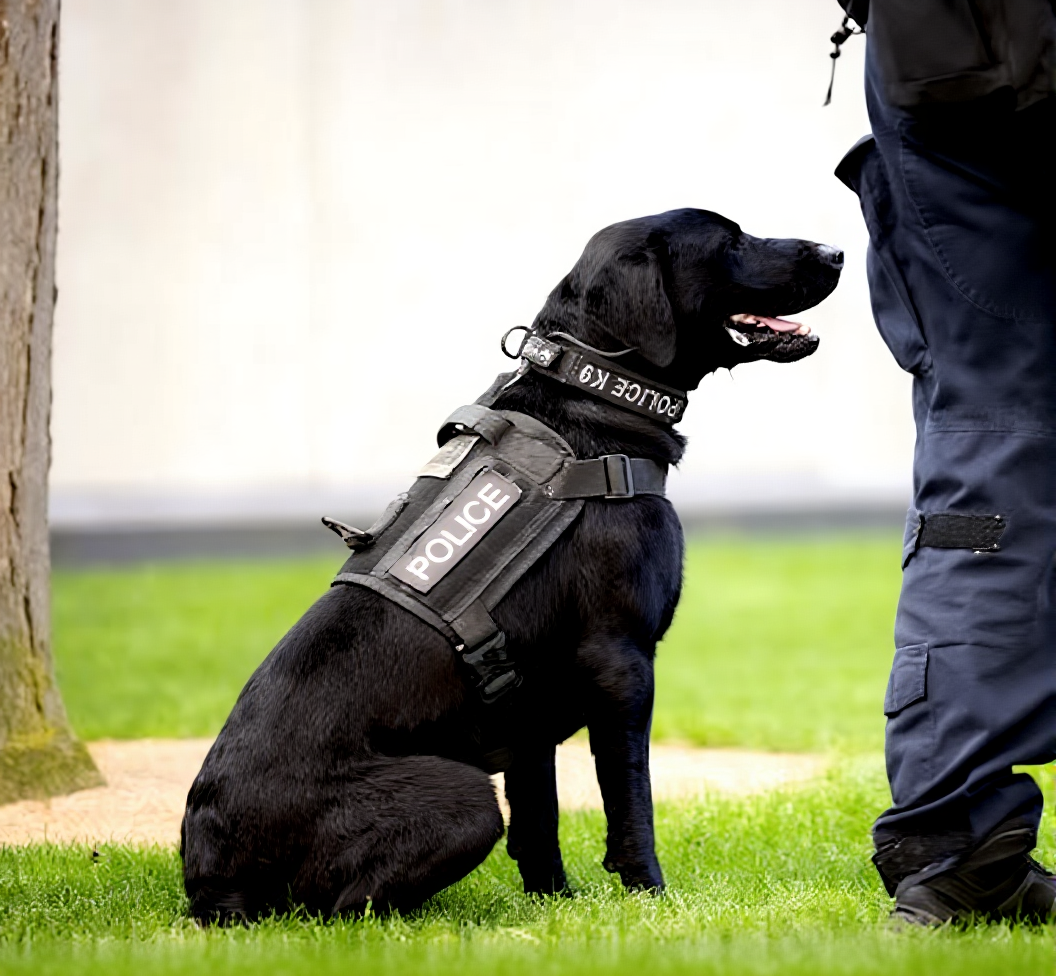
dogs identify false alarms

False alarms can drain time, energy, and attention on any guarded site. A quick trigger on a sensor or a sudden noise in the dark can set off a chain of reactions that lead nowhere. Yet trained dogs handle these moments with a kind of calm focus that feels almost instinctive. They work with alerts, not against them, and still keep a strong presence on the ground. When dogs identify false alarms, they do it in a way that protects the site without lowering the level of security. They stay alert, but they don’t waste energy on every small movement. Understanding How Dogs Interpret Alarm Triggers Electronic systems react to movement like heat or sound. But a dog reacts to the real source. This difference is what shapes the whole response chain. Why Canine Senses Offer Better Accuracy Than Electronic Alerts A dog processes things layer by layer. The nose can lead to clear traces. Electronic alarms can detect heat or motion, but they cannot tell a nervous intruder from a drifting plastic bag. But a trained K9 can pick that up fast. Their sense of hearing gives them more detail, too. The faint scrape of a footstep stands out even with the wind moving around a site. All of this gives them higher security dog detection accuracy than sensors alone. Distinguishing Human Behaviour From Environmental Noise Dogs study behaviour without being told to do so. They watch posture and movement around the site. They can sense tension and the rhythm of someone’s steps. A trained dog can even detect small changes in scent caused by fear. If something moves in a way that feels wrong, the dog reacts. This helps with false alarm reduction in K9 work, especially on large outdoor sites. How Pattern Recognition Helps Reduce Unnecessary Responses Dogs learn the daily flow of a site. This helps them to understand the site environment and how things work. They can notice when maintenance staff arrive and the sound of regular machinery. Over time, they build a mental map, and when something doesn’t match that map, they respond. This natural filtering cuts down on wasted reactions. These layered instincts are exactly what separates trained units from basic patrols, and why businesses turn to dog security services for sharper alarm filtering. The Science Behind How Dogs Identify False Alarms Training shapes instinct better and supports in protection. Dogs already have strong senses, but a structured security routine turns those senses into a reliable filter. Filtering Harmless Movement Using Scent Priority Dogs don’t treat every scent as equal. Human scent comes first. Wildlife, dust, and old smells sit lower in their ranking. If a sensor picks up motion from a fox or a drifting leaf, the dog checks the air. If the scent isn’t human, the dog often stays calm. This fast K9 alarm verification makes responses more efficient. Behavioural Cues That Signal Whether a Threat Is Real or False Dogs read the world with their bodies. Their breathing shifts and stance changes can indicate the handlers. They tilt their ears at different angles to pick out signs of life. When they sense a real threat, their focus sharpens. They stand still, point their nose, and lock onto the source. When the source has no real threat behind it, they relax faster. This natural adjustment gives teams more control. Environmental Factors: Dogs Instantly React Rattling metal, loose roofing sheets and a sudden gust of wind do not fool a trained dog. They know the difference between sound that carries intent and sound that’s just part of the environment. Their instincts push them to seek life, not noise. How Training Sharpens a Dog’s False Alarm Detection Ability Instinct alone is powerful in detecting any kind of threats. And training can make them sharp. The best K9 units go through layered drills that simulate real-site conditions. This lets dogs identify false alarms and alert handlers. Scenario-Based Drills That Build Better Judgment Handlers run dogs through different scenes, like an intruder’s hiding spot and the staff entry and exit path. Also, they let dogs roam around the site to understand it well. Over time, dogs learn which cues matter and which do not. These drills build trust in their own reading of events. Reinforcement Methods That Prevent Overreaction or Underreaction Reward systems guide dogs into measured responses. They get praise for staying calm when a false trigger occurs. They get a different reward when they catch the signs of a real intruder. This balance prevents them from becoming jumpy or dull. The Role of Handler Communication in Maintaining Accuracy Handlers don’t just give commands. They guide the dog’s attention when needed. A good handler watches the dog’s eyes, ears, and stance. And when the dog gives a subtle sign, the handler responds. That constant feedback loop keeps the K9 focused but steady. It also trains the dog to trust their judgment when alarms activate. Maintaining Strong Security Presence While Filtering False Alerts Filtering false alarms isn’t about doing less; it’s about doing better. A well-trained dog maintains a visible presence that feels alert but never chaotic. Why False Alarm Control Improves Site Confidence and Readiness When dogs waste less energy on fake triggers, they stay sharper for real threats. Their breathing stays steady, and their minds stay open. A trained dog moves with purpose instead of agitation. This calm presence builds confidence among guards and staff. Minimal Disruption to Regular Operations Dogs that understand false triggers avoid unnecessary confrontations. They keep patrols smooth and prevent any potential threats. This protection helps to not halt work unless needed. Their security measures protect both safety and workflow. The Balance Between Deterrence and Smart Response A calm dog can be just as intimidating as an active one. People feel their presence and know the dog is watching. But the dog stays focused and understands the environment better. That balance creates stronger site security without adding noise or tension. Conclusion Dogs identify false alarms with a mix … Read more
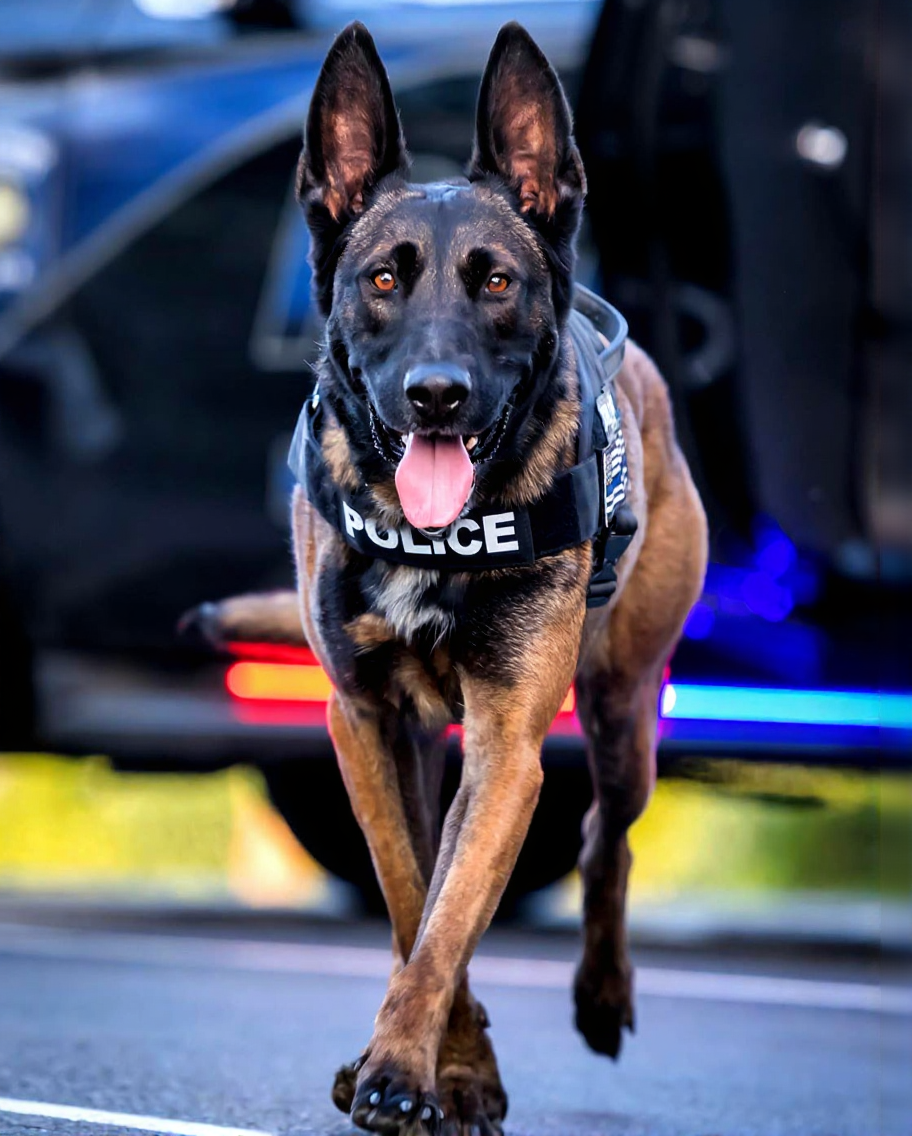
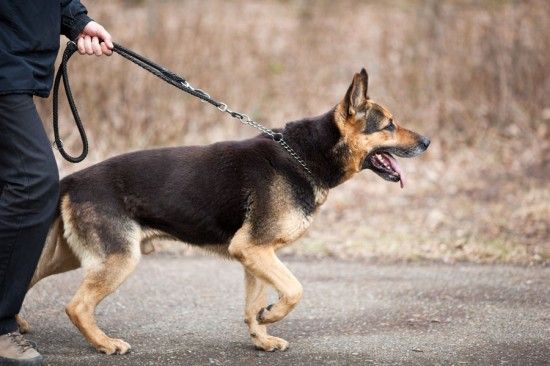
Why K9 Units Arrive Faster to Alarm Events During Night-Time Emergencies

Dogs respond fast to the alarm

Night-time alarms feel different from most. Everything is quiet, shadows stretch, and movement becomes harder to read. A small sound can echo across an empty yard. When an alarm goes off after dark, time suddenly tightens. In these moments, K9 units often reach the scene sooner than any other responder. Dogs respond fast to the alarm with their instincts and simple readiness. This gives them an edge that stands out once the sun goes down. What Makes Night-Time Alarm Responses Different? Things slow down for humans at night. Continuous watching can strain the eyes, and tech can miss details. These gaps appear where you least expect them. And a dark corner turns into a guessing game without a clear clue of the situation. Reduced Visibility and Slower Human Assessment A person walking into a dark space takes a moment to adjust. Even trained officers need to scan, think, and check angles. It’s natural, as darkness hides detail and creates a way for potential threats. A dog, though, reads the same space with no adjustment time. They don’t wait for their eyes to settle. They rely on other senses that stay sharp, no matter the hour. Increased False Alarm Rates After Hours There are many chances of false alarms due to blown sensors, a rattling door or a roaming animal. Many alarms at night turn out to be nothing. But you never know until someone checks. Responders must still move fast, yet they hold a layer of caution in the back of their mind. This hesitation can slow human teams. On a site, a single Dogs respond fast to the alarm and prevents the threats. Then they alert the handler if something feels off. Even a tiny behaviour change cuts minutes from the verification of the situation. The Risk Window Is Much Smaller at Night Intruders know night hides movement. They depend on darkness to escape. If responders move too slowly, tracks vanish. The chance to stop an incident drops away slowly. Speed becomes the only real defence and has to be impactful. Why K9 Units Excel in Night Conditions This is where K9 teams shine better than other security measures. Dogs respond fast to the alarm with their natural instincts. It carried them straight toward the source of trouble. Nothing in their response needs warming up. Rapid Readiness and Minimal Gear Setup Handlers don’t spend time loading complicated equipment or setting up visual tools. A dog stands ready when they senses something odd around the site. And once the command comes, the team leaves immediately. This shaves off seconds that add up quickly after dark. Dogs Detect Threats Before Humans Register Them A dog can hear a quiet shuffle far away and catch a scent drifting through a broken window. They can also hear footsteps brushing gravel. These tiny clues reach them long before a human notices anything. At night, these clues become more valuable because other senses weaken. Natural Ability to Track Movement in Low Light Light-level changes do not affect a dog the same way they affect us. Their ability to follow trails doesn’t rely on sight. They can trace scent paths that twist between buildings or run across wide yards. When an alarm triggers and an intruder tries to flee, a dog cuts the gap fast. How K9 Units Cut Down Alarm Response Time Several small factors add to one big advantage in security. Not just speed can solve the threat at the site. In terms of speed, it doesn’t indicate the movement, but the decision. Having a quick decision on a critical situation can save time.  Shorter Decision Chains With Handler-Led Dispatch Some teams need approvals or dispatch routing. A K9 team often works as a tight unit, and the handler gets the alarm notification and moves. There is no back-and-forth in the situation. And there is no need for long coordination when resolving the situations. This makes responses quicker on quiet night shifts. Immediate On-Foot Pursuit Before Intruders Scatter At night, intruders rely on disappearing fast, but K9 removes that advantage. The moment the alert is triggered, dogs respond fast to the alarm. Then the team reaches the perimeter, and the dog locks onto movement or scent and pushes forward. This immediate pursuit keeps suspects within reach, reducing the need for large backup teams. Night-Time Emergency Scenarios Where K9 Speed Makes a Difference Not all properties face the same risks. But some locations gain more from night-time K9 responses than others. Intruder Break-Ins at Warehouses and Storage Sites In warehouses and storage areas in construction sites, there are large doors and long aisles. It gives threats many hiding spots to camouflage from guards. These spaces slow down human responders, but with an alert, dogs respond fast to the alarm. This reaction fills those gaps in seconds. Agricultural, Industrial, and Remote Areas With Poor Lighting Wide outdoor yards at night can feel like an endless field. Lights barely reach the edges, and a dog will use scent to trails instead of relying on lamps or torches. Multi-Alarm Events Requiring Split Responses Sometimes multiple sensors trigger at once around the site. If it does, then guards must choose where to go first. A K9 team can handle one path while another officer checks a second point. This method allows you to cover all regions quickly and allows an effective split. Why Faster Arrival Reduces Real Damage and Liability A quick arrival doesn’t just look good on paper. It changes the outcome of the critical situation.  Early Deterrence Prevents Escalation Most intruders stop when a dog appears. Even before the dog reaches them, the bark is enough. This early pressure prevents fights, chases, and damage. Higher Chance of Detaining Intruders If someone tries to flee, the dog can keep up with their movements. This gives no delay and no long chase with the intruders. With professional K9 security, you can reduce risk for everyone involved. Lower Operational Costs Through Fewer False Deployments Night-time false alarms drain money … Read more

How Dogs Verify Alarm Activations More Accurately Than Human Patrols

dog verify the alarm accuracy

When an alarm goes off, everything moves fast. Lights flash, sirens shout, and you feel a push to react. In those few seconds, the space between doubt and certainty is thin. A human guard will walk in, look around, and then try to understand what set the system off. But a trained dog works in a different way. It doesn’t think about the noise. It doesn’t guess. It moves with purpose, using senses humans cannot match. This is how a dog verify the alarm accuracy far better than any human patrol team. Why K9 Units React Differently to an Alarm Trigger Dogs don’t pause to weigh options during an alarm. They rely on instincts shaped over the years. Their bodies switch into search mode the moment they step toward the scene. Their Search Pattern Is Driven by Instinct, Not Stress A guard might feel pressure when a loud alarm sounds. Even trained people can tense up or move more slowly in the first moments. But a dog does not freeze, and its breathing stays steady with great focus. The noise becomes background while the scent trail becomes the only thing that matters. Built-In Scent Tracking Gives Immediate Clues Fresh human scent sits in the air after movement. It clings to doors, gates, and corners. To us, the space looks empty. A dog reads that same spot like a page of bold text. The animal doesn’t need to see an intruder. It only needs a single strand of scent to know someone was there. Dogs Don’t Get Misled by Environmental Noise A guard might follow a rustle, a shadow, or a sudden echo. Dogs don’t chase random sounds. They follow scent first. This keeps them on a clean path, even in windy yards, dim warehouses, or long empty corridors where humans often second-guess themselves. How Security Dogs Cut Through False Alarms False alarms often waste time and energy. Birds hitting roofs and fences, or heavy winds, can trigger the alarm. Sensors pick up dust, heavy rain, or even spiders, which can also cause the alert. But dogs handle them differently. They can differentiate between them, that’s how a dog verify the alarm accuracy and supports their handler. Natural Ability to Identify Real Intruder Movements Real human movement gives off a warm, living signature. Dogs sense heat changes, and they can pick up breathing. They feel body tension hidden behind objects easily. Even a still intruder hiding in silence gives off clues a human can’t notice. Dogs Read the Environment Faster Than a Human Sweep A guard must walk around, scan corners, and maybe double back. A dog takes a single breath and already knows which direction to move. Scent concentration forms a line that leads them like a trail. They don’t search the site; they track. Decision Making Without Bias or Overthinking Humans think through scenarios and sometimes imagine threats that aren’t there. Dogs only react to what exists. If there is no scent or heat, or movement, they show it. If there is danger, their body language changes at once. It’s a clear yes or no, not a guess. Operational Examples Where Accuracy Matters Most Many sites depend on alarm accuracy because delays cost money, safety, and time. In these places, dogs stand out. A trained dog verify the alarm accuracy sooner than a handler, which can alert and prevent threats. Large Industrial Sites With Multiple Alarm Zones Some facilities stretch over huge sections. A human patrol might take minutes just to reach the triggered area. A dog arrives and instantly follows scent lines to the active point, skipping empty sections. Remote Storage Yards and Open Outdoor Spaces Wide outdoor spaces create guessing games for humans. Faint light and uneven ground make it harder. Dogs don’t rely on sight, which lets them move through darkness with the same confidence as daylight. Nighttime Patrol Conditions With Limited Visibility At night, everything slows down for humans. Dogs stay sharp as their senses don’t fade when the lights drop. This is why many night alarms get verified faster and more accurately by K9 teams. How a Trained Security Dog Verify the Alarm Accuracy When a trained dog responds to an alarm, the process is clear and controlled. This lets handlers differentiate false alarms from real ones. Step-by-Step Breakdown of a K9 Alarm Response The dog approaches with the handler. It takes a quick scent check as its nose maps the air and ground. A dog can move toward the strongest trail, as it can read the perimeter. Also, they can check entrances, and each movement is deliberate. Within moments, it gives a signal calm if nothing’s there, alert if there is. Why Dogs Give Clearer Positive or Negative Verification Dogs communicate with their bodies. Tail tension, ear position, stance, breathing. These cues show certainty. A handler sees these tiny messages and knows exactly what the dog is telling them. Handler + Dog Communication Creates a Closed-Loop Response The handler reads the dog, and the dog reads the scene. Together, the team closes the gap between alarm and outcome. False alarms end quickly. Real alarms move into action with no delay. Final Thoughts Dogs bring accuracy, speed, and instinct to alarm verification. They don’t hesitate or overthink as they rely on instinct. They track what is real and ignore what isn’t. This simple power makes them unmatched when alarms break the silence, and a clear answer is needed fast. That’s how a trained dog verify the alarm accuracy to let no mistakes enter the site. Frequently Asked Questions How does a dog know if an alarm is a real threat? Dogs do follow scent, heat, and movement. If none of those signs are fresh, they know the scene is clear. Are dogs faster than human patrols when verifying alarm triggers? Yes, dogs can track a trail within seconds. They’re done with the check even before a person finishes scanning the first corner. Do dogs reduce the number of false callouts in a security … Read more

Why Pairing K9 Patrols With Surveillance Systems Reduces False Alarms

K9 reduces false alarms of CCTV

False alarms often drain time, money, and energy. It may end up creating doubts about the real threat alarm. Anyone who deals with CCTV knows this well. One windy night can fill a control room with alerts that lead nowhere. A shadow moves with light exposure, a small animal crosses a path, and a branch shakes can create a false alert to the team. More sites now pair cameras with trained K9 patrols because the mix creates a clearer picture. A reliable system like K9 reduces false alarms of CCTV, and protection feels steady again. These two working together can give you a faster response and fewer errors. The Real Reasons CCTV Alone Creates Frequent False Alarms CCTV is useful for watching around your site. It watches every corner and records what the human eye misses. But still, a camera reacts to motion without knowing the cause. Many alerts come from harmless changes. These affect the safety protocols continuously. How Weather, Movement, and Shadows Trigger Unwanted Alerts A gust of wind can shift loose items to fall. It can also affect trees to sway, and birds to land near the lens. Also, passing clouds can alter the lighting, which can affect camera visuals. This lets the system sense movement and signals an alarm. The weather never stays still, and cameras cannot ignore it. When AI Motion Detection Misreads the Scene Smarter CCTV systems use AI to make sense of what they see. But even AI makes mistakes in some situations. A shadow, enough to look like a person or a passing vehicle’s headlight, can distort the frame. With sudden brightness or long shadows, the algorithm is often confused. It reacts as if something serious is happening nearby. That’s why most security services use dogs as k9 reduces false alarms of CCTV alerts. Limits of Remote Monitoring Without On-Ground Confirmation Remote operators sit far away and judge only what the lens shows. They do not hear sounds around the camera. They do not feel ground vibrations. They cannot smell a person hiding behind containers. Without an on-ground check, they sometimes escalate alerts based only on unclear visuals. The Core Advantage of Combining Dogs With Cameras CCTV covers the space around your site, and K9 teams cover the meaning behind it. When both work together, the system stops wasting effort. The dog and handler confirm what the camera cannot see or sense. K9 Patrols Help Verify Alerts in Real Time A camera sends an alert to the operator, and instead of guessing, a K9 handler moves quickly to the area. The dog’s senses act fast and are able to identify threats more easily. If no threat exists, the team closes the alert right away. If someone is hiding, the dog reacts long before the camera spots the movement, which allows the handlers to resolve the situation. This method cuts noise and brings more accurate results. Dogs Detect Human Intent Better Than Sensors Dogs do not rely on sight alone. They can smell changes in the air and pick up faint footsteps. They also hear movement far from the camera’s range. A dog can sense stress, fear, or a person’s presence even in darkness. Their instincts fill gaps that machines cannot cover. A K9 reduces false alarms of CCTV units and improves the protection. Patrol Dogs Stop Repeat False Triggers by Deterring Trespassers A site with visible K9 patrols rarely attracts intruders. People avoid areas guarded by dogs. With fewer trespass attempts, cameras face fewer suspicious moments. The site stays calmer, and the system produces cleaner alerts. Practical Scenarios Where K9 and CCTV Integration Works Best Some environments suffer more from false alarms than others. These places benefit the most from the mixed security system of K9 and CCTV feeds. Large Commercial Compounds and Open Outdoor Sites Open areas face constant movement, which could trigger the alarm. Wind, wildlife, and debris often confuse sensors. But having a K9 patrol acts as a stable verification tool. It confirms real risks without relying on visuals alone. Warehouses, Yards, and Construction Zones These sites often include loose materials, machines, and strange shadows. Cameras may misread small movements and trigger an alert. In these sites, having a K9 reduces false alarms of CCTV and ensures robust security. Dogs can detect people even when objects scatter the view. High-Value Storage Areas Needing Real-Time Verification Locations that store costly items cannot afford repeated disruptions. False alarms waste staff hours and energy to maintain tight security around the site. K9 patrols keep the process clean, quick, and accurate. Operational Benefits and Cost Savings From Fewer False Alarms Reducing false alerts is not just about safety. It cuts costs and frees teams to focus on real issues. Having a reliable K9 reduces false alarms of CCTV around the site. Lower Call-Out Fees and Fewer Emergency Escalations Each false trigger may lead to call-outs or extra manpower. Over time, this becomes expensive. With K9 verification, unnecessary responses drop. The site spends less and works more smoothly. More Efficient Monitoring Team Workflow Operators stay sharp when they deal with fewer empty alerts. Their focus improves with the help of the K9 system. They get to catch genuine problems around the site faster, because their patrols will not be filled with pointless checks. Improved Long-Term Surveillance Reliability When a system rings too often without cause, people stop trusting it. Once K9 patrols filter the noise, the system becomes reliable again. Each alert feels real, not like another false scare. Conclusion A camera sees movement, and a dog senses intent. Together, they create a balanced security model. The reliable K9 reduces false alarms of CCTV with their strong sense. Pairing these two can reduce false alerts and strengthen every part of the response chain. Achieving it can make sites calmer and focused. Alerts carry real weight, and operators can waste their energy on false alarms . This combination offers a level of security neither could achieve alone. Frequently Asked Questions 1. How do K9 … Read more

How CCTV Operators Use Dog Activity Cues to Validate Intruder Alerts

cctv validate dogs' cues

Dogs and cameras work well together to enhance the security system. One watches with instinct, and the other records with detail. When both react, the chances of missing a threat drop fast. Many CCTV teams now study dog behaviour as a live signal. This lets them treat those cues as early hints before an intruder shows on screen. It sounds simple, yet it adds a strong layer of truth-checking inside the control room. Benefits of CCTV validate dogs’ cues go well with guards and increase the protection layer of the site. Why Animal-Based Signals Matter in Modern CCTV Monitoring Dogs sense things people miss. Their ears twitch at faint steps. Their noses pick up scents drifting across the fence, and their posture shifts long before a camera spots movement. CCTV operators know this, and they expect dogs to notice trouble early. When the cameras activate at the same time the dog stiffens or stares at a corner, the alert becomes more reliable. The Natural Instinct Advantage Dogs Bring Into Surveillance A dog does not overthink. It reacts because something changes around it. A faint knock, an odd smell carried by the wind or a quiet scrape. These tiny details make the dog pause or growl. Operators draw meaning from these movements. They treat them as early flags that something ahead is not right. And guards can identify threats by CCTV validate dogs’ cues, and make quick decisions. This level of behavioural awareness is why professional K9 dog security services are used alongside CCTV. Trained dogs provide real-time cues that help operators confirm whether a situation is developing or harmless. Combining Digital Detection With Biological Behaviour Cameras detect motion by patterns and pixels. Dogs react to the world in a more complete way. When both systems point to the same area, the operator gains confidence. A motion alert paired with a dog’s sudden shift in stance makes the intruder risk harder to ignore. The mix of these signs reduces guesswork. Understanding Dog Behaviour as a Surveillance Indicator Dogs speak without words. But you can understand through their signals, like movement, breathing, and sound. CCTV teams learn these small details. They watch for the moments when the dog changes mood. Common Dog Responses That Suggest a Possible Intruder Even though dogs can sense quicker than a camera, some signs can be quick, and some will be slow. A dog may freeze for a second and focus its eyes on a gap in a fence, and it also raises its head and listens to the surroundings. Sometimes it stares into the dark as though it hears something far away. Low growls, stiff legs, pacing near gates, or sharp barks carry meaning. Each signal gives the operator a clue. How CCTV Operators Interpret The Timing of These Cues A fast reaction after a small noise can show urgency. A delayed reaction may link to a distant smell drifting into range. Understanding it can help with CCTV validate dogs’ cues and control the site security. Dogs also have “normal” patterns with them. Some wander around the site, while some sit near their handler. When the pattern breaks, operators know something has changed and need to investigate. When Dogs React Without Visible Threats on Camera Sometimes nothing appears on screen, yet the dog stays alert to the site. Cameras can miss blind corners or covered areas, but dogs may react to scent or sound cues left behind. This mirrors how trained police dogs detect subtle threats, as outlined by the NPCC. Operators then widen checks to less visible spaces. How Operators Use Behavioural Patterns for Early Threat Verification A steady pattern over time shapes stronger judgment. Operators link reactions to moments, zones, and known site habits. Linking Camera Zones to Dog Reaction Zones When a dog stares at the east fence, operators check that camera first. If the dog moves toward the rear gate, they shift attention there. They map reactions to the camera layout. This helps them locate trouble in areas the cameras see poorly. Using Sound Analysis Alongside Dog Reactions Mics sometimes catch faint audio spikes, rustling leaves, metal tapping, and footsteps. If a dog reacts at the same time, operators take the noise more seriously. The sound supports the reaction; this makes CCTV validate dogs’ cues to find the threat and handle them. Integrating K9 Behaviour Into Remote Monitoring Protocols CCTV teams include dog cues in their standard process. This helps them to identify the threats and handle them sooner. They also treat each reaction as a data point to improve the future protection process. Operator Decision Steps After a Dog Cue Is Detected When the operator notices the dog has started to act differently than before, they check the nearest camera first. Operators do scan the full area and review previous alerts. If the signals match, they escalate to a guard or mobile unit. The steps stay simple, as the timing matters. How K9-Based Validation Improves Guard Dispatch Accuracy A strong cue makes dispatch faster. Operators can send guards to the right corner instead of searching the whole site. This saves time and stops threats sooner. Also, upgrading your alertness by combining a dog and CCTV can improve the protection. Future Tech That Enhances K9-CCTV Collaboration With the recent innovations, technology is catching up with canine instinct. More tools now study sound, timing, and movement patterns. And utilising the AI in the security support improves more than before. It helps to store the data, analyse it faster and provide reliable information to handle the situation. AI-Enhanced Audio to Detect Bark Patterns New systems can separate playful bark tones from serious warning barks. This helps operators filter out normal noise. Also, they can catch up to any dog alertness to prevent a threat from affecting the site. Behaviour-Tracking Software for Kennel and Patrol Dogs Some tools track the long-term behaviour of dogs. This lets them understand their nature and alertness to improve situational awareness. They show what is “normal” for each dog … Read more

How Remote Monitoring Teams Dispatch K9 Units With Precision and Speed

Remote Monitoring Teams Dispatch K9

Threats do not wait for a time or season to pass. A quiet yard can shift from still to tense in a moment. Large open sites, lonely industrial yards, and wide storage spaces all carry the same risk. Without reliable protection, someone can slip in without warning. K9 teams sit at the centre of many high-risk responses. But they work at their best when the call reaches them at the right second. In critical situations, remote monitoring teams dispatch K9 units, which change everything. They watch, filter, direct, and trigger the dispatch that gets K9 units moving fast and sharp. Why Speed and Accuracy Matter in K9 Deployments K9 units move with instinct and discipline, yet they rely on clear commands. When a threat appears, hesitation leads to confusion. A handler may know the site well, but without full sight of the area, they start with gaps. And remote monitoring rooms assist in closing those gaps. They see whole yards at once and are able to track movements around the site. Also, they can spot danger long before it touches the main building. A good decision sets the timing in a critical situation, and the timing shapes the outcome. How Remote Monitoring Teams Detect Risk Early Remote command hubs run around the clock. They look at screens pulling feeds from wide angles, corners, rooftops, and fence lines. With so many views on the monitor, even small movement stands out more in light. Using Multi-Layer CCTV Feeds to Spot Human Movement Patterns Operators watch how people move inside the perimeter. They look for slow pacing, crouching near a fence, or someone trying to stay in shadows. Multi-layer coverage means the same spot is seen from different sides, so a suspect cannot slip behind a blind spot. Intelligent Alerts That Trigger Human Review Motion analytics flag steps, jumps, or any odd pattern around the site. But nothing moves forward until a human checks the alert. Operators often compare the clip with live footage. They confirm each alert to determine whether it is real and filter out harmless triggers like animals or branches. This short review step speeds up the path to action. Building a Risk Profile Before Deployment Once a threat seems real, operators do a quick profile. They started to note down every question, like how many intruders? Are they holding tools? Are they walking fast or looking around? Are they heading towards a storage shed or a gate? These can help K9 teams understand the scene, so they avoid surprises on the ground. How Remote Monitoring Teams Dispatch K9 Units Better Remote security monitoring relies on dedicated monitoring centres that receive signals from CCTV, alarms, and sensors, verify genuine threats, and coordinate appropriate response actions before deployment decisions are made. After confirmation from the control side, everything turns fast with a quick decision. Timing matters more than anything. Clear communication sets the pace for the K9 team. Secure, Fast Communication Channels Between Command and K9 Handlers Operators send alerts through dedicated radio bands or encrypted apps. As long as messages take time, keep them short and give only direct facts. Such as Location, movement direction, visible objects, and any risk for the handler. This cuts the delay, and having a clear call saves minutes. Real-Time GPS Tracking and Route Mapping While the handler moves, the monitoring room tracks their route. GPS shows the best access point, nearby exits, and any blocked path. The team guides the handler, so they reach the right angle without wasting time circling buildings. Tactical Coordination Between CCTV Operators and K9 Handlers Dog security services turn remote intelligence into immediate action. When handlers receive clear location data and movement updates, dogs reach the right area faster and with purpose. This reduces uncertainty during live incidents. As the handler approaches, operators continue watching intruders. They relay updates every few seconds. If a suspect hides behind bins, runs to a van, or tries a back gate, the handler knows before the dog even reaches the corner. This tight link keeps the K9 team ahead of the threat instead of chasing from behind. Enhancing Speed Through Technology and Automation Digital tools push the entire response into a faster lane. Everything that removes manual steps helps the K9 deployment happen without noise or delay. This supports faster action on remote monitoring teams dispatch K9 units. Integrated K9 Dispatch Software That Reduces Manual Steps Some sites use central dashboards that group all actions. One tap triggers alerts, logs the incident, and notifies the handler. No juggling between many apps and no extra screens. Just a clean workflow that gets the team moving. Seamless Data Sharing Across Platforms CCTV feeds, alarm triggers, access control logs, and K9 tracker tools all link into one flow. This unified data stream lets operators see the whole story at once. It keeps the handler informed and removes the guesswork that often slows down urgent responses. Outcomes: What Precision and Speed Achieve on the Ground Higher Deterrence and Faster Suspect Interception Intruders rarely stand against a well-timed K9 approach. The speed of the dog, mixed with remote oversight, pushes suspects to give up early. Many run, fall back, or freeze once they see the handler arrive with such accuracy. Reduced Risk for Security Staff and Property Owners A handler who enters a site knowing the intruder count and route faces less uncertainty. This lowers the chance of close-range issues. It also protects property owners from more serious damage. Because the response cuts the intruder’s window of action. Strengthened Evidence Collection and Reporting Every movement recorded during the incident carries time stamps. The footage, dispatch logs, GPS data, and operator notes create a clear report. This helps the property owner understand what happened and supports any legal steps. Conclusion Remote-guided K9 responses grow sharper in their security duty. Better sensors, quicker alert systems, and strong dispatch software reshape how teams work. As technology expands, remote monitoring teams dispatch K9 units with a better method. This allows the … Read more

Why Dogs Improve CCTV Monitoring Accuracy During High-Risk Incidents

dogs improve CCTV accuracy

When a place faces real danger, every second feels heavier. To understand the situation, Cameras help better. But machines don’t sense fear or movement the way a living creature does. This is where trained dogs step in to handle the threat. Their instincts work in ways that camera screens never match. Many teams now mix K9 support with CCTV because the two together make a stronger, sharper system. When pressure rises, this mixed setup cuts through the noise and gives operators better clarity. That is the heart of how dogs improve CCTV accuracy when things get risky. How Trained Dogs Improve CCTV Accuracy in Real High-Risk Situations CCTV gives additional eyes around the site. In comparison, dogs give you awareness of your surroundings. When both run side by side, the control room gains an additional layer of insight to understand the situation. This makes decisions easier, faster, and more accurate. The Sensory Advantage That CCTV Cameras Cannot Match A dog hears the tiny scrape of a shoe long before a camera catches the movement. They pick up smells drifting through air vents, hallways, or open yards. Operators watch several screens at once, which makes them feel unsure when the footage looks unclear. But a dog on the ground reacts with certainty when something feels wrong. Their alert helps the operator look closer, zoom in, or shift cameras to the right angle. It saves time and sharpens the response to act better in a situation. How Dogs Reduce False Positives and Missed Alerts in CCTV Rooms Control rooms get overwhelming during long shifts with Screens blinking, and Movements overlapping. People do wander in and out commonly. It’s easy for a human to overlook the one moment that matters. A trained dog reacts when something is genuinely unusual. They do not waste attention on harmless activity. Because of that, handlers and operators get cleaner signals. It becomes easier to tell the difference between background noise and a real threat. That small difference, in high-risk moments, has huge value. Enhancing Threat Detection During Night-Time and Low-Visibility Events Night footage can blur things. Also, external obstacles like rain, fog, smoke, or crowds make cameras struggle. A dog’s senses stay sharp and notice movements behind structures, under shadows, or inside blocked corners. These are the places even cameras fail to reach. When the dog shows alert behaviour, the operator knows exactly where to check. This makes low-light surveillance more accurate. This saves those extra seconds that matter during a developing incident. Immediate Human-K9 Coordination for Faster Incident Escalation During a high-risk event, hesitation causes problems. CCTV operators often need confirmation before escalating. When the dog responds first, the operator gets that confirmation. If a suspicious figure moves across a blind spot, the dog reacts instantly. That tells the control room the threat is real. According to the Centre for the Protection of National Infrastructure (CPNI), layered security approaches reduce reliance on single data sources during live incidents. Independent confirmation from on-site resources helps prevent misjudgment when alerts arrive under pressure. Operators escalate quicker. Response teams move with confidence instead of doubt. That short, simple chain makes the whole system more accurate and more effective. Why Dogs Strengthen CCTV Systems During High-Risk Emergencies Cameras record what the eye sees. Dogs understand the atmosphere of the moment. When emotions surge, their instincts fill the gaps left by digital tools. Behavioural Detection That Cameras Cannot Interpret Alone A camera shows a person walking. A dog senses tension in that walk. Subtle changes in breathing, speed, or body posture alert trained dogs even before a person makes a move. In emergencies, this intuition helps operators understand what the camera footage cannot explain. Dogs feel the things that visuals fail to show. This improves judgment during chaotic moments. How Dogs Support CCTV Operators During Crowd Surges, Panic or Violence Crowds move in strange patterns during panic. In this situation, the on-screen visuals look messy and confusing. At the moment, a dog on the ground can remove the tension in the air. Their presence creates order and trust among crowds. People step back and make a space to move easily. This supports the operator as they can track movement on the screens without any interruption. When the dog signals a point of danger, operators zoom in and catch details they might miss on their own. Bridging the Gap Between Digital Evidence and Real-World Movement CCTV shows what has already happened. Dogs sense what might happen next. This predictive instinct is what gives the combined system its edge. When a dog pauses, listens, or shifts posture, handlers know something is forming. Operators can also prepare early, adjust cameras, and follow the right zones. This creates a smoother link between video evidence and live movement. The Growing Role of K9–Technology Integration in Modern Security Security today blends hardware with instinct to have better protection. Teams realise that no machine matches the alert of the sense of a trained working dog. And no dog can replace the clear record of a camera. Together, they build a more reliable picture and solid security. How K9 Units Work With Live CCTV Feeds in Modern Control Rooms Dogs trained to respond to specific cues to help operators prioritise their screens. A sudden bark, a focused stance, or a change in breathing is enough. This tells the operator which zone might need attention. Instead of watching every corner at once, operators follow the dog’s signals and review the feed. Pairing Canine Instinct with AI-Supported CCTV Systems AI spots patterns after any threats appear. But dogs can sense them early. When a dog reacts before the camera picks up the threat, the AI system later learns from that moment. Over time, this improves the system’s accuracy. This upgrade in security lets dogs improve CCTV accuracy for better protection. Why Many High-Risk Sites Prefer a Mixed Approach Over Tech-Only Security People think twice when they see a trained dog on site. Their presence alone can lower the chance of … Read more

How K9 Units and CCTV Towers Combine Into an Ultra-Strong Deterrent System

CCTV Towers with K9 System

In modern security, relying on just one method is not enough for better safety. Both cameras and sensors are the best equipment for security. They do watch and detect around the site. But what if the intruder is fast, clever, or knows the blind spots around the site? That’s where K9 units step in to prevent these kinds of trespassers and ensure safety. Both CCTV towers with K9 system can combine and provide a robust security service to the site. The blend of mechanical vigilance and living can create a stronger deterrent to your site. Why CCTV Towers Alone Cannot Address Every Security Gap CCTV towers are excellent for observation. They offer a high vantage point, cover wide areas, and can record evidence around the clock. But they, too, hold some shortcomings, as CCTV towers have their limits. A camera can only see around the site but is unable to physically intervene against the threats. And the delay between spotting and responding can affect the situation. A second can make a difference in fast-moving incidents. The Delay Between Visual Detection and Physical Response Creates Risk Even the most advanced CCTV system can only be used to alert human operators. A thief moving quickly might slip through before anyone can act. In a way, cameras are like an alarm bell; they might be useful, but they act reactively rather than proactively in a situation. And that’s the reason most services prefer combining CCTV towers with K9 system. Blind Spots and Environmental Restrictions Reduce Coverage No matter how tall the tower or how wide the lens, obstacles always exist around the site. Walls, machinery, low light, weather, and even foliage can cause no visual on the monitor. These make things tough for guards in finding hidden intruders. A camera might see “something,” but it won’t always see everything around the site. How Intruders Outsmart Static Camera Systems Intruders can learn patterns of camera movements. If they watch the cameras all the time to notice the timing, they can escape from the watch. After noticing everything, they avoid lights and choose the easy entry points based on blind spots. Even advanced systems can’t anticipate every move of intruders, not without help. Why K9 Units Add a Live, Physical Layer That Cameras Cannot Match Dogs bring instinct, mobility, and presence to your site. A K9 unit is more than just a guard to deter any trespassers. They act proactively in deterring rather than installing any CCTV around the site. It senses the trespassers, moves fast, and acts intimidating towards intruders. This is where professional K9 security services add real value, bringing instinct, movement, and immediate deterrence that static systems cannot replicate. Sensory Capabilities That Detect Threats Before Cameras Do Dogs can detect movement, smell, and sound far beyond what cameras and sensors can capture. A handler and a K9 together act as a strong deterrent to threats. They can react to unusual sounds or scents that a machine cannot recognise. This early warning can prevent incidents before they escalate. Patrol Flexibility That Covers Areas Cameras Miss Trained dogs do move, adapt, and vary their routes. They don’t just stay in a fixed point of view. A trained dog can patrol the paths that cameras can’t reach. They can also climb or descend terrain and adjust their patrol schedule. Randomised routes make them unpredictable and highly effective. High-Level Deterrence from the Dog-and-Handler Presence Sometimes, deterrence isn’t about detection; it’s about visibility to prevent any kind of threats. A dog on patrol acts as an obvious warning to potential intruders. When a trespasser sees the dog and the handler, they think twice before trying anything. The BSI Security Dogs Code of Practice sets out that general-purpose security dogs are deployed to provide active deterrence and controlled response on sites where surveillance alone cannot intervene. The guidance highlights the value of visible dog-and-handler patrols in reducing intrusion attempts across large or exposed areas. The randomised CCTV towers K9 system: A Strong, Dual-Layer Deterrent This system is where technology and biology meet to improve your site security. By combining randomised CCTV towers with a K9 system, sites become hard to predict. And they become even harder to breach. How Randomised Tower Positioning Makes Sites Harder to Scout and Target Intruders usually look for patterns of fixed cameras, repeated patrols, and predictable paths. This lets them know more about timing and creates a plan to enter the site by using these blind spots. But randomising tower locations will change the game. You no longer give away your coverage. Every corner and every entry point has the potential to be monitored at any moment. K9 Patrols Filling the Gaps Mechanical Systems Cannot Reach A trained dog can respond where a camera’s view cannot be reached. Narrow alleys, dense storage areas, and hidden access points can be tough for camera view. And these become covered by unpredictable K9 routes. While cameras observe from above, dogs cover the ground to ensure no threats have entered the site. Together, they leave almost no room for blind spots. Real-Time Alerts That Trigger Faster Handler Response on the Ground When a CCTV tower detects any kind of movement, it notifies the handler and the dog. This can let you move in instantly. This combination of a CCTV tower with a K9 system ensures immediate response and is effective against threats. How Surveillance and Canine Teams Work in Sync During a Security Breach Step 1: Tower Sensors Detect Abnormal Motion or Perimeter Breach CCTV towers do watch over the site, and if they detect any kind of motion, they trigger the alert to guards. This system doesn’t need rest even at night, so make sure to watch your site. Step 2: Remote Monitoring Team Assesses and Confirms the Threat Operators review every live footage of the site. They check around and assess the risk to identify any threats that have been breached. Then they can determine the appropriate response to it. Step 3: K9 Unit … Read more

How Security Dogs Respond to CCTV Alerts Faster Than Manual Operators Can

dog respond CCTV alert

CCTV acts like a pair of eyes to watch your site. But eyes alone cannot solve the threats. They are slow when danger moves with no warning. A camera can see the moment something shifts, yet the response depends on a human who must spot the alert. They have to check the feed, think for a second about controlling the situation, and then act. In that short slice of time, trouble can slip across a fence or run deeper into a site. On the other hand, the security dogs do not wait and think about a detailed plan. They are trained to defend in these situations. A dog can act on instinct, but with further training, they can be controlled and be a protector. Their bodies, senses, and instincts pull them forward fast. When a CCTV alert reaches a handler, the dog is already on the move. This mix of tech and nature often beats manual operators by a wide margin. Why CCTV Alerts Need Fast and Accurate Response CCTV feels modern and makes you feel safe with its constant watch. But the delay is what makes it a disadvantage. Only CCTV is not enough for your security protection. The operator must watch many screens at once. They have to think, adjust, and sometimes miss the moments needed to be noticed. Research shows that CCTV can reduce crime by around 13% in areas where it’s installed, and when paired with other physical security measures, reductions can reach up to 34% but this still leaves a significant gap in active prevention. The Delay in Human Monitoring and Manual Decision-Making When many monitors glow in front of a person, attention spreads thin. Even trained eyes get tired and can cause you to lose some visuals. Alerts pop up in the corner, but a guard can’t ensure every pop-up because some look real and some do not. The operator must zoom in, check angles, and confirm what they see. This causes the delay in passing the order to the outer guards. Every step adds time and delays passing on the order. By the time they speak into the radio, the threat may already have moved. A person running across a yard can cover a distance before the operator finishes their call. How Real-Time Threats Move Faster Than Operator Action An intruder does not wait for a human to understand a picture. They won’t move in straight lines to get them easily. They do climb, hide, or rush to the next spot. Still, a camera can capture it, but the human behind the desk still needs a moment to understand. That gap allows the intruder to escape from the space and enter the building or hide in hidden spots. The Biological Speed Advantage of Security Dogs Security dogs do not need to view a screen. They do not need context or time. Their bodies are tuned for motion. If their senses find anything odd inside the site, they check through the area and alert the guards. Also, they keep up to locate intruders as they stay sharp even in still silence. This speed advantage is exactly why trained K9 security teams are used on sites where response time matters more than observation alone. Natural Sensory Power That Detects Threats Before They Are Seen Dogs smell danger before it walks into light. They hear small sounds far away and alert the handlers. A faint footstep, a quick shift in wind, or the scent of a stranger can push them into alert mode even while the handler is still processing the message. As for the camera, it cannot smell intruders, and it cannot track them down to the other side of a fence. But a trained dog can get the hint in a second. How Canine Reflexes Cut Down Every Millisecond in Response Time Dogs have no pause button in their instincts, nor do they require support to view around the site. When a handler signals towards them, they respond. When they pick up a scent trail, they follow it to find them. There is no doubt or delay in their instinct. Their reflex is immediate, sharp, and focused. Every millisecond saved will become the extra ground gained. Why Dogs Track Movement Faster Than Human Eyes A Dog’s mind connects scent, sound, and movement in one quick sweep. They can lock onto a direction without scanning or adjusting the way operators do with camera angles. This gives dogs an edge the moment they start moving. How CCTV Alerts Trigger a K9 Response on the Ground When a CCTV feed shows something off, the alert reaches the handler. The dog is ready to move long before a manual operator can leave their seat. Dog Respond CCTV Alert – The Speed Chain From Screen to Action Here, the primary keyword fits. When a dog respond CCTV alert, the chain feels instant. The handler gets the call. The dog, already alert and set, starts moving. It becomes one fluid reaction from screen to paws, hitting the ground. The dog does not look for reasons. It follows trained cues that tell it where to go and what to do. This speed beats the slow process of a human operator reviewing footage or calling other staff. Pre-Trained Route Memory Helps Dogs Reach Points Faster Security dogs learn paths the same way people remember their home. They know the short turns, the hidden corners, and the open lanes where speed matters. This built-in map cuts down travel time. The operator takes his time to understand the situation and orders the guards to reach the gate. In the meantime, a trained dog will already be halfway there to prevent the threat. Why Do Dogs Chase Directly While Operators Still Analyse Footage Operators need proof before they act. They have to verify whether it is a real threat or a false alarm. So, they do zoom in on the visuals and rewind the video to monitor closely. Then they check the angle to … Read more

Why CCTV Alone Cannot Prevent Crime Without the Support of Trained K9 Units

CCTV alone vs K9

Many sites rely on cameras to keep people and property safe. It gives a modern feel and also lets you stay secure. A lens that never sleeps impresses everyone to get it. Yet when trouble appears in real life, a camera can only watch. It cannot react to the situation or cannot block a gate. This is why CCTV alone vs K9 has become such a loud debate in the security world. When a trained dog team stands beside CCTV systems, the whole setup changes. There is weight in the air. A dog notices small moves, faint sounds, steps in the dark, and things a camera might miss. Together, both tools create a stronger shield. On their own, cameras do a helpful job, but they cannot carry the whole burden of protection. CCTV Helps, but It Cannot Act on Its Own A screen can show what is happening. And it can record a face, a hand, a shadow, or a break-in attempt. But it cannot step into the scene and prevent any kind of threats. Even the smartest system still depends on a human. They can watch the situation from the control room and analyse how to resolve the situation. The Limits of Tech When Confronting a Live Threat If someone climbs a fence or tries to force a door, the camera captures it and records the feed. But that is all they can do. Suppose your site has no presence on the ground. And there is no human presence to guard the site’s surroundings. It can create a path for intruders to enter the house. Tech can only see the situation; it can’t prevent or resolve the threat. This gap brings both CCTV and K9 guarding apart and shows the importance. Slow Response Time When Human Teams Are Far Away A remote operator may notice something and call for help. Yet help can be delayed as they must travel to reach. This delay can create space for the offender to run, hide, or cause more harm. Offenders can be caught on CCTV, but the damage can’t be prevented. Blind Spots and System Failures That Criminals Understand Well Every camera has limits. They do have some disadvantages like corners, low light patches, glare from lights and sudden fog. These can affect the camera’s vision and make guarding tough. Even a small outage can leave a whole area unchecked. People with intent know how to move through these spaces. They walk with care, testing each spot until they find a path. What Trained K9 Teams Bring That CCTV Cannot When a dog team steps into a site, the atmosphere shifts. A dog does not rely on light or electricity. It can sense movement through smell and sound. And it follows trails that a person cannot see. This is where physical deterrence, real-time response, proactive protection, and threat detection come alive. Guidance set out in the BSI Security Dogs Code of Practice explains that trained security dogs are deployed to provide active deterrence, controlled response, and reliable detection in live environments. The code recognises that dogs are used to support security operations where technology can observe but cannot intervene, particularly across large or open sites. The Strong Physical Deterrence That Changes Offender Behaviour Most offenders back away when they notice a trained dog. It is not because the dog is loud or feels threatening. It is because it is present and it can alert its handlers. A dog’s stance, alert ears, and focused eyes send a signal that cannot be ignored. If they identify you, then they can alert the guards and find you more easily. Most intruders fear entering houses with dog security because the risk is high. Trained dog security services are built around this visible presence. The handler and dog patrol together, moving through key access points, open ground, and boundary lines where cameras often struggle. This movement reinforces the warning intruders already sense. It shows the site is actively watched, not passively monitored, and that any breach will be detected early and dealt with on the ground. Real-Time Response That Fills the Gap Left by Cameras When something happens, the handler and dog move at once to identify the issue. There is no waiting for a car, and there is no delay. With a handler and a dog, you can cover a large site. They stay on the ground towards risk and are ready to act. That quick response cuts down the time an intruder has to cause harm. Proactive Protection That Stops Crime Before It Starts A dog’s patrol is not passive. They often move around the site and check around to verify nothing is unusual. Also, trained dogs do listen to their handlers and detect any danger through smell. It covers areas that cameras might not reach. Many intruders turn away before they even try because the presence alone makes the site feel too risky. CCTV Alone vs K9: Why a Joint Setup Works Best When cameras and K9 units work together, the site gains both eyes and action. The combination builds a barrier that feels alive, not static. This makes the CCTV alone vs K9 debate fade away, as using them both can enhance your site security. How Tech and K9 Units Boost Each Other CCTV spots early signs of any intruders into your site. And a dog can also respond to the smell of any intruders. A dog notices shifts. The guards can confirm the threats by understanding that both the camera and the dog detect an unusual presence inside the site. Each one fills the other’s weak points. This makes the whole setup more stable and flexible. Faster Threat Detection With Eyes, Ears, and Trained Instinct A dog’s instinct catches things long before a camera picks them up. It hears faint metal sounds and also picks up fast movements. A dog can sense unease and alert its handler. This makes managing the site easier. The handler can identify the threat by noticing … Read more