
How Security Dogs Respond Differently to Fire, Panic, and Intruder Alarms
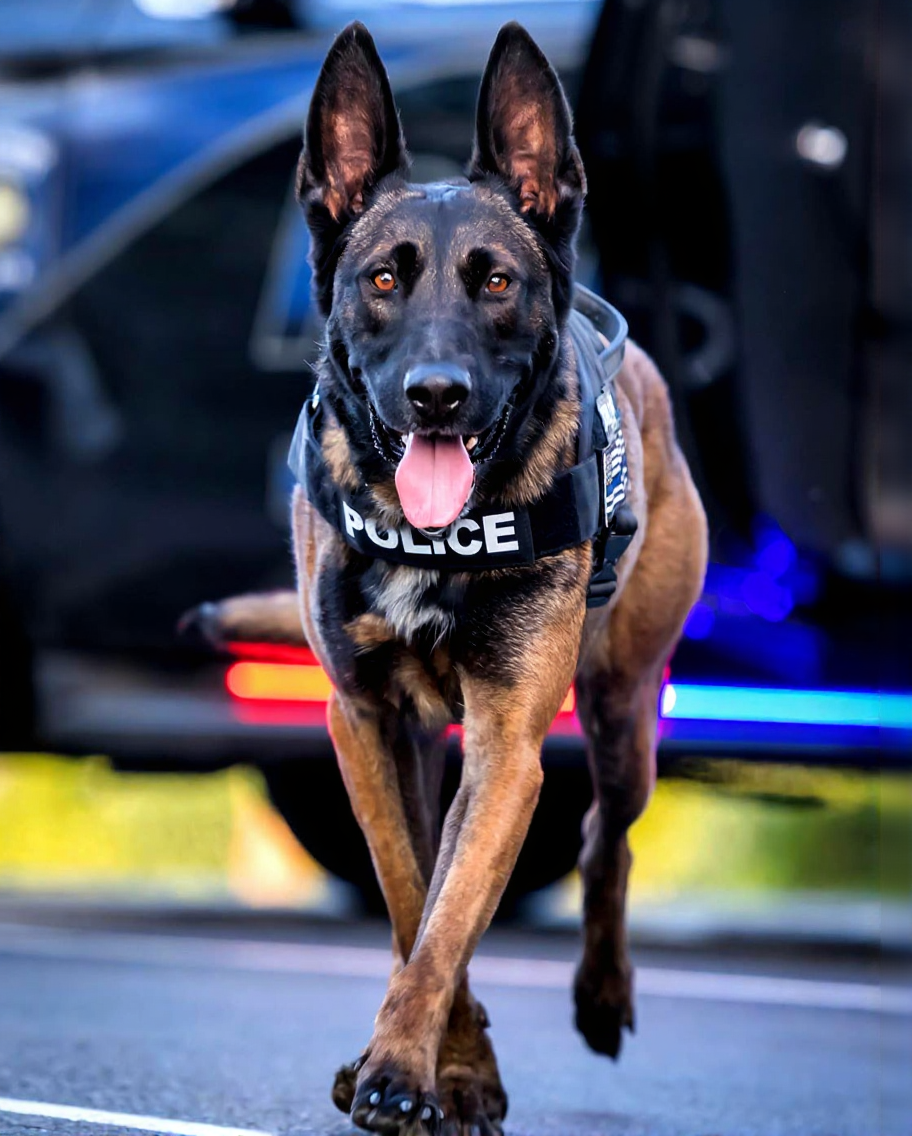
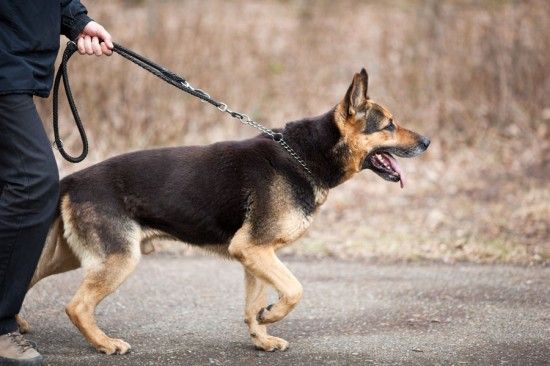
Security dogs hear things that we miss often. They sense changes in pace, tone, and tension before most people realise something is wrong. But what many don’t know is that these dogs do not react the same way to every alert. Their training teaches them that each alarm carries a different meaning. When dogs respond to different alarms types, the shift in their behaviour is not random. It’s precise and shaped by drills, exposure, and handler guidance. Below is a close look at how the same trained dog reacts in three very different alarm situations, like fire, panic, and an intruder. Why K9 Response Varies Across Alarm Types A modern security environment relies on alarms to send quick messages. Fire alarms warn about hazards, and panic alarms signal human distress. Following it, Intruder alarms point to a direct security breach. A Dogs respond to different alarms as they starts to learn during training. In a continuous task of learning, they start to treat each sound as its own instruction. This is where contextual training comes in. The animal ties the pitch, rhythm, or tone to the task it needs to carry out. How Conditioning Shapes Alarm-Specific Behaviour Security dogs go through drills that mirror real scenarios. Trainers expose them to controlled sounds so they learn the difference between alarm tones. Over time, these repeated drills create muscle memory. The dogs respond to different alarms and act accordingly. When they hear a fire alarm and know it’s not time to chase. It hears a panic alarm and knows someone needs help. It hears an intruder alarm and sharpens its focus for a possible threat. This conditioning cuts hesitation and turns reaction into instinct. Security dogs go through drills that mirror real scenarios. Teams working in dog security services are trained to distinguish tone, pitch, and urgency. The Role of the Handler During Alarm Activation Handlers guide the dog’s posture and pace. A quick hand signal or shift in the lead is enough to confirm the type of response needed. The dog reads body language as much as it listens to sound. This partnership prevents confusion when seconds matter. How Security Dogs Respond to Fire Alarms A fire alarm changes the environment. Heat or smoke may already be present, making escape tough. The Dogs respond to different alarms with their training. And they understand this alarm has nothing to do with human aggression. It signals danger in the environment. So the goal for it becomes movement, protection, and calm control. Calm Evacuation Support Rather Than Aggression When the fire alarm rings, the dog stays steady. It walks beside staff and guides groups along evacuation routes. The dog keeps a soft pace, pushes no one, and avoids any signs of agitation. A barking dog in a fire evacuation can cause chaos, so training teaches it to stay silent and focused. Smoke, Heat, and Environmental Awareness Training Some dogs are trained to work in mildly smoky areas, so they learn not to panic at reduced visibility. They also practise navigating around obstacles. This helps them stay functional when corridors fill with tension. The goal is not heroics but to have a safe movement from one point to another. Working Beside Fire Marshals and Wardens Handlers often act as part of the evacuation team. The dog mirrors their path, helping keep people together. They also maintain awareness of stragglers or individuals who freeze during alarms. Many dogs are trained to guide anyone who falls behind or becomes confused. How Security Dogs Respond to Panic Alarms A panic alarm is different from a fire alarm. It signals distress from a specific area, and the tension is human-centred, not environmental. This alarm tells the dog to search, locate, and stabilise a situation without adding fear. When dogs respond to different alarms types, this is the moment where their empathy and control stand out. Rapid Movement Towards Distress Zones When the panic alarm sounds, the dog moves with purpose. It follows mapped-out routes and relies on its handler’s guiding direction. The goal is to reach the distressed person fast without rushing into dangerous positions. Recognising Human Fear and Stress Cues Dogs read fear well. They can sense shaking, a change in breathing, and an unusual posture. In panic alarm training, dogs learn to stay close but not confrontational. The dog offers presence and stability, while the handler assesses the person’s condition. Staying Non-Threatening to Calm the Scene The dog lowers its posture and avoids sudden movements. Then they stay at an angle that softens their appearance. This gentle behaviour helps calm individuals who might already feel overwhelmed. It’s less about strength and more about reassurance. How Security Dogs Respond to Intruder Alarms The intruder alarm is the one most people picture when thinking about security dogs. This alarm signals a human threat. It tells the dog that a breach may be unfolding. The shift in behaviour is immediate, focus tightens, and senses sharpen. The dogs respond to different alarms to protect their client. This lets them become a protector against an intruder. Immediate Defensive Posture and Zone Scanning A trained dog reacts with a raised stance and controlled readiness. It scans corridors, checks scent patterns, and listens for movement. The dog avoids barking unless instructed or if silence compromises safety. Tracking, Pursuit, and Block-Off Skills Security dogs learn to follow scent trails left by moving intruders. They can block escape paths, hold positions at corners, and track movement with surprising accuracy. But all this stays under the handler’s control because a dog should never act alone in these moments. Precision matters more than speed, and the handler can control the dog. Handler Commands for Arrest and Containment The handler guides every action. A single verbal cue can stop movement or redirect the dog. Under UK law, a trained security dog must remain under proper control (Guard Dogs Act 1975). If an intruder is located, the dog may hold ground, chase, or contain, depending on the protocol. This … Read more