Call Us: (44) 77765-43210

Email Us: info@dogsecurityservices.co.uk

What Makes Explosive Detection Dogs Incredibly Accurate and Trustworthy Assets
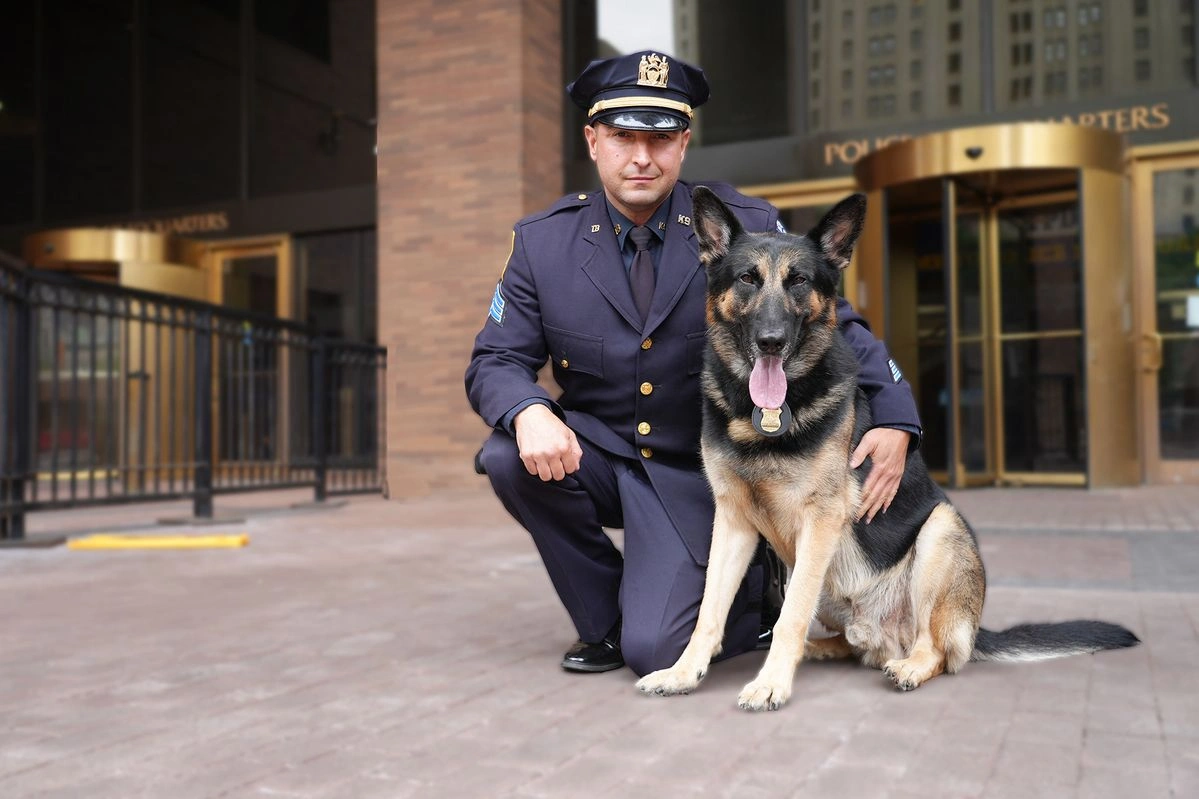
explosive detection dog accuracy

Explosive threats demand precision. There is no margin for assumption. One overlooked trace can change everything. That is why explosive detection dog accuracy remains such a critical standard in modern security work. This level of reliability does not happen by chance. It is built through structured training, behavioural conditioning, scientific validation, and careful handler integration. Each layer strengthens the next. Professionals working within dog security services rely on these systems daily. What looks like a calm search on the surface is supported by rigorous assessment behind the scenes. The result is a detection asset that is measured, verified, and continuously refined. The Science Behind Reliable Detection Olfactory Superiority and Scent Differentiation A detection dog does not search the way a human does. It reads vapour. Even microscopic scent particles released from concealed materials can be identified. Dogs process complex scent patterns rather than isolated chemicals. This matters because explosive compounds are rarely uniform. Variations in formulation do not automatically reduce detection reliability. What supports performance? Biology provides the foundation, yet structured training makes it effective. Controlled Odour Libraries and Consistency Training exposes dogs to a broad range of explosive materials. The goal is not memorising one smell. It is learning a scent category. This distinction protects against “pattern bias.” If the dog only associates one version of an explosive with reward, performance becomes fragile. Instead, controlled odour libraries ensure adaptability. Consistency is achieved through variation. That paradox is deliberate. Behavioural Conditioning and Response Integrity Reward-Based Detection Conditioning Motivation drives performance. Detection training uses high-value reinforcement to strengthen correct identification. Over time, the dog links the target scent with a clear reward outcome. This system achieves several things: Fatigue is carefully managed through short, structured sessions, because precision depends on mental clarity. Passive Indication and False Alert Prevention Modern programs favour passive responses such as sitting or freezing. This protects both safety and neutrality. A passive indication: The dog alerts because of scent, not suggestion. That distinction matters. Explosive Detection Dog Accuracy in Real-World Environments Reliability is not theoretical. It is tested under pressure. When discussing explosive detection dog accuracy, the focus must shift from training fields to operational complexity. UK explosive detection standards are shaped by national counter-terrorism policies. Guidance from NaCTSO forms part of that structure. Validation and Certification Standards Professional detection teams undergo a structured assessment. Many systems rely on double-blind testing, where neither handler nor evaluator knows the hide location. This prevents unconscious cueing. Explosive detection dog accuracy is evaluated through: Passing once does not secure permanent status. Ongoing re-evaluation cycles maintain standards. Accuracy is not assumed. It is documented. Recertification also introduces new concealment methods and airflow conditions. A reliable team must perform consistently even when variables shift. Environmental Proofing and Distraction Resistance Operational spaces are rarely quiet or controlled. Consider the variables: Scent does not remain static. Vapour travels, settles, and disperses. A trained detection dog learns to follow the plume rather than focus on a fixed point. Explosive detection dog accuracy remains stable because training already includes controlled exposure to these distractions. Loud sounds, tight corridors, open spaces. The dog has encountered complexity before deployment. Calm search behaviour is not accidental. It is rehearsed resilience. Handler–Dog Communication Systems Accuracy is never the dog’s responsibility alone. It is a team metric. Handlers are trained to observe micro-behaviours: These signals often precede a formal indication. Skilled handlers avoid interfering. They provide space instead of pressure. Explosive detection dog accuracy depends on this balance: The dog identifies the scent, the handler assesses the signal, and the protocol stays secure. Data-Backed Performance Records Reliable programs track performance continuously. Deployment logs capture details that matter: False positives are analysed. False negatives are scrutinised even more closely. Patterns inform retraining adjustments. Explosive detection dog accuracy is therefore protected by data, not reputation. Real-world auditing prevents complacency. Consistency is maintained through transparency. Why Technology Alone Cannot Replace Detection Dogs Screening devices detect particles at fixed points. They serve an important role. Vapour behaves unpredictably, drifting through ventilation systems and clinging to surfaces. It can also pool in unexpected areas. Detection dogs offer advantages that technology cannot fully replicate: Explosive detection dog accuracy often exceeds static screening methods in dynamic environments because the dog adjusts instantly to environmental change. In regulated settings, dog security providers must follow clear compliance rules. These are aligned with SIA requirements. Technology assists, but biological detection adapts, and that difference is significant. Factors That Protect Long-Term Detection Reliability Ongoing Training Cycles Training does not stop after certification. Structured refreshers maintain sharpness. Effective programs include: Routine without variation weakens detection. Controlled unpredictability keeps the system honest. Welfare and Fitness Management Physical and mental well-being influence performance. A fatigued dog will not search with the same intensity as a rested one. Long-term reliability depends on: Care is not separate from performance. It sustains it. Common Misconceptions About Detection Reliability Conclusion Explosive detection dog accuracy is built through layered systems. Performance depends on disciplined training, verified testing, behavioural reinforcement, and ongoing assessment. These dogs are trusted assets because their reliability is tested repeatedly under varied conditions. Performance is measured, documented, and refined. Professional dog security services rely on this disciplined framework to support safe operations in complex environments. Confidence in detection teams is not emotional. It is earned through consistent standards and verified results. Frequently Asked Questions 1. How do teams check if a detection dog is still reliable? They run blind tests. The handler does not know where the scent is hidden. Results are scored. Mistakes are reviewed. Standards must be met again and again. 2. Can loud noise or crowds affect performance? Distractions exist, yes. But trained dogs practice in busy places. They learn to filter chaos and stay on task. Focus is part of training. 3. Do detection dogs ever make mistakes? No system is perfect. Rare errors can happen. That is why testing, logging, and refresher sessions never stop. 4. Can they detect small or homemade explosive materials? Yes. They are trained on scent groups, … Read more
How Handler Bonding Creates Stronger, More Reliable K9 Performance Under Pressure

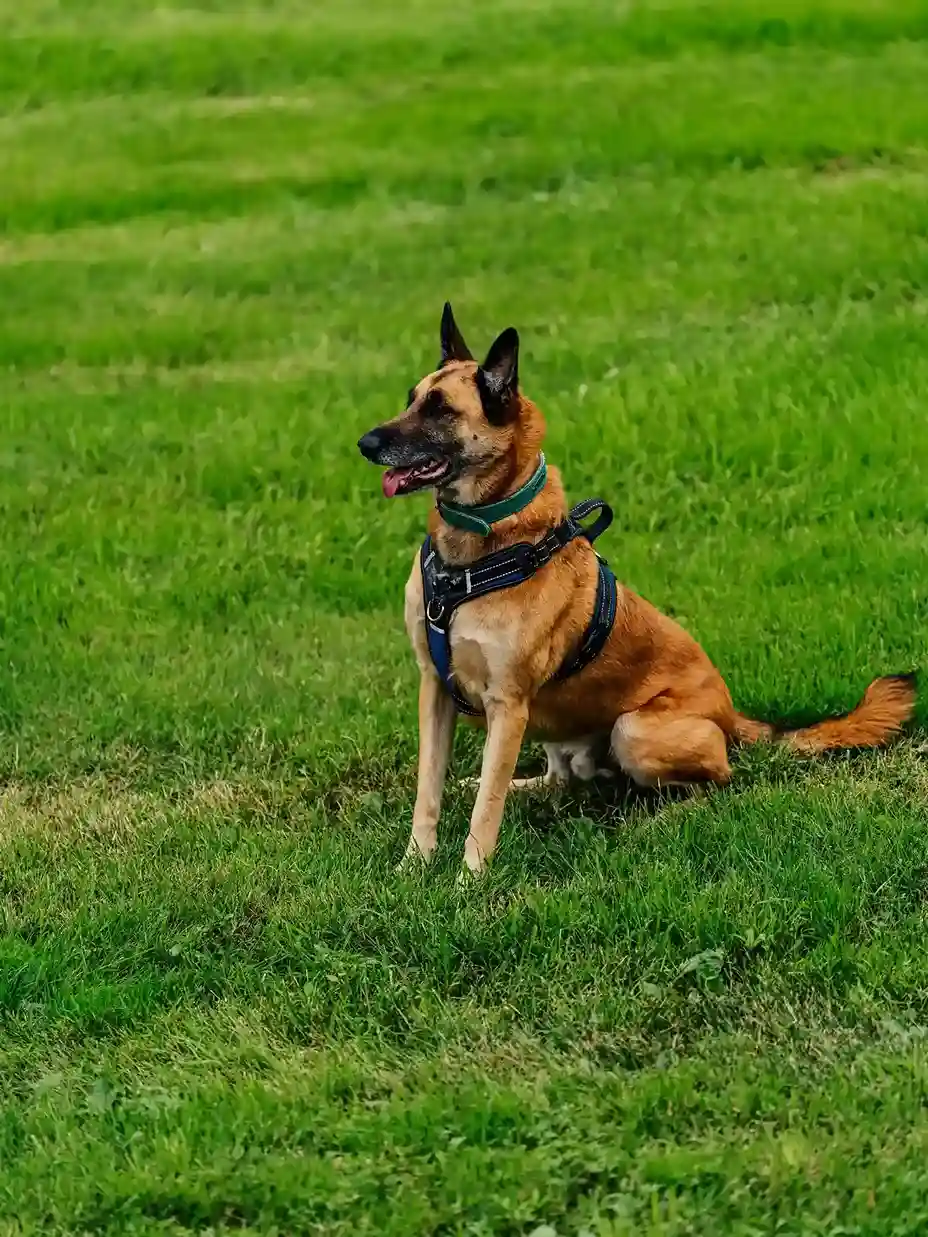
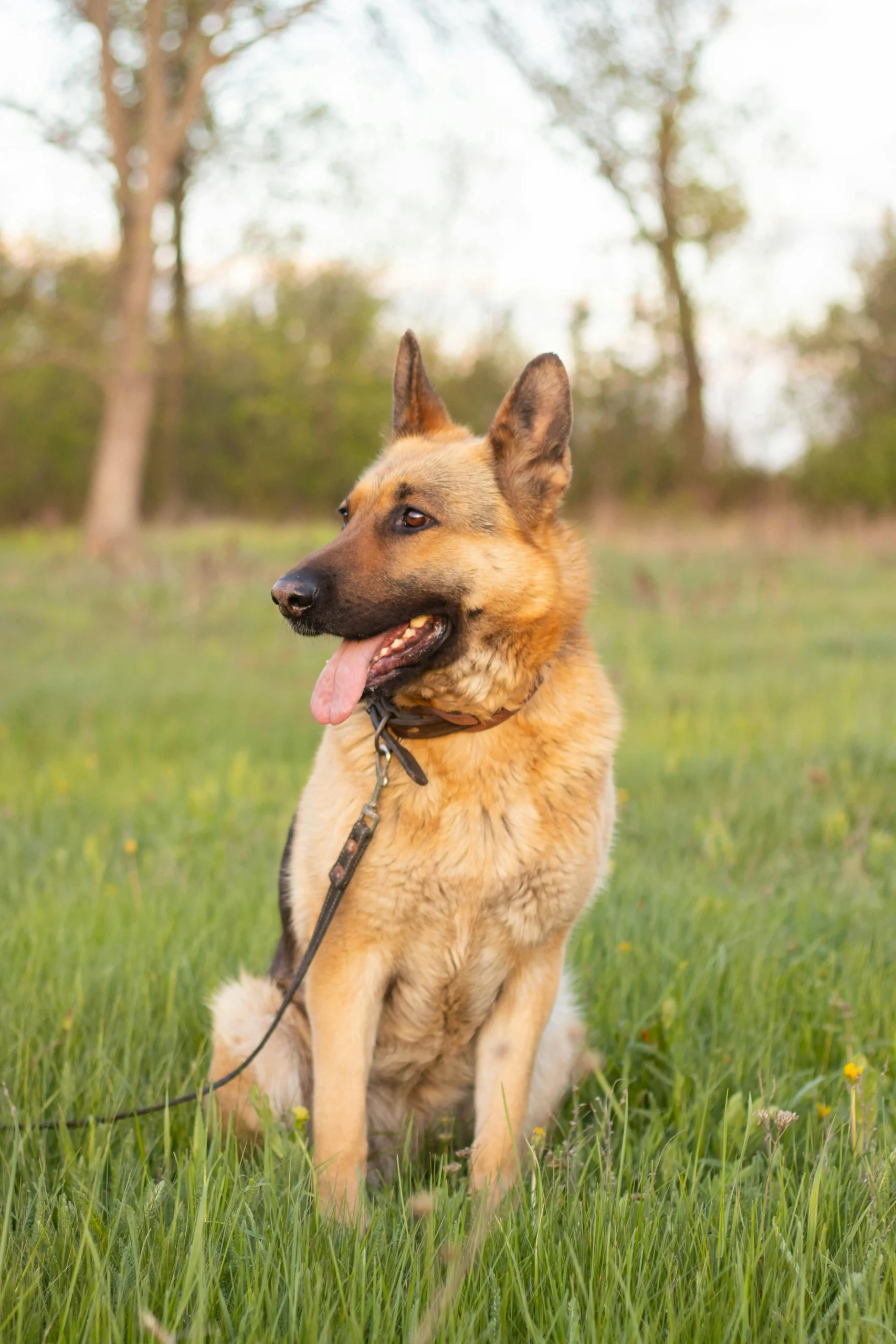
handler bonding dog performance

Picture a dog working a live search late at night. Wind rattles metal fences, radios crackle. Somewhere in the dark, a figure moves. The dog leans into its harness, alert, controlled, ready. What separates a frantic leap from a clean, purposeful response is often the quiet force people overlook: handler bonding dog performance. This bond is not sentimental padding. It is the hidden part of the job that shapes decisions, reaction speed, and trust under stress. A strong working pair acts as one. This article digs into why that happens, how it happens, and why the relationship matters more when pressure climbs. Why Handler Trust and Connection Matter in Security Work Security deployments are rarely tidy. Noise, threat, fatigue, new smells, unknown sites, and unpredictable people collide at once. A dog trained only on textbook drills may freeze or overreact in those conditions. A bonded pair often doesn’t. Instinct Meets Learned Behaviour Dogs come with a drive built into their bones. Herding dogs move livestock, hunting dogs trail targets, and guard breeds protect, but instinct by itself needs shaping. Bonding shapes raw drive into controlled action. One dog obeys because a command is given. Another moves because it trusts the handler and understands the job. The gap widens in real cases, where choices happen fast, and rules bend. That is the core difference behind handler bonding dog performance, where instinct and trust merge into reliable action. The Role of Emotional Regulation A handler’s heartbeat matters more than most training manuals admit. Dogs read tension long before humans speak. A tight jaw, stiff arms, a rushed tone, dogs absorb it. Calm leadership flows the same way. Handlers who carry stability, even while their pulse climbs, create steadier dogs. One spike of fear or frustration can ripple into hesitation, late alerts, or awkward searches. The Science Behind Stress, Bonding, and Canine Decision-Making Dogs and people are chemically wired to connect. Shared work reinforces it. Touch, eye contact, and predictable tone all spark oxytocin in both species. That hormone isn’t “love potion”; it builds trust, attention, and memory retention. Shared Communication Loops Partnership shows itself in the smallest cues. A breath shifts, the leash moves, and the handler adjusts a stride before anything happens. Words fade in loud or stressful spaces, radios jam, and voices get drowned out. Sound is the smallest part of how they communicate. The real signal is sensing the next shift before it happens. Predictive Behaviour in Bonded Teams A bonded dog often moves before a cue finishes. It anticipates direction based on patterns lived again and again. That predictive split-second can: Timing becomes survival, not choreography. Handler Bonding Dog Performance This is where theory turns into muscle. A handler and dog in sync behave like a single working organism instead of two actors negotiating every step. Under real pressure, that difference is massive. Bonding works as a tactical multiplier. Not because the dog “likes” the handler more, but because trust clears away hesitation. The dog knows who it works for, what matters, and when to commit. The handler reads the dog’s teeth, tail, shoulders, and eyes, small signals that another handler might miss entirely. Task Execution vs Decision-Making Most green dogs can perform tasks, such as sit, track, bite, return, and alert. Decision-making, though, is another tier. A bonded dog: This is where reliability under pressure rises. Under stress, handler dog bonding becomes the hidden engine that keeps the dog thinking rather than reacting. It matters most when instinct wants to take over. Threat Perception and Trust Working dogs read the world through scent first, sight second, and handler third. But when uncertainty peaks, unknown buildings, shifting winds, and hidden suspects, the handler becomes the dog’s reference point. Trust shrinks ambiguity. A bonded dog knows the handler will not lead it into deadly chaos without cause. That assurance lets the dog give effort without doubt. The Handler as Anchor Point When sights, sounds, and smells blur in tough environments, whether in a riot or a dark warehouse, nothing feels solid. The handler is the constant the dog stays connected to. Many seasoned handlers admit that dogs “check back” more often when unsure. Those micro check-ins aren’t a weakness. They’re recalibrating. The bond gives the dog courage to press forward and remain steady. Performance Areas Shaped by Bond High-Pressure Scenarios Showing the Bond Two-Way Trust Bonding is not the handler “owning” the dog. It is the dog anchoring the handler, too. A panicked handler makes mistakes. Dogs stabilise nerves as much as handlers steady dogs. This two-way loop drives consistency, a core trait elite K9 security services depend on. How Bonding Is Practically Built Into Training Bonding cannot be rushed or faked. It lives in shared hours and quiet repetition, not slogans. These standards follow the UK Government’s Code of Practice for Working Dogs. It defines the minimum legal requirements for welfare, training, and on-shift handling. Shared Routines and Predictable Patterns Simple repetition builds shorthand. Walking fields, loading vehicles, waiting together between deployments, all of it stitches familiarity into instinct. Trust Through Experience A dog learns that the handler guards its back. Exposure to varied sites, streets, and buildings reinforces that safety net. Confidence expands in every new place they explore together. Reward Styles and Communication Consistency A consistent hand turns ambiguity into clarity. Tone, praise, and correction should all follow a pattern the dog recognises. Mixed signals fracture trust. Clean consistency grows it. When Bonding Fails: Risks and Real-World Consequences A poorly matched pair struggles no matter how skilled the dog is on paper. Detachment causes: The dog begins working for reward alone, not purpose. Operational Safety Impacts You see the consequences on the ground: No handler wants to learn those lessons on the fly. Conclusion Even the most gifted dog cannot reach full operational value without a strong working partnership. Handler bonding dog performance shapes the dog’s judgement, its steadiness when chaos rises, and its willingness to commit at the exact moment the mission demands. When … Read more

The Step-By-Step Evolution of a Puppy Into a Fully Certified Security Dog

puppy to security dog training

Security dogs don’t fall from the sky fully prepared to chase intruders or stand firm in front of a threat. They start life the same way every dog does: tiny, wriggling, slightly clueless. Yet somewhere in that early chaos sits the potential for a confident working partner. Across the UK, demand for trained working dogs continues to rise. Retail parks, construction sites, warehouses, logistics yards, and public spaces rely on canine teams not only to detect threats but to stop them. The need grows because criminals adapt, and technology alone can’t sense intent the way a living creature can. This blog follows that long and often unseen journey. It maps the real transformation puppy to security dog training, testing, refining, and eventually deployment. Along the way lies a simple truth: a pet becomes part of a family, but a working dog becomes part of a mission. A certified canine isn’t just obedient; it’s disciplined, balanced, and capable of acting under pressure while maintaining control. Now, let’s travel that path from wobbling paws to an elite, badge-worthy security partner. Puppy to Security Dog Training: The Full Life Cycle Explained Stage 1: Early Life Conditioning (0–8 Weeks) Selecting the Right Breeding Lines The journey begins long before most people ever see the dog. Credible trainers choose bloodlines with purpose. A security dog must stand up to stress, stay focused when distractions flare, and work with people rather than against them. These qualities are shaped by genetics as much as training. Breeders look for temperament, working drive, health history, and stamina. It’s not snobbery; it’s responsibility. A dog bred for protection work isn’t simply “a dog that barks on command.” It’s a natural problem solver with nerves of steel and instincts fine-tuned for tasks humans struggle to match. First Human Imprint Once born, each puppy begins absorbing the world like a sponge. Short handling sessions expose them to gentle human touch. A proper trainer lets the dog hear bangs, smell engines, and stand on grass, gravel, and smooth floors. These tiny gestures prevent fear later in life. A dog startled by everyday noises won’t handle a construction site at midnight. Stage 2: Socialisation & Personality Development (8–16 Weeks) Exploring New Environments That shy, curious puppy now steps into a wider world. Trainers walk them on footpaths, through farm gates, past traffic, and around calm, trustworthy adult dogs. They learn: new doesn’t mean bad. Unusual doesn’t mean danger. Calm exposure builds resilience, a crucial quality because no one wants a patrol dog that freezes at a rustling bin bag. Testing Confidence & Curiosity A playful tug rope becomes a tool. A simple puzzle feeder becomes a personality test. Here, trainers watch how each pup reacts to novelty. The confident ones lean forward. The natural workers stay engaged even when challenged. Some don’t make it. Some pups turn out too nervous or unpredictable for security work. Finding them a pet home keeps everyone safe and happy. This period often reveals which youngsters will thrive when puppy to security dog training becomes more structured later on. Stage 3: Foundation Skills & Pre-Training (4–12 Months) Obedience as the Core Skill This is the point where training gets organised, with clear commands like sit, down, stay, and heel. These aren’t tricks; they are survival behaviours in working life. Obedience teaches calmness in chaos and gives handlers control before training escalates into real work. A young dog learns to hold position even if a stray cat streaks across its field of vision. That ability can make the difference between a professional outcome and a dangerous one. Play Drive & Toy Motivation Bite work doesn’t begin with aggression. It begins with a rag toy or tug line. This play turns into measured bite control clamping when instructed, releasing instantly when told to let go. Good trainers avoid fear-based methods. A confident security dog learns to choose the correct action rather than act out of panic. Exposure to Real-World Conditions The dog learns to stay calm while engines rumble, forklifts beep, and radios crackle around them. Some dogs start early scent work, tiny tracking lessons, hidden inside hide-and-seek games. This isn’t drama. It’s a rehearsal. Stage 4: Specialised Working Dog Training (12–24 Months) Choosing a Discipline By now, the dog’s natural leanings show. Some become guardians, while others track suspects. A different group excels at detection, sniffing out narcotics, explosives, and even electronic devices. Where a dog goes depends on its brain as much as its build. Developing Advanced Skills A guarding dog learns controlled aggression. It sprints toward an intruder but freezes the moment a handler issues the stop command. Reckless biting has no place here; precision and timing rule the day. Detection dogs take a different path. Their world is scent maps, hidden odours, and patient searching through rooms or luggage. Patrol dogs combine both worlds situational awareness, threat responses, and problem-solving. Training With a Professional Handler A key shift happens here: partnership. The dog bonds with one handler who becomes its compass. Trust deepens through repetition, praise, and predictable leadership. Commands stop sounding like orders and start functioning like instinctive conversation. Patrol dogs bring together awareness, fast reactions, and clear thinking. This makes them ideal for guarding industrial estates and active work sites. Patrol dogs combine both worlds situational awareness, threat responses, and problem-solving. They begin to fit naturally into dog security services used by businesses and public sites across the UK. Stage 5: Certification & Assessment (18–30 Months) Industry Standards and Testing Bodies Rules differ around the world for security dogs. In the UK, NASDU, BSI, and equivalent schemes lead the standard. Every dog goes through vet checks, nerve tests, and temperament assessments. A dog must show it can work without harming itself, the handler, or an innocent bystander. Proving Reliability Under Pressure Certification drills simulate reality: The dog doesn’t earn a badge. It earns trust. Stage 6: Deployment & Continuous Development (2–8 Years) Working Alongside Security Officers Now the theory becomes the job. A certified … Read more

How Patrol Dogs Memorise Large Perimeters and Complex Site Layouts Quickly

dog memorising patrol routes

Large security sites do not come with clear instructions. There are no arrows on the ground. No signs telling a dog where a boundary begins or ends. Yet patrol dogs move through vast industrial estates, campuses, and multi-access sites with confidence and purpose. This ability is not accidental. Dog memorising patrol routes is not a trick of instinct or a lucky by-product of obedience training. It is a learned skill, built carefully over time through exposure, experience, and controlled freedom. Over time, these environments become familiar. Not because they are memorised step by step, but because the dog learns how the space behaves. Why Site Memory Matters in Operational Patrol Dogs On large sites, memory is not a bonus. It is the foundation. A patrol dog that understands its environment moves with intent. It knows when it has reached an edge. It recognises when something feels out of place. Without that understanding, movement becomes random, coverage suffers, and risk rises. Structured recall is what separates effective patrol work from simple walking. The dog is not guessing where it is. It is checking what it expects to find against what is actually there. When a dog does not understand the layout, small changes go unnoticed. Missed zones become habits, blind spots grow, and in live security deployments, that delay matters. The faster a dog builds site memory, the faster it becomes reliable. How Patrol Dogs Build Mental Maps of Large Environments Spatial Awareness Beyond Simple Direction Patrol dogs do not memorise routes as straight lines. They do not think of left turns and right turns. They focus on spatial awareness by dividing sites into clear zones. Open spaces, confined areas, transitions, and boundaries are treated differently. Studies on observational spatial memory in dogs show that they learn environments by recognising spatial relationships and changes within an area, rather than memorising fixed movement sequences. A dog understands when it has moved from one type of space into another. That shift matters more than the exact path taken. This is why dogs can change direction and still remain oriented. They remember areas, not paths. Landmark Recognition and Environmental Anchors Landmarks anchor memory. Not just obvious objects, but consistent features. These details help dogs confirm where they are. Repetition alone is not enough. A dog can walk the same route many times and still struggle if nothing stands out. Landmarks give memory something to hold onto. The Role of Scent Memory in Route Recall Layered Scent Memory Over Time Scent plays a role, but not in the way many assume. Dogs do not rely on fresh scent trails to navigate patrol routes. Instead, they recognise layers of environmental scent that build over time. Persistent smells, not passing ones, help confirm the location. These scent layers act as background signals. They tell the dog, “This place fits.” Or, “Something is missing.” Why Scent Does Not Replace Spatial Memory A common misunderstanding is that patrol dogs simply follow scent. That is not how patrol work functions. If scent alone guided movement, dogs would be pulled off task constantly. Instead, scent supports spatial memory. It confirms, rather than directs.  Navigation comes first. Scent adds context. Training Methods That Accelerate Route Memorisation Controlled Exposure to Large Perimeters Learning starts small. Even on massive sites. Early exposure focuses on manageable sections. The dog is allowed to explore without pressure. As confidence grows, zones expand. Overload slows memory formation, and too much space too soon blurs understanding. Clear exposure builds clarity. Repetition Without Predictability Repetition matters. Predictability does not. Dogs revisit the same areas, but not in the same order. Entry points change. Direction shifts. This prevents route dependency, where a dog remembers a sequence instead of a space. Memory stays flexible. Handler Neutrality During Learning During memorisation phases, handlers step back, giving less direction and fewer cues. This allows the dog to process the environment on its own terms. Autonomous learning builds stronger recall. The dog is not following instructions. It is an understanding place. How Dogs Retain Complex Site Layouts Long-Term Memory Reinforcement Through Variability Memory strengthens when conditions change. Day and night feel different. Weather alters sound and scent. Human activity rises and falls. Each variation reinforces the dog’s understanding of the same space under new conditions. This prevents fragile memory. What Causes Memory Degradation in Patrol Dogs Memory can fade. An extended absence from a site weakens recall. Major layout changes matter. New buildings, removed barriers, and altered access points all affect understanding. Handler changes can also disrupt memory if working styles differ sharply. These factors require re-familiarisation, not retraining. Common Misunderstandings About Dog Memorising Patrol Routes How Complex Layouts Are Broken Down During Early Training Segmenting Large Sites Into Cognitive Zones Large sites are divided mentally. External boundaries form one zone; however, internal structures form others. Transition points, like gates and doorways, act as markers. Risk areas stand out through exposure and experience. This segmentation allows dogs to manage scale without confusion. Why Dogs Learn Perimeters Faster Than Interiors Perimeters are clearer. Edges are predictable. Boundaries are consistent. Interiors change more, with furniture moving, people clustering, and sound behaving differently, which slows memory formation Edges teach structure. Interiors teach detail. What This Means for Real-World Security Deployment Well-trained patrol dogs adapt faster to new sites because they know how to learn, not just what to remember. This is why well-trained patrol dogs are central to effective dog security services, especially on large or fast-changing sites where static routines fail. As reliance on handler cues decreases, anomaly detection improves. Missing, added, or altered elements stand out more quickly. Consistency improves across shifts because understanding is internal. Not procedural. That reliability is what makes patrol dogs effective in complex environments. Conclusion Dog memorising patrol routes is not a trick of intelligence or instinct. It is the result of structured exposure, careful training, and time spent learning space rather than commands. Patrol dogs learn quickly because their training respects how memory actually works. Zones, landmarks, variation, and … Read more

Why NASDU Standards Create the Most Dependable Security Dogs in the Industry

nasdu dog standards explained

In private security, reliability matters more than spectacle. A security dog does not need to look intimidating. It needs to behave the same way every time, even when conditions change. That is the core reason NASDU dog standards explained so clearly, why NASDU standards create the most dependable security dogs in the industry. Dependability is not luck. It is structured. It comes from assessment, consistency, and clear limits. Across the sector, training quality still varies. Some dogs perform well early on. Others fade when pressure builds. Buyers have noticed this shift. Many now look past bold claims and focus on recognised standards. NASDU sits there, not as a badge, but as a framework designed to reduce risk and remove guesswork. What Makes a Security Dog Truly Dependable? Reliability Under Pressure A dependable security dog responds the same way when conditions change. As noise builds and conditions shift, pressure increases. Crowds and tiredness quickly reveal what wasn’t planned for. Real sites are not controlled spaces; construction zones change daily. Industrial estates switch from quiet to busy without warning, and dogs trained only for ideal conditions struggle when routine disappears. Dependability is not proven during demonstrations; it shows up during disruption. Predictable Behaviour Over Raw Drive High drive can look impressive. It is not always useful. Over-stimulated dogs react fast, but their reaction is not controlled. In professional security settings, unpredictability creates risk, particularly for dog security services operating near staff, contractors, and the public. Predictable behaviour matters more than intensity. Controlled dogs are easier to manage. They are safer around staff and the public. This is where informal or inconsistent training often fails. Dependable dogs respond, rather than react. Handler Trust and Command Integrity A security dog never works alone; it operates within a system. Trust forms between dog and handler, and clear commands keep that trust steady.  When cues change or handlers rotate without consistency, behaviour drifts. Over time, even capable dogs lose reliability; without governance, trust breaks down quietly. NASDU Dog Standards Explained A Framework Built Around Assessment, Not Claims This is where the NASDU dog standards explained become practical rather than theoretical. NASDU standards focus on measurable performance. They do not rely on reputation or presentation. Dogs are assessed against set criteria. This matters because working dogs change over time. Stress builds. Environments vary. Fatigue affects behaviour. An independent assessment adds objectivity to a space that often relies solely on trust. Similar principles exist across other UK safety-critical sectors, where reliability is defined by structure rather than individual ability, as outlined by the British Standards Institution. Standardisation Across Training, Handling, and Deployment NASDU standards align expectations across dogs, handlers, and companies. This reduces variation between sites and shifts. A dog should not behave one way for one handler and differently for another. Standardisation supports consistent outcomes. For clients managing multiple locations, this stability is essential. Ongoing Scrutiny Rather Than One-Time Approval Dependability does not last without oversight.  One-time approval assumes nothing will shift. In reality, everything does. Ongoing scrutiny exists to protect reliability over time, not just at the start. How NASDU Standards Shape Training Outcomes Building Controlled Responses Instead of Reactive Behaviour Standards prioritise control. Dogs are expected to pause, assess, and respond under command. This limits escalation and reduces site risk. Reaction creates noise, while response brings stability. That difference often decides whether an incident stays manageable. Temperament Stability as a Training Priority Temperament issues rarely appear immediately. They surface months later, often under pressure. Structured standards assess composure, tolerance, and resilience early. This reduces long-term failure. It also protects handlers and clients from unexpected behaviour shifts. Reinforcing Consistency Across Handlers and Shifts Security work involves rotation. Dogs move between handlers and schedules. Without standards, behaviour changes subtly over time. Standardised expectations limit drift. They keep performance steady across shifts and locations. Risk Reduction Through Standardised K9 Governance Public Safety and Liability Considerations Inconsistent dogs increase exposure, which includes operational and legal risks. Standards protect businesses as much as handlers. They define acceptable behaviour and support accountability when incidents are reviewed. Auditability and Client Confidence Documentation matters when something goes wrong. Assessment history and clear records support investigation and learning. Without them, even correct decisions can be difficult to defend. Standards introduce traceability into K9 operations. Separating Professional K9 Units From Informal Dog Use To non-specialists, all security dogs look similar. Buyers often struggle to tell the difference. Standards provide that distinction. They offer a neutral reference point beyond appearance or marketing language. Why NASDU Alignment Signals Long-Term Reliability Dependability Over Time, Not Just on Day One Consistency Across Sites and Environments Professional Confidence for Clients and Stakeholders Conclusion: Standards Create Trust Where Instinct Alone Cannot Instinct and experience both matter, yet neither works at scale alone. That is why NASDU dog standards explained continue to sit at the centre of why NASDU standards create the most dependable security dogs in the industry. Standards reduce variability. They clarify expectations and preserve reliability over time. For buyers, they replace assumptions with evidence. For handlers, they provide consistency; however, for dogs, they create stability. Dependability is not dramatic. It is repeatable. And repeatability is what standards are designed to protect. Frequently Asked Questions 1. What do NASDU standards actually measure in security dogs? They assess behaviour, control, temperament, and suitability for live environments. 2. Why are standards important in private security dog use? Because inconsistency around people and property increases risk. 3. Do NASDU standards apply only to dogs or to handlers as well? They assess the handler–dog pairing, recognising shared responsibility. 4. Can a trained dog still become unreliable without standards? Yes. Without reassessment, behaviour can drift under stress. 5. How do standards help clients choose between K9 providers? They provide an objective reference beyond claims or demonstrations.

How Detection Dogs Learn Complex Scent Targets Through Reward-Driven Practices

detection target scent training

Dogs are naturally curious about smells. Anyone who has walked one knows the moment when the nose drops and movement slows. The world sharpens. But curiosity on its own is not detection. Detection work isn’t instinctive. Dogs don’t simply know what matters. It is a learned skill, built through structure, repetition, and reward. Without training, a dog smells everything. With training, it learns to care about one thing. That distinction sits at the heart of detection target scent training. Modern scent targets are rarely clean or simple, and they are mixed, aged, and presented in changing environments. Dogs learn relevance, not just scent. This article focuses on how that learning happens, why reward shapes understanding, and why motivation drives reliable detection. Understanding How Dogs Perceive and Process Scent How a Dog’s Olfactory System Interprets Odour Patterns Dogs do not smell the way humans do. They do not experience scent as a flat note; instead, they process odour as layered information. Trainers often describe this as an odour picture, and while the term is informal, it fits. A scent target is rarely one molecule; it is a blend. Scent exists in layers. Vapour drifts, residue settles, and trace elements shift with heat or motion. Detection dogs learn the combined pattern, not a single smell. There is a useful overview of canine scent processing published by the AKC Canine Health Foundation, which explains how dogs separate and interpret complex odours in working contexts.  As complexity increases, so does cognitive load. Air movement, surface material, and contamination all add noise. This is why repetition matters. Each correct exposure sharpens the mental reference point. Over time, the dog becomes faster at filtering what matters from what does not. What Makes a Scent “Complex” for Detection Dogs A complex scent is not defined by danger or importance. It is defined by variables. Some targets are made up of multiple components. Others are masked by stronger background odours. Many are encountered in environments that change from one session to the next. Containers, packaging, temperature, and airflow all alter how a scent behaves. From the dog’s perspective, this means the same target rarely smells the same twice. Training must account for that variation, not by overwhelming the dog, but by building understanding gradually. Reward-Driven Learning as the Core Training Principle Why Reward Motivation Outperforms Compulsion Learning accelerates when motivation is clear. Reward-driven methods work because they remove ambiguity. The dog is not guessing what the handler wants. The dog is choosing a behaviour that reliably leads to something it values. That clarity improves retention and accuracy. Stress does the opposite. Pressure narrows focus and reduces discrimination ability. A stressed dog may search faster, but it will not search better. Reward-driven learning keeps the dog engaged, curious, and confident enough to problem-solve. That problem-solving element is critical in complex detection. Targets are rarely presented in ideal conditions. A motivated dog persists when the answer is not obvious. Types of Rewards Used in Detection Training Rewards vary, but their function does not. Some dogs work for toys, others for food, while many respond best to prey or play-based reinforcement. The choice matters less than consistency and timing. Rewards mark success. They tell the dog, “That choice was correct.” Over time, the dog begins to seek the scent itself because it predicts reward. This is the foundation of reliable detection. Arguing over reward types misses what really matters. The reward only works if the dog values it enough to try. Detection Target Scent Training for Operational Readiness How Detection Target Scent Training Is Introduced Step-by-Step Detection target scent training begins in isolation. The target odour is presented on its own, without competition. The aim is a clean, pressure-free association. Scent appears by following rewards. Once that link is established, the dog begins to anticipate the reward when it encounters the target. Complexity comes later. Presentation shifts slightly, the environment changes a little, but the picture stays clear. This order matters. Learning comes before challenge, and guidance stays in place as difficulty increases. The focus remains cognitive. The dog is not being taught obedience. It is learning relevance. Building Scent Recognition Before Search Behaviour Recognition and indication are not the same thing. Recognition is internal, in which the dog identifies the target scent. However, the indication is external, and the dog communicates that recognition in a trained way. Training that rushes the indication risks shallow learning. Early emphasis on recognition reduces false alerts later. The dog learns to care about the scent itself, not the pattern of the exercise. Pattern learning creates speed but weak reliability. Strong detection begins quietly. The search behaviour comes later. Teaching Discrimination Between Similar Odours How Dogs Learn to Ignore Non-Target Scents Discrimination is learned through contrast.  Non-target scents are introduced deliberately. The dog encounters them without reward. When the target appears, reward returns. Over time, the dog learns what matters by outcome, not correction. Mistakes are part of this process. They provide information; punishing them adds noise, and clear reinforcement removes it. This learning approach aligns with wider UK protective security guidance, where reliable canine detection is linked to clear odour discrimination and controlled exposure to both target and non-target scents during training, rather than reliance on correction or pressure-based methods, as outlined by the National Protective Security Authority (NPSA). Timing is crucial. Reward must follow the correct decision, not the effort. This sharpens discrimination rather than encouraging guessing. Preventing Scent Generalisation Errors Generalisation happens when early training is too narrow or too rushed. If the dog is rewarded too often before understanding stabilises, it may link reward to context rather than scent. Handler movement, container type, or placement patterns can all become unintended cues. Neutral presentation helps prevent this, and so does patience. True scent learning takes longer than pattern learning, but it lasts. Memory, Repetition, and Retention in Scent Learning How Repetition Strengthens Long-Term Scent Memory Repetition builds memory, but only when done well. Short sessions prove more effective than long ones. … Read more

Inside the Remarkable Training Methods That Turn Dogs Into Elite Security Guardians

From the outside, elite security dogs can look effortless. They sit and watch without urgency, moving only when needed, guided by a quiet, instinctive confidence. But nothing about their behaviour is accidental. Long before deployment, long before a site or handler is assigned, these dogs are shaped through layered systems that reward judgment over impulse.  That is where elite k9 training methods separate themselves from basic guarding routines. The goal is not intimidation. It is control, not aggression, but reliable decision-making under pressure. “Elite” is not about performance on a single day. It is about a process that holds up, night after night, when conditions stop being predictable. What Separates Security K9 Training From Standard Working Dog Programs Security-focused K9 training sits in a narrow space. It borrows elements from working dog disciplines, yet avoids many of their extremes. The dog is neither a pet nor a weapon. It is an operational partner. Training for Decision-Making, Not Just Commands Standard working dogs often excel at speed. Fast responses and sharp reactions. In elite security contexts, speed alone can be a liability. Dogs are trained to pause, assess, and choose. A moving figure is not automatically a threat, and a raised voice is not always a danger. Training environments introduce conflicting signals on purpose. Movement paired with neutrality. Noise without consequence. The dog learns that correct restraint is just as valuable as engagement. Rewards come later, sometimes much later, reinforcing judgment rather than urgency. Over time, this builds a dog that thinks before it acts, even when adrenaline is present. Conditioning for Unpredictable Human Behaviour Humans are messy variables, such as panic, intoxication, aggression, and confusion. None of it follows scripts. Elite training exposes dogs to these behaviours in controlled settings. Shouting without threat. Erratic movement without intent, and emotional spikes that do not require a response. The aim is not desensitisation alone. It is discrimination. Dogs are conditioned to remain neutral until clear markers appear. When a recall is issued under pressure, it must work every time. This restraint-first approach is one of the quiet pillars behind elite k9 training methods, and one that casual observers rarely notice. The Progressive Training Phases Behind Elite K9 Performance Elite performance does not appear overnight. It emerges through progression, not milestones. Environmental Stress Conditioning Training happens where sound distorts, and movement never settles, from echoing halls to unpredictable crowds. Dogs are conditioned to work through the confusion, not chase it. Training moves from dim light to unstable ground and into narrow corridors with no escape routes. Open yards follow, teaching dogs to remain neutral whether boxed in or fully exposed. The dog learns that the environment alone does not dictate response. This steadiness becomes critical later, when real sites introduce all these factors at once. Scent Discipline Without Over-Stimulation Scent work carries intensity, which is why elite training tightens the loop around it. Recognition is built slowly, reinforcement comes late, and precision replaces excitement. Disengagement is built deliberately, not assumed. When a trial ends, the dog is expected to reset fully, without hesitation or fixation. Patience shapes this response, teaching that outcomes follow accuracy, not intensity. Elite K9 Training Methods that Prioritise Control Over Drive Pressure is not added all at once. It is stacked. Pressure-Stacking Exercises Isolated triggers rarely cause problems. It’s the combination of noise, movement, and environmental change, sometimes without a handler, that tests control. Cues are delayed or withheld to see what holds. Handler silence drills are common. The dog learns to regulate itself without constant direction. This builds internal control. When guidance returns, it reinforces trust rather than dependency. These elite k9 training methods create dogs that remain functional even when communication breaks down. Scenario Loop Training Real-world incidents repeat, but never perfectly. Training reflects this. Each scenario repeats with subtle changes in entry points, timing, and expected outcome. The dog cannot memorise; it must adapt. This prevents pattern dependency, a weakness that shows quickly in operational environments. Adaptability becomes a habit, not an exception. Handler–Dog Synchronisation as a Core Training Outcome No elite dog operates alone. The relationship matters, but not in sentimental ways. Non-Verbal Communication Conditioning K9 security handlers are trained as much as the dogs.  Silent direction becomes vital in high-risk moments like a pause, a turn, and a slight lean. These cues reduce noise and maintain control without escalation. Trust builds through consistency, not dominance. Emotional Neutrality Transfer A dog reads the handler before it reads the environment. Anxiety creates tension, calm steadies the response, and training is built around controlling that exchange. Handlers learn to control presence before controlling dogs. Neutral tone, steady movement, and no sharp corrections. Over time, the dog associates calm behaviour with clarity. This is why the most reliable teams often look unremarkable. Nothing dramatic is happening, and that is the point. Why Elite Training Prioritises De-Escalation Over Aggression Aggression is easy to teach, while control is not. Elite K9 training systems are built around the idea that restraint prevents more incidents than force ever could. Dogs are conditioned to hold position, manage distance, and disengage the moment risk drops. This mirrors the broader approach taken across professional canine use in the UK, where control and public safety sit above raw physical response, including within government-supported operational frameworks for working dogs overseen by the UK Home Office. Controlled Engagement Protocols Elite training defines thresholds clearly. Engagement has conditions; however, disengagement is harder to train. The moment a threat marker drops, the dog releases. Positioning and distance matter. Many incidents are resolved simply by presence and movement. Escalation is avoided not by avoidance, but by confidence in restraint. This approach protects everyone involved, including the dog. Public-Space Readiness Elite security dogs are trained for environments where civilians are nearby. They learn to ignore passing vehicles, running children, and ambient noise while staying task-focused. The dog remains aware without locking on. Perception is trained alongside protection. This balance allows elite teams to operate in shared spaces without becoming liabilities. The … Read more