Call Us: (44) 77765-43210

Email Us: info@dogsecurityservices.co.uk

How Dogs and Handlers Collaborate Perfectly to Control Dangerous Situations 
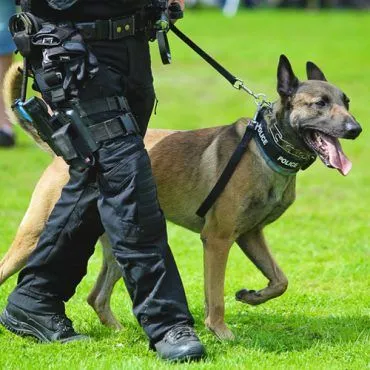
dog handler collaboration

Dangerous situations rarely arrive in neat shapes. They are loud, uneven, and full of movement. People shout. Spaces close in. Decisions compress into seconds. In those moments, no single handler and no single dog controls the outcome alone. Control comes from how the two work together. This is where dog handler collaboration becomes more than a working phrase. It describes a shared process. One reads instinct, while the other reads context. One reacts faster than thought. The other slows things down just enough to prevent mistakes. This article looks at that shared space. Not training routines or rules. Not bravado. It focuses on how decisions are shaped together and how risk is read in real time. Trust replaces spoken instruction when pressure removes the chance to think out loud. Understanding Collaboration in High-Risk K9 Operations Why Collaboration Matters More Than Individual Skill Skill and experience matter. But both have limits under pressure. Dogs detect threats faster than humans. They sense chemical changes, tension, and movement before a handler can consciously register them. Handlers, in turn, understand the wider context. They read crowds, boundaries, and consequences that a dog cannot interpret. As pressure increases, gaps form. Collaboration bridges them, with the dog offering early warning and the handler applying judgement. Together, they prevent either side from acting in isolation. This balance matters most when situations shift without warning. Difference Between Command-Based Handling and Collaborative Response Commands assume order. They work best when environments are predictable. In those moments, collaboration replaces instruction. A shift in posture and a change in leash tension are easy to miss. Even a half-second pause can signal something important. These are not tricks. They are shared habits built through time and exposure. Collaboration adapts to chaos because it does not rely on perfect conditions to function. How Dogs Read Danger Before Humans Do Scent, Micro-Movement, and Behavioural Change Detection Dogs do not wait for events to unfold. They react to what is about to happen. These signals arrive before words, before gestures, before intent becomes obvious. Dogs process them quickly and without hesitation. This ability gives early warning. It does not give certainty. That difference matters. When a Dog Signals Risk Without an Obvious Cause A dog may react even when everything seems normal. No voices are raised, no movement stands out, only tension. Handlers face a choice here. Dismiss the signal or pause long enough to reassess. Trust does not mean blind obedience. It means allowing space for instinct to surface without forcing immediate action. In high-risk environments, hesitation can be information. How Handlers Interpret and Regulate Canine Response Preventing Overcommitment in Volatile Situations Dogs commit fully once arousal passes a threshold. That commitment is powerful. It is also difficult to reverse. Handlers regulate that edge. They manage distance, angle, and pace. They slow forward momentum without shutting it down entirely. Containment often matters more than engagement, especially when situations remain unclear. Reading arousal levels becomes a quiet skill. Too much restraint dulls response. Too little creates risk. Handler’s Decisions that Protect Both Dog and Environment Handlers also act as filters. They consider crowd density, confined spaces, and the presence of vulnerable people nearby. A dog may sense a threat, but the handler decides how that response fits into the wider scene. This regulation protects everyone involved. It keeps reactions proportional and prevents escalation where control would be lost. Real-Time Decision Sharing in Dangerous Situations Communication Without Words Under Pressure Verbal communication collapses first under stress. Noise swallows commands. Distance breaks clarity. The signals are physical rather than verbal. Leash pressure shifts, body position moves off-line, breathing changes, and micro-pauses break continuity. These cues form a language built through repetition, not instruction. In moments where seconds matter, this silent exchange carries more meaning than shouted orders ever could. When the Dog Leads and the Handler Follows There are times when hesitation from a dog signals danger ahead. A doorway is approached too carefully. A corridor is entered at an angle, with a pause where speed would normally appear. Handlers learn when to allow that lead. Not forever, and not blindly. But long enough to gather more information. These moments of trust cannot be scripted. They are earned through shared exposure and calm reflection after incidents pass. This aspect of dog handler collaboration relies on confidence without ego. When the Handler Overrides Canine Momentum Clear limits exist. Environmental hazards, legal boundaries, and confined spaces can make engagement unsafe. Dogs do not see these limits. Handlers do. Override decisions are not corrections. They are protective acts. They redirect energy, reduce distance, or halt progression entirely. Good handlers override without frustration. They do not punish instinct, but they reshape it. Managing Unpredictability: Suspects, Crowds, and Confined Spaces In these conditions, collaboration becomes a constant adjustment. False threat cues appear. Innocent movement triggers arousal. Handlers regulate pace. Dogs recalibrate focus. This balance is tested often in operational settings such as dog security services. Environments shift quickly, and control must stay visible without becoming aggressive. Recovery and Recalibration After High-Risk Engagement Danger does not end when the situation resolves. Arousal lingers. This recalibration prevents carryover into the next encounter. Recovery is part of control, and ignoring it invites errors later. Risk, Trust, and Accountability in K9 Collaboration Trust Built Through Exposure, Not Repetition Trust grows in uneven conditions. Controlled unpredictability teaches both sides how the other responds under strain. Repetition alone does not create reliability; however, exposure does. Handlers also learn their own limits. Awareness of hesitation, bias, or overconfidence shapes better decisions later. Accountability When Decisions Are Shared Collaboration does not remove responsibility. It concentrates it. The handler remains accountable for outcomes. Shared decision-making does not dilute liability. It improves judgement. Knowing this keeps collaboration grounded and prevents over-reliance on instinct alone.  This approach mirrors established operational guidance on police dog handling. Responsibility remains with the handler, even when canine instinct informs the response. Limits of Collaboration and Common Failure Points Situations Where Collaboration Breaks Down When fatigue sets … Read more
Why K9 Units Dramatically Reduce Violent Escalations in Security Incidents

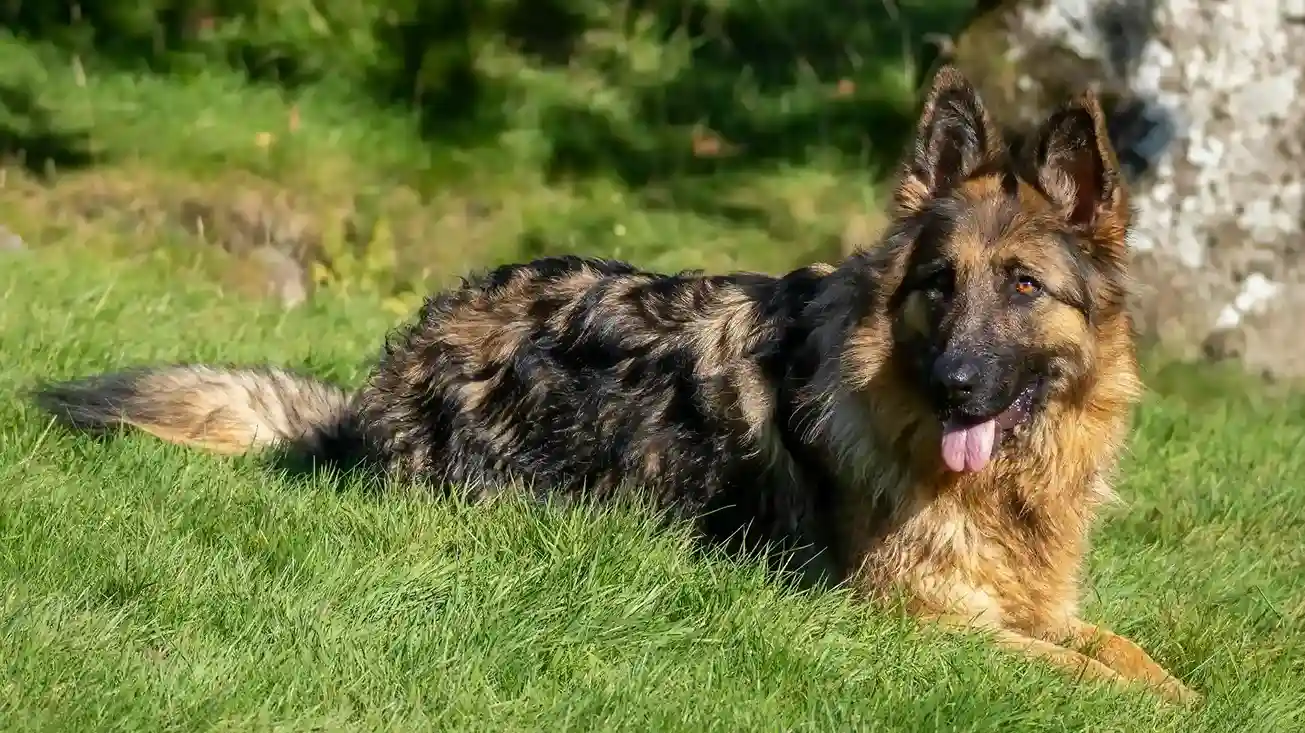
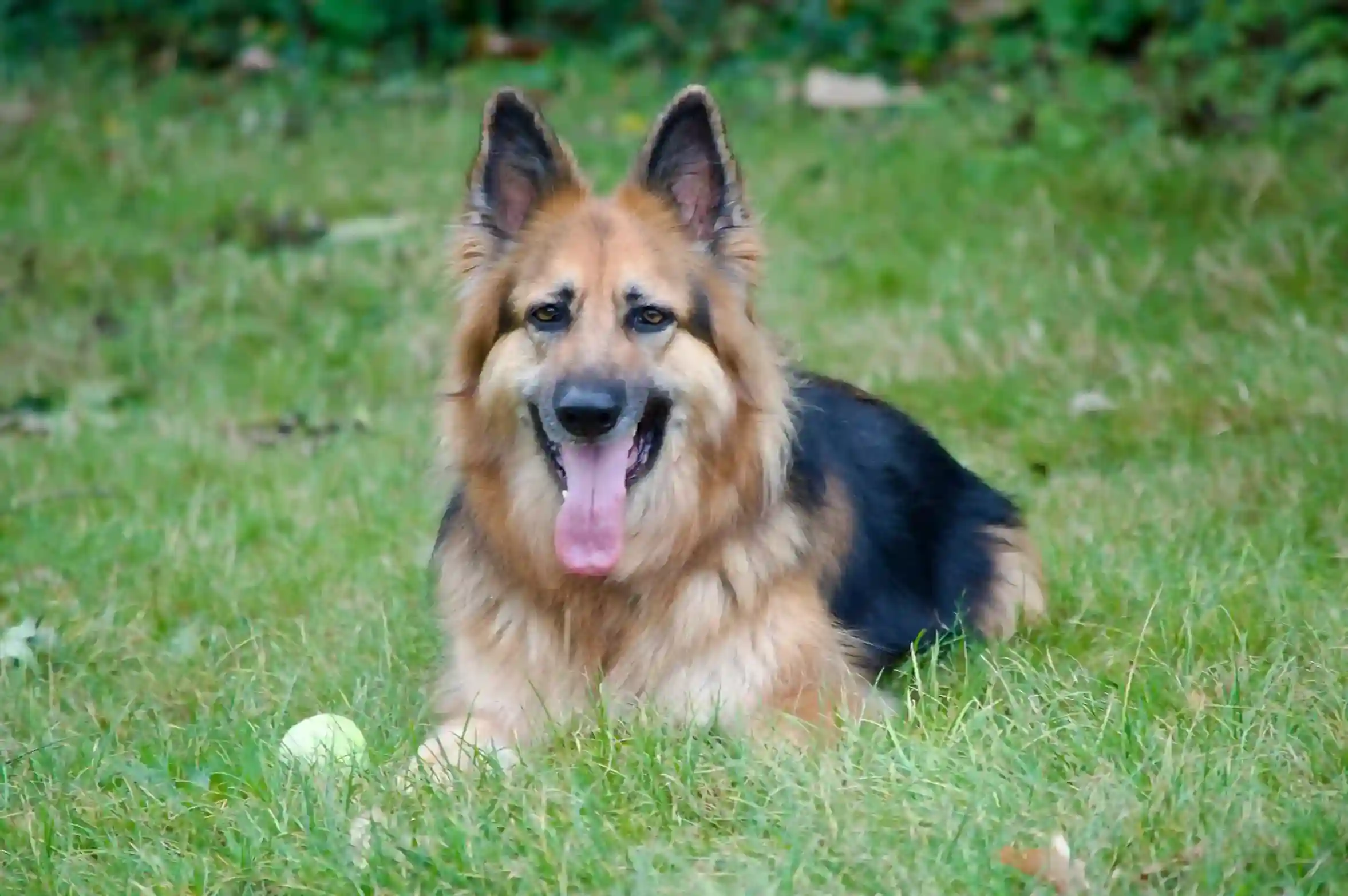
reduce violence dogs

Most security incidents do not begin with violence. They begin with uncertainty. A raised voice and a refusal to move signal a boundary being tested to see if it will hold. Escalation is rarely sudden. It builds through misread intent, delayed response, or a challenge to authority that goes unanswered for too long. This is why timing matters more than force. The moment when behaviour pauses or accelerates often decides the outcome. In those moments, perception shapes action. People react not only to what is said, but to what they believe might happen next. Understanding why reduce violence dogs work requires seeing escalation as a process, not an event. Violence is often the by-product of hesitation or confrontation, not criminal planning. K9 units alter that process early. They shift behaviour before positions harden. And in doing so, they change how incidents end. How Violent Escalations Actually Develop During Security Incidents Escalation follows patterns. They repeat across locations, sectors, and time of day. The early stages are easy to miss because they do not yet look dangerous. Early-Stage Triggers That Shift Behaviour Most incidents start with small shifts; voices rise slightly. Someone steps closer than they should, and instructions are ignored, then questioned. Boundaries are tested because the cost of crossing them feels low. Group dynamics accelerate this. A single person draws attention, and others gather to watch. The situation becomes less about the original issue and more about control or status. These moments are fragile. They can still turn back. Why Human-Only Presence Sometimes Accelerates Conflict Human authority often invites challenge. Under stress, calm can be misread as weakness, while firmness can sound personal. Under alcohol and adrenaline, attention narrows. Misheard intent creates verbal loops where each response escalates tension. This is where escalation often locks in. Once that happens, options narrow fast. Why K9 Units Change the Escalation Curve Dogs do not argue. They do not negotiate, and their presence alters behaviour without words. The Psychological Interruption Effect A K9 unit introduces hesitation. As movement slows, attention shifts and people pause to reassess their next move. That pause matters. It closes escalation windows before decisions harden. The incident does not need to be resolved yet. It only needs to stop accelerating. This is one reason reduce violence dogs function differently from verbal control. They interrupt the process rather than confronting it. Authority Without Verbal Confrontation Dogs communicate consequences without explanation. There is no dominance contest. No raised voice. No back-and-forth. The message is simple and widely understood. Behaviour changes because the risk calculation changes. Not because someone was convinced. The Science of Perception and Threat Assessment This effect is not mystical. It is practical. Why Dogs Trigger Instinctive Recalibration Humans evolved to read animals as signals. A dog signals unpredictability and consequence at the same time. The brain responds before reasoning catches up. When bravado drops, risk comes back into focus, and people step away instinctively. How Offenders Reinterpret Risk When Dogs Are Present Testing behaviour declines, lingering stops, and attention shifts from confrontation to exit. The focus moves away from the target and toward avoidance. Compliance increases because the situation feels less negotiable. Reduce Violence Dogs: A Non-Verbal Control Layer in Incident Response This is not about intimidation. It is about clarity. Non-Verbal Dominance Versus Verbal Escalation Verbal authority invites debate. Dogs remove that phase entirely. There is no argument to win. No instruction to resist. The boundary exists and is visible. That alone prevents many incidents from progressing. This is how reduce violence dogs stabilise situations without force. Why Dogs Reduce Miscalculation Under Stress People misjudge tone when stressed. Dogs do not. Handlers read environments through the dog’s posture, focus, and movement. The animal becomes an early indicator. That information guides decisions before mistakes are made. Used correctly, this is prevention, not enforcement. Comparative Outcomes: With and Without K9 Presence Outcomes differ even when the starting conditions look similar. Incident Trajectories Without K9 Support Incidents last longer when nothing interrupts the cycle. Verbal exchanges repeat and draw attention. As bystanders become involved, physical intervention becomes more likely. Resolution often comes late, after options narrow. UK workplace safety frameworks treat violence as a foreseeable risk that should be managed through early intervention and environmental control, not only after incidents escalate, as outlined in HSE guidance. Incident Trajectories With K9 Deployment Compliance happens earlier, conversations shorten, and physical contact is avoided more often. The real impact of reduce violence dogs is seen in what no longer needs to happen once they are present. Where K9 Units Are Most Effective at Preventing Escalation Dogs are not needed everywhere. They matter most where behaviour is fluid. Transitional Spaces People make their choices at entrances, perimeters, and the edges of crowds, deciding whether to comply or push on. These are decision points. K9 presence shifts decisions early. Night-Time And Low-Visibility Environments Darkness heightens emotion, blurs interpretation, and shifts behaviour toward instinct rather than logic. In these conditions, visible non-verbal control reduces confusion and risk. Limits, Ethics, and Responsible Deployment K9 units are not a universal answer. Their value depends on how selectively they are used and how clearly their role is understood during an incident. Why K9 Units Are Not A Solution For Every Incident Medical emergencies require care, not control. Domestic disputes involve complexity that dogs do not resolve. Tight public interiors can limit safe use. Knowing when not to deploy matters as much as knowing when to deploy. Handler’s Judgment As The Controlling Factor A dog’s presence does not mandate action. The handler decides. De-escalation remains the objective. Dog security services that understand this reduce harm rather than create it. Conclusion Violent escalation is not inevitable. It is shaped by timing, perception, and how authority is expressed in the moment. Most incidents still have an exit ramp early on. They only become violent when that ramp is missed or blocked. Used correctly, reduce violence dogs operate as a preventive layer. They interrupt escalation before confrontation hardens. They replace argument … Read more

How Dogs Detect Concealed Movement During High-Risk Security Breaches

dog detect concealed movement

During a tense breach, a guard scans the shadows and sees nothing, yet the K9 beside them stiffens, locks in, and alerts. Moments later, a hidden intruder is found. Scenes like this show why dogs often outperform people when every second matters. In high-risk areas, the question is not only about sniffing out contraband. It is about sensing a person who is trying hard not to be found. This blog looks at how security dogs detect hidden movement in high-risk areas. Their skill is rooted in three powerful systems working at once: scent, sound, and sight. Each plays a role in how they track motion that slips past human senses. Ahead, you will see how these abilities combine to keep teams safe when threats try to stay unseen. Beyond Sight: The Multi-Sensory Approach to Concealed Threat Detection Humans scan a scene with their eyes and hope nothing slips by. But security dogs work differently. They pull in scent, sound, and subtle motion at the same time. This blended approach helps them cut through darkness, cluttered rooms, and attempts to hide, giving security teams a partner with strong canine threat detection capabilities. This layered approach explains how security dogs detect hidden movement in high-risk areas better than any single human sense alone. The Olfactory Edge: Detecting Biochemical Markers A person who hides rarely stays truly silent. The body leaks stress. When fear rises, hormones like cortisol and adrenaline push out a faint odour. Most people never notice it. A trained dog does. Their nose reads these chemical shifts as if they were obvious signs. The Vomeronasal Organ, often called Jacobson’s Organ, plays a key role here. It detects pheromones and other compounds that barely move through the air. This extra channel lets dogs find clues that sit beyond normal smell, revealing signals we overlook. Auditory Pinpointing: Hearing the “Unheard” Even a still person creates noise. A light shift in weight. A small breath. Clothing that brushes against a wall. These sounds vanish for us, but not for a dog. Their hearing reaches higher frequencies and picks up tiny details. They also map sound with impressive accuracy. By reading the slight delay between each ear, they can track where a noise began. This skill becomes essential in dim hallways or busy spaces where human hearing struggles. How Security Dogs Detect Hidden Movement in High-Risk Areas In high-risk zones, movement often stays subtle, brief, and deeply concealed. Yet dogs track it with ease. Their training blends instinct, pattern recognition, and environmental reading. These combined skills strengthen the movement-sensing skills in trained security dogs and make them reliable partners when threats try to disappear into the scene. Superior Low-Light and Contrast Vision Security dogs learn to work in places where light drops close to zero. They are trained to notice small shifts like an intruder’s hand sliding along a wall, a shadow that changes shape, or a faint reflection from metal or glass. Their handlers build exercises around these moments, teaching the dog to alert to even the smallest break in darkness or contrast. The Wind and Scent Cone Strategy When a person moves, the air around them changes. Dogs do not track a fixed scent trail. They track the moving “cloud” of disturbed air that spreads out in front and behind a person. Trainers teach dogs to scan this shifting cone by using a steady sniffing rhythm that helps them lock onto the direction of fresh movement. A slight twist in the airflow can give the dog a clear lead. Sensing Vibrations Through Paws Slow steps, shifting weight, or a crawl across a hard floor create faint ground signals. Security dogs practice reading these cues during controlled drills. Even when someone tries to move quietly, the floor often gives them away. Dogs respond to these subtle vibrations, especially in empty halls, warehouses, or tight rooms where movement carries farther. Thermal Radiation and Temperature Signatures In enclosed areas, the temperature around a moving person shifts. Dogs do not depend on heat alone, but it adds another layer of confirmation. A pocket of warmer or disturbed air can support what they already noticed through scent, sound, or airflow. This extra cue is often used in advanced training scenarios to sharpen decision-making and strengthen advanced K9 detection methods for security operations. The Specialised Training to Refine Covert Detection Skills Turning a working dog into a reliable partner for high-risk work takes careful and repeatable training. These programs sharpen instincts, improve judgment, and build the confidence needed to act under stress. Each stage strengthens canine threat detection capabilities so the dog can operate with accuracy in unpredictable settings. Variable Environment and Distraction Conditioning Training rarely takes place in calm rooms. Dogs work through loud machinery, echoing halls, shifting crowds, moving lights, and mixed scents. Handlers change the setup often, so the dog learns to sort the useful signal from the noise. The aim is a steady focus. When the scene becomes chaotic, the dog should still track the one cue that matters. This helps them stay reliable when pressure rises. Slow-Motion and Minimal Movement Drills A hidden intruder may move only an inch at a time. To prepare for this, drills reward the dog for noticing tiny shifts: a crawl, a slow turn, or a controlled attempt to stay frozen. These exercises build patience and sharpen the movement-sensing skills in trained security dogs. Over time, the dog learns to hold attention until the smallest motion breaks the pattern in the room. These programmes are a core part of professional dog security services, ensuring dogs can detect even the slightest motion before it becomes a threat. Building and Maintaining the Alert Signal Once the dog identifies a concealed person, the message must be clear. Teams use a trained alert, often a still stance or focused look. It must stay consistent so the handler knows exactly what the dog has found. This discipline supports advanced K9 detection methods for security operations, where a single clear signal can guide … Read more

The Exact Steps Security Dogs Take When Confronting Unauthorised Persons

dog steps confronting intruder

Security dogs do not rush into danger. They follow trained actions that keep people safe. These security dog threat response steps help teams understand what happens when an unauthorised person appears. A dog first reads the scene. Then it alerts its handler, holds its ground, and responds with control. Each stage has a purpose. Each move is part of a system built through hours of expert training. In this guide, you will see how these dogs work under pressure and why their methods matter in real security work. The Security Dog Threat Response Steps: From Detection to Engagement While each unit has its own style, the flow from detection to engagement is usually built on the same structure. These steps guide safe, controlled action and help handlers avoid unnecessary force. Step 1: Initial Detection and Alert Signal A trained security dog often notices danger long before a person sees or hears anything. Their senses pick up scent trails, soft movement, and faint sounds that would never register to a human. Action: You may see small shifts in trained security dog behaviour during threats. The ears lift. The body goes strong. The dog may point its nose toward the source or give a low rumble that signals rising concern. Communication: At this early stage, the dog uses a non-aggressive alert. This may be a short bark, a focused stare, or a subtle push toward the handler. It signals a change in the environment, not a call for engagement. Step 2: Assessment and Command Confirmation After detection, the dog begins a fast threat scan. It studies movement, tone, distance, and intent. Is the unknown person walking away? Staying still? Acting bold or nervous? Role of the Handler: The handler checks the dog’s signal and issues the first spoken challenge to the person. This command helps confirm intent before any escalation. Action: The dog shifts into a controlled stance, blocking access if needed. This moment is where dog security services show their real value, using discipline instead of force to manage rising tension. Step 3: Deterrence and Escalated Response Most confrontations stop here. The dog’s posture is often more powerful than any physical action. Action: The dog stands tall, giving a strong warning bark and holding a guarding position. It is ready, but does not make contact. Result: Many guard dog actions when detecting unauthorised persons end before engagement. Presence, sound, and posture shift the intruder’s decision. The goal is always to de-escalate without force. Step 4: Controlled Intervention (Only if Escalation Continues) If the intruder ignores commands or becomes hostile, the dog moves into a controlled intervention mode. This is not an attack driven by instinct, but a measured response shaped by strict training. Action: The dog may advance a few steps, circle to limit escape routes, or position itself to shield the handler. Every movement is guided by control. The dog waits for a clear, final command before taking more decisive action. Handler Role: The handler keeps communication steady, giving short commands that shape speed, posture, and distance. This coordination prevents mistakes and protects everyone nearby. Step 5: Resolution and Stand-Down Once the handler gains compliance or the threat ends, the dog must return to a calm, manageable state. Action: The dog steps back, lowers its posture, and watches for any last change in behaviour. The focus shifts from control to containment, ensuring no sudden movement reignites risk. Purpose: This step highlights the dog’s discipline. A good security dog knows when to hold pressure and when to release it, keeping the scene stable until support arrives or the handler confirms safety. Advanced Canine Security Protocols for Intruder Situations When an intruder refuses to follow clear commands, security dogs undergo more advanced training. These advanced steps help teams stay in control during moments that can shift with little warning. The aim is to manage the threat in a safe, calm way while protecting everyone on-site. Controlled Containment and Holding Many real incidents end through containment rather than force. The goal is simple: stop the person from moving without causing injury. Technique: The handler directs the dog to hold a fixed position that limits the intruder’s movement. The dog may block a doorway, guide the person toward a safer area, or stand firm to prevent escape. Focus: The dog must respond the instant the handler calls it back. This sharp control is what keeps the situation steady and prevents actions that go too far. The Defensive Engagement (The Bite) A bite is only used when the risk becomes direct, and no other method will work. Technique: The dog targets safe areas like an arm or leg. These points stop the person without threatening life or causing deep harm. Crucial Step: Release must happen the moment the handler gives the command. This fast break is a key part of professional K9 handling procedures in emergencies, and it proves the dog is acting under skill, not fear. Post-Incident Protocol and Debriefing Once the threat ends, the dog must settle quickly. Action: The handler recalls the dog, brings it into a calm state, and secures it away from the scene. Follow-Up: A full report is made. The dog receives a health check and rests before its next task. This review protects the dog’s well-being and keeps the team ready for future calls. Distinguishing Trained Response from Aggression People often see a security dog react to a threat and assume it is acting out of anger. This is not true. A trained dog follows a learned response, not a feeling. Its behaviour is shaped by long practice, close guidance, and a strong bond with the handler. The result is control, not uncontrolled force. The Psychology of the Working Dog A working dog learns through reward and routine. When a threat appears, the dog does not slip into rage. It switches into a mode it has rehearsed many times. It reads the handler’s voice, watches the person in front of it, and waits for the next cue. … Read more

Why K9 Teams Arrive Faster Than Human Patrols During Alarm Activations

k9 alarm response speed

When an alarm sounds, time decides the outcome. A few seconds can mean the difference between loss and safety. Many people now ask why K9 units respond faster to alarm activations, and the answer goes far beyond speed alone.  K9 teams follow trained routes, work without delay, and rely on sharp instincts that humans cannot match. Their response is direct, focused, and proven in real-world security work.  Much of this difference comes down to k9 alarm response speed, which is shaped by deployment models, training, and how quickly teams are cleared to act. Backed by hands-on field experience and strict training standards, K9 units bring both skill and trust to emergency response.  This blog explains why K9 teams arrive faster than human patrols during alarm activations, using clear facts, real practices, and expert insight you can rely on. The Critical Metric: Understanding Security Alarm Response Time Alarm response time is not just a technical figure. It reflects how well a security system performs under real pressure. The gap between an alert and on-site control is where most losses occur. Fast response limits opportunity. Slow response extends it. For high-risk properties, even a few minutes can change the outcome of an incident. Defining the Standard Patrol Response Timeline A human patrol response begins with signal verification at the monitoring centre. The dispatcher then checks which officer is free, confirms location details, and assigns the call. Only after this does travel begin. Real-world delays are common. Officers may be finishing another call, caught in traffic, or transitioning between shifts. These routine issues often turn an expected quick response into a delayed arrival, even when systems are working as designed. The Economic and Security Cost of Slow Response Loss starts the moment criminals realise time is on their side. Each added minute raises the chance of forced entry, equipment damage, or inventory loss. The immediate impact of security alarm dispatch with K9 teams is seen in higher recovery costs, longer business shutdowns, and greater safety risk to staff or residents. Slow response also weakens deterrence. Once offenders learn that a site responds late, it becomes an easier target. This aligns with Home Office data on police activity and response patterns, which shows how delays increase risk during active incidents. Introducing the K9 Team Advantage: A Paradigm Shift Security alarm dispatch with K9 teams follows a different model. These units are stationed closer to high-risk zones and released with fewer procedural delays. Their routes are pre-planned for speed, not convenience. Upon arrival, K9 teams can scan large areas quickly, track movement, and secure suspects without waiting for backup. This tight pairing of handler and dog creates a faster, more controlled response built for active threats, not just after-event reports. This model is typical of modern K9 security services, where speed, proximity, and independent response capability are prioritised over routine patrol coverage. Unpacking the Logistics: Why K9 Units Respond Faster to Alarm Activations Fast response is not luck. It is the result of clear roles, tight planning, and proven field practice. The alarm response time by K9 units stays low because their entire setup is built for urgent action, not routine patrol work. Optimised Deployment Logistics for K9 Units K9 handlers are assigned to high-risk and high-priority calls only. They are not pulled into minor reports or traffic control. This keeps their focus sharp and their movement fast. Their patrol zones are mapped using real crime data and past alarm history. These zones are dense and compact, which reduces long travel gaps. When analysing the superior alarm response time by K9 units compared to general patrols, this focused placement is a key reason they arrive first. This is where k9 alarm response speed becomes measurable, driven by compact patrol zones, reduced dispatch friction, and single-unit deployment. Single-Vehicle Efficiency and Reduced Crew Mobilisation A K9 unit is a complete response team in one vehicle. No extra units are needed to begin a search or secure a threat. This removes radio delays, staging time, and crew coordination issues. Human patrols often wait for backup before entry. K9 teams do not. This lean setup keeps the K9 unit alarm response time short and steady.  In practical terms, this is why K9 units respond faster to alarm activations. The teams are already positioned to move, freed from routine calls, and ready to act the moment a verified alert appears. The Prioritisation Protocol: Why K9 Dispatches Rank Higher Dispatch centres treat K9 calls with higher urgency. A trained dog adds control, tracking speed, and officer safety. This raises the call’s threat level in the system. As a result, K9 units are cleared faster and sent ahead of standard patrols. The decision is based on results, not theory. Over time, K9 responses have shown stronger outcomes in active alarm situations. Operational Acceleration: The K9 Team on the Move Once a K9 unit is dispatched, speed becomes a physical advantage. From the road to the scene itself, every part of the response is shaped to limit delay and increase control. This is where K9 units separate themselves from standard patrol movement. Advanced Vehicle Capabilities and Handler Training K9 vehicles are built for fast, safe travel. They are equipped with climate control for the dog, quick-release doors, and layouts that allow the handler to deploy within seconds of stopping. Handlers also receive advanced driving training focused on emergency response, obstacle avoidance, and high-speed control. This cuts travel risk while keeping arrival times low. Just as important is what happens after the vehicle stops. K9 handlers work with clear entry protocols and brief radio exchanges. There is little on-site debate or staging. The team moves with purpose, which reduces time lost to coordination. The Deterrent Effect: Minimising On-Site Delays The visible presence of a K9 unit changes behaviour fast. In many real cases, suspects flee the moment a security dog is spotted. Others comply at once. This avoids long searches, drawn-out standoffs, and repeated building sweeps. The rapid deployment of security dogs for … Read more

How Patrol Dogs Corner Intruders Safely Without Excessive Force or Risk

dog corner intruder safely

Patrol dogs work with sharp focus and calm control. They do not rush in or rely on force. Instead, they read the moment, move with care, and block an intruder’s escape. This mix of instinct and training keeps everyone safe. It also shows how patrol dogs safely detain intruders without harming them. These dogs act as quiet guardians. Their method is simple but powerful. In this blog, you will see how they do it and why their approach has become a trusted part of modern security. Understanding How Patrol Dogs Safely Detain Intruders Modern K9 teams now rely on calm control rather than force. They aim to contain a threat, not injure one. This shift comes from years of field experience, expert reviews, and updated safety rules. It also reflects a wider move toward non-lethal dog handling strategies, which support sympathetic and steady responses in security work. Within professional dog security services, this emphasis on calm containment reflects a shift toward methods that prioritise control, safety, and accountability over force. By using these methods, teams lower risks for the handler, the intruder, and anyone nearby. Expert Insight That Guides Today’s K9 Methods Trainers study behaviour patterns, test new drills, and refine each step through real-world lessons. Their input shapes how dogs react in tense moments. Guiding an Intruder Through Calm Pressure A patrol dog can block a path, cut off an exit, or steer a suspect into a safe corner with small, controlled movements. This approach reduces danger without weakening security. Training Shaped by Evidence and Responsibility Programs focus on patience, quick cues, and steady handling. These elements build trust between dog and handler while supporting ethical, reliable security practices. Recent government investment in military working dog facilities underlines the emphasis on specialised training environments and animal welfare that support safe operational performance. The Role of Specialised Training in Safe Intruder Control Tracking, Alerting, and Controlled Engagement Patrol dogs learn to track a person by scent, sound, or movement long before the suspect is close. When they spot a threat, they alert the handler with a signal they have practised many times. Only after the handler responds do controlled canine response techniques begin. These techniques help the dog approach with caution, block exits, and corner the suspect without rushing forward. Each action aims to keep control while avoiding sharp or risky moves. Patrol Dog Training for De-Escalation Strong patrol dog training for de-escalation teaches dogs to judge when pressure is needed and when to slow down. Dogs learn that not every intruder acts the same. Handlers guide them with short commands, a steady tone, and simple body cues. This helps prevent a fast jump into conflict. Creating Low-Risk Encounters Modern teams use proven risk-reduction methods in K9 security, such as holding distance and keeping the dog under close oversight. These steps lower the need for physical contact and give officers time to resolve the situation safely. Intruder Containment Procedures Used by Patrol Dogs Patrol dogs use clear and structured intruder containment procedures that place safety before force. Non-Contact Containment In many cases, the dog never needs to touch the suspect. A common tactic is circling. The dog moves in a steady loop, tightening the path until the intruder has nowhere to go. This simple motion limits escape without a fight. Posture adds pressure. A strong stance and focused stare warn the intruder to stop, supporting modern non-lethal dog handling strategies that rely on presence, not impact. Controlled Contact When Needed Some moments call for physical restraint. This happens when escape becomes likely or when the intruder refuses to stand down. The handler directs the dog with short, practised cues. Together, they make quick, controlled contact to halt the threat. Even here, the goal stays the same: brief action with low risk. Ensuring Safety for Dogs, Handlers, and Suspects Close supervision protects everyone involved. Handlers watch for sudden shifts and adjust the dog’s response at once. In many real encounters, controlled canine response techniques prevent harm by stopping the dog before tension turns into injury. These steps keep the dog safe, protect the handler, and reduce danger for the intruder. How Patrol Dogs Safely Detain Intruders in Real-World Scenarios Real encounters show how patrol dogs work with steady control rather than force. Their training helps them act with purpose, protect the scene, and support officers who guide each step. Step-by-Step Breakdown of a Typical Encounter A dog first notices a clue like a sound, scent, or quick movement. Then, it signals the handler with a shift in posture. The team moves in, keeping space while steering the intruder toward a safe spot. The dog uses firm angles and focused attention to stop escape without touching the suspect. Once the intruder freezes, the dog holds position while the handler gives short, direct cues. Many cases end here because the pressure alone is enough to gain control. Ethical and Legal Considerations K9 work must follow strict rules. Force is used only when no safer option exists. Officers must show that every action was fair, measured, and suited to the threat. These standards protect the intruder, the team, and the agency’s credibility. They also help ensure that the dog’s actions stay humane and lawful. Supporting Technologies Modern tools improve awareness and safety. GPS maps search paths. Body cameras record the sequence for review and training. Radio systems keep officers linked so decisions stay quick and clear. These tools strengthen the overall process of how patrol dogs safely detain intruders, making each encounter more controlled and predictable. Advanced Tactics for Complex Environments Patrol dogs often work in locations that shift fast and offer many escape routes. To stay effective, teams use specialised tactics built for wide, cluttered, or unpredictable spaces. These methods help the dog control the scene, all within established intruder containment procedures that guide safe and lawful action. Dynamic Containment Open spaces give an intruder many paths to run. A patrol dog counters this with speed, sharp angles, and quick changes in … Read more

How K9 Units Respond to Live Intruder Threats During Serious Security Events

k9 respond live threats

A break-in can change a calm place into a tense one in a single beat. People look around, unsure of where the threat hides. This is the moment when trained dogs step forward.  When trouble appears, how K9 units respond to intruder threats can decide what happens next. The dogs move with sharp focus, almost quiet, yet ready to act in a blink.  Their handlers trust them to read signs people miss. This blog highlights how the K9 team reacts to intruder threats to keep danger from spreading. The Unmatched Sensory Advantage of the Working Dog Superior Senses for Early Detection A working dog moves through a space with sharp awareness. Their sense of smell can pull a tiny trail of human scent, even when the person hides behind gear or deep in shadow. They can notice explosives, tools, or other risky items long before people sense anything. Their hearing gives them another edge. A soft scrape, a slow push on a door, or a distant footstep can stand out like a clear sign. These early clues give security teams more time to react during emergency security breach procedures, when every moment matters. Initial Threat Recognition and Alert When a dog feels something is wrong, the change in their body is clear but calm. They may freeze for a second, stare at one point, or shift their ears toward a sound. These small actions work as clean signals to the handler. The message is simple: pay attention, something is here. This quick alert helps guide the team before the threat grows. During critical site incidents, how K9 units respond to intruder threats controls whether risk grows or is cut short. That shift usually happens quietly and fast. The Handler–Canine Partnership The link between a dog and its handler is built through trust and long practice. The handler learns how the dog moves when focused, uneasy, or sure of a target. The dog reads the handler’s tone and pace. Use and control of guard dogs is covered by the Guard Dogs Act 1975, which sets licensing and handler-control duties.  Together, they turn early signs into fast action, forming a response team that stays steady even when danger arrives without warning. How K9 Units Respond to Intruder Threats: Deployment and Protocol Rapid Response and Area Containment When an intrusion is confirmed, security dog deployment protocols guide the team’s next steps. The handler moves in fast but with care, while the dog pushes ahead to read the space. Their speed helps cover ground that would slow a human team, especially in tight halls, cluttered rooms, or dim areas where visibility drops. The aim is to shrink the intruder’s freedom. Once a tight zone is formed, the suspect has fewer paths to slip through, and security can build a safer plan around that contained space. The “Bark and Hold” Method (Patrol Dog Threat Assessment) If the dog locates the intruder, the first choice is often a Bark and Hold. The dog holds its ground and uses a strong, steady bark to pin the suspect in place. No contact. No rush. Just pressure that grows with each second, the intruder hesitates. This gives the handler room to speak commands and call for help. The intruder, caught between the noise and the dog’s stance, often stops moving long enough for officers to take control. The Apprehension Phase (Controlled Engagement) If the suspect refuses to stay still, tries to escape, or turns aggressive, the handler shifts to a controlled form of law enforcement canine response. The dog is sent to stop the threat with a trained grip meant to hold, not harm. The suspect is kept on the ground until restraints can be placed, ending the encounter with the least force needed. Controlling the Response: How K9 Units Use Measured Force Minimising the Need for Physical Force In many cases, the dog never needs to touch the suspect. The sight of a trained K9 stepping into view is often enough to stop someone ready to resist. That pressure, like the stare, the posture, the steady focus, pushes the intruder to freeze. This simple presence reduces the need for physical action and lowers the chance of injury for everyone involved. The K9 on the Use-of-Force Scale A K9 fills a space between spoken commands and higher levels of force. Through ongoing patrol dog threat assessment, the handler decides how much pressure the situation requires. The dog can move from a warning stance to a stronger show of control without jumping straight to harmful force. This middle ground gives officers a safer path to gain compliance. Handler Control as the Key The dog does not act alone. Every move comes from the handler’s direction. If the suspect drops the threat or begins to cooperate, the dog must stop at once. This tight control ensures the response stays balanced and matches the danger at hand. Well-run dog security services treat the dog as a controlled deterrent, not an automatic response, with handler judgment guiding every stage of escalation management. Post-Apprehension Protocols Once the suspect is restrained, the team follows strict steps. The dog is guided back, the scene is stabilised, and officers check the suspect for injuries or shock. Medical care is provided immediately if needed. These steps keep the process orderly and prevent the situation from rising again. The Foundation: Rigorous Training and Certification Intruder Detection Canine Training A working dog starts with basic skills, but once intruder detection canine training starts, everything becomes more intense. They learn to follow commands in busy events, around sharp sounds, and on uneven ground. Each new setting teaches the dog to stay calm even when the space feels chaotic. Scent work becomes a major part of their learning. The dog must find a single human scent amid a mix of odours. It may move through dust, metal, or open air, yet still keep that one trail. This skill is what helps them locate a hidden intruder with steady focus. Scenario-Based Simulation … Read more