

How Digital Tools Transform Reporting Standards for Professional K9 Teams
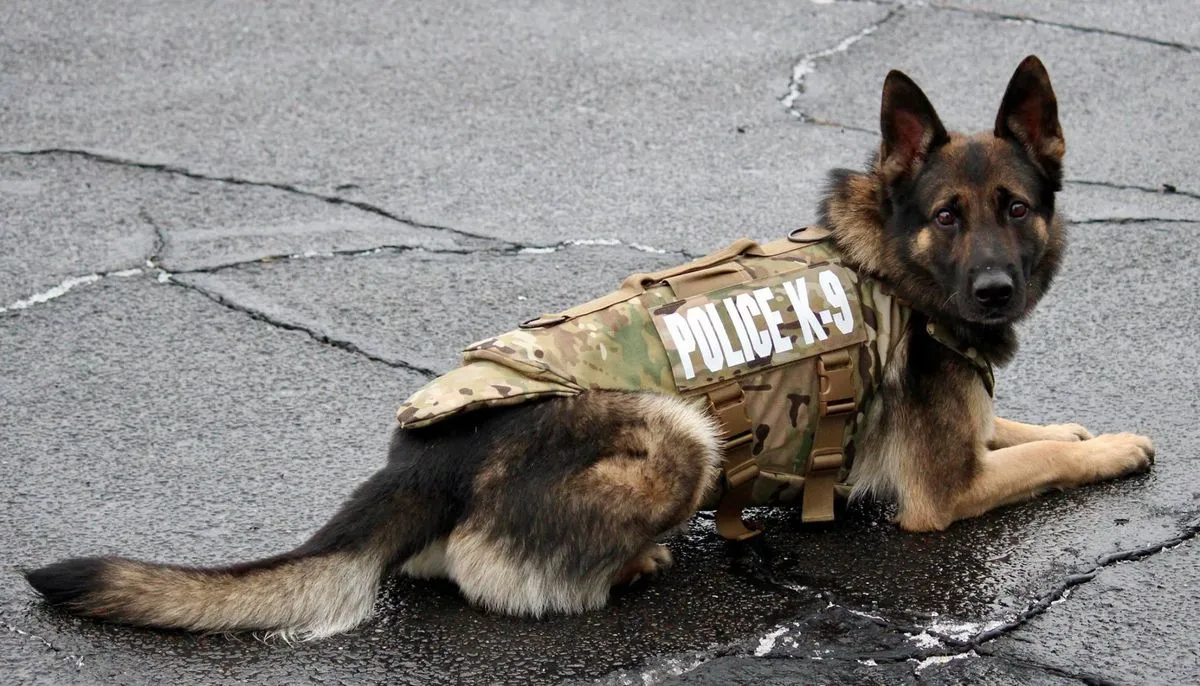
Optimize safety with digital K9 reporting tools. Harness real-time data and elite tracking for unrivaled security operational intelligence.
Optimize safety with digital K9 reporting tools. Harness real-time data and elite tracking for unrivaled security operational intelligence.
See how K9 daily reports improve site safety. Harness rigorous data and elite handler insights to boost tactical efficiency and oversight.
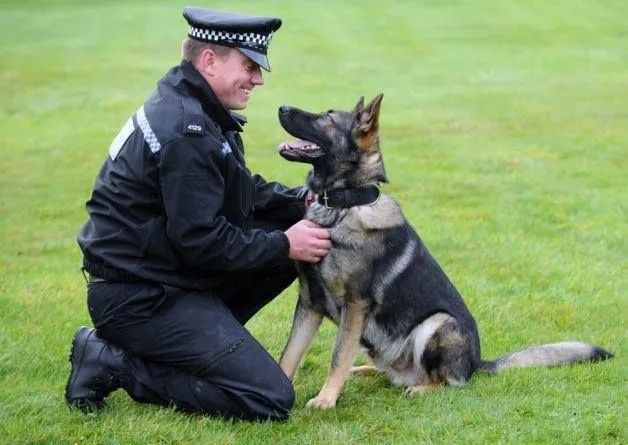
Working security dogs do not experience “normal” workdays. Their shifts are unpredictable. Calm can turn to chaos overnight. As sound builds, people move differently, and conditions change without warning, the dog never disengages. That level of demand does not leave visible marks straight away. Fatigue builds quietly. Stress settles in before anyone names it. That is why it is not enough for welfare oversight to be based on trust, experience, or good intentions. Such factors are important, but they cannot be regarded as proof. This is where working dog welfare reporting sits. Not as a preference. Not as a courtesy. As a formal, recorded system that tracks how the dog is coping with the work it is asked to do. It applies across all sectors using dog security services, regardless of size or complexity. When done correctly, welfare reporting safeguards the animal, helps the handler, and protects the organisation which is responsible for both. More and more, it is being seen as the minimum standard of compliance, not a voluntary addition. What Welfare Reporting Means in Working Security Dog Operations Welfare reporting in operational settings is often misunderstood. It is not about creating paperwork for its own sake. It is about capturing reality over time. Welfare Reporting Vs General Animal Care Records General care records tend to focus on routine needs such as They are useful but static. Welfare reporting is dynamic. It links the condition to the workload. It records how the dog responds to real deployments, not just how it looks at rest. In working environments, that difference matters. The job itself creates strain. Reporting is how that strain is tracked. Why Working Dogs Are Treated Differently From Domestic Animals Domestic dogs live in predictable spaces; however, working dogs do not. They encounter stress, repetition, noise, pressure, and risk as part of their role. Because of that, welfare cannot be assumed from appearances alone. A dog can look fit and still be overloaded. Active monitoring exists to catch what casual observation misses. Why Welfare Reporting Is Mandatory, Not Optional Working Dogs Are Deployed Assets, Not Passive Animals A working security dog is not simply present on site. It is engaged, moving, responding, and processing. The work demands physical output and sustained focus. Performance changes before welfare issues become visible. Reaction times slow, decision-making shifts, and reduced safety margins follow. Working dog welfare reporting creates a link between what the dog is asked to do and how it handles that demand. Without records, decline happens quietly. Not because people are careless, but because gradual change is hard to notice without evidence. Reporting turns that invisible process into something measurable. Welfare Reporting Protects Dogs from Overuse and Burnout Burnout rarely arrives suddenly in pieces. A dog takes longer to settle after a shift. Recovery stretches. Engagement dips in certain environments. These signals are easy to dismiss when schedules are full, and sites still need coverage. Welfare reporting slows that drift. It forces reflection. It makes small patterns harder to ignore. Once written down, trends become visible. Certain sites create more strain. Certain shift lengths push recovery too far. Intervention can happen earlier, before strain becomes injury or withdrawal. This is not about limiting capability. It is about protecting it. Mandatory Reporting Reduces Legal, Ethical, and Reputational Risk When incidents occur, documentation matters. Verbal assurances fade, memories conflict, and intentions cannot be verified. Welfare reporting provides evidence of the duty of care. It shows that well-being was monitored, reviewed, and acted on. It demonstrates that decisions were informed by recorded observation, not hindsight. Across industries using working animals, scrutiny is increasing. Clients ask questions, and regulators expect proof. Working dog welfare reporting answers those expectations without defensiveness. It shows that welfare is built into operations, not added later. Reputational damage often begins with missing records, not misconduct. Handler Accountability Depends on Recorded Welfare Evidence Handlers operate in real time. They judge fatigue, assess risk, decide when to continue and when to stop. Without records, those decisions can be questioned unfairly after the fact. Welfare reporting provides context. It explains what the handler saw and why a choice was made. It also improves communication. Supervisors gain insight into daily realities. Clients receive transparency without micromanagement. Accountability becomes shared rather than isolated. In this way, reporting protects people as much as dogs. Welfare Reporting Ensures Consistency Across Multi-Site Operations Informal systems struggle as operations grow. What works on one site rarely scales cleanly to ten. Standardised welfare reporting creates continuity. A dog’s condition does not reset with a new shift, handler, or location. Records travel with the animal, and patterns remain visible. For organisations expanding dog security services, this consistency prevents silent drift. Welfare standards stay aligned across contracts, not diluted by circumstance. What Proper Welfare Reporting Must Capture Effective welfare reporting is selective, not excessive. It focuses on information that shows how work impacts the dog over time. The DEFRA Code of Practice for the Welfare of Dogs explicitly defines welfare as including mental wellbeing and environmental factors. That definition aligns directly with your reporting argument. Physical Condition and Recovery Indicators Fitness levels, minor injuries, and recovery speed provide insight into whether the body is coping. One note means little; patterns matter. Behavioural and Psychological Observations Stress responses, engagement levels, and behavioural changes often appear before physical issues. Recording them adds the depth that numbers alone cannot provide. Environmental and Deployment Conditions Heat, surface type, noise, shift length, and exposure all shape welfare outcomes. Context gives meaning to observation. Consequences of Poor or Missing Welfare Reporting Without reporting, decline becomes normalised. Dogs push past safe limits, handlers absorb pressure, and small issues grow quietly. On an organisational scale, lack of evidence leads to an expanding risk. As insurers raise doubts about the exposure, contracts undergo scrutiny, and the absence of proof causes credibility to disappear. Poor welfare reporting rarely causes problems directly. It leaves organisations unable to show they prevented them. How Welfare Reporting Supports Sustainable K9 Operations Continuity is the … Read more
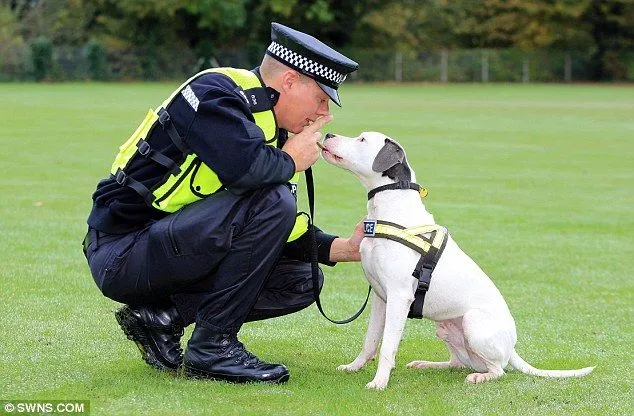
Security failures are rarely sudden. They build quietly. A weak area is passed repeatedly, fades from attention, and eventually becomes a problem. Most sites do not lack patrols. They lack memory. What was noticed on one shift disappears on the next. Patterns never fully form. By the time a vulnerability is obvious, it has already been tested. This is where k9 logs strengthen security in a practical way. Not by recording activity for compliance, but by preserving early signals that would otherwise vanish. Data logs direct focus before risk turns visible. This article explains why security teams depend on K9 data logs to reinforce vulnerable areas, not how those logs are written. Understanding Vulnerable Site Areas in Modern Security Operations What Makes an Area Vulnerable Over Time Vulnerability is not a label. It is a condition. An area becomes vulnerable when attention drops, behaviour shifts, or the environment changes. Risk can develop slowly or appear suddenly. Small changes like new routes, lighting adjustments, or temporary structures are often the cause. What matters is that vulnerability moves. It does not stay where it was first identified. Yesterday’s safe zone can become today’s weak point without any obvious trigger. Security that relies on static assumptions falls behind quickly. Why Visual Patrols Alone Miss Early Indicators Human patrols detect events more easily than slow-forming risk. One odd behaviour is easy to dismiss. A second might be forgotten. By the third, a pattern exists, but only if someone remembers the first two. Shift changes break continuity, and verbal handovers lose detail. What once felt important fades into routine. Without records, early indicators dissolve. Vulnerability grows not because no one looked, but because nothing was held. The Purpose of Using K9 Data Logs to Strengthen Vulnerable Site Areas Turning Canine Behaviour Into Usable Security Signals Dogs respond to change before people do. They react to unfamiliar presence, altered environments, and subtle behavioural tension. These reactions are instinctive. On their own, they are fleeting. When those responses are logged properly, instinct becomes signal. A reaction gains context. Time, place, and behaviour link together. This is the first way k9 logs strengthen security. They convert momentary awareness into information that survives beyond the patrol itself. Identifying Patterns That Human Memory Cannot Track A single alert means very little. Repetition means everything. K9 data logs show where interest repeats, how often it occurs, and whether it intensifies. They reveal slow changes that no single shift would notice in isolation. Patterns emerge across days and weeks. Certain zones attract attention. Certain times coincide with behavioural change. Vulnerable areas begin to define themselves. This is how k9 logs strengthen security without adding more patrols or more people. They let the site speak through repetition. Separating Perceived Risk From Actual Risk Some areas feel dangerous because they are busy, while others are dangerous because they are quiet. High-traffic spaces attract attention and resources, while low-visibility areas are easier to miss. Over time, assumptions form and “nothing ever happens there” becomes an accepted truth. K9 logs challenge that thinking. When dogs show repeated interest in areas assumed to be safe, data forces reassessment. Risk is redefined by behaviour, not belief. This prevents security teams from reinforcing the wrong places while real exposure grows elsewhere. Strengthening Weak Zones Without Increasing Coverage Adding coverage is the default reaction. It is also the most expensive. K9 data logs allow teams to focus attention instead. Patrol depth increases where logs indicate a change. Other areas remain stable. This targeted reinforcement reduces fatigue and avoids unnecessary presence. Security becomes precise rather than broad. Here, k9 logs strengthen security by sharpening focus, not expanding footprint. Detecting Environmental Changes That Create Exposure Most vulnerabilities begin with change. A construction project alters sightlines. Temporary lighting reduces visibility. Access routes shift to accommodate operations. None of these triggers alarms. Dogs notice immediately. Their behaviour shifts when environments no longer feel consistent. Logs capture these reactions early. They mark the moment exposure begins, not the moment it fails. That timing makes all the difference. Supporting Evidence-Based Security Adjustments Security decisions must be justified. Route changes, lighting upgrades, access controls, and physical barriers all carry costs. Without evidence, concerns are questioned, delayed, or reduced. UK guidance on managing risk over time, including that from the Health and Safety Executive, highlights the importance of recorded observations. These records help detect change early and support proportionate preventative action. K9 data logs provide that evidence. They show why an adjustment is necessary and where it should apply. Decisions gain credibility when they follow documented patterns rather than instinct. Evidence-based changes are more likely to be approved and more likely to work. Preventing Repeat Exposure Through Historical Comparison Fixing a vulnerability once does not end the risk. Historical logs allow teams to compare periods before and after changes. If not, the vulnerability remains. This comparison prevents repeat exposure. It stops teams from assuming a fix worked simply because nothing happened yet. Over time, k9 logs strengthen security by tracking whether reinforcement actually reduced risk or merely delayed it. Reducing Subjectivity in Security Decision-Making Verbal reporting changes with every retelling. Tone shapes how issues are prioritised, and memory alters the details. Over time, context fades, and the same issue sounds smaller than it was. Logs remove that distortion. They create a shared reference point across teams and shifts. Everyone works from the same information. This consistency improves trust within operations. Decisions feel fair, grounded, and defensible. Aligning K9 Reporting With Broader Security Systems K9 data becomes more powerful when it is not isolated. When logs are reviewed alongside CCTV, access records, and incident data, patterns become clearer. One system confirms another, and gaps are revealed. This alignment is where experienced K9 security services add strategic value. Not through presence alone, but through integration. Creating Accountability Around Known Weak Points Once a vulnerability is logged, it exists. It cannot be ignored without intent, but it demands a response. Weak points stop being theoretical concerns and become operational responsibilities. … Read more
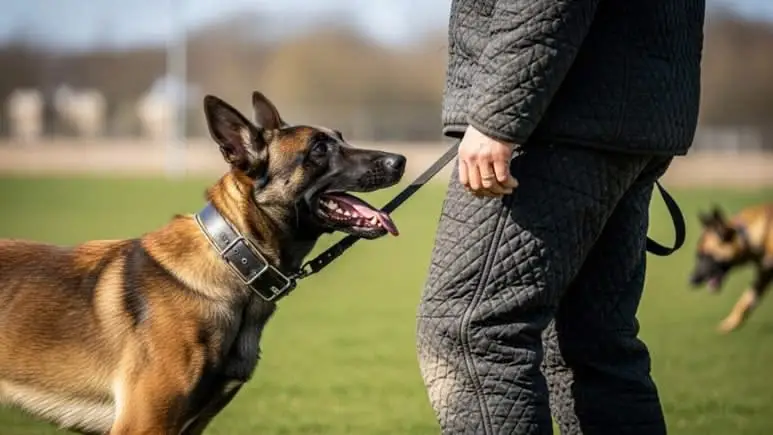
Security assessments do not succeed on confidence alone. Their success is built on evidence rather than opinions or assumptions. For sites that rely on K9 patrols, that evidence lives inside dog activity reports. Not as paperwork, but as intelligence. Every patrol produces behavioural cues, environmental signals, and site-specific data. When those details are captured accurately, they shape how a site is graded, insured, funded, and defended. That is where dog activity report benefits become measurable rather than theoretical. Assessors use reports to understand real risk, not perceived risk. They rely on them to build threat profiles, set priorities, and recommend mitigation that matches what is actually happening on the ground. When reporting is precise, security decisions improve. When it isn’t, everything downstream weakens. The Role of Operational Data in Modern Security Assessments Security assessments are only as strong as the data feeding them. And operational data sits at the centre of that process. How Assessors Interpret On-Ground Activity Evidence Assessors are trained to separate noise from signal. Anecdotal feedback, even when well-intentioned, carries limited weight. It lacks consistency and fades with time. Recorded activity is different because it shows patterns, frequency, and change. One alert means little on its own. Ten alerts in the same zone, across different shifts, tell a story. Assessors read that story closely. They look for repetition, escalation, and gaps. This is why they trust recorded patrol outcomes over verbal summaries. Why K9 Patrol Data Carries Higher Assessment Weight Dogs react before incidents occur. They pick up on tension, unfamiliar presence, and environmental disruption long before something turns visible. Real value comes when these reactions are captured correctly. This means following security dog deployment best practices, such as those outlined by NASDU, so reports remain operationally useful and assessment-grade. When reactions are recorded accurately, they act as early indicators rather than hindsight warnings. They signal a change before issues escalate. Assessors value this because it moves a site from reactive defence into informed prevention. It gives them evidence of risk that hasn’t yet turned into loss. What Makes Dog Activity Reports Assessment-Grade Evidence Not all reports deserve a place in a security assessment. Accuracy decides that. Precision Over Volume in Security Documentation More entries do not mean better insight. In fact, excessive logging often weakens assessments. It buries meaningful detail under routine notes. Assessors prioritise relevance, clarity, and patterns they can verify. Bloated reports lose credibility, while precise ones hold attention. The Value of Time-Stamped, Location-Specific Observations A reaction without context has limited value. When behaviour is linked to time, patrol route, and zone, it becomes usable. Assessors can map risk realistically. They see which areas attract repeated attention and which remain quiet. This supports threat modelling that reflects the site’s actual layout, not its assumed weak points. Operational Gaps Revealed Through Accurate Reporting Good reports don’t flatter a site. They challenge it. Identifying Blind Spots In Patrol Coverage Inconsistent patrol depth shows up quickly in accurate records. Missed zones, rushed checks, and repeated gaps in the same area become clear. Assessment teams flag these instantly, not to criticise, but to recalibrate coverage. Behavioural Anomalies That Signal Future Risk Changes in a dog’s response matter. Increased alertness in quiet zones, repeated interest without a visible cause, and subtle shifts over time all signal change. When these patterns are recorded accurately, they signal risk before loss occurs. When they aren’t, early warnings disappear. How Dog Activity Reports Improve Site Security Assessments This is where reporting moves from record-keeping into strategic impact. Accurate dog activity reports shape how assessors understand risk. They change how sites are scored. They influence recommendations, budgets, and long-term security posture. The dog activity report benefits here are structural, not cosmetic. Improving Threat Accuracy, Not Just Threat Visibility Visibility alone doesn’t improve security. Accuracy does. Assessments built on assumptions often overprotect the wrong areas and underprotect the real risks. Accurate reports correct that. They validate suspected threats or quietly disprove them. When assessors see consistent K9 responses in specific zones, they stop guessing. As threat models sharpen, defensive focus shifts and resources are allocated where they matter. Strengthening Risk Scoring And Priority Setting Risk scoring is comparative. Sites are ranked against their own history and against others like them. Accurate reporting feeds this process with reliable data. Assessors can justify why one site requires higher mitigation than another. They can explain why certain risks are elevated and others are not. Sites with strong K9 reporting receive more precise security grading, not harsher, but clearer. Supporting Evidence-Based Security Recommendations Every recommendation in an assessment must be defensible. Lighting upgrades, fence reinforcement, and access control changes carry cost. Accurate reporting gives assessors the proof to justify themselves. Without reporting, recommendations feel generic. With it, they become targeted, and spending follows evidence instead of habit. Enabling Consistent Reassessment Over Time Assessments are not static. They are revisited, compared, and re-scored. Dog activity reports act as benchmarks. Assessors track improvement, stagnation, or deterioration. They see whether previous recommendations worked or missed the mark. This continuity only exists when reporting is consistent and accurate across time. Enhancing Insurer And Stakeholder Confidence Insurers rarely accept reassurance without proof, as verbal assurance fades while documentation remains. Accurate K9 activity reports demonstrate active risk management. They show a site is monitored, not just staffed. For insurers and senior stakeholders, that distinction matters. This is one of the quieter dog activity report benefits, but one with real financial impact. Linking Patrol Outcomes To Wider Site Security Strategy No assessment looks at K9 patrols in isolation. Reports are cross-referenced with manned guarding logs, CCTV events, and access data. When these systems align, assessments gain depth. Within layered security models that include professional dog security services, accurate reporting provides visibility across each layer. Assessors can see how those layers support one another rather than operating blindly. Risks of Inaccurate or Incomplete Dog Activity Reporting Poor reporting does not simply fail to help. It actively harms assessments. False Confidence and Misgraded Sites Inaccurate reports inflate … Read more
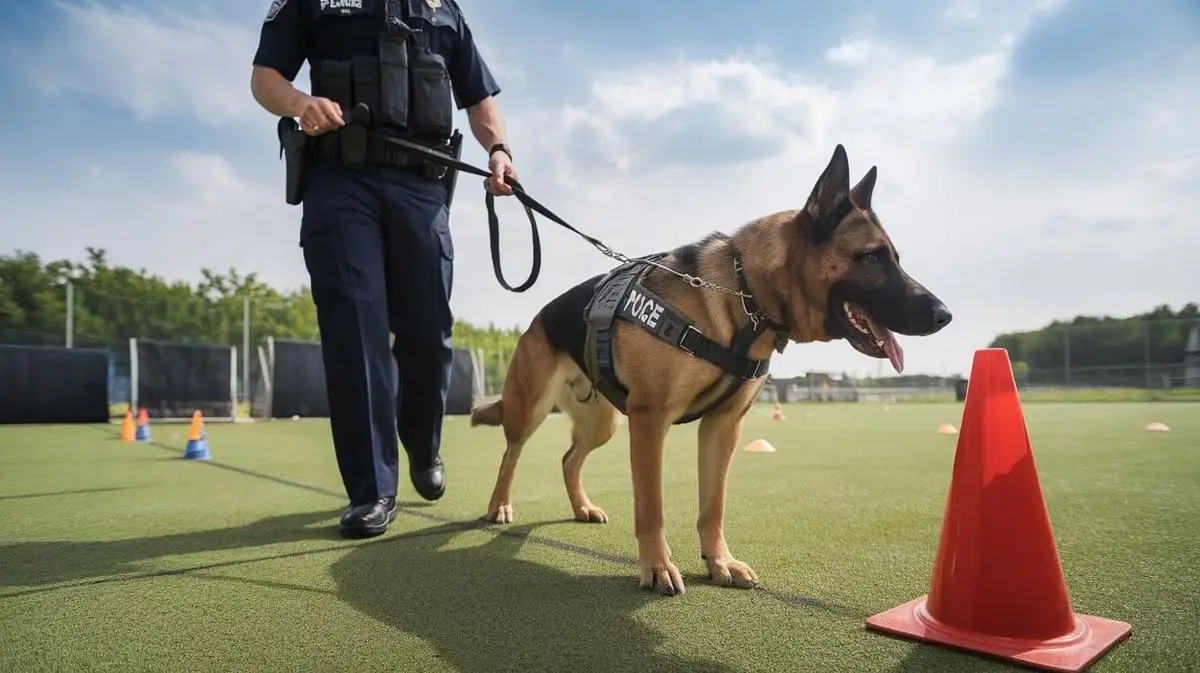
A patrol may conclude in the moment, but its value continues beyond the shift. The lasting element is the record created. That record determines how actions are reviewed, how judgement calls are defended, and how responsibility is measured. Post-patrol documentation exists for reasons far beyond internal organisation. It preserves clarity when memory fades and protects actions taken in fast-moving conditions. This is where k9 incident logs hold their weight. They are not paperwork in the background. They are structured records that extend operational control beyond the patrol itself. Done properly, they turn brief moments on site into dependable evidence that can be reviewed, tested, and trusted. Why Post-Patrol Documentation is Operationally Critical Patrol work is rarely evaluated in the moment. It is examined afterwards, often by people who were never present. That delay changes everything. Incident records become the only reliable reference point. They show when a patrol occurred, what was covered, and how situations were handled. Even patrols where nothing occurs still matter, as silence confirms coverage and presence confirms control. Without documentation, those confirmations vanish. Logs bridge the gap between physical patrol activity and organisational oversight. They allow decisions to be reviewed without guesswork and provide continuity between shifts, supervisors, and long-term audits. What Constitutes an Incident During a K9 Patrol An incident is not defined by intensity. It is defined by deviation. Operationally, an incident occurs when something alters the expected patrol environment. These are observable events, and they do not rely on interpretation. Routine patrol notes exist to document continuity, while incident records exist to document change. Maintaining that separation prevents reports from drifting into interpretation or opinion. Only observable facts and required actions are recorded. Information Captured Immediately After a Patrol Event Before a formal log exists, information is gathered. This stage is fast and factual. Time, Location, and Patrol Context Each patrol is anchored by recorded start and end times, with all covered zones identified. Any conditions that affected movement or visibility, such as lighting, weather, or physical obstructions, are documented. This ensures later understanding without editorialising the record. Individuals, Assets, and Points of Contact Any presence encountered is recorded exactly as observed. People, vehicles, access points, or assets. No assumptions are made about intent or purpose. The record reflects observation only. Canine Deployment Notes Any canine involvement is recorded carefully and without embellishment. Observations note only passive presence, alert behaviour, or withdrawal. Wording stays factual and measured, with no emotional or speculative language. Maintenance of Incident Logs After Patrol Completion Once the patrol ends, reporting discipline begins. This stage determines whether a log remains useful months later or collapses under review. Transition From Field Notes to Formal Records Field notes are not the record. They are raw material. They are converted into structured entries while details are still clear. Same-shift completion matters because memory erodes quickly. Facts are separated from commentary. What occurred is recorded. Why it might have occurred is left out. At this point, k9 incident logs move from personal reference to organisational document. Structured records for security dog operations and handler conduct are supported by the National Canine Training and Accreditation Scheme. The scheme promotes consistent, accredited standards for canine capability and reporting. Language Control and Neutral Reporting Standards Language is where reports succeed or fail. Neutral phrasing protects accuracy. “Observed individual near access gate” records fact. Anything beyond that introduces judgement. Consistency matters just as much. When multiple handlers patrol the same site, their reports must read as one system. This is especially important within professional K9 security services. Patrol logs are often reviewed by individuals far removed from the patrol itself. Consistent language strengthens K9 incident records by removing ambiguity. Chronological Structuring of Events Events are recorded in the order they happened. No rearranging and no hindsight. Timestamps anchor credibility by establishing response timing and sequence. When gaps appear, they invite questions, and retroactive edits raise concern. A clean, continuous timeline addresses both. Review and Verification Processes Completed logs are reviewed before finalisation to confirm clarity and completeness. Any errors are corrected through defined processes rather than silent edits. Once verified, records are locked. This preserves integrity and prevents later alteration. At this stage, k9 incident logs become fixed references rather than editable notes. Secure Storage and Access Control Storage is about control, not convenience. Whether records are digital or written, access is limited to authorised roles. Retention remains consistent across patrol types to avoid historical gaps. Secure handling ensures logs remain available when required and protected when not. How K9 Incident Logs Support Accountability and Traceability Accountability depends on traceability. Logs create a clear trail showing who was present, what was observed, and how situations were managed. That trail protects both provider and client. When questions arise, the log becomes the reference point, not memory or interpretation. In reviews or disputes, that clarity often determines the outcome. Common Reporting Failures and How Providers Avoid Them Most reporting failures follow patterns. Experienced providers prevent these issues through disciplined timing, controlled language, and clear responsibility. The aim is precision, not volume. How Incident Logs Fit Into Broader Reporting Frameworks Within the broader reporting framework, incident logs serve a specific role. Daily summaries capture the overview, and incident records provide depth. These logs feed internal reviews and long-term analysis without overlapping with training, welfare, or performance documentation. Separation keeps each record type purposeful and prevents misuse. Conclusion Incident reporting is not something added at the end for form’s sake. It is part of the operation itself. What happens during a patrol does not lose importance once the route is complete. It carries forward into how events are recorded and remembered. Accuracy matters. Timing matters just as much. Neutral language decides whether a record can stand on its own later. When handled well, k9 incident logs keep events clear long after details would normally fade. They support decisions already made and give structure to later review. Systems may change, but the core idea does not. Clear observation, careful recording, and … Read more