Walk through a university house after midnight, and the silence feels fragile. Every closed door, every dim path, and every side gate holds a quiet responsibility. Students sleep, and managers carry the weight of their safety. It’s an ongoing duty of care that doesn’t pause because classes ended hours ago.
When something goes wrong on campus, the consequences fall on university leaders. It includes an intrusion, a fight, and a break-in. Liability, reputation, and student trust all hang in the balance. The tricky part is that traditional security measures react to only a second-time threat. CCTV footage can only record what happened, but not stop it.
A lone guard may be strong and alert, yet stretched too thin when patrolling a maze of paths. It also covers loading bays, utility rooms, and noisy student blocks. University security K9 units offer a barrier before risk becomes danger.
Operational Efficiency: The K9 Unit as a Force Multiplier
Faster Detection: Surpassing Human Limitations
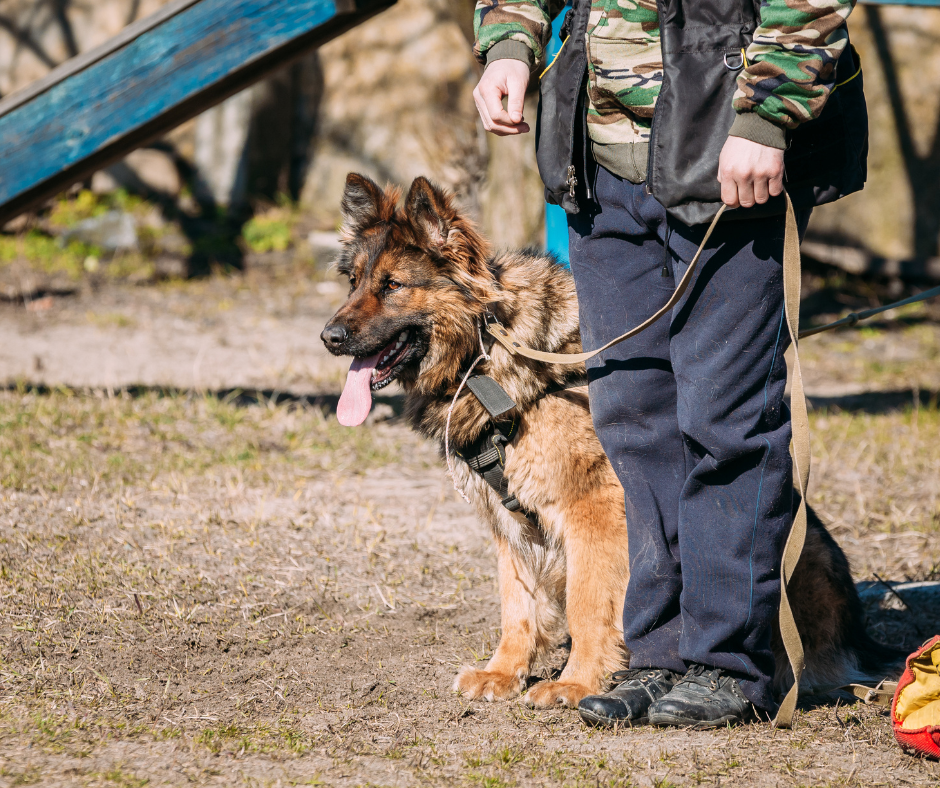
A trained security dog works with senses far beyond human limits. Smell and hearing give them a picture of the campus that cameras cannot reveal. A dog can track a hidden presence or catch unfamiliar scents. It happens long before any guard hears a footstep.
A human guard takes 20–30 minutes to clear a large accommodation perimeter. A dog-and-handler team can sweep that same area in roughly half the time.
In some universities that tested mixed teams, K9 units were 40% faster during night patrol. This speed matters. Quick detection is the difference between “someone was here” and “someone has stopped.”
Securing the Shadows: Areas Vulnerable to Night-Time Intrusions
Residential campuses hide an entire network of awkward areas that students rarely see. Unused maintenance rooms. Roof access hatches. Service tunnels. Delivery docks. Shared storage spaces with dark corners. Underground car parks where sound bounces around and echoes distort direction.
These places are hard for standard patrols because visibility drops. But scent does not hit blind spots. A K9 can pick up the presence of a person even when they are behind equipment, around a bend, or waiting in silence. While cameras stare in straight lines, a dog moves through a space. This involves checking for scent disturbances and letting handlers verify rooms with accuracy.
The result is a deeper sweep of high-risk zones without slowing down the patrol rhythm of the night. A Cost-Effectiveness report from the Office of Justice Programs shows a comparison analysis.
Risk Mitigation: Proactive Safety Measures for High-Risk Scenarios
The Psychological Deterrent: De-escalation Through Presence
Most people don’t pick fights with a trained security dog. The presence alone is enough to make someone rethink a bad decision. Trespassers hesitate. Opportunists back off. Students causing noise outside the halls usually settle down faster. This happens when a University Security K9 Units step into view. It’s the clarity that these units control the situation without delay.
Several campuses reported incidents requiring physical intervention fell by more than a third. It happens when a visible K9 patrol becomes part of the night routine. Most trouble ended before it escalated. That is the heart of proactive campus safety measures. It includes stopping problems early by making risky behaviour feel far less tempting.
Rapid Response Protocol for Overnight Incidents
K9 handlers respond to an alarm, noise complaint, or report of a suspicious figure. They handle the incidents with precision. The dog picks up scent direction, guiding the team straight toward or away from the source. They follow the quickest path, not the obvious one. These teams track.
This ability is invaluable during night hours when time drags during uncertainty. A handler does not guess where someone might have gone. The dog knows. Whether it is a trespasser or a group trying to access a locked area, K9 teams create a fast, clean resolution. Compliance improves. Confusion drops. The atmosphere stays controlled, calm, and predictable.
These dogs are trained not for aggression but for a structured response. They are tools of safety, not intimidation.
The Business Case: Financial Justification and Administrative Benefits
Quantifying the Return on Investment (ROI)
Budget discussions are unavoidable in higher education. Every new service fights for a piece of a limited pie. But K9 units hold a rare advantage: they reduce spending that universities don’t want to face in the first place.
Consider the hidden financial traps of poor night security:
- Vandalism repair
- Theft from shared areas
- Increased insurance premiums
- Legal claims from injuries
- Damage from break-ins or unauthorised parties
- Staff time spent managing conflict fallout
A major security incident can cost more than an entire year of K9 coverage. Universities discovered that the K9 units include a measurable drop in call-outs. It also covers fewer insurance claims and reduced property damage across residential sites. Insurance providers sometimes recognise the added protection and offer improved terms.
When administrators compare costs, it prevents the crisis, and the value becomes clear.
Integrating Top-Tier University Security K9 Units Services
Choosing a K9 provider is not the same as hiring regular guards. Procurement teams should look for:
- Certification in professional K9 handling
- Clear evidence of welfare standards for dogs
- Experience working in educational or residential environments
- Handlers trained in communication and conflict avoidance
- Ability to integrate reporting into the campus’s existing safety infrastructure
When delivered as professional k9 security services, these units extend beyond patrols and become a structured part of night-time risk management, reporting, and welfare-focused response across student accommodation.
A reputable provider respects the culture of a university. They understand that residential spaces need professionalism and sensitivity. Their teams adapt to campus protocols rather than forcing new systems into place.
When done right, integration feels seamless. The campus gains a stronger safety net without disrupting how students study.
Best Practices for Successful Campus Safety Management
Establishing a Transparent University Security K9 Units Safety Policy
Open communication is vital when introducing any new safety measure. Students want to know why K9s are present. Parents want reassurance that the dogs are safe and part of a wider protection strategy. Staff want clarity on what to expect.
Managers should publish a simple, direct policy explaining:
- Patrol hours
- The role of the K9 team
- How incidents are managed
- How the dogs are trained
- Who oversees the service
Transparent messaging builds trust and reduces anxiety. If students know the dogs are not there to protect the community, acceptance becomes easy.
Integrating K9 activity into digital reporting systems strengthens oversight. Handlers can log route coverage, incident reports, and observations into the same software. It is used by campus security. This supports the broader goals of campus safety management. It helps to keep records clean and accessible.
Choosing the Right Partner for Accommodation Security
Some security firms excel in commercial sites, events, or industrial zones. But have little experience with residential life. Universities are different. Accommodation environments balance safety with student wellbeing and large public footfall.
The most suitable partner is one that understands:
- The unique pressures of student living
- The rhythm of academic terms
- Safeguarding considerations
- The need for calm, measured interaction
- Night-specific challenges in residential areas
Selecting a team with proven higher-education experience ensures smoother operations from day one.
Conclusion: Securing the Future of Student Accommodation
Why Trust Is the Ultimate Measure of Protection
Trust is not built through equipment alone. It forms when outcomes improve, when residents feel safe walking to a late study session. University security K9 units earn this trust because they deliver visible, consistent results.
Accommodation managers rely on them for a reason. They prevent more than they confront. They guide rather than intimidate. They bring clarity to the dark spaces where risk likes to hide. As universities check their security strategies, it’s wise to choose K9 services.