Call Us: (44) 77765-43210

Email Us: info@dogsecurityservices.co.uk

How Patrol Dogs Support On-Site Wardens During Security Incidents in Student Halls
dog warden support student

Student halls never sleep. Even on a quiet night, something is always happening behind a door, in a courtyard, or through a side entrance. Delivery drivers wait for residents who forgot their phones upstairs. Friends drift in after midnight. Lift doors open and close with no warning. Wardens hold this whole moving picture together, but space is not on their side. Long corridors sprawl in every direction. Stairwells twist down to storage rooms no one checks twice. Many universities now see dog warden support students as something that complements staff. It adds another layer that matches the pace of campus life. Patrol dogs reach places wardens can’t see or hear. And they do it while following campus rules and safety standards. Security Risks Unique to Student Accommodation Late-Night Trespass and Tailgating It takes only one open door. A resident swipes in, and three others drift behind them, friends, guests, or total strangers. When intruders get inside, they can move everywhere. Stuff disappears, bikes are taken, and noise spreads through the flats. Anti-Social Behaviour and Alcohol-Fuelled Disputes Freshers week, results celebrations, and cup finals all crank up demand and disruption. There is always a reason for celebration, and celebrations simmer into trouble. They know the instant when things shift from harmless to risky. They just can’t cover every space at once. Building Layout Challenges Student accommodation prioritises beds and kitchens, not oversight. Wing after wing, corridor after corridor, corner after corner. Outside, bin stores and bike cages form forgotten pockets where wardens’ footsteps fade. Why Traditional Warden-Only Deployment Is Limited Limited Field of View and Mobility Even a fast warden sees only what is in front of them. Blind spots are easy to exploit and harder to reveal until damage is done. Safety Risks in Confrontations Wardens rely on words, posture, and procedure. If a tense situation turns physical, their options shrink fast. Response Time Across Large Sites Every response steals time from elsewhere. One noise complaint could mean missing a trespass behind a fire exit door. How Patrol Dogs Support On-Site Wardens During Live Incidents in Student Halls Enhancing Perimeter and Internal Patrol Coverage Patrol dogs stretch coverage without widening headcount. They smell what humans miss. They track quiet movement in car parks and sense presence near back gates before a shadow becomes a threat. A warden chooses the route; the dog expands its reach. Suddenly, smoking shelters feel supervised. Rear entrances stay honest. Early Intruder Detection and Alerting Dogs read the air, react to movement, and notice strangers before wardens see a silhouette. In basements and lift lobbies, places where noise echoes oddly, they spot issues seconds sooner. Those seconds can stop a problem from forming its shape. Controlled Presence for De-Escalation Sometimes, control means gentle pressure, not confrontation. A dog at a handler’s side changes how people behave. Visitors who might argue or stall suddenly comply. House parties shut down quicker. Arguments drain instead of flare. The dog rarely needs to move; the polite threat of presence shifts the tone. Protecting Wardens During Confrontation Events Imagine a lone warden facing a hostile guest who refuses to leave. Now picture the same scene with a dog team beside them. The balance tips at once. The dog forms a visible line, the handler remains calm and tactical, and the warden keeps command without stepping into danger. This layered trio protects everyone in the room, including the person being challenged. Making Wardens More Confident and Effective Confidence is quiet, but it changes everything. Wardens with support push into darker sections of the site instead of avoiding them. They open doors they might otherwise walk past. When they feel safe, they make faster decisions and file clearer reports because they saw incidents early instead of reacting late. Many universities treat dog warden support student deployment as an essential upgrade rather than an experiment. Confidence spreads further than a flashlight beam. Sensory Accuracy in Low-Visibility Environments Dim light, shut windows, and dead air hide activity. Dogs don’t rely on sight. They map scent, temperature, sound, and change. A locked yard behind recycling bins becomes monitored. A narrow service corridor turns from a blind gap into a known zone. Rapid Response Without Escalation The smartest intervention is one that never needs to escalate. A dog’s simple presence urges people to rethink bad choices. Wardens stay verbal. The dog adds authority. Together, they solve incidents without force and without risk. Incident Recording, Handover, and Coordination A dog team is not a free-floating patrol. Handlers brief, log, communicate, and pass findings to the night desk or control room. Warden spots an issue. Handler moves to assist. Resolution becomes data rather than rumour. Universities often source this capability through dog security services, gaining trained handlers who slot into campus systems instead of operating on the edge of them. Integrating Dog Teams into Student Accommodation Operations Compliance, Welfare, and Legal Frameworks The dogs aren’t props. They’re trained, handled by people who know the rules, and protected by welfare and safety systems. Dogs deployed in student halls have to meet NCTAS-P requirements. This scheme carries Home Office approval for private security use. Shift Overlap and Planned Patrol Routes No predictable loops. Routes flex, shift, and adapt. Students see the change and respond with better behaviour. Wardens feel the difference in their workload within weeks. Benefits for Accommodation Providers The value shows in numbers and mood. Fewer incidents, faster resolutions. Less stress on stretched night staff. A stronger safety reputation that reassures students and parents alike. Conclusion Student halls are lively, unpredictable, and often stretched to their limits. Wardens do a lot with the time and tools they have, yet the environment moves faster than any one person can track. Patrol dogs fill the space between risk and response. They are not a luxury and not a replacement, just a smart evolution of what safety looks like in dense accommodation. Used well, they make dog warden support student security more durable. They stabilise difficult moments, reduce exposure to harm, … Read more
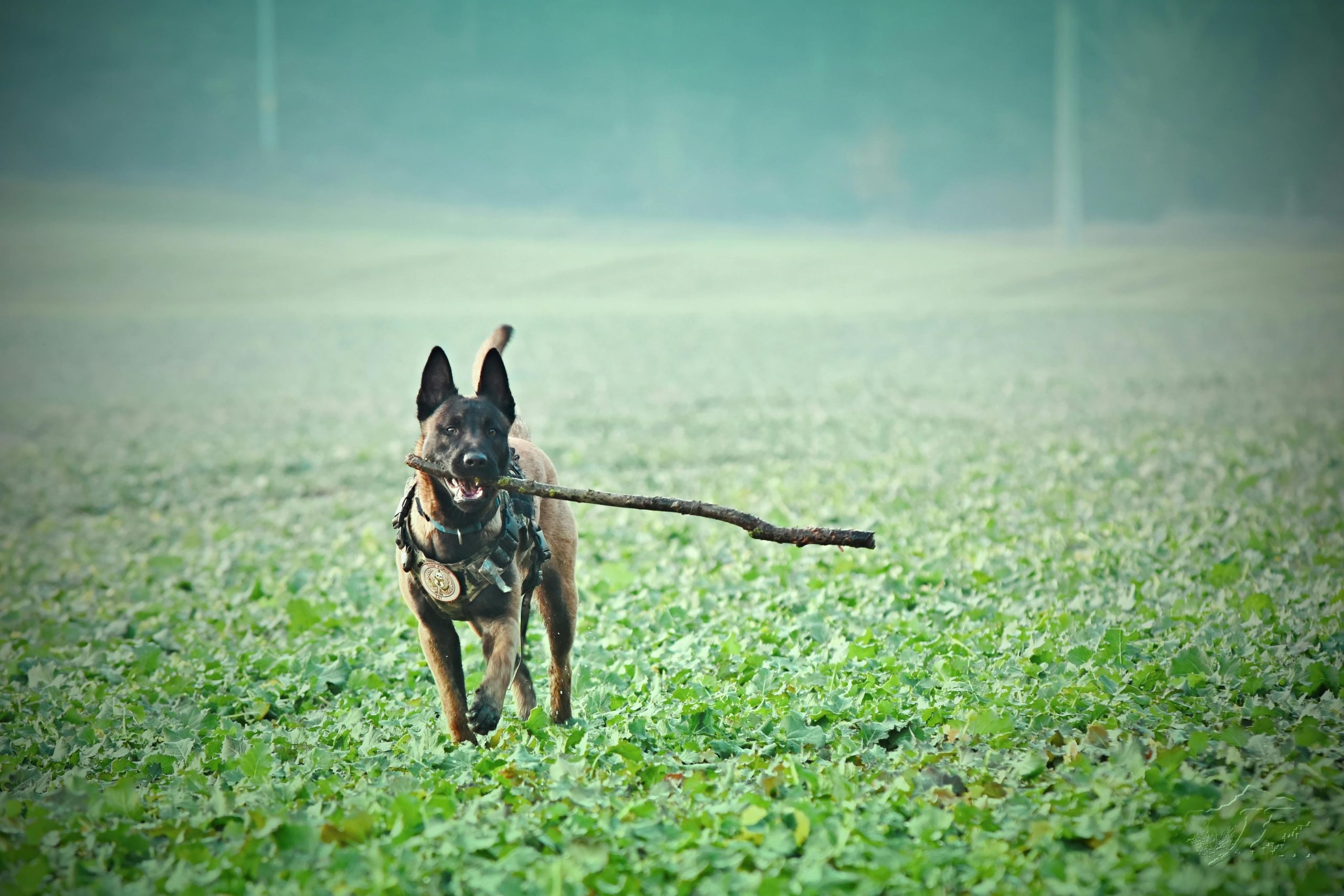
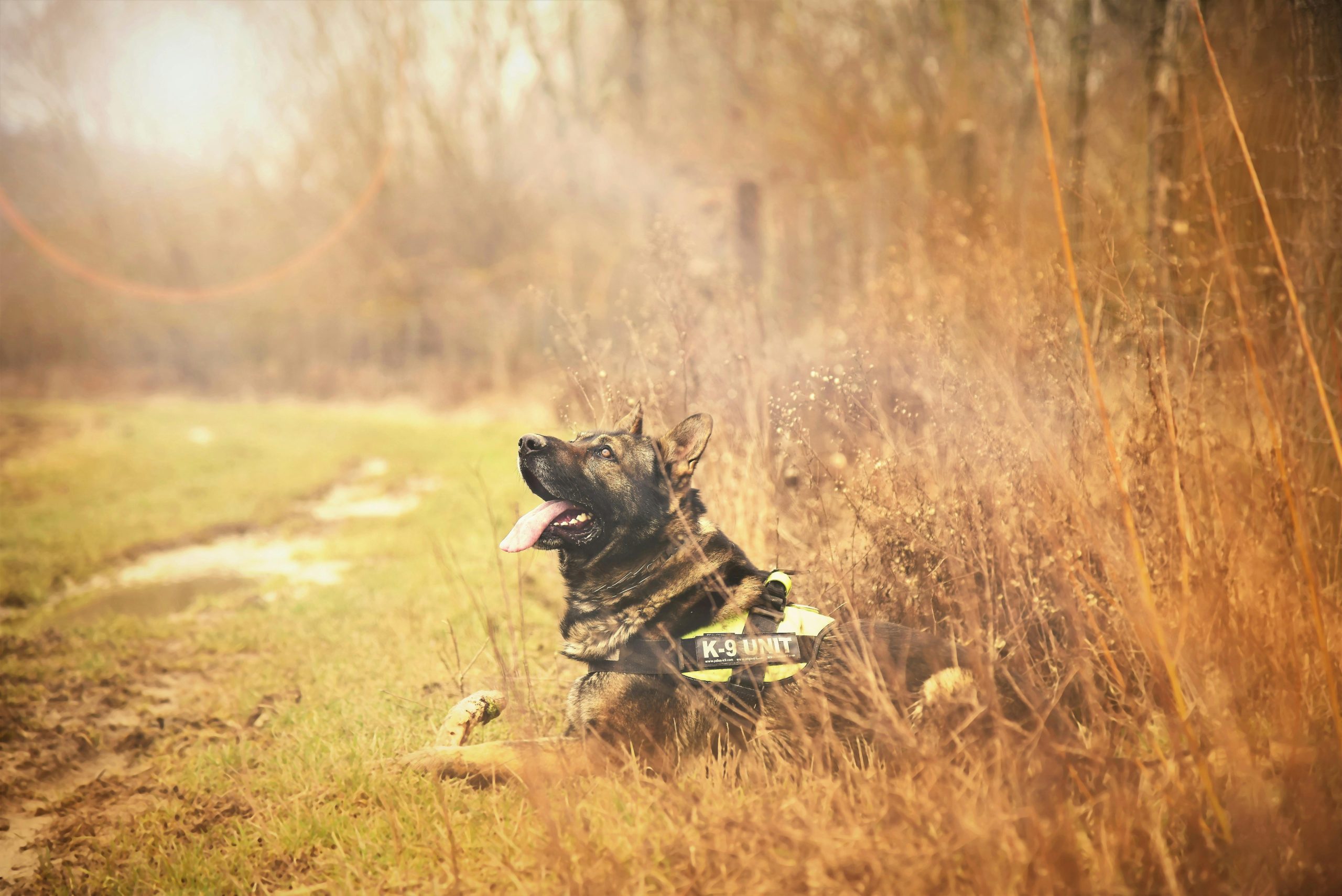
The Unexpected Benefits K9 Units Bring to Student Community Safety Management

Student communities are not static places. They breathe, shift, and reset every few hours. People move between lectures, housing, work, social spaces, and quiet corners that only exist for a short window of the day. Safety in these environments cannot rely on reaction alone. Modern safety management now looks at how behaviour forms, not just how incidents end. This is where student k9 safety benefits often appear in ways people do not expect. Not through force or spectacle, but through presence, awareness, and subtle influence. K9 units change how shared spaces feel. They affect decisions before those decisions turn into actions. In student communities, where boundaries are constantly tested, that influence matters more than most people realise. Why Student Community Safety Needs a Different Lens Student Spaces Behave Differently from Other Public Environments Student environments are transitional by nature, with spaces shifting purpose throughout the day and night. Pathways become meeting points, and courtyards turn into social hubs before falling quiet again. Residences may feel private, but they remain shared, and late-night routes take on a very different character altogether. People pass through these spaces with different intentions. Some are focused, while others are distracted. Many are new and still learning how the environment works. That constant turnover makes behaviour harder to predict and easier to influence. Formal rules exist, but much of student life happens informally. Spaces are used in ways they were not designed for. Safety systems need to adapt to that reality rather than fight it. Traditional Measures Often React After Behaviour Shifts Most traditional tools focus on recording outcomes. Cameras show what has already happened, and reports explain what followed. Static presence can help, but it struggles once movement becomes fluid. Gaps often appear during quiet periods. When nothing happens for a while, attention drifts. Those are the moments when behaviour changes first, long before an incident occurs. This is where the value of K9 units becomes distinct. They respond to the environment itself, not just to alerts or schedules. Student K9 Safety Benefits in Community-Based Environments Natural Deterrence Without Confrontation People behave differently when a dog is present. Risk gets reassessed as decisions slow, causing testing behaviour to stop before it starts. Over time, these effects compound. The presence of trained dogs does more than interrupt single moments of risk. It reshapes how shared spaces are used, how boundaries are respected, and how movement settles. These long-term adjustments sit at the centre of student k9 safety benefits, where influence replaces escalation and prevention happens before intent fully forms. This does not rely on instruction or enforcement. The presence alone is enough to interrupt the moment when someone considers pushing further. In student settings, where many incidents begin as experiments rather than plans, that interruption is powerful. The result is fewer situations that need formal handling. Behaviour adjusts early, quietly, and without escalation. Behavioural Stabilisation in Shared Student Spaces Faster Recognition of Abnormal Patterns Dogs do not follow timetables. They respond to change. These signals often appear before people notice them consciously. In student communities, where patterns shift daily, this sensitivity matters. Early recognition allows safety teams to act while options are still open and responses can stay light. Reassurance That Encourages Compliance Authority does not need to be loud to be effective. In fact, in student settings, loud authority often creates resistance. K9 units provide visible reassurance without aggression. Students tend to adjust their behaviour voluntarily. Directions are followed more readily when challenges are reduced. The dog becomes a reference point. Not a threat, but a signal that boundaries exist and are being observed. Support for Welfare-Led Interventions Not every situation involves risk. Some involve distress, confusion, or emotional overload. K9 presence helps create space. The crowd steps back, sound levels fall, and focus returns. This gives welfare teams time to act without pressure. By easing the environment, dogs reduce the emotional load placed on human responders. Fewer situations escalate simply because there is room to breathe. Safer Transitions Between Student Activity Zones Problems often arise while people are on the move. Leaving residences, heading to social spaces, and dispersing after events are common pressure points. These transition periods carry uncertainty. Energy shifts quickly as crowds compress and release. K9 units help smooth these changes. Movement becomes more orderly, and exit routes clear faster. The risk window narrows without the need for constant instruction. How K9 Presence Shapes Student Perception of Safety Visibility Without Surveillance Fatigue Trust Signals Within Diverse Student Populations The emphasis on calm, preventative safety presence reflects principles found in the Office for Students‘ guidance on student protection and wellbeing across shared learning environments. Integration into Broader Student Safety Management Working Alongside Patrols, Welfare Teams, and Facilities K9 units are not replacements. They are amplifiers. When integrated properly, they support patrol teams by improving coverage awareness. They assist welfare staff by calming environments. They complement facilities teams by identifying changes in space use. Clear role boundaries keep the system balanced. No duplication and no confusion. When K9 Deployment Adds Value When delivered through properly managed K9 security services, this approach remains focused on influence and prevention rather than reaction. It is not needed everywhere, all the time. Random or constant use dulls the impact. Strategic deployment preserves effectiveness. Used with intention, K9 units remain a tool for influence rather than reaction. Long-Term Community-Level Impact Reduced Escalation Cycles Over Time Communities learn. Behaviour adapts to the environment it encounters. When K9 units are part of that environment, repeated testing declines. Patterns settle; however, expectations become clearer without being enforced repeatedly. Over time, fewer situations reach the point of confrontation. Lower Emotional Load On Staff And Responders Early resolution changes everything. When spaces stabilise sooner, staff spend less time managing conflict and more time supporting people. That shift reduces burnout. It also improves consistency, which students notice even if they cannot name it. Conclusion Student communities respond to subtle influence more than direct control. They are shaped by movement, perception, and shared understanding. … Read more

How Dogs Deter Anti-Social Behaviour Around University Campuses and Entrances

University gates and main entrances are odd places. They are thresholds between public life and campus life. People pass through, wait, and groups gather. In those simple moments, small things can spiral into nuisance behaviour, loud shouting, loitering, intimidation, or minor damage. It is rarely planned and often opportunistic. That is why the idea that dog deter student behaviour matters. A dog’s presence shifts the scene before anyone needs to speak. It alters choices and pauses momentum. This piece looks at how and why dogs change behaviour at entrances, without turning a campus into a closed place or a guarded fortress. No heavy policy talk. No policing rhetoric. Just an observation about how presence, posture and instinct change what people decide to do. Understanding Anti-Social Behaviour Around University Entrances Why Campus Entrances Attract Low-Level Disorder Entrance areas draw people in for reasons that have nothing to do with access. Waiting, drop-offs, and late-night movement all collect in one place. When tiredness and alcohol mix, minor issues are more likely to be tested. Testing is the keyword. People probe boundaries to see what sticks. They test whether anyone cares or if they can get away with it. Behavioural Testing, Not Criminal Intent Many incidents begin as experiments rather than intent. A rude gesture or careless action checks the response. When the cues change, the behaviour usually fades. This aligns with how anti-social behaviour is described in UK guidance, where disruption and nuisance are often situational rather than planned offences. How Physical Presence Influences Human Behaviour Visibility Changes Choices Before Action When someone feels observed, they tend to adjust. It happens fast. It is not dramatic. Uniformed presence changes behaviour without a word spoken. Small pauses like these often stop situations from escalating further.  Presence is prevention. It nudges decisions away from harm. Why Predictable Security Loses Impact Predictability weakens deterrence. If a post is always in the same place, people learn the pattern. If a patrol moves on a clock, it becomes a mark to avoid, not a deterrent. On the other hand, dynamic presence keeps behaviour uncertain. However, uncertainty reduces testing. How Dogs Deter Student Behaviour at University Entrances Dogs influence behaviour without issuing commands. They do not enforce rules or correct actions. Instead, they change how a space feels the moment they arrive. At university entrances, where behaviour forms quickly and informally, that shift matters. Anti-social behaviour near campuses is rarely planned. It grows from noise, numbers, and anonymity. Dogs interrupt that process early. Their presence slows movement, conversations drop, and groups loosen. What looked like the start of a problem often dissolves before it settles. This is the practical reality behind how dog deter student behaviour works in open academic environments. The effect happens before any engagement, instruction, or intervention. Dogs as Behavioural Interruptions, Not Enforcement Tools A dog creates a pause. That pause is the intervention. Dogs trigger instinctive reactions. Their calm stance and attention show that awareness is present in the moment. This awareness breaks behavioural momentum. Small acts that rely on blending in lose their cover. Lingering feels less comfortable. Raised voices feel unnecessary. The behaviour that depends on anonymity fades once that anonymity disappears. Unlike enforcement, this interruption carries no accusation. There is nothing to argue with. No rule has been cited. The moment simply shifts. Why Dogs Deter Without Direct Engagement Dogs shape space without controlling it. Groups naturally give them room. Individuals adjust their path without being asked. This quiet reorganisation reduces congestion at entrances, which is often where behaviour tips from harmless to disruptive. Because dogs communicate without words, they avoid escalation. There is no challenge. No confrontation and authority being tested. The response happens internally, as people reassess their choices rather than react to instruction. This is especially important in student environments, where group dynamics can amplify resistance to direct control. Dogs remove the trigger for that resistance. Non-Verbal Authority and The Power of Presence A dog’s authority is not symbolic. It is physical, immediate, and understood without explanation. Students do not see a dog as a rulebook or a warning sign. They see a living presence that notices movement and reacts to change. That difference matters because cameras watch quietly, signs fade into the background, and dogs are noticed. This acknowledgement alters behaviour before it needs managing. People adjust their behaviour on their own. Groups thin out, entry points clear, and the space settles without instruction. Breaking Group Momentum at Entry Points Anti-social behaviour often depends on group energy. Dogs interrupt the cycle that turns small actions into noise. Groups are approaching the entrance slowly. Some peel away, while others move through instead of stopping. The moment loses its impact, and what might have escalated fades away. Over time, these small shifts add up. People remember where behaviour felt noticed. They avoid lingering and move differently. The entrance stabilises without constant oversight. Dogs do not dominate campus spaces. They anchor them. By changing how decisions are made in the moment, they reduce the need for intervention later. And in environments built on openness, that quiet control is what keeps balance intact. The Unique Effect of Dogs in University Environments Students Read Dogs Differently Than Guards A uniformed figure can feel confrontational. A dog beside a handler reads as social. Students are more likely to step back politely than to argue. The dog softens the scene while maintaining control. This is not about fear. It is about social coding. Dogs signal boundaries in ways people accept. Dogs Reduce Group Momentum Groups create momentum. One person raises their voice, while others follow.  That difference matters near narrow entrances and busy walkways. Timing Matters: When Dogs Have the Strongest Impact Evenings and Late-Night Entry Points Late hours bring different risks. People return from nightlife. They are tired and are less rational in their choices. A dog’s presence at entry points late at night turns a moment of potential mischief into a controlled pause. That small change prevents a lot of minor … Read more

Why University Accommodation Managers Trust K9 Units for Night-Time Protection

Walk through a university house after midnight, and the silence feels fragile. Every closed door, every dim path, and every side gate holds a quiet responsibility. Students sleep, and managers carry the weight of their safety. It’s an ongoing duty of care that doesn’t pause because classes ended hours ago. When something goes wrong on campus, the consequences fall on university leaders. It includes an intrusion, a fight, and a break-in. Liability, reputation, and student trust all hang in the balance. The tricky part is that traditional security measures react to only a second-time threat. CCTV footage can only record what happened, but not stop it. A lone guard may be strong and alert, yet stretched too thin when patrolling a maze of paths. It also covers loading bays, utility rooms, and noisy student blocks. University security K9 units offer a barrier before risk becomes danger. Operational Efficiency: The K9 Unit as a Force Multiplier Faster Detection: Surpassing Human Limitations A trained security dog works with senses far beyond human limits. Smell and hearing give them a picture of the campus that cameras cannot reveal. A dog can track a hidden presence or catch unfamiliar scents. It happens long before any guard hears a footstep. A human guard takes 20–30 minutes to clear a large accommodation perimeter. A dog-and-handler team can sweep that same area in roughly half the time. In some universities that tested mixed teams, K9 units were 40% faster during night patrol. This speed matters. Quick detection is the difference between “someone was here” and “someone has stopped.” Securing the Shadows: Areas Vulnerable to Night-Time Intrusions Residential campuses hide an entire network of awkward areas that students rarely see. Unused maintenance rooms. Roof access hatches. Service tunnels. Delivery docks. Shared storage spaces with dark corners. Underground car parks where sound bounces around and echoes distort direction. These places are hard for standard patrols because visibility drops. But scent does not hit blind spots. A K9 can pick up the presence of a person even when they are behind equipment, around a bend, or waiting in silence. While cameras stare in straight lines, a dog moves through a space. This involves checking for scent disturbances and letting handlers verify rooms with accuracy. The result is a deeper sweep of high-risk zones without slowing down the patrol rhythm of the night. A Cost-Effectiveness report from the Office of Justice Programs shows a comparison analysis. Risk Mitigation: Proactive Safety Measures for High-Risk Scenarios The Psychological Deterrent: De-escalation Through Presence Most people don’t pick fights with a trained security dog. The presence alone is enough to make someone rethink a bad decision. Trespassers hesitate. Opportunists back off. Students causing noise outside the halls usually settle down faster. This happens when a University Security K9 Units step into view. It’s the clarity that these units control the situation without delay. Several campuses reported incidents requiring physical intervention fell by more than a third. It happens when a visible K9 patrol becomes part of the night routine. Most trouble ended before it escalated. That is the heart of proactive campus safety measures. It includes stopping problems early by making risky behaviour feel far less tempting. Rapid Response Protocol for Overnight Incidents K9 handlers respond to an alarm, noise complaint, or report of a suspicious figure. They handle the incidents with precision. The dog picks up scent direction, guiding the team straight toward or away from the source. They follow the quickest path, not the obvious one. These teams track. This ability is invaluable during night hours when time drags during uncertainty. A handler does not guess where someone might have gone. The dog knows. Whether it is a trespasser or a group trying to access a locked area, K9 teams create a fast, clean resolution. Compliance improves. Confusion drops. The atmosphere stays controlled, calm, and predictable. These dogs are trained not for aggression but for a structured response. They are tools of safety, not intimidation. The Business Case: Financial Justification and Administrative Benefits Quantifying the Return on Investment (ROI) Budget discussions are unavoidable in higher education. Every new service fights for a piece of a limited pie. But K9 units hold a rare advantage: they reduce spending that universities don’t want to face in the first place. Consider the hidden financial traps of poor night security: A major security incident can cost more than an entire year of K9 coverage. Universities discovered that the K9 units include a measurable drop in call-outs. It also covers fewer insurance claims and reduced property damage across residential sites. Insurance providers sometimes recognise the added protection and offer improved terms. When administrators compare costs, it prevents the crisis, and the value becomes clear. Integrating Top-Tier University Security K9 Units Services Choosing a K9 provider is not the same as hiring regular guards. Procurement teams should look for: When delivered as professional k9 security services, these units extend beyond patrols and become a structured part of night-time risk management, reporting, and welfare-focused response across student accommodation. A reputable provider respects the culture of a university. They understand that residential spaces need professionalism and sensitivity. Their teams adapt to campus protocols rather than forcing new systems into place. When done right, integration feels seamless. The campus gains a stronger safety net without disrupting how students study. Best Practices for Successful Campus Safety Management Establishing a Transparent University Security K9 Units Safety Policy Open communication is vital when introducing any new safety measure. Students want to know why K9s are present. Parents want reassurance that the dogs are safe and part of a wider protection strategy. Staff want clarity on what to expect. Managers should publish a simple, direct policy explaining: Transparent messaging builds trust and reduces anxiety. If students know the dogs are not there to protect the community, acceptance becomes easy. Integrating K9 activity into digital reporting systems strengthens oversight. Handlers can log route coverage, incident reports, and observations into the same software. It is used by … Read more

How K9 Patrols Create Safer, More Controlled Environments in Student Housing

Campus safety is more complex than it once was. In 2021, degree-granting colleges reported roughly 23,400 on-campus criminal incidents. It is a reminder that threats come in many forms. It can come from unlocked doors to vehicle thefts and targeted property crimes. Cameras help. Guards help. But each has limits. Cameras show what happened. Guards cover zones but can be pulled away. Student housing needs tools that act fast and act where people are. This can work in real time without changing the friendly feel of a living space. The tension is real: how to keep homes safe while keeping them welcoming. K9 patrols in student housing are a precise tool. A trained dog and handler can spot weak points, speed searches, and calm crowds. Used well, K9 teams add control and care to safety plans. The Operational Multiplier-K9s Beyond Simple Deterrence K9 teams multiply what a small security staff can do. They move faster than a two-person foot patrol. They sense things cameras miss. They force gaps in patrol plans to show up as real, fixable problems. When that happens, managers can change doors, locks, or lighting. That change is small. It yields big gains in control. When delivered as structured k9 security services, these patrols provide more than deterrence. They function as live audits, response accelerators, and behavioural controls that strengthen the entire student housing safety framework. K9s give management a real-time view of risk. A handler can show where an uneasy gap is. The dog shows it by alerting. That audit happens during patrols. It is not a drill. It is a live test of the site. Staff learn where to patch weak spots. The result is a tighter, more controlled property. K9 units also help in busy times. Move-in day is chaotic. So are big parties and campus events. A calm, visible K9 presence helps guide people. It reduces crowding at key gates. It helps stop lines from spilling into roadways. The goal is simple: keep the flow moving and reduce spikes of disorder. K9 teams are flexible. They detect, they track, and they guide. They are a platform for better decisions, not a replacement for staff. When deployed right, they make every other part of security work harder and smarter. K9 Patrols in Student Housing: Real-Time Detection and Response Audits K9 teams work like quick auditors. They find where fences are easy to climb. They spot doors left propped open. They check loading docks and service entrances. When a dog repeatedly alerts at one spot, teams act. Locks are fixed. Cameras are re-aimed. That immediate feedback loop changes behaviour fast. It turns loose ends into closed loops. Security becomes measurable in hours, not weeks. Welfare Checks and Search Scenarios Not every use is about crime. Dogs excel at scent work. If a student is missing or injured in a crowded complex, a tracking K9 can be deployed to sweep the area. In large buildings with many rooms and vents, a scent-tracking team covers a lot of ground. This happens faster than a search crew alone. This speeds up welfare checks. Families and staff get answers sooner. That simple speed can save lives and calm panic. National guidance on student safeguarding emphasises early welfare checks, timely responses and clear reporting routes for at-risk students. See the Office for Students’ safeguarding resources for practical approaches to student protection and campus welfare. Managing High-Density Traffic and Events K9 presence changes how crowds behave. People notice dogs. That notice reduces rough crowding and prevents pushing. During peak move days, K9s can guide flow and keep high-traffic points clear. When events are late, a dog’s visibility acts as a soft control. It reduces opportunities for theft and disorder without heavy-handed tactics. Policy and Procedure: The K9 Program Implementation Blueprint K9 teams must be set up with clear rules. Without this, problems appear fast. Courts, parents, and campus boards will ask tough questions. Policies answer them before they arise. A practical blueprint makes K9 work a trusted part of housing safety. First, define roles. Is the dog there to detect narcotics? To track missing persons? To deter trespass? Write it down. Make an SOW that lists duties, hours, and limits. Need certifications. Many reputable groups offer annual certification and testing for teams. These standards ensure reliability and legal defensibility. Insurance and liability lines must be clear. Vet the handler’s training, ask for proof of insurance riders, and set rules for bites and civil claims. The contract must state who pays for vet care, for training, and for any damages. That avoids slow fights later. Communication is as important as the contract. Tell residents what to expect. Explain that K9s are trained and social. Frame them as safety partners, not a threat. A “Meet the K9 Team” session builds trust and reduces fear. Invite parents to open days or virtual briefings. When people know the dog, they see care, not force. Finally, fit K9s into use-of-force and reporting rules. K9s sit low on the force chart when used for detection or patrol. If a dog is used in apprehension, clear rules and reporting steps must be followed. Log every deployment. Review incidents within 48–72 hours. Use audits to improve. That record keeps programs tight and credible. Defining the Scope of Work (SOW) and Liability A solid SOW lists deliverables, hours, and training standards. Need handler and dog certifications. Ask for annual recertification. Need a liability plan that covers medical, legal, and replacement costs. This paperwork is not red tape. It is risk control. Transparent Resident and Parent Communication Strategy Tell students and parents what K9 patrols in student housing teams do. Offer short demos. Share FAQs. Open doors and show the dog’s calm side. When people meet the team, their worry eases. Framing is everything. Make safety feel caring. Integration with Existing Use-of-Force and Reporting Protocols Place K9 use low on the force ladder for daily patrols. For higher-risk actions, need supervisor sign-off and full incident reports. Track all alerts. Review … Read more