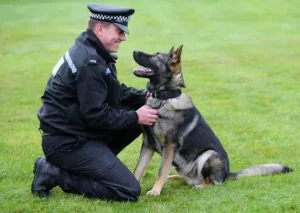
Most people picture patrol dogs barking, lunging or making bold moves when danger appears. In reality, the communication between a trained dog and its handler is far quieter. Sometimes it’s a shift in weight, a barely-there rumble deep in the chest, or a tiny flick of the eyes. These moments matter.
They form the backbone of dog communication emergency response signals shaped through discipline, instinct and trust. And once you’ve seen a patrol dog warn without making a sound, you understand how much information sits behind a single controlled breath.
Table of Contents
Understanding Dog Communication Emergency Situations
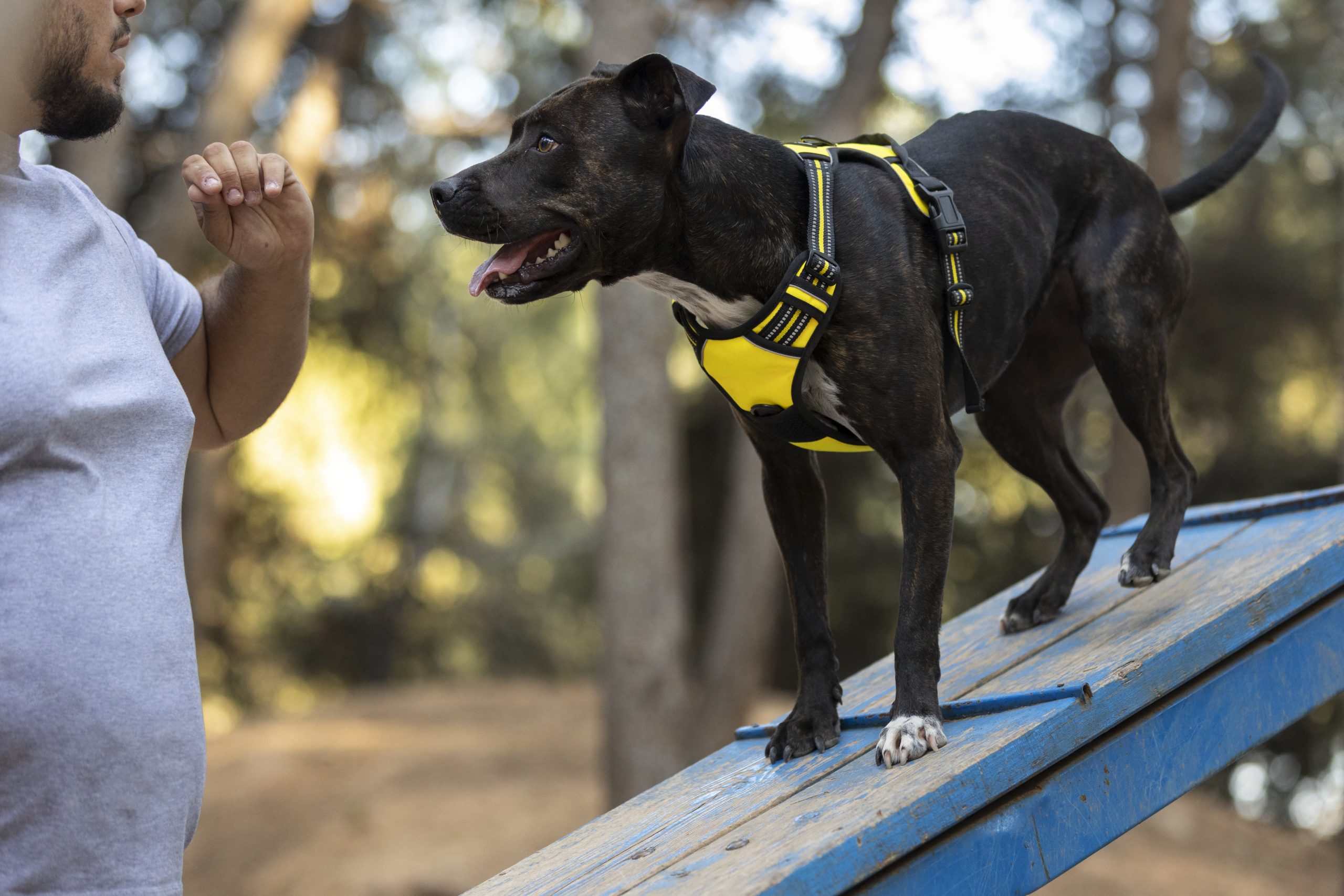
Working dogs operate in a world packed with scents, micro-sounds, and unseen cues. They pick up changes before a human registers a thing. Emergencies only sharpen this instinct, so handlers rely on a behavioural toolkit built from hours of exposure, repetition, and constant evaluation.
Why Discreet Alerts Matter in High-Risk Scenarios
Loud signals can blow a team’s cover. A bark at the wrong moment can tip off a suspect hiding behind a shutter or fence. A sudden lunge could cause an unpredictable reaction from a person who already feels cornered. That’s why discreet alerts matter. They let the handler prepare, adjust movement, or even halt entirely without giving away the dog’s detection point.
These hidden signals bring tactical advantage. They reduce noise, protect positioning, and give the handler more time to plan the next step. In tight industrial corridors, dark car parks, or cramped stairwells, seconds count. Quiet signals buy those seconds.
The Handler–K9 Communication Loop
A K9 security handler doesn’t learn a dog’s cues by reading a manual. They learn by watching, rewatching, and responding until the communication loop tightens. Every dog has a pattern, almost like a personal accent. One might stiffen its back before danger. Another might lean into the handler’s leg. Over time, handlers develop something close to intuition, but it’s built on observation more than magic.
In live deployments, this shared understanding becomes critical during a dog communication emergency, where a single missed cue or delayed response can change how quickly a situation stabilises.
Trust drives the loop. When a dog signals, the handler must act. When a handler responds, the dog reinforces the signal next time. Exposure training strengthens this bond, especially in unpredictable environments. Each drill creates a shared language that they refine with every deployment.
The Behavioural Cues Used by Patrol Dogs to Signal Hidden Threats
Danger rarely arrives with a dramatic soundtrack. It shows up quietly behind a door, under a stairwell, or in the way someone grips their jacket. Patrol dogs detect these shifts by instinct first, then communicate through trained control.
Changes in Body Tension and Posture
One of the earliest signs sits in the dog’s frame. The shoulders tense while the stance drops and the weight slides forward or sideways with slow, deliberate intent. These signals differ from standard alertness. Normal patrol mode has a flowing rhythm. Emergency mode interrupts it. The stop is short, almost clipped, like the dog is bracing for something its handler can’t see yet.
Controlled Vocalisations and Silent Signs
A trained patrol dog doesn’t bark unless instructed. Instead, you may hear a soft rumble that never escapes the throat. Sometimes there is no sound at all, just a stillness that feels loaded. Silence becomes a language of its own, especially when paired with other micro-cues. Dogs know when noise is a liability, so they suppress their natural urge to vocalise. That restraint is learned, not born.
Precision Eye Movements and Target Fixation
Dogs rarely stare without meaning. A quick flick of the eyes can point the handler toward a doorway or a shadowed shape, while a locked gaze means the dog has identified something specific. Pupils widen. Focus narrows. These are tiny details but powerful ones. Many handlers rely on eye changes more than any other cue during emergencies.
Scent-Driven Alerts During Emergencies
Sometimes the warning comes from scent alone. A sudden nostril flare, a sharp inhale, or a focused sniff in one direction tells the handler the dog has caught a significant smell. Maybe it’s sweat, fear, metal, blood, or something that doesn’t belong in the environment. The dog doesn’t need to move much. The message still gets through.
Training Methods That Shape Discreet Warning Behaviours
A dog’s natural instincts create the foundation, but training carves precision into them. Every cue patrol dogs give during emergencies comes from structured conditioning. According to the NPCC Police Dog Standard 2024, police dog teams must train under nationally agreed modules that shape controlled behaviour, ensuring dogs can give precise and reliable signals during real deployments.
Conditioning Dogs to Signal Without Drawing Attention
Trainers reward subtle cues. When a dog stiffens at a sound or scent, the handler reinforces the behaviour. Over time, larger reactions fade out. Overt warnings, barking, jumping, and pulling are replaced with quieter and more reliable communication. This takes patience. Dogs don’t unlearn loud behaviour overnight, but with consistency, they shift toward the signals handlers need most.
Scenario-Based Emergency Drills
Ambush simulations, hidden suspects, moving crowds, confined hallways, trainers use all of it. They recreate the chaos of real emergencies so the dog can rehearse its response. The dog learns how to control its own adrenaline, how to judge distance, and when to warn without alerting a hostile person. These drills teach balance: instinct drives detection; discipline shapes the signal.
Handler Response Training
A dog can give perfect cues, but if the handler misses them, the team fails. That’s why handlers practise reading signals in motion. They review footage, walk through drills, and learn how their dog behaves under shifting stress levels. Misreading a signal isn’t just inconvenient; it can escalate risk or break trust. Once trust cracks, communication suffers.
Real-World Situations Where Discreet Alerts Prevent Escalation
Theory matters, but real incidents show the value of quiet communication more clearly.
Example Scenario 1: Identifying a Silent Trespasser
Imagine a dim warehouse at night. The dog halts mid-step. No noise. No growl. Just a shift in weight and a long stare toward a dark corner behind stacked pallets. The handler doesn’t speak. Doesn’t move fast. This pause lets them reposition, call for backup, or take a different route before revealing their presence. The trespasser never knows that the dog sensed them first.
Example Scenario 2: Detecting Hidden Weapons or Aggression
Sometimes the threat stands in plain sight. A person may seem calm, but dogs pick up tension humans miss. In these moments, breathing patterns shift. The dog might lean in front of the handler or step behind them if something feels off. These movements guide the handler’s decisions. They create space or tighten it, depending on the threat. The entire exchange happens without a word.
Improving Handler Readiness for Emergency Dog Communication
Handlers never stop refining their interpretation skills.
Building Reflexive Interpretation Skills
Reading micro-cues under pressure takes repetition. Handlers practise until their responses become reflexive. When a dog stiffens, they don’t second-guess. They act. Hesitation can cost control in emergencies, so training sharpens speed and clarity.
Regular Behaviour Audits and Post-Incident Reviews
Teams review patterns after deployments. Body-cam footage, REMS tracking, and live notes all help handlers understand what they missed or interpreted correctly. These reviews deepen the communication bond. Every incident becomes another layer of shared knowledge.
Conclusion
Discreet warnings give patrol teams a quiet but powerful edge. Every shift in posture, every still moment, every flick of the eyes fits into a broader system of dog communication emergency signals. These cues carry weight because they come from instinct sharpened by training and held together by trust.
The strongest K9 teams don’t just work beside each other; they read one another, sometimes without even turning their heads. When that connection forms, emergencies become clearer, reactions faster, and the work far safer.
Frequently Asked Questions
1. How do patrol dogs learn to give discreet warnings during emergencies?
Through repetition, scenario drills, and reinforced cues that reward subtle behaviour over loud reactions.
2. Do all patrol dogs use the same warning signals?
No. Each dog forms its own communication style based on personality and training.
3. How quickly can handlers react to subtle dog signals?
Experienced handlers react almost instantly because they learn the dog’s behavioural patterns in detail.
4. Can discreet alerts replace standard commands or equipment warnings?
They don’t replace them; they offer early detection in moments where overt signals would compromise safety.
5. What is the first sign handlers typically notice in an emergency?
Often, a shift in body tension or a sudden change in the dog’s focus is a small cues that speak volumes.