Call Us: (44) 77765-43210

Email Us: info@dogsecurityservices.co.uk

Why Dogs React Faster to Human Emotional Changes Than Any Security Tool
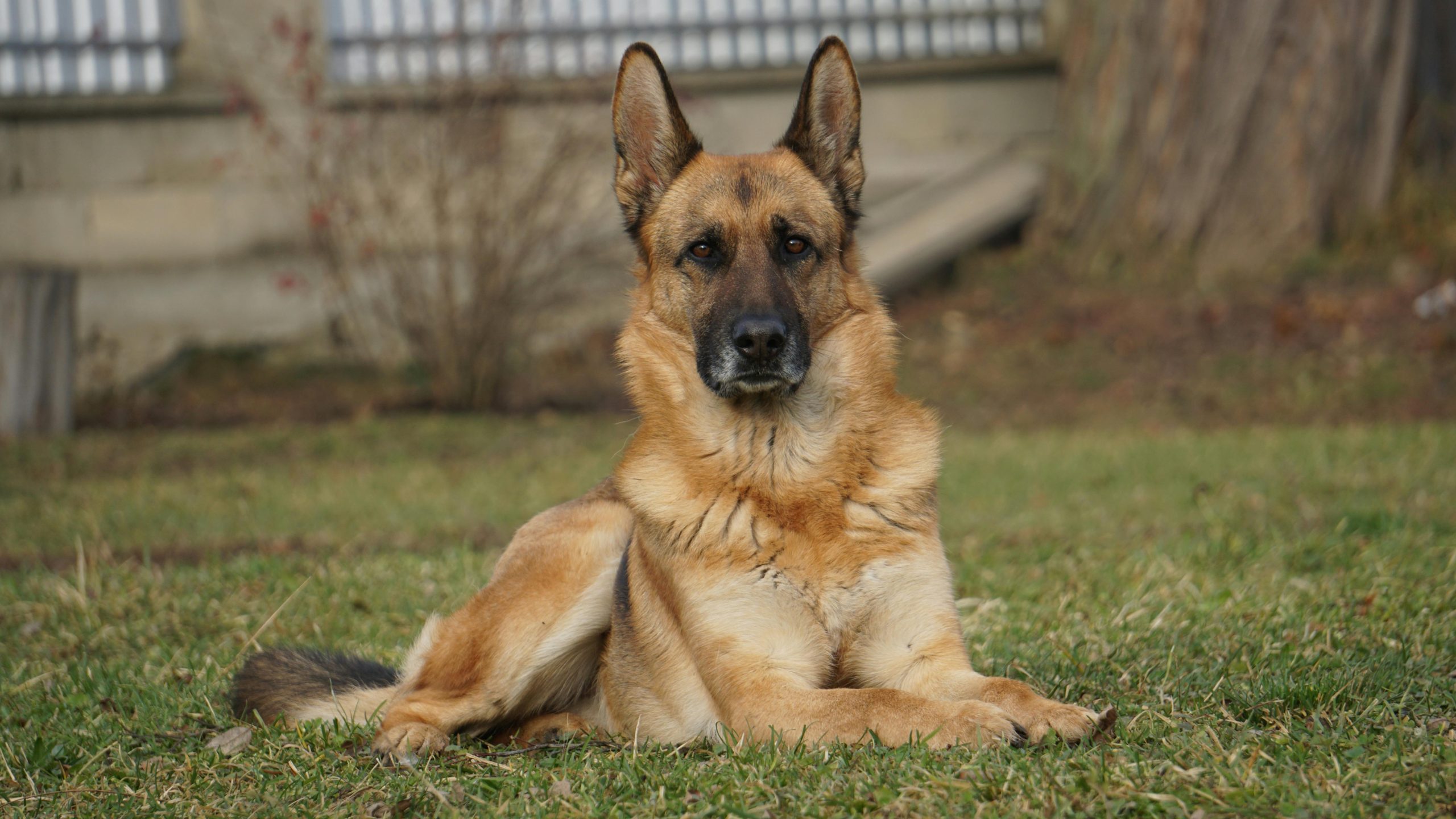
People call a dog’s instincts magic, but anyone who’s handled a trained K9 knows it comes from calm focus and long practice. Dogs read mood shifts the way we notice a passing scent, swift and quiet. A glance, a tiny posture change, one fast breath, and they already understand. It all lands in their awareness before our own minds wake up to the moment.  That’s why dog emotional change detection isn’t just an interesting trait. It’s a real, functioning advantage in security work. And despite all the clever tech we build, dogs still stand on a different level when it comes to reading what a human might do next. Understanding Natural Instincts Behind Dog Emotional Change Detection The Evolutionary Basis of Canine Emotional Awareness Dogs didn’t become emotional interpreters by accident. They grew into that role across generations, side by side with us. Long before patrol dogs wore vests or badges, their ancestors watched us around fires, during hunts, during moments of fear we no longer remember. Some animals learned to pick up those subtle shifts who was safe, who wasn’t, and what humans were likely to do in the next breath. That ability never faded. If anything, it sharpened. When you watch a dog pause, stare at someone, and adjust its stance ever so slightly, you’re seeing a living piece of history. Their brains are wired for fast recognition of emotional cues. While humans often hesitate, weighing thoughts and doubts, dogs skip that stage completely. They feel the change in the air and act. Sensory Inputs That Outperform Technology Dogs read the details most of us miss. A slight pinch at the corners of the mouth and shoulders lifting higher than normal often reveals stress before words do. Sweat chemistry also shifts quickly as cortisol rises. The body leaks entire stories without saying a word, and dogs hear those stories loud and clear. Dogs read tiny changes in muscle tension, scent, and expression that humans often overlook. Research also shows they can recognise emotional signals from both humans and other dogs, confirming how finely tuned their perception really is NIH/PMC Study. These layers of sensory awareness form the backbone of effective dog emotional change detection during security operations. Now compare that with modern sensors. Cameras track movement but not motive. Heat scanners notice sudden bursts of motion but miss quiet tension. Biometric systems try to guess intent from patterns, but depend on the moment being loud enough to register. Dogs don’t need measurable thresholds. They don’t wait for an algorithm to approve their suspicion. They simply recognise the emotional pulse of a human being and respond faster than any device could crunch the data. Why Dogs React Faster Than Security Technology Real-Time Decision Making Without Processing Lag Machines pause. Even the best ones. Data enters, gets analysed, hits a rule, and then triggers an alert. That pause, sometimes tiny, sometimes maddening, exists because systems live on logic. Dogs don’t. Their reactions move like lightning through instinctive pathways. If a person’s mood shifts, the dog feels it and adjusts. No internal debate and protocol checklist. They jump from perception to response in a blink. This is the sort of speed you cannot mimic with circuits or code. Reading Human Stress, Fear, or Aggression Before It Escalates Stress has a scent. Fear has a posture. Anger has a rhythm that settles under the skin long before a face changes. Dogs catch these things at the first flicker. Someone may appear calm to every person in the room, yet a dog will tilt its head, track the individual, and settle into a quiet readiness. That tiny moment often shows the difference between an incident prevented and an incident recorded after it’s too late. Tools don’t know how to look beneath the surface. Dogs live there. Adaptability in Dynamic and Unpredictable Environments Walk a dog through a loud event, music shaking the walls, people packed shoulder to shoulder, and their senses don’t falter. They adapt on the fly. One moment, they’re following a scent; the next, scanning movement; the next, feeling the emotional temperature of a group. Security devices tend to drop accuracy the moment the world gets messy. Even when light breaks, sound clashes, visibility drops, and people move unpredictably, dogs keep performing. They have no ideal conditions because their skills aren’t conditional. How Security Dogs Translate Emotional Changes Into Action Early Alerting and Non-Verbal Signalling Dogs rarely bark first. They whisper with their bodies. A handler learns to read those whispers: the stiffened back, the way a tail freezes mid-swing, the shift in weight as the dog leans toward a threat only it has noticed. One small gesture from the dog can redirect an entire security decision. A handler might reposition, close a gap, or observe a person more closely, all based on a change so subtle that most bystanders never notice it. The partnership works because both are tuned into each other’s signals, often exchanging information without a single spoken word. Protective Behaviour Triggered by Human Emotion Detection When emotion spikes in a crowd, fear, agitation, or aggression, a dog reacts almost like a wave catching the shore. The shift hits them, and they rise to meet it. You’ll see their posture sharpen, eyes lock. They step between the K9 security handler and the source of tension, not dramatically, just with that quiet authority dogs have carried since ancient times. They often act before there’s any visible threat. It might be a person whose heart is racing from panic. Or someone masking anger that hasn’t yet surfaced. Dogs catch the early spark before it becomes flame. That’s why K9s prevent trouble more often than they stop it mid-stream. Where Security Tools Still Fall Short and Dogs Excel Tools Depend on Data, Not Intuition Tools look outward. Dogs look inward and outward at once. Sensors detect actions, but not intentions. Algorithms forecast possibilities but can’t touch the emotional reality behind them. Dogs don’t separate the emotional from the physical. They … Read more
How Patrol Dogs Communicate Discreet Warnings to Handlers During Emergencies

dog communication emergency

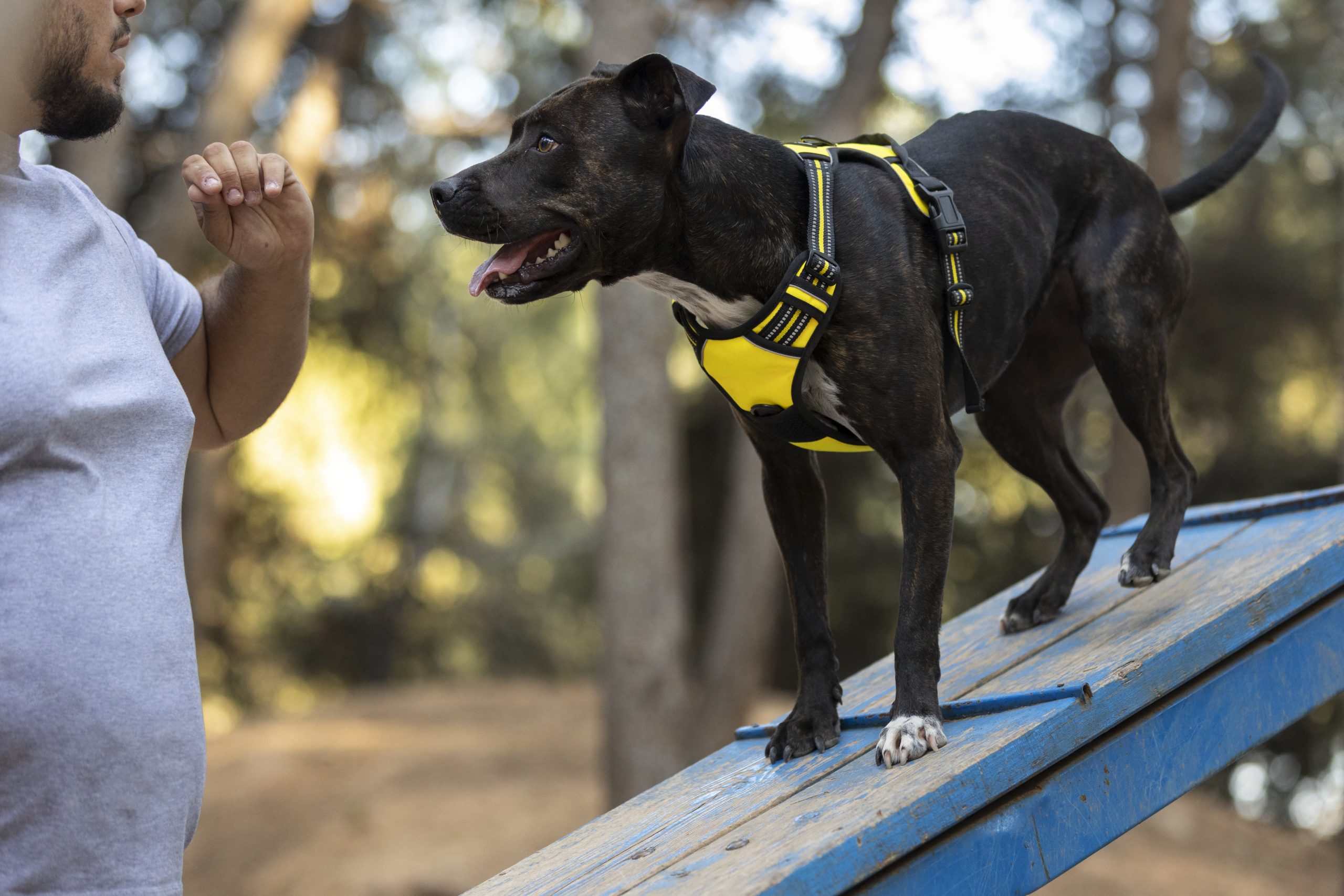
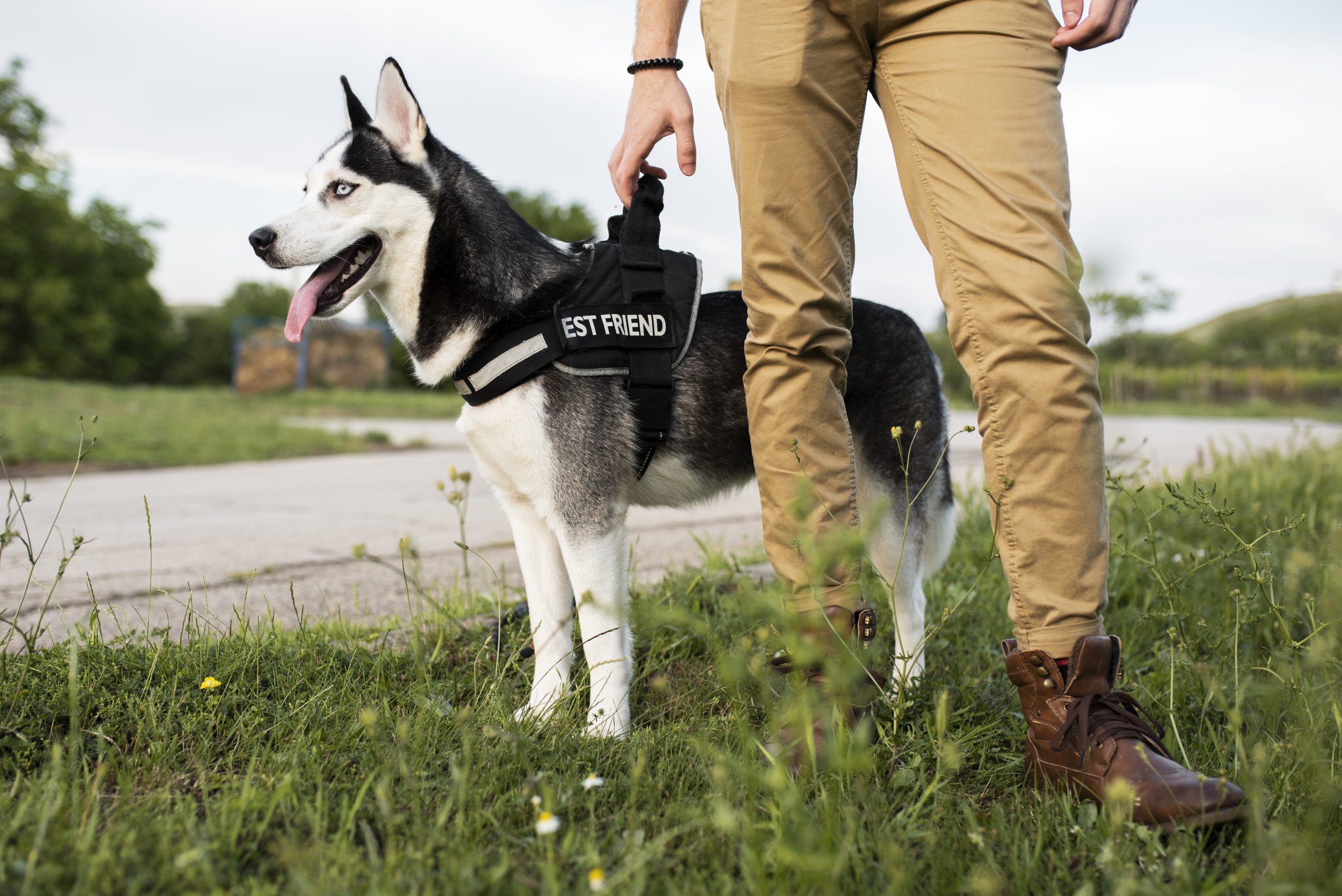
Most people picture patrol dogs barking, lunging or making bold moves when danger appears. In reality, the communication between a trained dog and its handler is far quieter. Sometimes it’s a shift in weight, a barely-there rumble deep in the chest, or a tiny flick of the eyes. These moments matter.  They form the backbone of dog communication emergency response signals shaped through discipline, instinct and trust. And once you’ve seen a patrol dog warn without making a sound, you understand how much information sits behind a single controlled breath. Understanding Dog Communication Emergency Situations Working dogs operate in a world packed with scents, micro-sounds, and unseen cues. They pick up changes before a human registers a thing. Emergencies only sharpen this instinct, so handlers rely on a behavioural toolkit built from hours of exposure, repetition, and constant evaluation. Why Discreet Alerts Matter in High-Risk Scenarios Loud signals can blow a team’s cover. A bark at the wrong moment can tip off a suspect hiding behind a shutter or fence. A sudden lunge could cause an unpredictable reaction from a person who already feels cornered. That’s why discreet alerts matter. They let the handler prepare, adjust movement, or even halt entirely without giving away the dog’s detection point. These hidden signals bring tactical advantage. They reduce noise, protect positioning, and give the handler more time to plan the next step. In tight industrial corridors, dark car parks, or cramped stairwells, seconds count. Quiet signals buy those seconds. The Handler–K9 Communication Loop A K9 security handler doesn’t learn a dog’s cues by reading a manual. They learn by watching, rewatching, and responding until the communication loop tightens. Every dog has a pattern, almost like a personal accent. One might stiffen its back before danger. Another might lean into the handler’s leg. Over time, handlers develop something close to intuition, but it’s built on observation more than magic. In live deployments, this shared understanding becomes critical during a dog communication emergency, where a single missed cue or delayed response can change how quickly a situation stabilises. Trust drives the loop. When a dog signals, the handler must act. When a handler responds, the dog reinforces the signal next time. Exposure training strengthens this bond, especially in unpredictable environments. Each drill creates a shared language that they refine with every deployment. The Behavioural Cues Used by Patrol Dogs to Signal Hidden Threats Danger rarely arrives with a dramatic soundtrack. It shows up quietly behind a door, under a stairwell, or in the way someone grips their jacket. Patrol dogs detect these shifts by instinct first, then communicate through trained control. Changes in Body Tension and Posture One of the earliest signs sits in the dog’s frame. The shoulders tense while the stance drops and the weight slides forward or sideways with slow, deliberate intent. These signals differ from standard alertness. Normal patrol mode has a flowing rhythm. Emergency mode interrupts it. The stop is short, almost clipped, like the dog is bracing for something its handler can’t see yet. Controlled Vocalisations and Silent Signs A trained patrol dog doesn’t bark unless instructed. Instead, you may hear a soft rumble that never escapes the throat. Sometimes there is no sound at all, just a stillness that feels loaded. Silence becomes a language of its own, especially when paired with other micro-cues. Dogs know when noise is a liability, so they suppress their natural urge to vocalise. That restraint is learned, not born. Precision Eye Movements and Target Fixation Dogs rarely stare without meaning. A quick flick of the eyes can point the handler toward a doorway or a shadowed shape, while a locked gaze means the dog has identified something specific. Pupils widen. Focus narrows. These are tiny details but powerful ones. Many handlers rely on eye changes more than any other cue during emergencies. Scent-Driven Alerts During Emergencies Sometimes the warning comes from scent alone. A sudden nostril flare, a sharp inhale, or a focused sniff in one direction tells the handler the dog has caught a significant smell. Maybe it’s sweat, fear, metal, blood, or something that doesn’t belong in the environment. The dog doesn’t need to move much. The message still gets through. Training Methods That Shape Discreet Warning Behaviours A dog’s natural instincts create the foundation, but training carves precision into them. Every cue patrol dogs give during emergencies comes from structured conditioning. According to the NPCC Police Dog Standard 2024, police dog teams must train under nationally agreed modules that shape controlled behaviour, ensuring dogs can give precise and reliable signals during real deployments. Conditioning Dogs to Signal Without Drawing Attention Trainers reward subtle cues. When a dog stiffens at a sound or scent, the handler reinforces the behaviour. Over time, larger reactions fade out. Overt warnings, barking, jumping, and pulling are replaced with quieter and more reliable communication. This takes patience. Dogs don’t unlearn loud behaviour overnight, but with consistency, they shift toward the signals handlers need most. Scenario-Based Emergency Drills Ambush simulations, hidden suspects, moving crowds, confined hallways, trainers use all of it. They recreate the chaos of real emergencies so the dog can rehearse its response. The dog learns how to control its own adrenaline, how to judge distance, and when to warn without alerting a hostile person. These drills teach balance: instinct drives detection; discipline shapes the signal. Handler Response Training A dog can give perfect cues, but if the handler misses them, the team fails. That’s why handlers practise reading signals in motion. They review footage, walk through drills, and learn how their dog behaves under shifting stress levels. Misreading a signal isn’t just inconvenient; it can escalate risk or break trust. Once trust cracks, communication suffers. Real-World Situations Where Discreet Alerts Prevent Escalation Theory matters, but real incidents show the value of quiet communication more clearly. Example Scenario 1: Identifying a Silent Trespasser Imagine a dim warehouse at night. The dog halts mid-step. No noise. No growl. Just a shift in weight … Read more

The Powerful Role of Instinctive Protection Behaviour in Modern K9 Security

Instinct sits at the heart of every reliable security dog. You can polish it, steady it, guide it along, yet the core of that instinct comes from somewhere older. A trained response waits for its cue. Instinct does not. That difference shapes how a team uses an instinctive protection dog today. These dogs sense tension long before anyone else notices it.  A tiny shift in mood, a breath held too long, or a change in the air tells them more than equipment ever could. In this article, we take a closer look at how instinctive behaviour works, why it evolved the way it did, and how it shapes the modern world of K9 security. Understanding Instinctive Protection Behaviour in Security Dogs How Evolution Shapes a K9’s Protective Nature Long before leads, radios, uniforms, or training fields, dogs relied on their instincts to survive. Working breeds, especially the shepherd lines and malinois lines, didn’t gain their edge overnight. Generations of selective breeding built traits that still live in them today: awareness of territory, quick reactions, the urge to guard those they consider part of their group, and a sharp curiosity about anything that feels out of place. These instincts are not installed through drills and are inherited. A dog pausing at the entrance of a warehouse, sampling a faint scent, or tilting its head toward a sound beneath the noise of a busy yard is responding to something older than modern security work. Evolution built that awareness, and security handlers simply learn how to work with it. The Difference Between Instinct and Conditioned Response Commands give structure. They help shape the dog’s reactions and allow handlers to direct energy with care. But instinct moves differently. A conditioned response needs a cue. Instinct fires on its own. The dog notices a tremor in someone’s hand, a slight change in breathing, or a tone that doesn’t match the situation. It reacts before those signs become clear to the handler. This speed matters. Intruders often test a site without announcing themselves. They watch, wait, measure patterns. Instinct catches those small tells. Handlers don’t try to shut that behaviour down; they guide it so the dog stays sharp yet controlled, turning natural behaviour into an asset that works in real time. Why Modern Security Units Depend on Instinctive Protection Real-Time Threat Detection Without Cueing Nothing stays constant in a live security setting. While people get distracted by noise and movement, a dog maps every change. Small signs, such as someone’s shoulders tightening, footsteps placed too softly, or a strange hesitation, can trigger an internal alert in the dog. These micro-details matter. They build a picture faster than a handler can process on their own. Instinct fills that gap. Natural Deterrence That Reduces Risk Before Conflict There is a different kind of power in a dog that stands calm but aware. No barking and lunging, just steady focus. For people scouting a site, that is often enough. They realise the dog is not waiting for instructions. It is already reading them. Industrial estates, yards with blind corners, or sites with heavy movement all benefit from this silent deterrent. A dog’s posture alone changes the risk for anyone considering a breach. In professional dog security services, this quiet awareness is valued precisely because it alters behaviour without confrontation, reducing the likelihood that a situation ever needs to be challenged directly. Enhancing Handler Decision-Making Handlers describe their dogs as partners, not tools. When a dog freezes for a moment or turns toward something the handler hasn’t noticed, it creates a window, sometimes only a second or two to respond correctly. Through scenting, hearing, and constant scanning, the dog builds information the handler cannot gather alone. This early warning system helps the handler shift position, call for help, or adjust the patrol route. Instinct does the early lifting. Training helps convert that early lift into clear action. Working With an Instinctive Protection Dog in Active Security Roles Instinctive Behaviour in Patrol, Search, and Perimeter Work A skilled, instinctive protection dog does not wander during patrols. It tracks patterns as it moves. It notices fresh scent trails, changes in air pressure, new disturbances in soil or gravel, and echoes that feel slightly off. Handlers learn to read the smallest cues: Perimeter breaches often start quietly. A fence tapped. A shadow where there shouldn’t be one. Instinctive dogs catch the early signs before the situation grows into a threat. Balancing Natural Drive With Professional Control Instinct is powerful, but raw instinct alone can cause confusion or overreaction. That is why handlers work to shape, not stifle, natural drive. Redirection guides the dog when interest shifts too quickly. Reinforcement builds confidence and calm. Controlled engagement ensures clear, precise reactions rather than scattered bursts of energy. Modern K9 teams look for dogs that can think in tense moments, not dogs that react without judgment. Training sets boundaries so instinct can function smoothly inside real security environments. The Future of K9 Security: Instinct as a Tactical Advantage Why Instinct Will Remain Central Despite New Technology Technology grows sharper every year. Thermal cameras, sensors with wide coverage, and AI systems that map movement patterns are all impressive and useful. But none of them read intent. They read motion. A dog, however, senses something deeper. Fear and aggression hide in plain sight for machines, yet dogs follow the motive threaded through them. This is why instinct will always hold a place in security work, even as equipment becomes more advanced. The continued value of instinctive response aligns with behavioural research supported by the Defence Science and Technology Laboratory, which examines how biological perception often detects risk before technological systems can interpret intent. Training Approaches That Strengthen Natural Behaviours Today’s training methods aim to sharpen instinct without overwhelming it. Scenario-based sessions replicate real sites, busy loading docks, dim corridors, and open fields. Dogs learn to stay level-headed even when conditions change fast. Calm-drive work is common. Instead of encouraging explosive reactions, trainers focus on teaching dogs … Read more

Why Security Dogs Rarely Make Mistakes in Identifying Genuine Threat Behaviour

People often assume that security dogs work on instinct alone, as if they simply “sense” something strange and act on it. The truth is more layered, more scientific, and far more reliable than most expect. When you look closely at the way dogs read human movement, scent, tone and intent, you start to understand why dog threat accuracy behaviour remains one of the most trusted filters in high-risk environments. Dogs catch the things we miss, not by magic, but by an unbroken chain of sensory processing and conditioned skill. And here’s the part many overlook: dogs are not easily fooled. Not by rehearsed confidence. Not by the calm mask someone puts on before doing something harmful. Their detection process runs deeper. Understanding How Security Dogs Interpret Human Behaviour The Difference Between Surface Signals and Underlying Intent A person may look relaxed, hands loose, face neutral, yet their body betrays them in tiny ways. A security dog notices the tension that sits just under the skin. The stiffening of the shoulders when someone spots a patrol. A breath that cuts sharper than the one before. These aren’t dramatic tells; they’re micro-behaviours that most people forget they’re even producing. Dogs don’t rely on the obvious. They read patterns in motion, weight distribution in steps, and subtle changes in the way someone approaches or avoids a space. To them, intent is louder than behaviour. In crowded, unpredictable environments, this makes more sense than judging appearances. Someone acting “confident” might be hiding something. Someone looking anxious might simply be late for work. Dogs separate the two with surprising precision. Why Instinct and Training Work Together (Not Separately) A working dog isn’t guided by instinct alone. Instinct gives the raw sensitivity an awareness of movement, threat, and pressure that humans can’t match. Training, however, shapes that sensitivity into something measurable. Handlers run dogs through scenario after scenario: polite but tense visitors, calm individuals hiding aggression, hurried staff, clumsy tourists, masked intents. Over time, dogs learn not just to detect, but to weigh what they detect. Repetition lowers false positives. Conditioned neutrality stops them from reacting to noise, confusion or harmless agitation. It’s the marriage of instinct and method that keeps their judgment sharp. The Science Behind Canine Threat Detection Sensory Hierarchy: What Dogs Notice Before Humans Do A dog’s nose reads chemical changes the way a scanner reads barcodes. When adrenaline surges through a person, whether from fear, rage or forced courage, it leaves a trace. Dogs pick it up even when the person looks composed. Then there’s sound. Not the loud kind, but the soft ones beneath our hearing range: the shift of weight, the tension in a footstep, the change in breath when someone is about to do something reckless. Dogs don’t rely on one sense, but they triangulate. Scent, sound and motion build a picture, a sort of behavioural map that tells them where the anomaly sits in the crowd.  These layered sensory detections all contribute to dog threat accuracy behaviour, allowing dogs to flag anomalies before humans can register the shift. Emotional Consistency and How Dogs Read It Every environment has a rhythm. People move at certain speeds, with certain emotional tones. Dogs track this baseline almost subconsciously. When someone falls out of that rhythm, too stiff, too loose, too calculated, the dog flags it. Humans often judge body language in isolated moments. Dogs judge it as a flow. If the emotional current slips off-beat, they notice. A security dog doesn’t need the whole story; the inconsistency alone is enough to raise its focus. Dog Threat Accuracy Behaviour Pattern Recognition Built Through Repetitive Scenario Exposure Working dogs train in controlled chaos: weapon concealment trials, rapid-movement drills, staged hostility, misleading friendliness. The environment shifts; the dog adapts. Their brains store thousands of behavioural snapshots. Over time, those snapshots become instinctive comparisons. The dog sees something and matches it to the closest pattern. If the pattern resembles a threat, the dog alerts. This is not guesswork; it’s neurological efficiency built through repetition. How Dogs Filter Out Non-Threatening Behaviours A well-trained dog doesn’t jump at every sudden movement. They recognise staff routines, delivery schedules, and the sound of regular footsteps. They learn the cadence of a workplace. They can tell when someone is nervous because they’re shy versus nervous because they’re hiding intent. One smells different, one moves differently, while one tries too hard to seem like they belong. Neutrality training ensures they stay calm around crowds, excited children, medical distress incidents and loud environments. They know the difference between disorder and danger. Why Security Dogs Rarely Misjudge Genuine Threats Identifying Behaviour That Cannot Be Easily Faked You can fake a smile and your confidence. What you can’t fake is the micro-tremor in your hands when adrenaline surges. Or the faint shift in scent when stress hits. Dogs follow those cues more than any facial expression. They also read sequences, not snapshots, if a person’s movements don’t line up: calm face, tense stride, heavy breathing, the dog clocks the mismatch. Their Ability to Assess Context Instead of Isolated Actions A person walking fast isn’t automatically a threat. A person walking fast toward an exit while shielding something under their jacket might be. Dogs pick up the entire cluster: direction, pace, object handling, posture, and gaze. The decision to alert comes only when these indicators stack. Training ensures they don’t react early; they react when the pattern forms. Field Examples of High Accuracy Without Mistakes Consistent Performance Under Pressure Handlers often recount moments when the dog reacted before anyone understood why. Sometimes the warning comes as a stillness, a shift in posture, a fixed stare, a quiet step forward. Nothing dramatic, but unmistakable to the handler. These alerts often reveal concealed items, suspicious behaviour or someone approaching with intent they hoped to hide. The dog’s calm precision lets the handler act before the situation escalates. This level of consistency is why professional dog security services are trusted in environments where hesitation carries consequences, and … Read more

How Dogs Instinctively Sense Dangerous Energy and Aggressive Intent in People

dogs sense aggressive intent

People talk about intuition as if it’s a rare gift. Dogs live inside it. Their world is shaped by tiny cues we shrug off, and that difference lets them see trouble before it shows its face.  Dogs sense aggressive intent by sensing the tremors hidden under a calm surface. They catch the shift in tone, the tightened breath and the stance that looks safe until the moment it changes. These clues gather in a flash. Dogs read them faster than we decide what to think. Nothing mystical. Just instinct, sharpened by time, shaped by experience, and alive in every step they take beside us. Understanding the Foundations of Canine Instinct Evolutionary Roots Behind Their Protective Behaviour Long before fenced homes or polished floors, early dogs watched the shadows around human fires. Survival depended on seeing danger in half-formed movements, in the tension of someone stepping closer with the wrong intent.  Those ancient choices of who to trust and who to challenge still sit deep in modern dogs. Even in quiet rooms or busy pavements, their eyes flick to the slightest shift. They judge posture the way we judge words, and the instinct is older than language. Sensory Systems Built for Detection Humans navigate with sight first and everything else later. Dogs don’t work that way. They absorb the world through layers: scent drifting ahead of footsteps, sound settling before movement, a visual flicker confirming what the nose already knew.  Their senses overlap, almost stacking on top of one another. That cross-checking creates a sharp picture of intent long before we notice anything at all. They aren’t guessing. They’re analysing. The Science Behind How Dogs Sense Aggressive Intent Reading Micro-Signals in Human Body Language A person trying not to look threatening often reveals more than someone who isn’t thinking about it at all. Dogs spot that disconnect fast. Tense shoulders, uneven pacing, and a quick inhale before speaking each tell a story.  Even the stillness people slip into when trying to control anger rings strange to a dog. They see the stiffness that doesn’t fit the moment. They hear the footfall that lands just a little too heavy for comfort. Their sense of wrongness isn’t dramatic. It’s precise, and this is one way dogs sense aggressive intent without needing a single spoken word. Detecting Stress Chemistry and Emotional State Emotions leak into the air. Adrenaline and cortisol carry a scent that shifts when someone’s fear turns sharp or their anger spikes. Research has shown that dogs can distinguish human stress through changes in breath and body odour, even when no visible behaviour has changed. Dogs register those changes almost instantly. They build associations: this smell paired with raised voices, that smell paired with tense arguments. Over time, those patterns settle into memory. A dog may not understand the science behind a hormone, but it knows what the body feels like when something isn’t right. Pattern Recognition Through Experience Even untrained dogs learn by watching. Repetition writes clues into their minds: the hurried tone someone uses before acting out, the strange pause before a confrontation, a step that breaks rhythm.  Trained dogs refine it further. They catalogue behaviour the way a seasoned guard reads a room. Their response grows sharper, quicker, and surprisingly intuitive, as if they’ve seen the moment unfold long before it arrives. Intuitive Responses When Dogs Sense Dangerous Energy The Shift From Observation to Guard Mode The transition is subtle. A dog that was relaxed suddenly angles its body, lowers its weight, or narrows its focus. The tail may stiffen, the ears sharpen, the breath slow to a steady beat. That shift isn’t random; it’s a calculation. The dog is mapping the threat, tracking its movement, measuring the space between action and reaction. When Dogs Choose Intervention A warning often comes first, a low vibration in the throat, a bark used like a line drawn across a floor. Engagement only appears when instinct and training say there’s no room left for hesitation. Well-trained dogs don’t jump toward chaos; they move with purpose. Instinct gives them the signal. Training gives them control. Factors That Influence Threat Detection Accuracy Breed Differences and Temperament Certain breeds carry instincts like a second heartbeat. Working-line dogs, built for decision-making and pressure, handle threat detection with a steadiness that companion breeds rarely display. Temperament matters as much as lineage. A confident dog evaluates. A nervous dog reacts too fast. The right mix of drive and nerve strength makes threat detection reliable. Training That Sharpens Their Natural Instincts Training chisels away confusion. Through controlled exposure, obedience practice, and environmental challenges, dogs learn when to hold still and when to act. They stop responding to meaningless noise. They pay attention to patterns that matter. The result is a level of accuracy rooted in clarity, not guesswork. Handler Influence and Bonding A dog tuned to its handler works almost like a mirror. Calm handler, calm dog. Tense handler, heightened alertness. Trust strengthens that connection. Over time, the dog reads not only the environment but the emotional pulse of the person beside it. That link sets the tone for every decision it makes. Misinterpretations: When Dogs React to Non-Threatening Signals Understanding Over-Arousal or Misread Cues Not all reactions point toward danger. Sometimes the world throws a lot at once: a hand waving too fast, a loud laugh in a quiet space, a gust catching someone’s coat just wrong. Dogs trace meaning through these moments but may misread them if nerves and instinct fire together. Context becomes the compass, anchoring instinct in reality. How Training Reduces Incorrect Threat Reads Well-managed exposure teaches dogs to separate noise from intent. Crowds, machinery, unpredictable movement, these become familiar. They learn that not every quick step signals hostility. Handlers guide them, reinforcing patience, sharpening focus. With repetition, misreads fade, replaced by confident judgment. Why Security Teams Rely on This Instinct Early Detection That Technology Cannot Replicate Cameras see what is there. Dogs sense what’s coming. Before aggression becomes visible, it reshapes posture, breath, … Read more

The Hidden Ways Security Dogs Predict Threats Before They Actually Happen

dogs predict threats behaviour

Security environments shift fast. One moment, the space feels calm. The next, tension ripples through it without warning. People often react when a cue becomes obvious, such as raised voices, suspicious movement, or an object left where it shouldn’t be.  But trained security dogs operate on a different timeline. They recognise the earliest signals long before anything breaks the surface. Their senses lock onto micro-behaviours, faint chemical cues, and unusual shifts in the rhythm of a place. This is where dogs predict threats behaviour in ways most people never notice. And once you’ve seen a dog catch something early, it’s hard to forget. The Science Behind Early Threat Detection Sensory Processing That Outpaces Human Awareness A dog’s nose doesn’t just smell; it maps. Every scent carries layers of origin, direction, time decay, and emotional charge. A dog’s nose doesn’t just smell; it maps a three-dimensional chemical landscape with precision no human system can match. Research on canine olfaction shows how dogs detect faint chemical traces and interpret them to build a picture of their environment long before humans notice changes.  Where we register a vague hint of cologne or sweat, a dog reads a story in the air. That olfactory mapping gives them a timeline: who moved through, how fast, and in what state of mind. When someone carries stress, adrenaline, or intent, their body leaks molecules they don’t even realise they’re releasing. A dog catches those shifts instantly, and this ability shapes how dogs predict threats behaviour before humans notice anything unusual.  And then there’s sound. Humans hear a narrow slice of the frequency spectrum. Dogs hear more, and they hear deeper. A faint scrape, a clipped footstep, a pattern of speech under someone’s breath, these small signals fold into a picture that tells a dog a situation is “off.” Even distance feels different to them. Where humans lose clarity, dogs gain information. That’s why their heads lift before anyone else reacts. Pattern Recognition Shaped by Training Training sharpens instinct. Over time, dogs learn the difference between natural crowd movement and something that interrupts the flow. A strange gait, a hesitation, and eyes that are darting too often. However, hands that stay hidden in pockets a beat too long. These aren’t dramatic actions, yet they build an anomaly that catches a dog’s attention. Repetition reinforces this awareness. Every shift, every patrol, every scenario adds another layer to the dog’s internal archive. When a behaviour or scent doesn’t match the “normal” pattern, the dog knows. They don’t second-guess it. They act. Dogs Predict Threats Behaviour Micro-behaviours Dogs Notice Instantly People reveal intent in small ways. Their breathing shifts when they’re anxious. Their posture tightens when they’re hiding something. Their body angle changes when they’re preparing to move or preparing to run. Most humans never see these details, but dogs do. In security work, transitional behaviours matter most. Small motions before the large ones. Someone adjusting their coat, placing weight on the balls of their feet, glancing at a doorway too often. These micro-signals pile up into a map of what might happen next. And dogs predict threats behaviour with near-perfect accuracy by reading those tiny transitions. Environmental Scanning and Energy Reading Dogs also monitor the environment itself, not just the people inside it. They sense gaps in noise, a break in normal chatter or movement. They feel crowd disruption. They notice when an object sits at an odd angle or carries a fresh scent. Even something as minor as a door that “feels wrong” to them can spark an alert. These early indicators show up in the dog’s own posture: a sudden stillness, ears angling toward a point of interest, a slow lean in one direction. Handlers learn to recognise this shift. Dogs don’t overreact. They simply observe first. But that observation is the warning. Hidden Indicators Security Dogs Use to Sense Imminent Trouble The Emotional Undercurrent Dogs Detect Emotions leak. Even when someone tries to hide agitation or hostile intent, their body chemistry betrays them. Stress pushes out molecules that travel through the air. Dogs catch them before a person even shows physical signs. They can separate routine nervousness, a shopper fumbling for keys, from targeted intent, someone scouting for opportunity or planning to act. This emotional undercurrent appears long before the behaviour becomes visible. That’s why some dogs move closer to a person seconds before they start acting strangely. They felt the shift first. Object and Territory Monitoring Security dogs treat space like a living map. When something changes, even a little, they know. A tampered lock gives off a different scent. Disturbed soil tells a fresh story. A moved object carries fingerprints of time and origin. Dogs also read tools, bags, and vehicles. If something inside them emits heat, chemistry, or scents inconsistent with the environment, the dog notices. This ability sits at the core of early threat prediction. The dog doesn’t need to see the item; it only needs to sense that it shouldn’t be there. Real-World Scenarios Where Prediction Makes the Difference Pre-Conflict Interception Examples Ask any experienced handler, and they’ll recall moments where the dog reacted before the problem appeared. A dog reduces its pace in the corridor, cutting off the path. Fixing a quiet, unblinking stare on someone who hasn’t made a single suspicious move yet. Sometimes the dog senses the start of a break-in from a shift in the scent trail outside a building. Sometimes they detect movement patterns that feel out of place: a steady loop, a pause, a slow track toward an entry point. In professional dog security services, these early signals allow handlers to intervene before a situation escalates, often changing the outcome before anyone else realises there was a risk. These moments often sound small on paper. In the real world, they change the entire incident timeline. Why Handlers Trust the First Signal The bond between dog and handler becomes a language. Not spoken, but understood through rhythm and physical cues. Handlers learn the difference between curiosity … Read more

How Guard Dogs Use Emotional Intelligence to Make Accurate Security Decisions

dog emotional intelligence security

In modern dog emotional intelligence security, a guard dog’s real advantage isn’t strength. It’s the ability to read emotion with the accuracy of someone who has lived around people their entire life. A trained K9 doesn’t wait for chaos; they sense the emotional currents that lead to it. Intent reveals itself long before movement does, and dogs are experts at spotting those early signs. Their decisions come from that insight, not force. Understanding Dog Emotional Intelligence Security Emotional intelligence in dogs is not an abstract theory; it’s a working skill. A guard dog notices the emotional environment the second it steps into a space. You can smell tension before anyone speaks. Fear stiffens posture, anger shifts the breath, and strange indifference reveals more than it hides. What makes a dog’s emotional intelligence security powerful is the dog’s ability to sort these signals. A busy loading bay might hum with stress, but a dog knows the difference between overworked staff and someone hiding intent. Instinct alone can’t do this. Emotional intelligence fills the gaps and shapes a more accurate threat picture. In unpredictable environments, crowded events, construction sites, and distribution hubs, dogs use emotional filtering to avoid reacting to harmless behaviour. They save their focus for genuine risk. This ability protects not only property, but also people who simply move through the space. The Science Behind Canine Emotional Intelligence Sensory Processing and Cognitive Filters Dogs absorb more emotional data in two seconds than most people pick up in a minute. A shift in scent, a stiff shoulder, a sideways glance, all small signals stacking into a pattern. A person trying to blend in may act relaxed, yet their heartbeat, breathing, and micro-movements betray them. Dogs catch those inconsistencies because their senses run in layers: smell, sight, tone, rhythm. Emotional intelligence sits on top of this sensory foundation. Cognitive filtering helps them avoid false positives. A mechanic with oil-stained clothes isn’t a threat. A visitor pretending to check directions while inching toward restricted zones might be. The dog discards irrelevant signals and leans into the ones that matter. Interpreting Human Emotions and Intent Dogs don’t stop at recognising emotion; they understand how emotion links to action. Fear can lead to flight, anger to confrontation and nervousness to concealment. Sometimes, even calmness becomes a warning when it feels too deliberate. This is where emotional mirroring appears. The dog reflects small pieces of the observed emotion to decode it. It’s subtle, instinctive, and extremely effective. In dog emotional intelligence security, that mirroring functions like a social decoder ring: emotion becomes the clue, but intent becomes the answer. How Emotional Intelligence Shapes Security Decisions Distinguishing Neutral Activity From Suspicious Behaviour Dogs build a mental map of “normal.” Once that baseline forms, everything outside it stands out. A warehouse might have shouting from across the floor, forklifts reversing, and people rushing between aisles; that’s normal chaos. But someone moving quietly in a noisy place, or hesitating in a spot where people usually stride through, feels wrong. The dog studies energy levels. Balanced, nervous, evasive, and deceptive, each creates a different pattern. Emotional intelligence helps the dog avoid flagging false threats while still catching subtle danger. Selecting Response Levels Based on Emotional Readings A guard dog’s response isn’t binary. It escalates in steps: observation, positioning, silent warning, handler alert, intervention. Emotional intelligence determines which step fits the moment. Emotional intelligence gives this sequence precision. Dogs act not because someone moved fast, but because their emotional footprint shifted into danger. Maintaining Composure During High-Stress Situations Crowds panic, machinery blasts and people argue while alarms ring in the background. Yet an emotionally intelligent dog stays grounded instead of reacting to every spike of tension. With emotional regulation, they pace their responses rather than erupting at every trigger. This steadiness builds trust. Handlers rely on a dog that won’t be dragged into the emotional chaos around them but will still respond decisively when the threat becomes real. Real-World Security Scenarios Where EI Makes the Difference Access Control and Screening Behaviour Entry points expose the widest emotional range. Some people rush in because they’re late. Some hesitate because they’re new. Others hide something, fear, guilt, or a plan. A dog reads the emotional tension behind those behaviours. Nervous but innocent people look different from those who are nervous for the wrong reason. Emotional scanning at checkpoints is one of the strongest pillars of dog emotional intelligence security. Patrols in Low-Visibility or Night-Time Settings After dark, sound shifts, spaces thicken, and the whole environment feels transformed. Dogs detect “emotional residue”, which is a faint hormonal trace left behind by people who were recently stressed or frightened. An emotionally intelligent dog can tell whether someone wandered through absentmindedly or moved with deliberate caution. That distinction helps handlers respond with clarity rather than guesswork. Emotional Coordination With Handlers A handler’s emotional state becomes part of the dog’s environment. As tension spreads and calm returns, focus narrows, and dogs adapt instantly. Their emotional alignment deepens as the bond grows. When the handler stiffens, the dog prepares. When the handler relaxes, the dog eases. This two-way emotional feedback loop leads to precise, synchronised decision-making, one of the most underrated strengths in modern K9 work. Training Approaches That Build Emotional Intelligence in Guard Dogs Scenario-Based Emotional Exposure Dogs aren’t born knowing how to decode complex human behaviour in security settings. Trainers immerse them in controlled emotional scenarios: a frightened actor, an aggressive approach, deceptive calmness, and distracted behaviour. These drills sharpen recognition. The dog learns to label emotional patterns and decide how to respond based on context. Reinforcement Strategies for Thoughtful Responses Good training never rewards impulse. It rewards judgment. Dogs learn that taking a breath, literally and figuratively, before acting results in praise. Exercises like delayed commands, scent discrimination games, and confidence-building activities boost emotional stability. With each repetition, emotional intelligence grows. Decision-making becomes cleaner. Handler Communication and Emotional Consistency Tone, posture, pace, and timing from the handler matter. Dogs thrive under consistency. Mixed signals … Read more

Why Highly Trained Dogs Stay Calm During High-Stress, Confrontational Incidents

dog calm under pressure

A sudden shout. Fast footsteps. A hostile movement in the corner of a dim yard. Most animals would jolt back or lash out. But a highly trained security dog doesn’t flinch. It remains still, breathing calmly, ears tracking like radar as it watches, measures and waits. There’s something almost unnerving in that discipline. It remains dog calm under pressure, behaving with a composure that many humans struggle to maintain. And it’s not magic or instinct. It’s a skill. Learned, layered, reinforced skill. Years of conditioning, emotional training, structured routines, and a tight bond with a dependable handler. Today, we’re stepping inside that world into the behavioural science and the training psychology that teaches a dog to stay collected during high-stress, confrontational incidents. The Science Behind Why Security Dogs Stay Calm When Tension Spikes Stress hits every creature. The difference lies in what the mind does with it. Instinct vs. Conditioning — How Training Replaces Reactive Behaviour A dog’s natural response to threat is simple: fight, freeze or flee. No animal decides that; instinct takes the wheel. But training challenges are instilled through a quiet kind of repetition. A dog meets new noises, sudden movements, unpredictable scenarios, yet each time, the trainer stands steady. No shouting, and no panic. Just a sequence of cues and rewards that show the dog a different path: The animal learns to override a reflex with a learned response. It becomes present instead of reactive. And that shift is what turns a regular dog into a reliable working partner. Emotional Regulation Through Progressive Behaviour Training One myth keeps circulating that certain dogs are “naturally calm.” They’re not. Calmness is nurtured, like a muscle. With progressive behaviour training, dogs develop a buffer between stimulus and reaction. They read human faces, sense aggression levels, and understand the difference between real threat and noisy bluff. They do this without absorbing panic from the environment. Trainers create controlled spaces that regulate adrenaline spikes. Over time, you can almost see the mental gears turn: the dog stands tall, but the eyes stay soft. A mind actively choosing control. How a Dog Stays Calm Under Pressure The phrase dog calm under pressure isn’t a slogan. It’s the outcome of precise behavioural engineering. “Calm Zone” Conditioning That Builds Controlled Responses There’s a small but powerful technique used in many professional K9 units: the calm zone. It’s a trained state where the dog returns to neutral. Its body remains still, and its breathing stays slow, with no sign of lunging or jaw tension. Trainers reinforce this state constantly, rewarding the dog whenever it slips into controlled observation. The result is a baseline temperament that feels stable. Even when chaos arrives, that internal “reset” is close enough to reach. Stress Simulation That Builds Familiarity Before Real Confrontations Security dogs don’t meet real hostility for the first time on the job. Their training runs on simulations of loud confrontations, raised hands, and sudden objects hitting the ground. A dog that has already met 100 different forms of aggression doesn’t panic at the 101st. What surprises an untrained animal becomes routine for a working K9. Familiarity softens shock, which, left unmanaged, becomes fear. And fear leads to mistakes. Decision-Making in High-Stress Environments Staying calm isn’t enough. The dog must also make sense of what it sees—and quickly. Split-Second Threat Assessment Skills People often assume dogs react only to noise or movement. But trained dogs do something deeper: they analyse intent. A flailing hand may be panic, not aggression. A loud voice may be fear, not a threat. Training helps dogs make these distinctions with astonishing speed. Avoiding overreaction is not just professional, it’s essential. It protects owners, staff, crowds and even the intruder. Handler Influence That Stabilises Canine Behaviour A dog’s emotional compass often sits in the handler’s voice and posture. If the handler’s pulse jumps, the dog knows. If the handler stays measured, the dog steadies itself. This bond is the backbone of composure. Dogs don’t merely follow commands; they follow energy. And when both move with a shared calmness under pressure, their presence alone discourages escalation. Daily Discipline That Strengthens Calm Behaviour Training doesn’t end when the session closes. Calmness is built in the quiet days, too. Structured Routines That Lower Stress Baselines Predictability matters. Regular exercise stabilises hormones. Obedience drills sharpen focus. Bonding time deepens trust. A dog with predictable life experiences fewer spikes in cortisol, which means fewer emotional swings. Stability breeds clarity. And clarity is what keeps a dog from misreading a tense moment. Why Trained Dogs Avoid Overreaction Even in Direct Confrontations Picture a loud, aggressive intruder rushing toward a handler. A non-trained dog might leap before thinking. A trained dog does something else: it watches. It holds its head forward and its body firm, weight centred while it waits for the handler’s signal. That moment, microseconds long, is what prevents unnecessary bites or uncontrolled force. It’s also what makes K9 units so valuable. They offer power with restraint, which is rare even in human responders. Real-World Effects of a Calm Security Dog The presence of a calm dog often changes the entire mood of a confrontation. Natural De-Escalation Through Non-Reactive Presence Dogs broadcast signals with their posture. A tense dog sparks tension. A calm dog deflates it. Intruders often freeze, not because they’re scared of the bite, but because the dog’s steady gaze removes the “fight” from the equation. People back down when they realise the dog won’t be baited or distracted. Increased Safety for Handlers, Bystanders and Property Controlled dogs make fewer mistakes. They don’t lash out at sudden movements or get overwhelmed by shouting crowds. This predictability reduces risk for everyone on-site. It supports smoother conflict management and fewer incidents. Calmness isn’t just a behavioural trait; it’s a safety tool. Conclusion When chaos hits a site fast, loud, and unfiltered, the difference between fear and focus can reshape the outcome. A dog calm under pressure stands firm in that gap. These dogs aren’t fearless. They’re trained, disciplined, … Read more

The Psychological Triggers That Make K9 Units Unmatched Forces Against Intruders

k9 psychological triggers security

Security is often seen in videos or images of cameras fixed to a wall. It’s also pictured as a guard standing at a building entrance. But the biggest emotional impact comes from instinct. That instinct can make an intruder stop, think twice, or even walk away long before any advanced technology steps in.  That’s where trained dogs dominate. Their presence taps into deep human psychology, the kind that doesn’t wait for logic. It reacts first, thinks later. And when we look at how these reactions form, we land right in the heart of K9 psychological triggers security, a field shaped by fear, unpredictability, and raw survival responses that intruders can’t shrug off. Why Psychology Matters in K9-Based Security The Hidden Layer Behind Physical Protection There’s the visible part, the barking, the stance, the low growl that vibrates in the chest. But the real force sits underneath. Humans carry ancient instincts toward dogs, especially large working breeds. Intruders sense the change at once, their muscles tightening and their breathing shifting. Thoughts scatter a little, even if they pretend to stay calm. And when a trained dog steps forward, confidence drains faster than most people admit. That reaction isn’t an “if.” It’s predictable. A dog doesn’t need to bite or chase. Its presence alone stirs uncertainty. For an intruder who thrives on control, that loss of control is enough to disrupt the entire plan. How K9 Presence Changes Intruder Behaviour Instantly The moment a dog appears, a subtle pause happens. It might be half a second or longer for someone who wasn’t expecting resistance. That pause matters. It’s where doubt slips into the mind. Flight becomes a real option. Even seasoned offenders hesitate because a dog doesn’t negotiate. It doesn’t bluff, but it acts. Guards see this all the time: shoulders tighten, steps slow, eyes dart. Some intruders turn back before the dog even approaches. That’s the power of psychology doing its job long before physical force enters the picture. Understanding the Core K9 Psychological Triggers Security Forces Depend On Fear Conditioning Through Scent, Sound, and Stance Dogs communicate in ways humans can’t ignore. A single bark carries both warning and authority. A focused stare adds another layer. Even their scent cues, subtle as they are, signal presence before the intruder fully sees them. Humans react biologically as their heart rate jumps and their skin prickles. The amygdala fires warnings faster than conscious reasoning can catch up. The dog simply stands there, and yet the human body behaves like danger has already arrived. The “No Escape” Perception Created by Guard Dogs Another psychological trigger comes from how dogs move. They track, follow, and cut angles far better than humans. An intruder knows they can maybe outrun a guard, maybe hide from CCTV, maybe slip through a blind spot. But outrunning a determined dog? That feels impossible. And when the intruder senses there’s nowhere clean to escape, panic creeps in. Panic leads to mistakes, and mistakes end encounters quickly. Unpredictability as a Deterrent Unpredictability sits at the centre of how dogs unsettle intruders. Even trained criminals can read human guards, but dogs? They’re harder to anticipate. Their reactions feel quick, sharp, and sometimes sudden. Not reckless, trained dogs maintain discipline, but fast enough that an offender doesn’t want to test limits.  This is one of the strongest K9 psychological triggers security teams depend on, because uncertainty alone can dismantle an intruder’s confidence before any physical engagement happens. How K9 Units Use Instinct to Outmatch Human Intruders Territorial Dominance That Forces Intruders to Retreat Dogs understand territory better than humans. When they commit to defending a space, every step they take puts pressure on the intruder. It’s almost like an invisible boundary tightening around them. Offenders feel watched, surrounded, and unwelcome. A well-trained dog doesn’t need to lunge. Its grounded stance and measured posture deliver a message: “You don’t belong here.” Hyper-Awareness and Sensory Advantage This part is both impressive and unnerving. Dogs pick up micro-sounds, tiny scrapes, breaths, and clothing shifts that humans miss. They read movement patterns and detect scent trails that reveal intent. An intruder may think they’re quiet. They’re not quiet to a dog. Once the dog locks onto a direction or movement, the offender knows hiding won’t work. That realisation alone causes many break-ins to stop right there. Target Locking and Persistent Focus Dogs don’t get bored or distracted during threat response. They don’t glance at phones or blink at screens. When they fix on an intruder, they stay fixed. That laser focus unnerves even confident offenders. One handler described it like this: “Humans look at threats. Dogs look through them.” And that sensation being pinned by a stare that doesn’t wander makes intruders lose their nerve quickly. Intruder Mindset Breakdown: Why K9 Units Create Immediate Compliance Adrenaline Spike and Loss of Rational Thinking If you’ve ever been startled by something loud or unexpected, you know how fast reasoning disappears. Multiply that by the size of a trained protection dog. As adrenaline floods the intruder’s system, logic collapses, and their decisions stumble. This is why many offenders surrender faster to dogs than to human guards. The body’s panic takes over before the mind can argue against it. Visual Intimidation and Dominant Body Language A dog doesn’t need words. The squared shoulders, the raised posture, the alert ears, they tell the story. The way dogs “claim” space with their stance intimidates intruders who were confident moments earlier. Body language becomes a weapon. A silent and very effective one. The Fear of Physical Consequence Even experienced criminals avoid being bitten. They know how fast a dog can close the distance and how much force that bite can deliver. No intruder wants to test those odds. This fear isn’t irrational. It’s practical and logical. A dog represents immediate consequences, not delayed legal ones. The Evolution of K9 Behaviour Conditioning in Security Roles Training That Strengthens Psychological Impact Modern K9 training combines obedience, environmental control, threat recognition, and response timing. The goal … Read more

How Security Dogs Instantly Read Suspicious Human Behaviour Using Subtle Visual Cues

Some warnings never make a sound. They slip through crowded aisles, busy entrances, quiet corridors, small signals that most people walk straight past. A hand hovering too long near a pocket. A stride that slows and tightens. A face that tries too hard to hide its tension. Security dogs don’t miss these things. They read them faster than the human brain has time to label them. This is where the science sits: dog reading suspicious behaviour relies on a mix of instinct, training, and a visual sensitivity that feels almost unnatural. Yet it is very real, and it changes how security works in places where behaviour hints at intent long before an incident takes shape. Dog Reading Suspicious Behaviour — Why Dogs React Faster Than Humans Instinctive Pattern Recognition Dogs evolved to watch movement. Long before they became working animals, this was a survival skill. Anything out of rhythm, a twitch, a shift, a pause, signalled danger or prey. That same instinct lives on in security dogs today. Humans filter out micro-movements because the brain tries to simplify what it sees. Dogs don’t simplify. They track tiny changes in posture, breathing, weight distribution, and pacing. They make an instant “safe or not safe” decision because their instincts fire before thought. This foundation is why dog reading suspicious behaviour feels so fast and so precise. Visual Processing Built for Motion Dogs don’t need fine detail. They read motion with startling accuracy. A slight stiffening of the shoulders can mean preparation for action. A foot turning outward can signal escape. A freeze lasting half a second might reveal hesitation before an attempt at concealment. These are signals people overlook, but dogs don’t. Their brains prioritise movement, and that is why they react faster to visual cues than they do to sound or commands. Subtle Visual Signals Dogs Pick Up Instantly Body Tension and Posture Shifts A person preparing to act gives off tiny signals, but they’re there. Shoulders lift and tighten. Arms stay too close to the body. Feet angle toward exits. Security dogs link these posture changes to emotional tension. When someone is about to steal, flee, or confront, the body often reveals it a moment too early. Dogs catch the mistake. Unusual Gait and Rhythm Changes Normal movement flows. Suspicious behaviour doesn’t. People pacing in loops, walking the same aisle without purpose, or stopping suddenly when a guard appears, break the natural pattern of a place. Dogs treat these disruptions as signals. The crowd has a rhythm; when one person moves against it, dogs notice. Their attention locks in long before a human observer realises something feels “off.” Eye Behaviour and Facial Micro-Cues A person’s eyes betray them through nervous sweeps of the room, fast checks toward cameras, and a steady fixation on the exit. Even facial tension, the tightening around the jaw or brow, can signal agitation or intent. Security dogs read these cues even if they don’t understand the expression itself. They recognise emotional vibration through visual and sensory feedback. Behaviour Clusters That Trigger K9 Alerts Pre-Theft Behaviour Indicators Most shoplifters behave differently before taking action. They check their surroundings. They avoid eye contact with staff. They linger near high-value items or slip into aisles with fewer people. Dogs track these patterns. They pick up the rhythm of someone preparing to act, not because they understand theft, but because they sense the tension behind the behaviour. Concealment and Evasion Signals Adjusting a pocket, smoothing down clothing, and touching a waistband all hint at something being hidden. These are small gestures, but they often mean something is hidden or about to be. Dogs link repeated fidgeting with increased alertness. Turning the body away from staff or cameras is another cue. Dogs interpret this as guarded behaviour, especially when combined with nervous steps or compressed breathing. Boundary-Testing Actions People testing limits move differently. They hover near restricted doors. Step into poorly lit corners. Stay too long near exits. Walk slowly past areas where they shouldn’t be. When behaviour “doesn’t fit” the environment, dogs feel it before humans label it. How Dogs Combine Vision With Other Senses to Confirm Suspicion Scent Markers That Match Behaviour Cues When people feel fear or adrenaline, their scent changes. Dogs can detect that. The combination of a visual cue like hesitation and a sudden spike in scent markers strengthens the dog’s confidence that something is wrong. This blending of senses makes their judgment precise. A person may hide their expression, but they can’t hide chemical signals. Sound Patterns That Strengthen Detection Dogs hear subtle breathing changes. The small rasp of clothing rubbing together. The shuffle of restless feet. These sounds, layered with what they see, create a full suspicion profile. A security dog doesn’t act on one clue. They act when multiple senses confirm their instinct. Training That Sharpens Natural Behaviour Detection Exposure Drills for Human Behaviour Types Training scenarios expose dogs to a wide range of suspicious behaviours. Actors simulate nervousness, aggression, avoidance, and slow-building tension. Dogs learn the differences between normal stress, like someone rushing to catch a bus and harmful intent. Crowd-Scanning and Isolation Training Public spaces make detection harder, but trained dogs isolate a single person whose movements don’t match the crowd’s pace. This is critical in malls, transport hubs, and busy venues. They scan for a mismatch, not noise. One person out of rhythm gets their immediate attention. Reward Conditioning to Reinforce Correct Detection When dogs correctly identify suspicious signals, rewards are immediate. This reinforcement builds strong memory pathways. It also boosts confidence, making behaviour detection faster and more accurate in real scenarios. Real Situations Where K9 Visual Cue Detection Prevented Escalation Retail, Public Venues, and Transport Hubs Dogs often notice shoplifting attempts before a person touches an item. They catch early confrontation cues, such as someone preparing to escalate an argument. Their intervention stops trouble from growing. Industrial Sites and Perimeter Patrols Trespassers do not move like staff. Their stride hesitates. Their path curves strangely. Dogs catch these … Read more