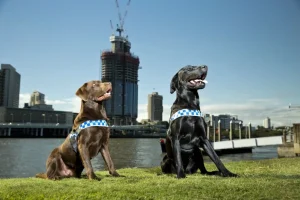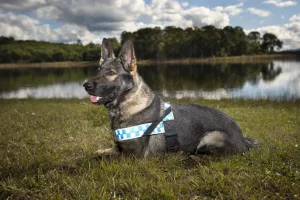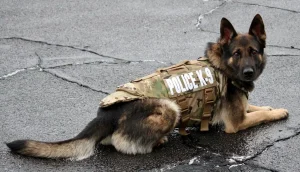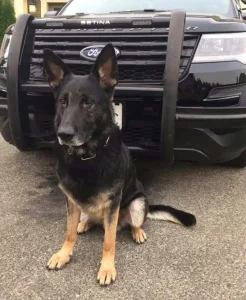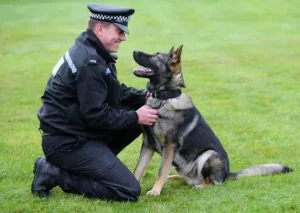
Patrol dogs work with sharp focus and calm control. They do not rush in or rely on force. Instead, they read the moment, move with care, and block an intruder’s escape. This mix of instinct and training keeps everyone safe. It also shows how patrol dogs safely detain intruders without harming them.
These dogs act as quiet guardians. Their method is simple but powerful. In this blog, you will see how they do it and why their approach has become a trusted part of modern security.
Table of Contents
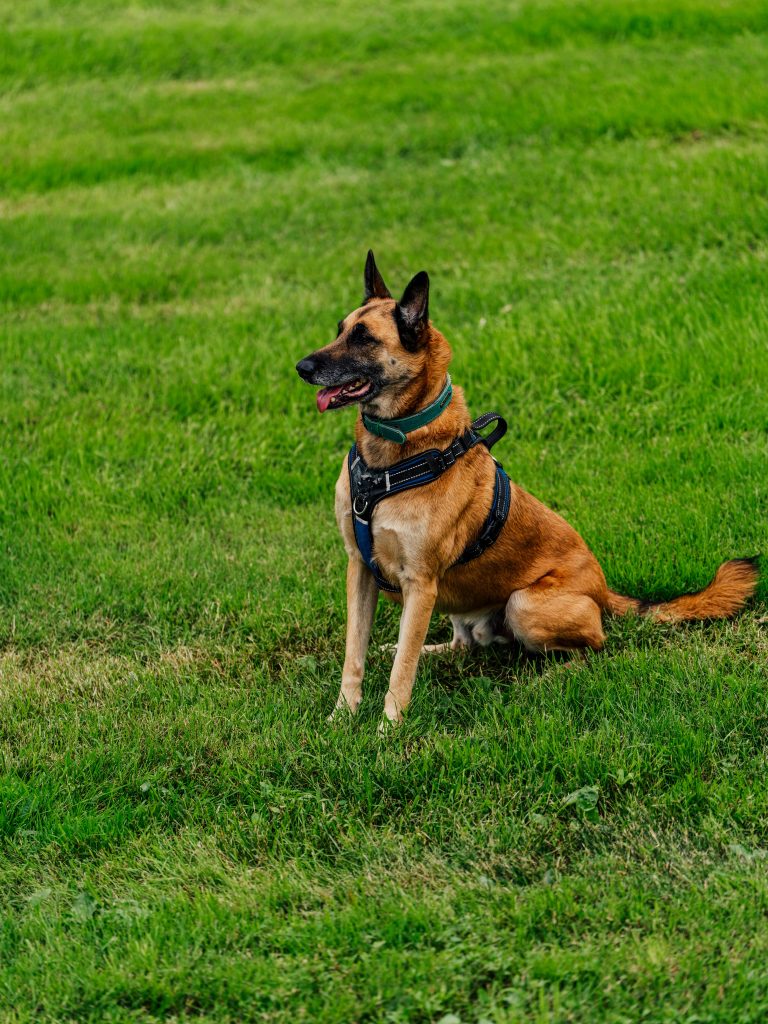
Understanding How Patrol Dogs Safely Detain Intruders
Modern K9 teams now rely on calm control rather than force. They aim to contain a threat, not injure one. This shift comes from years of field experience, expert reviews, and updated safety rules.
It also reflects a wider move toward non-lethal dog handling strategies, which support sympathetic and steady responses in security work.
Within professional dog security services, this emphasis on calm containment reflects a shift toward methods that prioritise control, safety, and accountability over force.
By using these methods, teams lower risks for the handler, the intruder, and anyone nearby.
Expert Insight That Guides Today’s K9 Methods
Trainers study behaviour patterns, test new drills, and refine each step through real-world lessons. Their input shapes how dogs react in tense moments.
Guiding an Intruder Through Calm Pressure
A patrol dog can block a path, cut off an exit, or steer a suspect into a safe corner with small, controlled movements. This approach reduces danger without weakening security.
Training Shaped by Evidence and Responsibility
Programs focus on patience, quick cues, and steady handling. These elements build trust between dog and handler while supporting ethical, reliable security practices.
Recent government investment in military working dog facilities underlines the emphasis on specialised training environments and animal welfare that support safe operational performance.
The Role of Specialised Training in Safe Intruder Control
Tracking, Alerting, and Controlled Engagement
Patrol dogs learn to track a person by scent, sound, or movement long before the suspect is close. When they spot a threat, they alert the handler with a signal they have practised many times.
Only after the handler responds do controlled canine response techniques begin. These techniques help the dog approach with caution, block exits, and corner the suspect without rushing forward. Each action aims to keep control while avoiding sharp or risky moves.
Patrol Dog Training for De-Escalation
Strong patrol dog training for de-escalation teaches dogs to judge when pressure is needed and when to slow down. Dogs learn that not every intruder acts the same.
Handlers guide them with short commands, a steady tone, and simple body cues. This helps prevent a fast jump into conflict.
Creating Low-Risk Encounters
Modern teams use proven risk-reduction methods in K9 security, such as holding distance and keeping the dog under close oversight. These steps lower the need for physical contact and give officers time to resolve the situation safely.
Intruder Containment Procedures Used by Patrol Dogs
Patrol dogs use clear and structured intruder containment procedures that place safety before force.
Non-Contact Containment
In many cases, the dog never needs to touch the suspect. A common tactic is circling. The dog moves in a steady loop, tightening the path until the intruder has nowhere to go.
This simple motion limits escape without a fight. Posture adds pressure. A strong stance and focused stare warn the intruder to stop, supporting modern non-lethal dog handling strategies that rely on presence, not impact.
Controlled Contact When Needed
Some moments call for physical restraint. This happens when escape becomes likely or when the intruder refuses to stand down. The handler directs the dog with short, practised cues.
Together, they make quick, controlled contact to halt the threat. Even here, the goal stays the same: brief action with low risk.
Ensuring Safety for Dogs, Handlers, and Suspects
Close supervision protects everyone involved. Handlers watch for sudden shifts and adjust the dog’s response at once. In many real encounters, controlled canine response techniques prevent harm by stopping the dog before tension turns into injury.
These steps keep the dog safe, protect the handler, and reduce danger for the intruder.
How Patrol Dogs Safely Detain Intruders in Real-World Scenarios
Real encounters show how patrol dogs work with steady control rather than force. Their training helps them act with purpose, protect the scene, and support officers who guide each step.
Step-by-Step Breakdown of a Typical Encounter
A dog first notices a clue like a sound, scent, or quick movement. Then, it signals the handler with a shift in posture. The team moves in, keeping space while steering the intruder toward a safe spot.
The dog uses firm angles and focused attention to stop escape without touching the suspect. Once the intruder freezes, the dog holds position while the handler gives short, direct cues. Many cases end here because the pressure alone is enough to gain control.
Ethical and Legal Considerations
K9 work must follow strict rules. Force is used only when no safer option exists. Officers must show that every action was fair, measured, and suited to the threat.
These standards protect the intruder, the team, and the agency’s credibility. They also help ensure that the dog’s actions stay humane and lawful.
Supporting Technologies
Modern tools improve awareness and safety. GPS maps search paths. Body cameras record the sequence for review and training. Radio systems keep officers linked so decisions stay quick and clear.
These tools strengthen the overall process of how patrol dogs safely detain intruders, making each encounter more controlled and predictable.
Advanced Tactics for Complex Environments
Patrol dogs often work in locations that shift fast and offer many escape routes. To stay effective, teams use specialised tactics built for wide, cluttered, or unpredictable spaces. These methods help the dog control the scene, all within established intruder containment procedures that guide safe and lawful action.
Dynamic Containment
Open spaces give an intruder many paths to run. A patrol dog counters this with speed, sharp angles, and quick changes in direction. The dog guides the suspect toward a safe point chosen by the handler, such as a corner, wall, or narrow lane.
This method relies on movement, not force. By shaping the suspect’s route, the dog reduces confusion and keeps the encounter controlled.
The “Hold and Out” Command
This command is central to de-escalation training. When given, the dog blocks the intruder’s movement but stays at the edge of the action. It does not make contact. Instead, it watches for sudden changes and waits for clear cues from the handler.
The intruder feels pressure to stop, yet the distance prevents tension from rising. This creates space for officers to talk, assess, and issue lawful directions.
Multi-Team Coordination
Complex scenes often involve several officers. The K9 team works in step with them, so movements stay aligned. While the dog maintains its hold point, officers close in to secure the intruder or clear the area.
Each shift is timed to avoid cross-paths that could place the dog or officers at risk. This blend of teamwork and planning leads to safer, cleaner outcomes in difficult environments.
Conclusion
Patrol dogs aim to contain intruders with the least force needed, using training designed to dog corner intruder safely rather than escalating situations. Their work depends on controlled canine response techniques, steady handler guidance, and strong safety rules.
With better training, these teams will deliver stronger, calmer protection on site. They’ll also show how patrol dogs hold intruders safely in real scenarios.
FAQs
1. Do patrol dogs actually attack intruders?
Yes. Only when there is no safer option, most encounters end without contact because the dog’s presence, posture, and positioning are enough to stop the intruder from moving.
2. How do patrol dogs know when to use force?
They follow the handler’s commands. The handler assesses the threat and gives cues that tell the dog whether to hold position, apply pressure, or make controlled contact.
3. What makes patrol dogs effective at detaining intruders?
Their speed, awareness, and training allow them to block escape routes and guide movement. They work with purpose, using control instead of force in most situations.
4. Are patrol dogs trained to avoid harming suspects?
Yes. Modern training places safety first. Dogs learn restraint, distance control, and clear responses that reduce the chance of injury during containment.
5. How do handlers ensure the safety of suspects and dogs during an encounter?
Handlers watch every shift in behaviour, adjust commands, and use proven safety steps such as spacing, communication, and controlled positioning. This keeps the encounter stable for everyone involved.