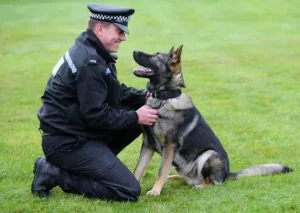
Threats do not wait for a time or season to pass. A quiet yard can shift from still to tense in a moment. Large open sites, lonely industrial yards, and wide storage spaces all carry the same risk. Without reliable protection, someone can slip in without warning. K9 teams sit at the centre of many high-risk responses. But they work at their best when the call reaches them at the right second. In critical situations, remote monitoring teams dispatch K9 units, which change everything. They watch, filter, direct, and trigger the dispatch that gets K9 units moving fast and sharp.
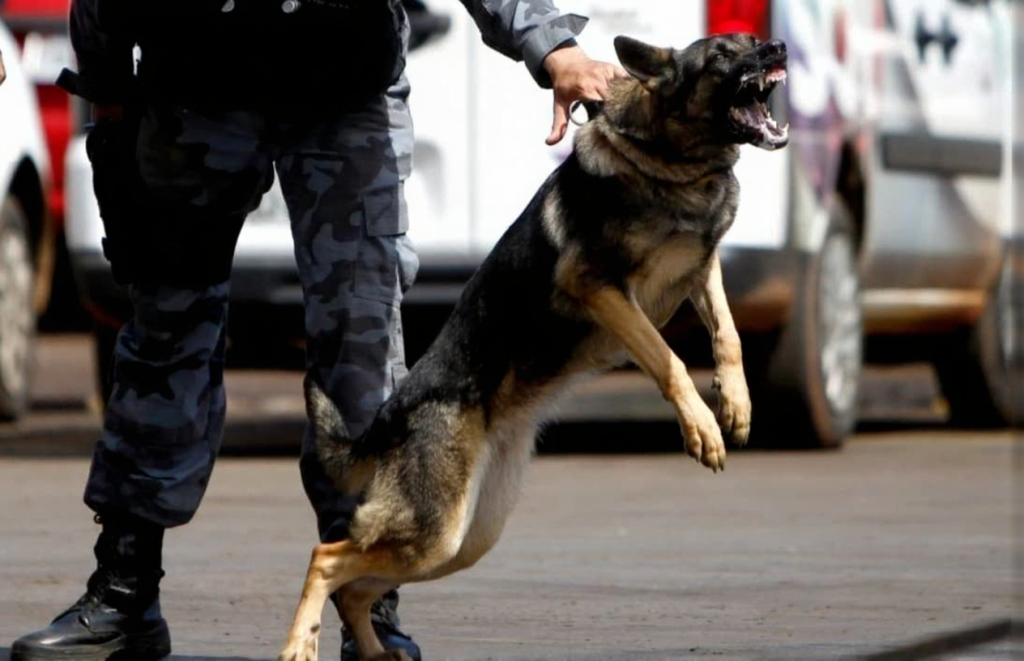
Why Speed and Accuracy Matter in K9 Deployments
K9 units move with instinct and discipline, yet they rely on clear commands. When a threat appears, hesitation leads to confusion. A handler may know the site well, but without full sight of the area, they start with gaps. And remote monitoring rooms assist in closing those gaps. They see whole yards at once and are able to track movements around the site. Also, they can spot danger long before it touches the main building. A good decision sets the timing in a critical situation, and the timing shapes the outcome.
How Remote Monitoring Teams Detect Risk Early
Remote command hubs run around the clock. They look at screens pulling feeds from wide angles, corners, rooftops, and fence lines. With so many views on the monitor, even small movement stands out more in light.
Using Multi-Layer CCTV Feeds to Spot Human Movement Patterns
Operators watch how people move inside the perimeter. They look for slow pacing, crouching near a fence, or someone trying to stay in shadows. Multi-layer coverage means the same spot is seen from different sides, so a suspect cannot slip behind a blind spot.
Intelligent Alerts That Trigger Human Review
Motion analytics flag steps, jumps, or any odd pattern around the site. But nothing moves forward until a human checks the alert. Operators often compare the clip with live footage. They confirm each alert to determine whether it is real and filter out harmless triggers like animals or branches. This short review step speeds up the path to action.
Building a Risk Profile Before Deployment
Once a threat seems real, operators do a quick profile. They started to note down every question, like how many intruders? Are they holding tools? Are they walking fast or looking around? Are they heading towards a storage shed or a gate? These can help K9 teams understand the scene, so they avoid surprises on the ground.
How Remote Monitoring Teams Dispatch K9 Units Better
Remote security monitoring relies on dedicated monitoring centres that receive signals from CCTV, alarms, and sensors, verify genuine threats, and coordinate appropriate response actions before deployment decisions are made.
After confirmation from the control side, everything turns fast with a quick decision. Timing matters more than anything. Clear communication sets the pace for the K9 team.
Secure, Fast Communication Channels Between Command and K9 Handlers
Operators send alerts through dedicated radio bands or encrypted apps. As long as messages take time, keep them short and give only direct facts. Such as Location, movement direction, visible objects, and any risk for the handler. This cuts the delay, and having a clear call saves minutes.
Real-Time GPS Tracking and Route Mapping
While the handler moves, the monitoring room tracks their route. GPS shows the best access point, nearby exits, and any blocked path. The team guides the handler, so they reach the right angle without wasting time circling buildings.
Tactical Coordination Between CCTV Operators and K9 Handlers
Dog security services turn remote intelligence into immediate action. When handlers receive clear location data and movement updates, dogs reach the right area faster and with purpose. This reduces uncertainty during live incidents.
As the handler approaches, operators continue watching intruders. They relay updates every few seconds. If a suspect hides behind bins, runs to a van, or tries a back gate, the handler knows before the dog even reaches the corner. This tight link keeps the K9 team ahead of the threat instead of chasing from behind.
Enhancing Speed Through Technology and Automation
Digital tools push the entire response into a faster lane. Everything that removes manual steps helps the K9 deployment happen without noise or delay. This supports faster action on remote monitoring teams dispatch K9 units.
Integrated K9 Dispatch Software That Reduces Manual Steps
Some sites use central dashboards that group all actions. One tap triggers alerts, logs the incident, and notifies the handler. No juggling between many apps and no extra screens. Just a clean workflow that gets the team moving.
Seamless Data Sharing Across Platforms
CCTV feeds, alarm triggers, access control logs, and K9 tracker tools all link into one flow. This unified data stream lets operators see the whole story at once. It keeps the handler informed and removes the guesswork that often slows down urgent responses.
Outcomes: What Precision and Speed Achieve on the Ground
Higher Deterrence and Faster Suspect Interception
Intruders rarely stand against a well-timed K9 approach. The speed of the dog, mixed with remote oversight, pushes suspects to give up early. Many run, fall back, or freeze once they see the handler arrive with such accuracy.
Reduced Risk for Security Staff and Property Owners
A handler who enters a site knowing the intruder count and route faces less uncertainty. This lowers the chance of close-range issues. It also protects property owners from more serious damage. Because the response cuts the intruder’s window of action.
Strengthened Evidence Collection and Reporting
Every movement recorded during the incident carries time stamps. The footage, dispatch logs, GPS data, and operator notes create a clear report. This helps the property owner understand what happened and supports any legal steps.
Conclusion
Remote-guided K9 responses grow sharper in their security duty. Better sensors, quicker alert systems, and strong dispatch software reshape how teams work. As technology expands, remote monitoring teams dispatch K9 units with a better method. This allows the K9 units to gain more support, arriving faster and with cleaner information. The bond between the eye in the control room and the dog on the ground keeps evolving. This lets us turn every second into a chance to stop a threat early.
Frequently Asked Questions
1. How do remote monitoring teams know when a K9 unit is needed?
We check the camera feeds, confirm the threat, and act fast when the risk looks real.
2. Do K9 handlers receive live updates during a suspect chase?
Yes, we keep sending changes in direction or behaviour while the handler moves.
3. What technologies help speed up K9 deployment?
We use motion analytics, GPS tools, fast communication apps, and linked CCTV systems.
4. How does GPS tracking support remote-led K9 responses?
We guide the handler using real-time location data so they reach the right point without delay.
5. Are remote monitoring teams trained to work with K9 units?
Yes, we follow set protocols that help me give clear information to the handler during a response.