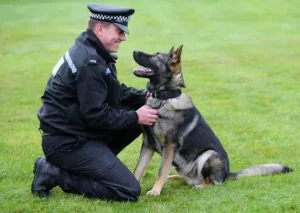
A dog can warn you long before its teeth show, but only a sharp handler knows how to read that quiet flare of tension.
A tiny ear twitch. A slow breath. A glance that cuts sideways for half a second. These hints fall beyond most people, yet they speak volumes. Handlers study these signs. Their skill comes from long hours, close work, and a mix of instinct and practice.
They rely on the techniques dog handlers use to identify threats early, catching danger while it still hides in plain sight.
This blog steps into that world, where small signals guide fast decisions and calm can turn in a blink. Let’s look at how the experts stay ahead of trouble.
Table of Contents
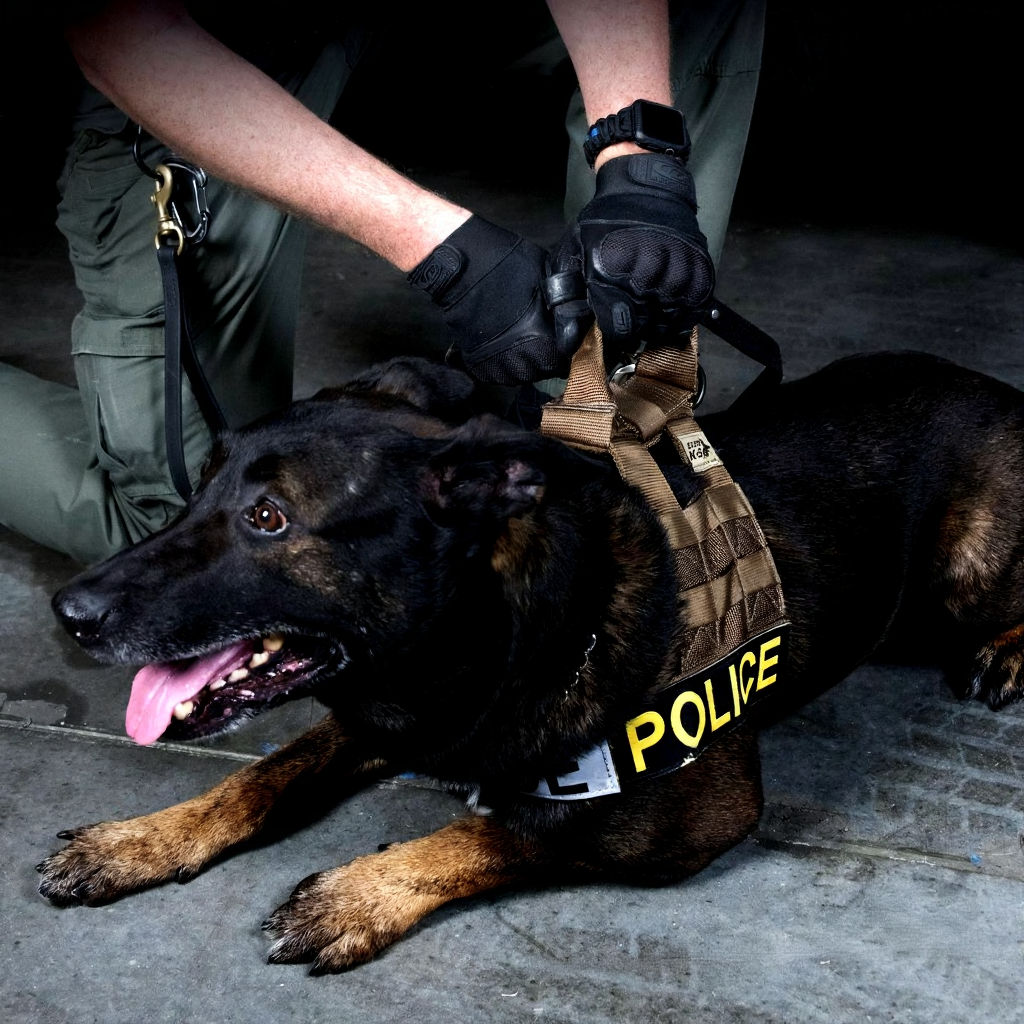
Understanding the Importance of Reading Subtle Canine Signals Early
Not every warning comes with noise. Many signs sit in the quiet space before a dog shows clear tension. Spotting these moments early can stop stress from rising and keep everyone safe.
Handlers pay close attention to subtle canine body language cues because those tiny changes often tell the real story. They read shifts that most owners never notice, and that skill lets them act before a situation breaks open.
Key points with deeper detail:
- Early shifts reveal emotion: A dog may tighten its jaw, slow its movement, or blink less when it starts to feel unsure. These light changes offer a window into the dog’s growing discomfort.
- Small signs appear long before open aggression: Many dogs freeze for a breath, lean back, or close their mouth right before they feel the need to defend themselves.
- Handlers track patterns, not single moments: They watch how the dog’s eyes, tail, and weight work together, not just one signal on its own.
- Experience sharpens their eye: Years of exposure teach handlers to trust faint cues and respond with calm steps that prevent escalation.
Expert guidance on canine body language highlights how small signs such as ear position, lip licking, or brief changes in posture often precede overt stress or aggression, making early interpretation vital to safety and effective threat prediction.
Techniques Dog Handlers Use to Identify Threats Early With Dog Signals
Observing Micro-Expressions and Fine Motor Changes
Handlers look for tiny signs that vanish in a blink. An ear flicks once, the lip pulls tight, the blink speed up, and the head turns a little off-centre. Each movement seems harmless, yet it can hint at stress starting to grow. Catching these small flashes lets the handler guide the dog before its nerves rise too high.
Monitoring Changes in Posture and Movement Patterns
A dog’s body shifts in ways that speak louder than sound. Weight may slide back. The body stiffens. Pacing comes in short bursts. The eyes follow something with slow intent.
These actions work as pre-aggression behavioural indicators in dogs, showing that the dog is weighing its next move. Handlers use them to step in early.
Listening for Vocal and Breathing Cues
Breathing changes tell their own tale. A sharp breath out. A thin growl held tight. Panting that turns rough. These hints feed into strong canine threat assessment skills, giving the handler a clearer view of the dog’s mood when words are not possible.
Interpreting Context, Environment, and Triggers
Signals shift with the scene. Handlers scan the area, note fast movement, and watch for things that may unsettle the dog. This comes from long practice and trusted professional dog handler training methods.
By linking the dog’s signals with the moment around it, they judge risk fast and steady, keeping trouble from taking shape.
In operational settings, this level of interpretation is developed through consistent exposure and professional handling, which is why K9 dog security services place strong emphasis on reading subtle canine signals as part of early threat detection.
How Handlers Train Themselves to See What Others Miss
Pattern Recognition Conditioning
Handlers build their skills by watching many dogs in many places. They study how dogs move when relaxed, tense, unsure, or alert. Over time, their eyes learn to spot small shifts that repeat across different breeds and temperaments.
They track how one cue links to another, which helps them catch early signs that most people overlook. This steady practice builds a strong mental library of patterns they can call on fast.
Scenario-Based Behavioural Simulations
Training does not happen in calm rooms alone. Handlers work through staged situations that mirror real pressure. A person moves too close. A strange sound hits from behind. Another dog enters with loud energy.
These mock events teach the handler how to respond without freezing or rushing. They refine timing, movement, and voice so their reactions stay clear even when the moment feels sharp.
Emotional Neutrality and Calm Decision Making
A handler who panics cannot read the dog well. They train themselves to stay steady, even when the dog grows tense. Calm keeps the mind open to small details that matter.
This balance mixes intuition with learned methods. It helps the handler trust their sense while staying grounded in what they have practised. This blend makes early detection sharper and safer.
The Impact of Handler-Dog Bonding on Threat Recognition
A strong bond sharpens awareness. When the handler knows the dog well, even slight changes stand out. This connection makes subtle canine body language cues clearer.
The dog also trusts the handler more, which reduces fear and helps both work as a steady team when reading rising tension or potential threats.
Case Studies of Handlers Decoding Subtle Dog Signals
How a Police Handler Predicted an Alert in a High-Tension Encounter
During a busy patrol, a security dog’s focus changed. The breathing slowed. The stare locked on one person. The dog leaned forward with quiet pressure.
These signs fed straight into trained canine threat assessment skills. The handler moved the dog, signalled the team, and eased the scene before anything sharp took shape.
A Security Dog Giving Clear Yet Overlooked Signals
On a routine sweep, a security dog paused at a hallway corner. Its ears twitched once. The body stiffened in place. The tail stayed low but firm. A new trainee thought the dog was distracted.
The handler knew better. These quick cues pointed to hidden movement. They checked the area and found someone tucked behind storage, showing how soft signals can lead to real threats when read on time.
Conclusion
Handlers notice small things that many people miss. A tight blink. A short breath. A shift in stance that lasts only a moment. These tiny clues reveal a dog’s mood before trouble grows.
Learning subtle canine body language cues, spotting early warning signs of dog aggression, and reading pre-aggression behavioural indicators gives you the opportunity to act early.
Strengthen your canine threat assessment skills, study professional dog handler training methods, and build a safer, clearer bond with your dog through steady, aware communication.
FAQs
1. What are the earliest signs that a dog may become aggressive?
Early signals are quiet. A dog may stiffen for a moment or hold its mouth tight. It may turn its head away or freeze its eyes on one spot. A small growl or sharp breath can also show rising stress.
2. How do professional handlers detect threats sooner than regular dog owners?
Handlers train to catch tiny shifts. They watch how a dog breathes, how it stands, and how fast it scans the area. Even a short pause can mean the dog feels pressure.
3. Can pet owners learn these handler techniques?
Yes. With steady practice, anyone can improve. Watching your dog in calm times helps you notice changes when stress appears.
4. What role does the environment play in predicting canine threats?
Space shapes behaviour. Loud sounds, fast motion, or tight areas can build tension. Reading both the dog and the scene gives clearer insight.
5. Why are subtle body language cues so important?
Dogs speak through movement before sound. These soft hints give you time to act early and keep the moment safe.