Call Us: (44) 77765-43210

Email Us: info@dogsecurityservices.co.uk

The Mandatory Rules Every Professional Dog Handler Must Follow On-Site
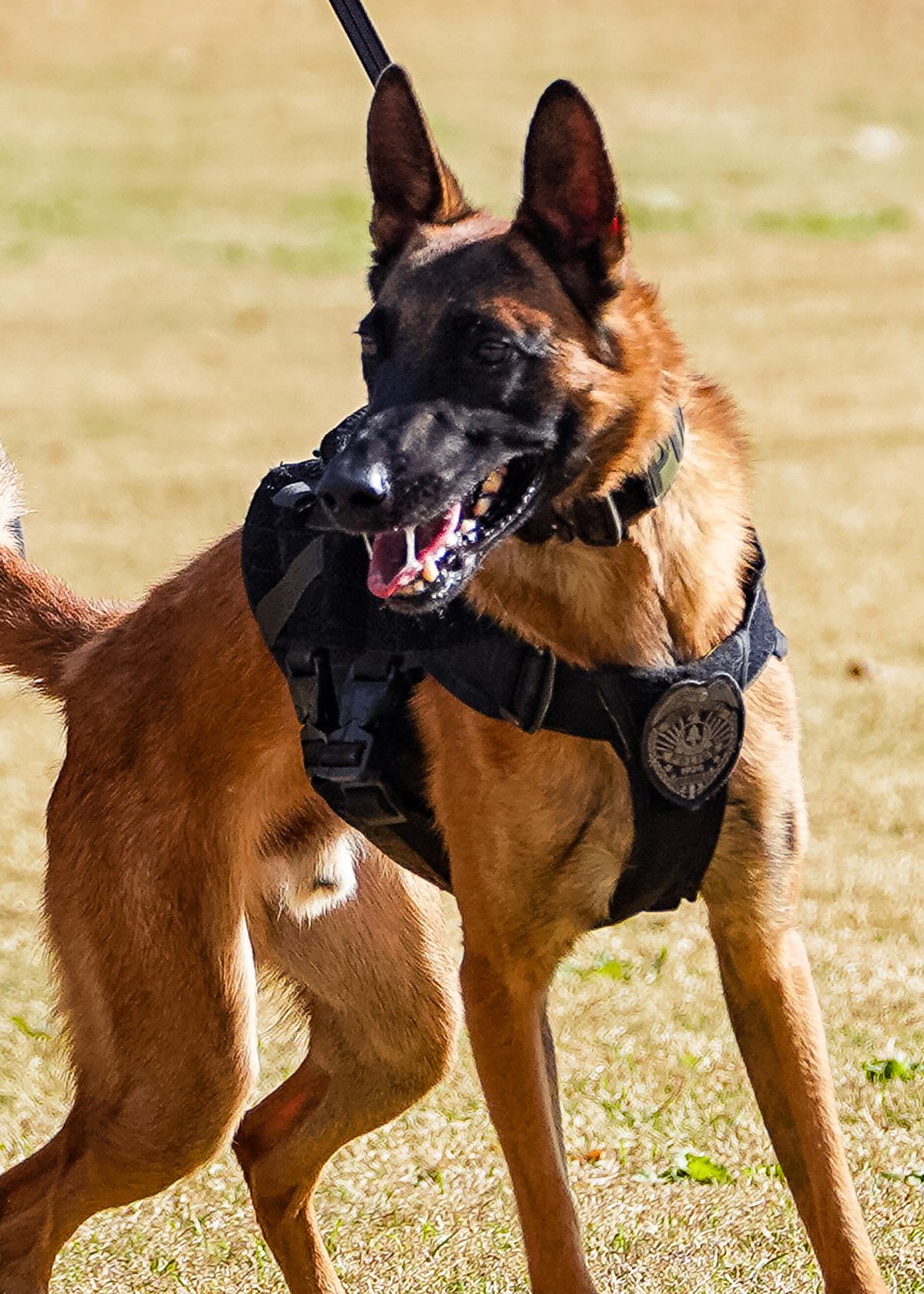
mandatory rules for professional dog handlers on-site

On-site work with dogs can change fast. One step feels calm, then something small changes the whole mood. Every handler needs to know the mandatory rules for professional dog handlers on-site.  These rules keep the dog steady and protect anyone close by. They also help the handler stay aware, even when the space is loud or full of movement.  With these rules in place, the job feels clearer and far less tense. This guide walks through the rules that matter most, giving you a quick path to safer and smarter handling. The Foundation of Professionalism: Essential Documentation and Compliance Licensing and Certification Requirements A dog handler must keep valid training proof at all times. This can come from a trusted training school or a government-approved program. The handler also needs a current business license. Insurance is not optional. Liability and bonding coverage protect the handler and the client if something goes wrong. In the UK, handlers operating in security roles must also understand how SIA licensing and regulatory oversight applies to their work, particularly when operating on commercial or public sites. Client-Specific Contractual Obligations Every dog needs its own set of papers before any work starts. That includes health notes, vaccination records, and a clear emergency contact. Handlers should also give clients written consent forms. These forms explain the service, any risks, and what will happen if an emergency comes up. Clear papers prevent confusion later. Understanding and Applying Dog Handler Compliance Rules Rules change by area, so handlers must know local, state, and federal laws tied to animal care and business work. Some places set limits on certain methods or require added steps when working in public spaces.  Dogs with a tough history or breeds under control laws may need extra safety measures or special permits. Handlers must adjust to these rules to stay compliant. Understanding the Mandatory Rules for Professional Dog Handlers On-Site The Rules in Real Working Conditions On-site work can change fast. One sound, one shift in space, and the dog reacts. Rules keep the handler steady when the scene turns messy. They guide how the dog moves through tight spots and how the handler responds in the moment. This structure supports professional dog handler responsibilities that rely on quick, calm choices rather than guesswork. Why Safety and Workflow Depend on On-Site Guidelines Each guideline has a reason. Some stop crowding. Others keep a distance from hazards or allow the dog room to settle. These steps shape the core of on-site dog handling safety guidelines, giving the handler a clear way to reduce risk without slowing the job. With these rules in place, the work holds its pace even when pressure rises. How Professional Duties Extend Beyond Handling Skills A handler must read the room as much as the dog. Loud tools, sudden movement, or a narrow path can change the dog’s focus. The rules push the handler to adjust, act early, and stay accountable for every shift in the environment. That is where skill and judgment meet, and why the role reaches past simple control. Pre-Arrival Preparation and Site Assessment Conducting a Thorough Pre-Site Evaluation Before stepping in, the handler needs a clear look at the area. Some sites have sharp edges, sudden drops, or loud tools that may unsettle a dog. Light, wind, and ground shape can shift how the dog reacts, so each detail matters. By learning the layout early, the handler can build a safer path and choose steps that match canine handling safety protocols without slowing the work. Preparing the Handler and the Dog Before Arrival The handler gathers what the job calls for: These items cut chaos and give the handler space to act. The dog’s habits, warning signs, and known stress points also need a quick review. This helps the handler predict sudden changes on-site. When the work falls under strict dog handler compliance rules, this level of prep becomes a must, since both the dog and the handler must show they are ready before the job even begins. Safety Rules and Emergency Response Protocols Applying On-Site Dog Handling Safety Guidelines A handler must shape each move around the space they are in. On-site dog handling safety guidelines outline how to guide the dog through tight spots, shift position when a path narrows, and keep enough room to react. The handler scans the area for sudden noise or movement that could unsettle the dog. Clear spacing and steady placement reduce surprises, letting the dog follow calm, direct cues. Using Approved Canine Handling Safety Protocols When trouble hits fast, the handler leans on set emergency steps. Canine handling safety protocols cover how to break contact cleanly, how to hold the dog without adding pressure, and how to alert others when things change. These steps are simple but firm, giving the handler a way to regain order when the dog’s focus snaps. They also guide how to move the dog out of danger and reset the scene so the work can continue without rising tension. Documentation, Reporting, and Compliance Keeping Accurate Handling and Incident Logs Clean records are part of safe work. A handler needs to follow notes on what the dog did, how it reacted, and any moment that felt off. Gear checks, odd sounds on-site, or a shift in the dog’s mood all go into the log. These details help others see the full picture later. When an incident happens, a clear report explains what caused the issue and how the handler brought things back under control. Some sites want updates tied to layout changes or new risks, so the notes must stay current. Following Dog Handler Compliance Rules Different clients and agencies ask for different files. Some request proof of training. Others want daily checklists, quick notes after high-pressure work, or records that show how equipment was used. These steps follow dog handler compliance rules, which keep the work open to review and protect the handler from claims or confusion. With the right documents in place, the … Read more
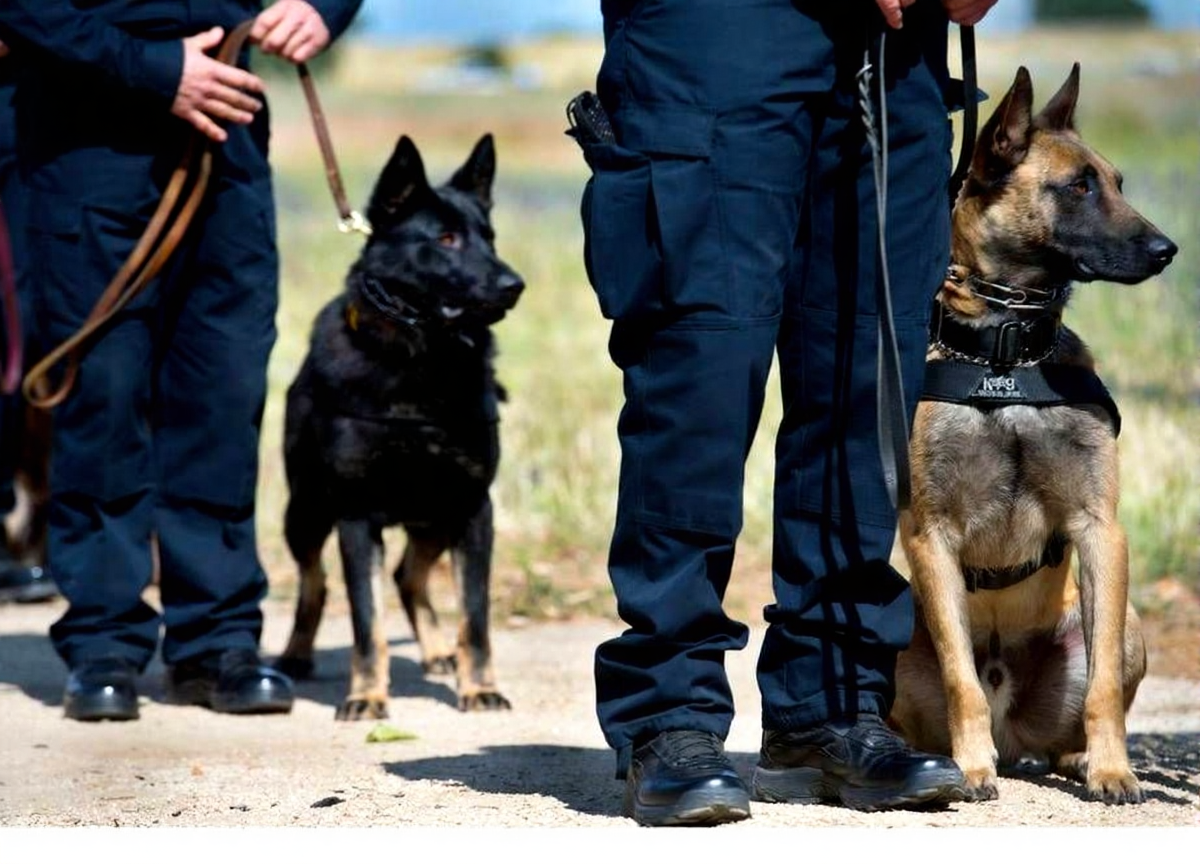
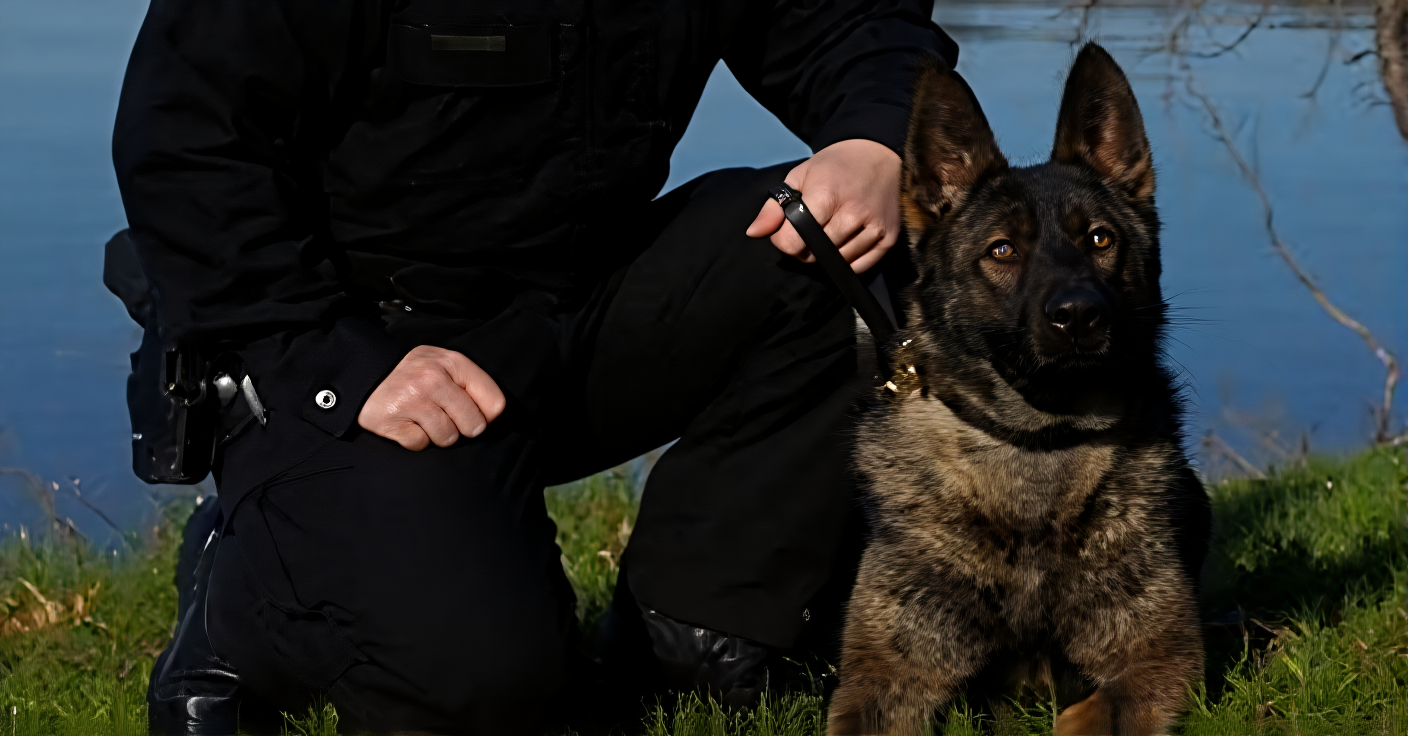
How Handlers Train Dogs to Stay Calm Under Chaotic Security Conditions

security dog calmness training techniques

Security scenes can turn wild in a moment. One shout, one strange sound, and everything shifts. Still, a trained dog may stay quiet and steady, almost untouched by the rush. That calm state comes from slow, steady work and clear security dog calmness training techniques that shape around each dog’s mind.  Handlers guide the dog through heavy noise, strange scents, quick steps, and any moment that might shake its focus until the chaos shrinks.  Over time, the dog learns to breathe slowly, look ahead, and wait for its cue. In this blog, we explore how that calm strength is built and why it becomes the steady core of an effective security team. Why Calmness Matters in High-Pressure Security Environments Security areas change fast. Noise rises, people rush, and tension spreads through the space. A working dog must stay steady in the middle of all this. Calm dogs think clearly, react faster, and stay linked to the handler’s signals. Good security dog stress management helps the dog keep control when pressure builds. Stress can shift a dog’s behaviour in many ways. It may sharpen the dog too much or dull its alertness. The points below show how different forces shape a dog’s focus during heavy action. Noise and Distraction Loud sounds can break the dog’s rhythm. A sudden bang or burst of voices may pull the dog away from its task. Handlers train dogs to many sound levels so that noise no longer feels like a threat. Movement and Mixed Signals Crowds move in sharp and fast patterns. A dog may misread these motions. Handlers teach dogs to hold still for a moment before reacting, giving them space to choose the right cue. Environmental Pressure Heat, tight paths, and strange scents can unsettle a dog. Working in varied settings helps the dog settle its nerves and stay ready, even when the space feels tense. Core Security Dog Calmness Training Techniques Used by Professional Handlers Professional handlers rely on solid security dog calmness training techniques to prepare dogs for fast-changing scenes where anything can shift in a heartbeat. The National Association of Security Dog Users (NASDU) notes that steady, responsive behaviour in security dogs comes from controlled exposure and disciplined handling in high-pressure settings. Desensitising Dogs to Loud and Sudden Stimuli Dogs meet harsh sounds in real work, like alarms, engines, sharp cracks, and heavy crowds. Handlers introduce these noises in small steps so the dog can settle before moving on. With slow, steady canine desensitisation methods, the dog learns to stand firm without slipping into fear. Each session builds a layer of resilience that the dog can carry into the field. Reinforcement-Based Calmness Conditioning Calm behaviour grows stronger when it feels rewarding. Handlers mark quiet posture, steady breathing, and focused eyes with treats, toys, or warm praise. Over time, the dog starts to choose calm responses on its own, even when the space around it gets tense. Building Predictive Control Through Routine and Repetition Daily rhythm gives the dog a sense of balance. Clear structure supports strong working dog behavioural conditioning, helping the dog form habits that stay solid under pressure. Simple cues like sit-and-watch, down-stay, and heel-focus become anchors the dog can return to when stress rises. Strengthening the Handler–Dog Bond A dog works best when trust runs both ways. Shared tasks and firm handler–dog training protocols strengthen that link. A steady handler helps the dog settle, guiding its emotional state when the environment grows heavy. Behavioural Techniques That Enhance Calmness in Real Operations Real operations move fast, so dogs need behaviours that steady their focus when the scene turns rough. Redirecting Arousal Through Structured Tasks If a dog starts to tense up, the handler gives it a small task. A short search loop, a slow heel, or a brief scan can pull the dog out of rising arousal. These quick shifts help the dog return to clear, steady thinking. Advanced Socialisation in Varied Environments Dogs work through crowds, vehicles, tight hallways, and mixed surfaces. Regular exposure builds confidence and reduces hesitation. With repetition, working dog behavioural conditioning becomes stronger and helps the dog stay balanced in unfamiliar places. Applying Calm Cues During Operational Deployment Handlers guide calmness with quiet signals, steady hands, a softer tone, and a relaxed posture. Short reset moments during the task keep reactions smooth and prevent tension from building. The Science Behind Calmness: Stats That Reveal the Importance of Proper Training Calm dogs work with clearer minds. Stress shows up fast in a dog’s body as heart rate jumps, breathing speeds up, and cortisol rises when loud noise or sudden motion hits. Trained dogs recover faster and hold steadier focus during those moments. Real operations show the same pattern. In tense scenes, dogs that stay calm help prevent small problems from turning into bigger ones. Their clean signals and steady posture make it easier for handlers to act without confusion. Research also reports a strong gain in focus. Some studies note that trained working dogs maintain up to 60% better concentration when pressure rises. They shift attention with less trouble and stay on task even when noise surrounds them. Another study found that calm response training for patrol dogs cuts distraction and improves task accuracy, especially in busy or unstable areas. How Handlers Simulate Realistic Chaotic Conditions Handlers build training scenes that feel rough, loud, and unpredictable so dogs learn to think clearly when pressure rises. Controlled Chaos Drills Crowds shift, engines pass close, and sharp blasts cut through the air. Drills start light and get harder. Each increase helps the dog stay steady and read cues without slipping into stress. Scent Work Under Pressure Dogs practice holding a scent trail while noise, movement, or sudden surprises push in. This work strengthens security dog stress management, teaching the dog to finish the task even when tension spikes. Multi-Handler Scenarios Different handlers take the lead in teaching the dog calm, consistent behaviour, no matter who guides it. These shifts reinforce strong handler–dog training protocols, giving … Read more

Why Professional K9 Handlers Are Critical During High-Risk Emergency Responses

professional K9 handlers in high-risk emergency response

Disasters do not arrive politely. They hit hard, scatter routines, and leave people searching for help fast. In moments like that, professional K9 handlers in high-risk emergency response become essential.  Their dogs move with sharp senses, picking up hints that slip past the human eye. The handlers guide them with steady hands and quick decisions.  Together, they cut through confusion and find the people who cannot wait another minute. Their teamwork often turns fear into a chance for survival.  This blog looks at why their role matters so much when everything around them feels unpredictable. Why K9 Units Are Essential During High-Risk Situations Dangerous situations often shift without warning. In those moments, K9 teams give responders an advantage that tools and tech cannot match. A dog can sweep through smoke, cluttered rooms, or uneven ground with quick, sure steps. Their nose picks up tiny traces that guide teams toward threats or people in trouble. The handler stays close, reading each signal the dog gives. Together, they bring clarity to scenes that feel uncertain and tense. Real-Time Decision-Making Under Pressure A handler works in conditions where hesitation can slow the entire team. They pay attention to small changes in the dog’s movements. A sudden turn, a quicker pace, or a pause can mean something important. These moments call for instant judgment. The handler must decide where to move, when to pull back, and how to guide the team through areas that may hide danger. Their focus helps everyone move with more purpose. Working Dogs for High-Risk Law Enforcement Situations K9 units stand beside officers in some of the toughest jobs. SWAT groups use them to check buildings before anyone steps inside. Bomb squads rely on dogs trained to notice dangerous materials. Rescue crews send them into areas that are too tight or unstable for people. These skills matter during events like barricaded suspects, active shooter scenes, or collapsed buildings. In each case, the dog helps reveal what human eyes cannot see. The Vital Role of Professional K9 Handlers in High-Risk Emergency Response Understanding the Function of K9 Units in Critical Incident Response When a scene becomes unpredictable, K9 units help responders find direction fast. These teams take on many urgent tasks: A dog’s senses give them a major edge. They can trace light scents, notice slight movements, and pick up distant sounds that humans overlook. This sharp awareness helps crews make quicker, safer choices during tense operations. The Skillset and Training Behind Effective Canine Teams The strength of a K9 team comes from steady communication. Handlers guide the dog with short commands, hand cues, and calm body movement. The dogs train in obedience, scent work, and controlled movement so they can stay focused even when the area is loud or unstable. Handlers watch for small shifts in the dog’s posture or attention and adjust their own actions right away. This teamwork improves accuracy, reduces confusion, and helps protect everyone involved when the situation carries real risk. Ethical Handling and Animal Welfare Working dogs carry a heavy load in tense scenes, so their care must remain steady and intentional. UK guidance on the welfare of working dogs highlights the importance of rest, hydration, and controlled exposure during high-stress operations. Handlers watch how the dog moves and reacts, giving breaks when the work starts to wear them out. Quiet time, shade, and water help the dog reset after stressful pushes.  They also pay attention to the dog’s mood, easing off when signs of worry or fatigue appear. This kind of mindful care keeps the dog healthy and willing to engage.  A supported dog stays sharp, which helps every mission reach a safer, smoother end. Tactical Advantages of K9 Integration in Crisis Operations Tactical K9 Support for Emergency Responders K9 teams help responders understand a scene faster. A dog can move through tight areas, dark hallways, or rough ground with steady speed, picking up details that humans often miss. Their senses help crews spot hidden movement or unusual scents, giving everyone a clearer idea of what they’re walking into. These teams also strengthen perimeter control. A trained dog covers ground quickly and alerts the handler when something feels off. When clearing risky zones, the dog goes ahead to check corners, rooms, and narrow passageways. This early sweep helps responders avoid sudden threats and move with more certainty. During large-scale or volatile incidents, K9 handlers often operate alongside teams providing manned guarding security, ensuring human judgement and canine detection work together under pressure. Benefits of Trained K9 Teams During Crisis Events During searches, dogs often locate people much faster than human teams. Their noses guide them through smoke, clutter, or open areas without losing the trail. That speed matters when someone needs help right away. K9 teams also lower the risk for officers and civilians. By spotting danger earlier, they reduce the chance of responders walking into unsafe spaces. Their work helps operations stay focused and organised, which raises the odds of a successful outcome and keeps casualties down. Future Trends in K9 Emergency Response Technological Enhancements for K9 Teams New technology is changing how professional K9 handlers in high-risk emergency response guide their dogs. Many units now use small cameras mounted on the dog’s vest, giving handlers a clear look into areas too tight or risky to enter. GPS tracking keeps teams aware of the dog’s movement during wide searches or fast-changing scenes. Some groups use heat-sensing tools to spot warm bodies behind smoke, dust, or rubble. Newer systems powered by AI can mark unusual shapes or clues that would be easy to miss in the chaos. Handlers blend all this gear with their regular methods. They still read the dog’s signals and rely on scent work, but the added tech helps them react faster and with more certainty. Expanding Deployment in Civilian and Disaster Scenarios K9 teams now help in more civilian emergencies than ever before. In wildfire zones, dogs move through smoky paths to find people who cannot call out. After earthquakes, … Read more

How Handlers Decode Subtle Dog Signals to Predict Threats Much Earlier

techniques dog handlers use to identify threats early

A dog can warn you long before its teeth show, but only a sharp handler knows how to read that quiet flare of tension.  A tiny ear twitch. A slow breath. A glance that cuts sideways for half a second. These hints fall beyond most people, yet they speak volumes. Handlers study these signs. Their skill comes from long hours, close work, and a mix of instinct and practice.  They rely on the techniques dog handlers use to identify threats early, catching danger while it still hides in plain sight.  This blog steps into that world, where small signals guide fast decisions and calm can turn in a blink. Let’s look at how the experts stay ahead of trouble. Understanding the Importance of Reading Subtle Canine Signals Early Not every warning comes with noise. Many signs sit in the quiet space before a dog shows clear tension. Spotting these moments early can stop stress from rising and keep everyone safe. Handlers pay close attention to subtle canine body language cues because those tiny changes often tell the real story. They read shifts that most owners never notice, and that skill lets them act before a situation breaks open. Key points with deeper detail: Expert guidance on canine body language highlights how small signs such as ear position, lip licking, or brief changes in posture often precede overt stress or aggression, making early interpretation vital to safety and effective threat prediction. Techniques Dog Handlers Use to Identify Threats Early With Dog Signals Observing Micro-Expressions and Fine Motor Changes Handlers look for tiny signs that vanish in a blink. An ear flicks once, the lip pulls tight, the blink speed up, and the head turns a little off-centre. Each movement seems harmless, yet it can hint at stress starting to grow. Catching these small flashes lets the handler guide the dog before its nerves rise too high. Monitoring Changes in Posture and Movement Patterns A dog’s body shifts in ways that speak louder than sound. Weight may slide back. The body stiffens. Pacing comes in short bursts. The eyes follow something with slow intent. These actions work as pre-aggression behavioural indicators in dogs, showing that the dog is weighing its next move. Handlers use them to step in early. Listening for Vocal and Breathing Cues Breathing changes tell their own tale. A sharp breath out. A thin growl held tight. Panting that turns rough. These hints feed into strong canine threat assessment skills, giving the handler a clearer view of the dog’s mood when words are not possible. Interpreting Context, Environment, and Triggers Signals shift with the scene. Handlers scan the area, note fast movement, and watch for things that may unsettle the dog. This comes from long practice and trusted professional dog handler training methods. By linking the dog’s signals with the moment around it, they judge risk fast and steady, keeping trouble from taking shape. In operational settings, this level of interpretation is developed through consistent exposure and professional handling, which is why K9 dog security services place strong emphasis on reading subtle canine signals as part of early threat detection. How Handlers Train Themselves to See What Others Miss Pattern Recognition Conditioning Handlers build their skills by watching many dogs in many places. They study how dogs move when relaxed, tense, unsure, or alert. Over time, their eyes learn to spot small shifts that repeat across different breeds and temperaments. They track how one cue links to another, which helps them catch early signs that most people overlook. This steady practice builds a strong mental library of patterns they can call on fast. Scenario-Based Behavioural Simulations Training does not happen in calm rooms alone. Handlers work through staged situations that mirror real pressure. A person moves too close. A strange sound hits from behind. Another dog enters with loud energy.  These mock events teach the handler how to respond without freezing or rushing. They refine timing, movement, and voice so their reactions stay clear even when the moment feels sharp. Emotional Neutrality and Calm Decision Making A handler who panics cannot read the dog well. They train themselves to stay steady, even when the dog grows tense. Calm keeps the mind open to small details that matter. This balance mixes intuition with learned methods. It helps the handler trust their sense while staying grounded in what they have practised. This blend makes early detection sharper and safer. The Impact of Handler-Dog Bonding on Threat Recognition A strong bond sharpens awareness. When the handler knows the dog well, even slight changes stand out. This connection makes subtle canine body language cues clearer. The dog also trusts the handler more, which reduces fear and helps both work as a steady team when reading rising tension or potential threats. Case Studies of Handlers Decoding Subtle Dog Signals How a Police Handler Predicted an Alert in a High-Tension Encounter During a busy patrol, a security dog’s focus changed. The breathing slowed. The stare locked on one person. The dog leaned forward with quiet pressure. These signs fed straight into trained canine threat assessment skills. The handler moved the dog, signalled the team, and eased the scene before anything sharp took shape. A Security Dog Giving Clear Yet Overlooked Signals On a routine sweep, a security dog paused at a hallway corner. Its ears twitched once. The body stiffened in place. The tail stayed low but firm. A new trainee thought the dog was distracted.  The handler knew better. These quick cues pointed to hidden movement. They checked the area and found someone tucked behind storage, showing how soft signals can lead to real threats when read on time. Conclusion Handlers notice small things that many people miss. A tight blink. A short breath. A shift in stance that lasts only a moment. These tiny clues reveal a dog’s mood before trouble grows.  Learning subtle canine body language cues, spotting early warning signs of dog aggression, and reading pre-aggression behavioural indicators gives you … Read more

Why Strong Handler-Dog Bonds Improve Real-World Security Outcomes Dramatically

how strong handler dog bonds improve security outcomes

A door bangs in an empty hallway, and a K9 raises its head quickly.  The handler notices the difference and moves immediately.  No words, no signals, just a spark that propels them both towards the hidden threat.   Moments like this demonstrate how strong handler-dog connections boost security outcomes in real life.  The dog understands minor cues.  The handler believes those cues.   This bond is neither warm nor cute. Long days, rigorous drills, and consistent effort have all contributed to its development.   In security, such a relationship unites two individuals into one sharp team. This blog highlights why that bond matters and how it changes real results. The Foundation of Excellence: Relationship-Based Training Moving Beyond Command and Control Older training methods emphasised strong control. Dogs obeyed out of fear of being wrong. It worked for quick results, but it left the dog tense and unsure. Modern relationship-based training for working security dogs changes that idea. It builds calm habits, clear steps, and steady rewards. The dog learns to work because it feels safe and wants to take part. This creates a dog that thinks on its own, not one that freezes under stress. In loud or wild scenes, a dog trained through trust stays sharp and ready. It faces new sights and sounds with confidence instead of doubt. Building Unbreakable Trust and Communication Real strength in a team comes from handler–dog trust and communication in security work. This trust grows slowly, through daily work and small wins. The dog depends on the handler to choose safe paths and read danger. The handler depends on the dog’s sharp senses to find what the eye can’t. They talk without words. A light pull on the leash. A shift of the hand. A change in the dog’s stance. These tiny cues guide them through tight spaces where silence matters. Over time, this quiet language becomes second nature. When the bond runs deep, they move like one body and are ready for whatever waits ahead. The National Association of Security Dog Users (NASDU) promotes stable handler–dog pairings as a key factor in maintaining dependable performance and calm control during real-world security work. How Strong Handler Dog Bonds Improve Security Outcomes  Increased Vigilance A strong bond keeps the dog alert without pushing it into panic. It monitors the handler’s steps, checks small sounds, and scans the space with steady focus. The dog is not guessing what the handler wants. It already knows the flow of the team. This comfort sharpens its senses. It picks up soft shifts, light taps, broken scent trails, or a faint change in breathing from someone hiding. The handler reads the dog’s change in posture and reacts, giving them a jump on threats before they grow. High-Stress Compliance Real security work can turn rough in seconds. A threat appears with no warning. A dog with a strong bond anchors itself to the handler. Even when fear hits, it listens fast. It follows tough commands because it trusts the handler’s choices. This keeps the dog from acting on raw instinct and lets the handler move with purpose during hard moments. This level of control is built through consistent pairing, real-world exposure, and structured deployment, which is why K9 dog security services place strong emphasis on long-term handler–dog teams rather than rotating pairings. Adaptability Plans bend and break in the field. A bonded pair adjusts without long signals. The dog senses a small change in the handler’s pace. The handler spots a quick tilt of the dog’s ears. These tiny cues help them change speed, angle, or focus without losing control. It feels smooth and natural, even under pressure. Enhanced Area Control A close team moves like a steady wave. The dog explores widely, but never drifts out of reach. The handler uses small steps or light hand shifts to guide the sweep. This helps them clear halls, fields, or tight rooms with fewer missed corners. The movement stays calm, which also helps keep bystanders settled. Clearer Team Judgment Pressure can cover choices. A bonded team stays grounded. The handler’s calm settles the dog. The dog’s alerts stay honest and sharp. The handler trusts those alerts, leading to cleaner decisions to hold, shift, or press forward. This calm, shared judgment often decides how fast a threat gets stopped and how safely the scene stays under control. Data-Backed Performance: The Role of Bonding in K9 Operations Higher Success Rates In the UK, long-term K9 teams often score far better than new pairs. Many reports indicate a 20–30% increase in search-and-catch success when the dog and handler have worked together for a long time. Reduced Incidents When the same handler stays with the same dog, mistakes drop fast. The impact of handler consistency on dog reliability shows up in day-to-day work. Dogs react with more care. They give fewer false alerts. They stay calmer in tight spaces. UK units often record fewer slip-ups when the pair has time to build a steady rhythm. Mission Time Reduction Bonded teams move with quick, sure steps. They spend less time fixing errors or re-checking the ground. In scent tasks, they often finish faster because the dog reads tiny cues from the handler without stopping to guess. This tight flow cuts minutes off jobs where speed can decide whether a threat is found in time. The Strategic Advantage: Enhanced Threat Detection and Teamwork Sharper Combined Senses Fast, Clean Assessments Smooth Movement in High-Risk Spaces Stronger Presence on Patrol Reliable Adjustments Under Pressure Conclusion  A strong K9 team does not rely on skill alone. The bond between dog and handler forms the core of the unit, turning two separate strengths into one sharp, dependable system.  This is how strong handler dog bonds improve security outcomes in real operations. Security teams that invest in long-term pairing and relationship-focused training build sharper, calmer, and faster units. Prioritising that bond is the most effective path to stronger results in the field. FAQs 1. How does a strong bond affect a security dog’s performance … Read more

How SIA-Qualified Dog Handlers Maintain Control During High-Tension Incidents

SIA-qualified dog handler high-tension response

Tense moments can unfold without warning. One small moment can change the whole mood of a place. When that happens, a SIA-qualified dog handler high-tension response can steady the space before things slide out of control.  The handler watches each detail. The dog feels the change as well. Together, they guide people away from danger with calm steps and clear focus. This blog looks at how these teams keep order when pressure rises. You will see how quick thinking, sharp awareness, and quiet control make all the difference. Understanding SIA Standards and the Role of Security Dog Handlers What It Means to Be SIA-Qualified Becoming an SIA-qualified handler is not a simple badge-earning step. It involves strict training that teaches handlers how to work with a dog in public spaces, manage risk, and follow safety rules. The course covers canine behaviour, obedience control, handling skills, and how to spot threats before they grow. Certification also brings legal duties. Handlers must follow UK security laws, meet welfare standards for their dogs, and understand how to act within the limits of reasonable force. This mix of skill and responsibility builds trust in every operation. Security dog handlers operate under licensing and conduct requirements set by the Security Industry Authority (SIA), which defines the standards for training, legal responsibility, and professional behaviour in public-facing security roles. Why Professional Training Matters in High-Pressure Situations High-pressure moments demand more than instinct. Regulated training gives handlers the structure and calm needed to act fast without losing control. It teaches them to read a tense crowd, judge danger, and guide their dog with precise signals. In security dog incident management, even a small mistake can escalate a situation. Trained handlers know how to block access, create space, or move a threat away while keeping bystanders safe. Real incidents, such as late-night venue fights or intruder alerts on private sites, show how trained teams restore order through steady actions, clear commands, and careful teamwork between dog and handler. SIA-Qualified Dog Handler High-Tension Response: Protocols and Psychology How Handlers Assess Threat Levels Quickly A skilled handler reads people and places fast. Small signs matter like a stiff walk, tight hands, a sudden shift in tone. These clues help the handler judge if someone is nervous, angry, or ready to act. The area itself gives signals too. Loud crowds, blocked exits, or poor lighting can raise risk. The dog adds another layer. Its senses pick up tension long before most people notice. A slight change in posture or focus from the dog can warn the handler that something is building. This teamwork helps them act before trouble grows. Maintaining Control When Stress Levels Spike In fast moments, calm control makes the difference. Professional canine control techniques help the handler keep clear movement and quick reaction without panic. These techniques use short commands, steady body language, and smooth leash work to keep the dog centred. Communication stays constant. The handler positions the dog to block space, guide people back, or hold a safe line. They stay close enough to control the dog but far enough to judge the scene. The Role of the Dog During High-Tension Situations The dog supports conflict resolution by creating a natural pause. Most people slow down when they see a trained security dog. This gives the handler time to guide the situation toward safety. The dog must balance a strong presence with restraint. It acts as a deterrent, yet only steps forward when directed. This mix of calm power and controlled action helps prevent harm while keeping order. Key Techniques Used by Handlers to Control High-Tension Incidents K9 Handler Conflict De-Escalation Strategies Handlers use calm voices and steady body language to lower tension. A clear, firm tone helps guide people away from rash actions. Small steps, open hands, and slow movements show control without adding fear. The dog’s position also matters. A handler may place the dog slightly to the side, creating space without pushing the threat into a corner. This reduces pressure and stops the situation from turning aggressive. Professional Canine Control Techniques for Safety Leash control keeps the dog balanced and ready. A short, steady hold helps the handler react fast without pulling or jerking. The handler’s stance supports this: feet set, shoulders loose, eyes moving. Spatial awareness is key. They track who is close, who is moving, and where the exits are. Under pressure, keeping the dog’s focus is vital. Quick cues, small signals, and practised routines keep the dog locked on the handler, not the chaos. These techniques are developed and reinforced through structured deployment and real-world experience, which is why professional K9 dog security services place strong emphasis on handler control, obedience, and calm canine behaviour during high-pressure situations. Communication and Coordination in Chaotic Environments During high-risk security dog operations, teamwork shapes the outcome. Handlers speak with security staff, radio operators, and police to share quick updates. Clear messages help everyone act in sync. Good coordination makes decisions faster, where to move, who to guide out, and when to step in. This tight communication reduces confusion and keeps the scene stable as the team works to restore order. Essential SIA Dog Handler Safety Protocols Safety Measures That Protect the Public Public safety starts with a quick scan of the area. The handler spots tight spaces, fast-moving groups, or anyone showing stress. The dog stays under close control, so it never adds tension. It remains a tool, not a threat. Safety Protocols for the Handler and the Dog Both the handler and the dog need protection. Light gear, strong gloves, and safe leads help the handler stay ready. The dog needs rest, checks on its paws, and gear that fits well. They train for sudden shifts so they can act without panic. Documentation and Post-Incident Reporting Each incident needs a clear record. These records explain what happened and what worked. They also help improve future training. Good reports protect the handler if questions come up later and keep the team learning. … Read more