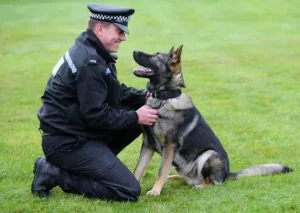
Security scenes can turn wild in a moment. One shout, one strange sound, and everything shifts. Still, a trained dog may stay quiet and steady, almost untouched by the rush. That calm state comes from slow, steady work and clear security dog calmness training techniques that shape around each dog’s mind.
Handlers guide the dog through heavy noise, strange scents, quick steps, and any moment that might shake its focus until the chaos shrinks.
Over time, the dog learns to breathe slowly, look ahead, and wait for its cue. In this blog, we explore how that calm strength is built and why it becomes the steady core of an effective security team.
Why Calmness Matters in High-Pressure Security Environments
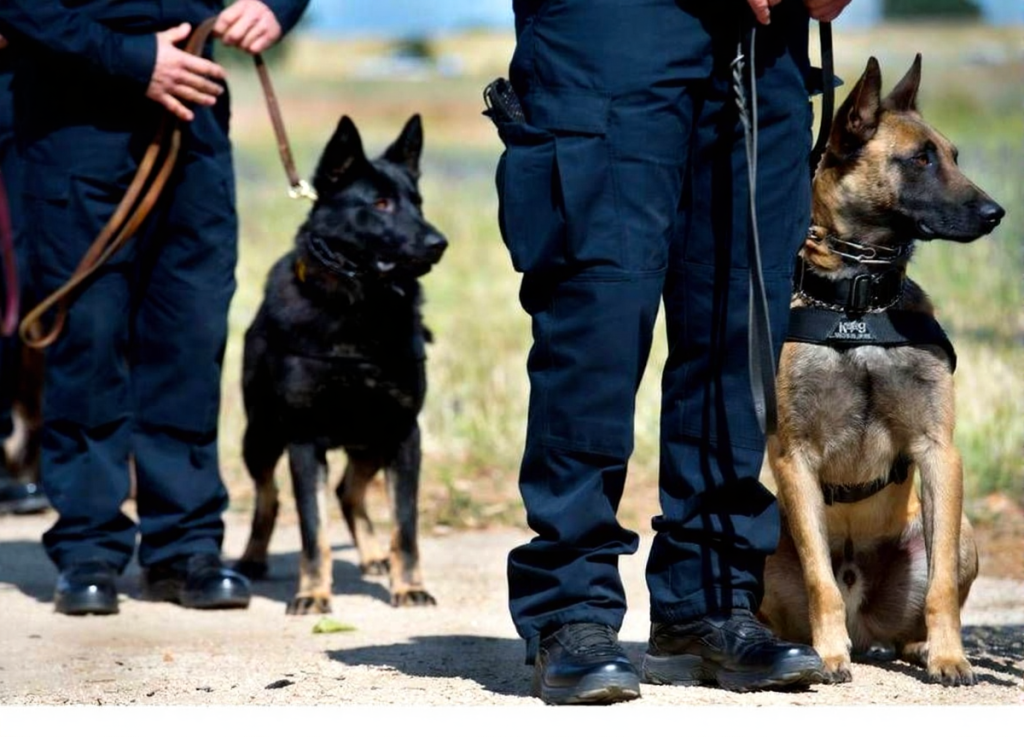
Security areas change fast. Noise rises, people rush, and tension spreads through the space. A working dog must stay steady in the middle of all this.
Calm dogs think clearly, react faster, and stay linked to the handler’s signals. Good security dog stress management helps the dog keep control when pressure builds.
Stress can shift a dog’s behaviour in many ways. It may sharpen the dog too much or dull its alertness.
The points below show how different forces shape a dog’s focus during heavy action.
Noise and Distraction
Loud sounds can break the dog’s rhythm. A sudden bang or burst of voices may pull the dog away from its task. Handlers train dogs to many sound levels so that noise no longer feels like a threat.
Movement and Mixed Signals
Crowds move in sharp and fast patterns. A dog may misread these motions. Handlers teach dogs to hold still for a moment before reacting, giving them space to choose the right cue.
Environmental Pressure
Heat, tight paths, and strange scents can unsettle a dog. Working in varied settings helps the dog settle its nerves and stay ready, even when the space feels tense.
Core Security Dog Calmness Training Techniques Used by Professional Handlers
Professional handlers rely on solid security dog calmness training techniques to prepare dogs for fast-changing scenes where anything can shift in a heartbeat. The National Association of Security Dog Users (NASDU) notes that steady, responsive behaviour in security dogs comes from controlled exposure and disciplined handling in high-pressure settings.
Desensitising Dogs to Loud and Sudden Stimuli
Dogs meet harsh sounds in real work, like alarms, engines, sharp cracks, and heavy crowds. Handlers introduce these noises in small steps so the dog can settle before moving on.
With slow, steady canine desensitisation methods, the dog learns to stand firm without slipping into fear. Each session builds a layer of resilience that the dog can carry into the field.
Reinforcement-Based Calmness Conditioning
Calm behaviour grows stronger when it feels rewarding. Handlers mark quiet posture, steady breathing, and focused eyes with treats, toys, or warm praise.
Over time, the dog starts to choose calm responses on its own, even when the space around it gets tense.
Building Predictive Control Through Routine and Repetition
Daily rhythm gives the dog a sense of balance. Clear structure supports strong working dog behavioural conditioning, helping the dog form habits that stay solid under pressure.
Simple cues like sit-and-watch, down-stay, and heel-focus become anchors the dog can return to when stress rises.
Strengthening the Handler–Dog Bond
A dog works best when trust runs both ways. Shared tasks and firm handler–dog training protocols strengthen that link. A steady handler helps the dog settle, guiding its emotional state when the environment grows heavy.
Behavioural Techniques That Enhance Calmness in Real Operations
Real operations move fast, so dogs need behaviours that steady their focus when the scene turns rough.
Redirecting Arousal Through Structured Tasks
If a dog starts to tense up, the handler gives it a small task. A short search loop, a slow heel, or a brief scan can pull the dog out of rising arousal. These quick shifts help the dog return to clear, steady thinking.
Advanced Socialisation in Varied Environments
Dogs work through crowds, vehicles, tight hallways, and mixed surfaces. Regular exposure builds confidence and reduces hesitation.
With repetition, working dog behavioural conditioning becomes stronger and helps the dog stay balanced in unfamiliar places.
Applying Calm Cues During Operational Deployment
Handlers guide calmness with quiet signals, steady hands, a softer tone, and a relaxed posture. Short reset moments during the task keep reactions smooth and prevent tension from building.
The Science Behind Calmness: Stats That Reveal the Importance of Proper Training
Calm dogs work with clearer minds. Stress shows up fast in a dog’s body as heart rate jumps, breathing speeds up, and cortisol rises when loud noise or sudden motion hits. Trained dogs recover faster and hold steadier focus during those moments.
Real operations show the same pattern. In tense scenes, dogs that stay calm help prevent small problems from turning into bigger ones. Their clean signals and steady posture make it easier for handlers to act without confusion.
Research also reports a strong gain in focus. Some studies note that trained working dogs maintain up to 60% better concentration when pressure rises. They shift attention with less trouble and stay on task even when noise surrounds them.
Another study found that calm response training for patrol dogs cuts distraction and improves task accuracy, especially in busy or unstable areas.
How Handlers Simulate Realistic Chaotic Conditions
Handlers build training scenes that feel rough, loud, and unpredictable so dogs learn to think clearly when pressure rises.
Controlled Chaos Drills
Crowds shift, engines pass close, and sharp blasts cut through the air. Drills start light and get harder. Each increase helps the dog stay steady and read cues without slipping into stress.
Scent Work Under Pressure
Dogs practice holding a scent trail while noise, movement, or sudden surprises push in. This work strengthens security dog stress management, teaching the dog to finish the task even when tension spikes.
Multi-Handler Scenarios
Different handlers take the lead in teaching the dog calm, consistent behaviour, no matter who guides it. These shifts reinforce strong handler–dog training protocols, giving the dog confidence in varied voices and handling styles.
Enhancing Calm Response Training for Patrol Dogs in Modern Security Settings
Why it matters
- Patrol dogs face rapid shifts in sound, movement, and pressure.
- Strong and calm response training for patrol dogs helps them stay steady when the scene turns rough.
How new tools help
- Sound simulators expose dogs to sharp or messy noise without real risk.
- VR setups create busy scenes that test focus.
- Digital distraction tools push sudden cues to see if the dog can hold its line.
Emerging trends
- Sharper canine desensitisation methods that raise stress in small, safe steps.
- New stress-inoculation drills that build confidence for complex, fast-moving environments.
Conclusion
Professional handlers build calm, steady security dogs through clear structure and thoughtful work. With security dog calmness training techniques, dogs learn to stay balanced when noise and pressure rise.
Their skill grows through steady practice, trust with the handler, and firm use of proven behavioural methods. These techniques together create dogs that think clearly and hold their ground in the toughest moments.
FAQs
1. At what age do security dogs start calmness training?
Most begin early, often between eight and twelve weeks. The work is light at first, giving the pup room to adjust without pressure.
2. Why is calmness more important than aggression in security dogs?
Calm dogs think clearly. They judge the scene, follow cues, and avoid risky reactions that could make a situation worse.
3. How long does it take to train a security dog for chaotic conditions?
Many dogs need a year or more to stay steady around noise, crowds, and sudden movement. Progress depends on the dog’s temperament and exposure.
4. Do all security dogs undergo canine desensitisation methods?
Yes. Controlled exposure helps them move through loud or unfamiliar spaces without shutting down or overreacting.
5. Can calmness training reduce mistakes during real security operations?
Yes. Dogs trained to stay composed handle surprises better, make cleaner decisions, and support the handler with fewer errors.