
Call Us: (44) 77765-43210

Email Us: info@dogsecurityservices.co.uk

The Surprising Biological Advantages That Make Dogs Exceptional Security Sentinels
biological advantages security dogs

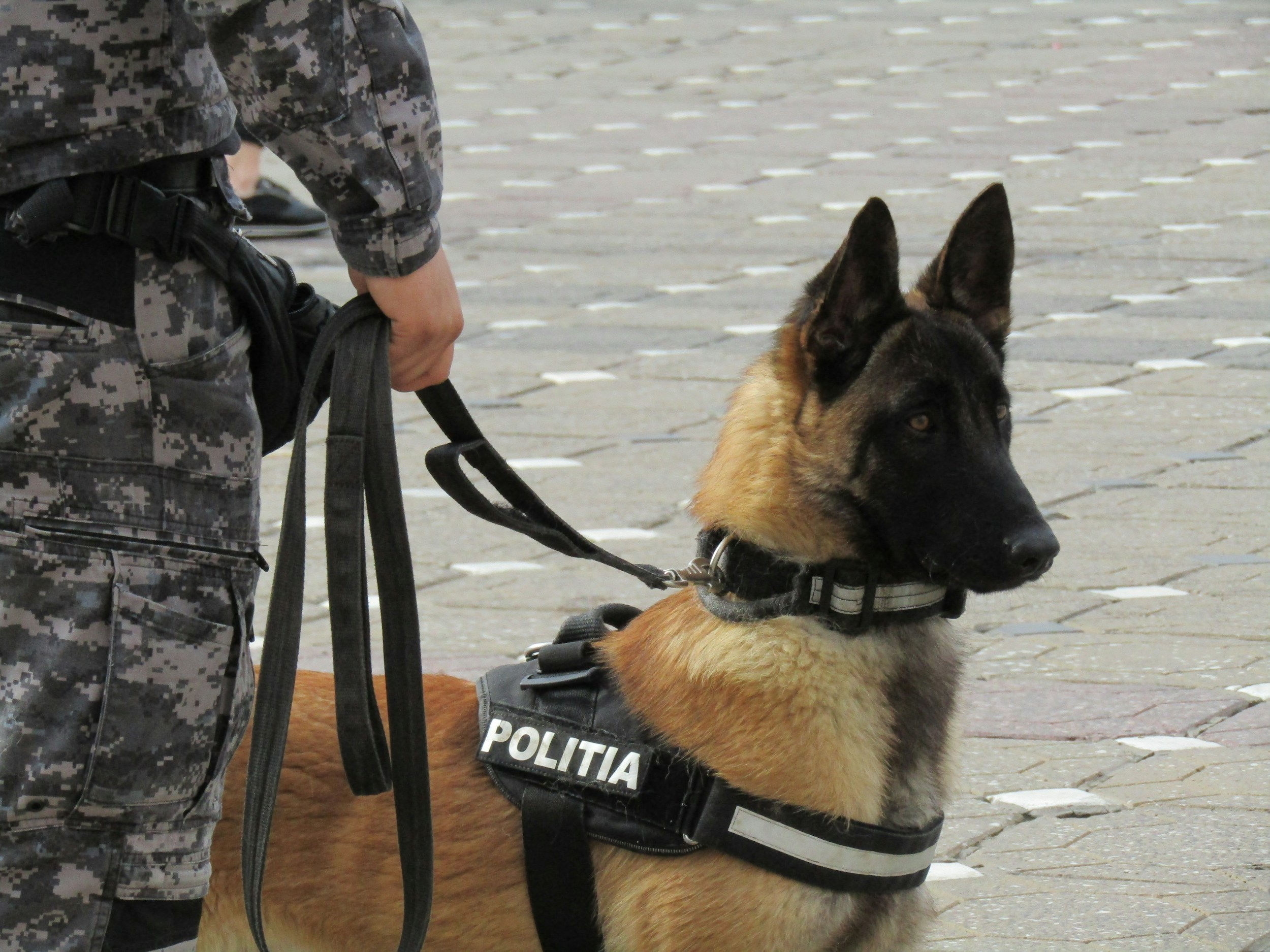
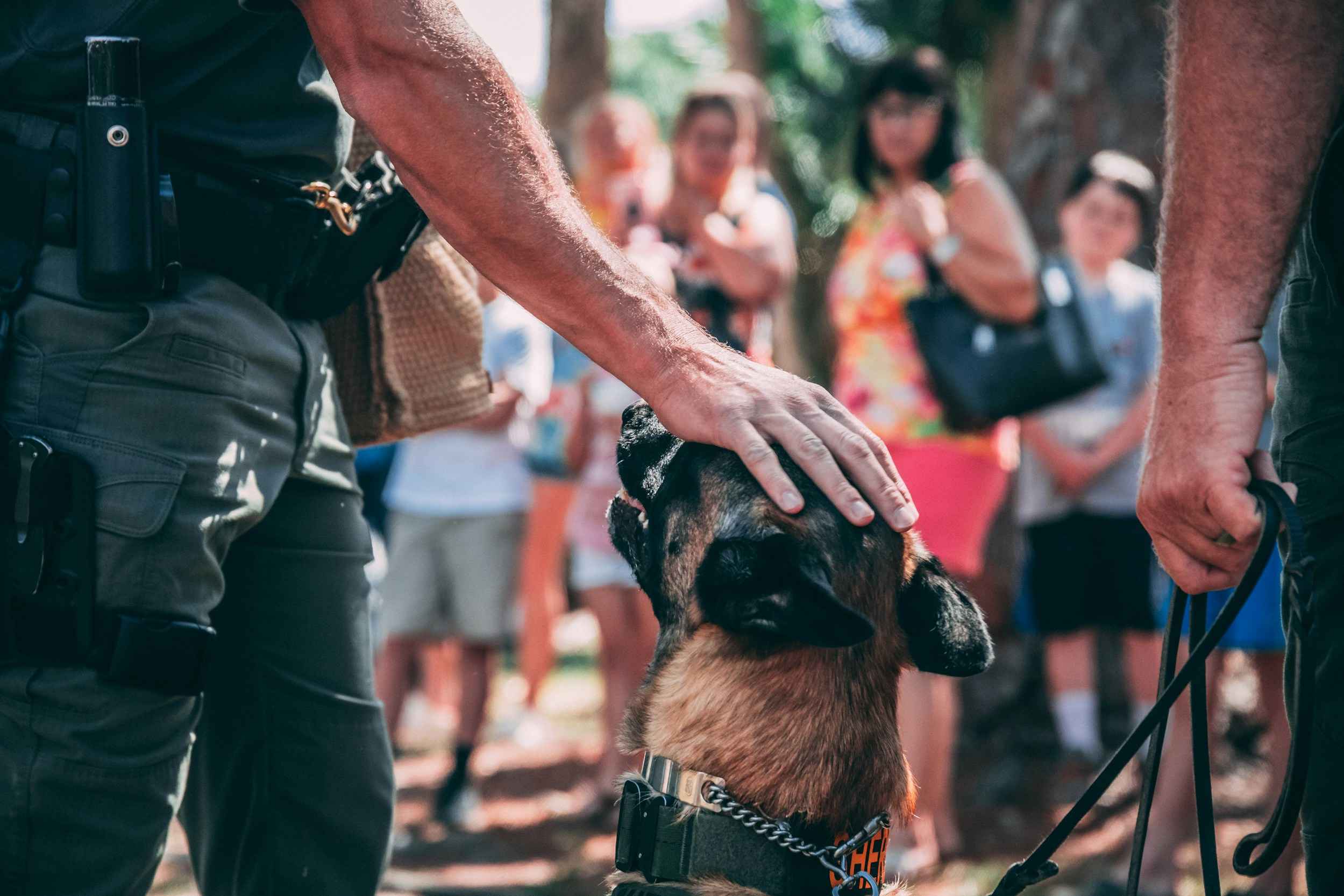
You can watch a trained security dog walk a site and feel something almost ancient in the way it works, nose lifted, eyes adjusting, ears twitching at sounds you didn’t notice. People often credit obedience or training for this focus, but the truth sits deeper. Dogs excel because of biological advantages security dogs carry by design, shaped long before cameras, radios, or alarm panels existed.  Their senses don’t just outperform ours; in many scenarios, they outperform expensive equipment too. That mix of instinct, evolved hardware, and real-time adaptability makes a dog far more than a companion on patrol. It makes the animal a sentinel born from nature’s own engineering. Why Biology Gives Dogs an Edge in Modern Security Work It’s easy to assume dogs are effective simply because they listen to commands or enjoy staying alert. Anyone who has worked with them knows it’s not that simple. Their bodies were sculpted by thousands of years of survival long before the modern world asked them to guard compounds, warehouses, or utility yards. Their lungs pull in scents the way radar sweeps a horizon. Their eyes notice flickers of motion that most guards overlook at the end of a long shift. Their hearing cuts through engines, wind, and distant metal sounds with eerie precision. These aren’t quirks. They’re sensory adaptations tuned for threat detection. When you pair those adaptations with trained behaviour, the result becomes something technology still struggles to replicate: a creature built for vigilance, pattern awareness, and fast interpretation of tiny environmental changes. That’s the biological edge at work, even before the first command is spoken. The Hidden Biological Advantages Security Dogs Depend On Look past the uniform, the harness, the badge. What makes a trained K9 so effective in high-stakes environments begins at the cellular level. The biological advantages security dogs lean on aren’t cosmetic; they’re structural. Their nasal passages form complex folds that slow and sort odour molecules. Their eyes adapt quickly to half-light, the kind that hides silhouettes or movement near fences. Their ears take in ultrasonic frequencies that humans will never detect, not because we’re inattentive, but because we can’t. Accelerated neural pathways, sharpened senses, a brain wired to process environmental data faster than we expect from an animal, this is the unseen foundation of a dog’s security performance. Think of it as nature giving them tools long before humans formalised the job. These pillars smell, have low-light vision, acoustic reach, and instinctive pattern recognition, making them ideal for sprawling depots, industrial estates, and areas where a single blind spot can cost a fortune. The Sensory Systems That Outperform Human Capabilities The Olfactory Machinery Designed for Micro-Changes A dog lives inside a different world, one made almost entirely of scent trails, shifting odours, and faint chemical signatures that float through the air. Humans, with their five million or so scent receptors, barely scratch the surface. A working dog carries up to 300 million. Imagine trying to compete with that. And behind those receptors sits an olfactory bulb forty times larger than the human equivalent, proportionally speaking. No wonder a dog can tell which direction a scent travelled or separate the smell of an intruder from fuel, grass, cold metal, and damp soil. Security teams rely on this in ways that many people don’t see. On windy nights, when a camera picks up nothing, a dog can intercept the faint scent of a person hiding behind crates. Even footprints leave volatile traces that linger longer than outsiders realise. Dogs read them like pages in a book, whose scent came first, how fast they moved, and which direction they turned. It’s micro-detail detection that technology can’t replicate yet. Vision Built for Movement and Low-Light Environments Stand in a dim yard at dawn. The light feels flat and slightly blue, shadows merging with objects. Humans squint, trying to make sense of the shapes. A dog doesn’t struggle. Its eyes are loaded with rod cells that thrive in low-light settings. Behind the retina sits the tapetum lucidum, a reflective layer that bounces light back through the eye, boosting clarity where humans see almost nothing. But the real advantage lies in how dogs perceive motion. They capture small, fast, or distant movement long before it becomes obvious to a person. For security operations across wide yards or warehouses where someone may attempt to slip through the edge of a fence line, that motion sensitivity is priceless. Their field of view is wider too, letting them pick up shifts at the periphery while continuing to track whatever sits ahead. Hearing That Captures Distant and High-Frequency Sounds If you’ve ever seen a dog pause with its ear angled toward something invisible, you’ve witnessed sensory precision in action. Dogs hear frequencies up to 45 kHz, far beyond the human limit. Metal rattling at the far end of a yard, a foot pressing gravel, a latch shifting on a gate, all of it registers long before human ears register anything notable. Dogs don’t just hear these sounds; they map them. Their ears rotate independently, giving them a triangulation ability that many people underestimate. They can pinpoint the source of a sound even when containers, machinery, or vegetation block the path. The Neurobiology Behind Threat Recognition and Rapid Response Pattern Recognition Wired Through Evolution Every site has a rhythm. Gates open at certain times. Forklifts move in predictable routes. Lights click on and off. Even wind patterns fall into a sort of cadence if you stand long enough. A dog recognises these patterns, sometimes better than the people who work there. Their brains track repetition without effort, and when something breaks the pattern, a person walking where no one should be, a piece of equipment that moved without explanation, the dog reacts. This isn’t training alone. It’s evolutionary coding. Wild ancestors survived by noticing anomalies: a broken twig, a shifted scent line, a rustle that didn’t match the wind. In security work, this natural ability becomes a silent alarm system. High Adrenal Efficiency and Controlled … Read more
How K9 Units Interpret Heat Signatures to Spot Hidden People Instantly

dog heat signature detection

Cold yards hold secrets. A warehouse after midnight looks empty, but something in the air shifts barely noticeable to us. A pocket of warmth where the wind should feel flat. A faint change in how the air rolls off a stack of pallets. The dog beside the handler reacts before a torch beam even sweeps the floor. One ear tilts, while muscles tighten. A silent message: someone’s here. This early spark is where dog heat signature detection begins. Dogs read temperature changes like stories, noticing the small distortions that give hidden people away long before technology catches up. The Science Behind Canine Thermo-Perception How a Dog’s Sensory System Responds to Heat Variations A dog’s face holds a surprisingly complex detection tool. Cold receptors along their muzzle tune into temperature contrasts with high accuracy. Not in the thermal-camera sense, more like a sharp awareness of what “shouldn’t be there.” A warm outline behind a stack of crates. A pocket of rising air where everything else feels still. In these moments, dog heat signature detection becomes the bridge between instinct and science. As heat moves, scent moves in its wake, revealing an often-overlooked advantage. Rising warmth carries microscopic particles upward. Dogs pick up the combination of the warmth, the airborne particles, and the slight tension in airflow. Their nervous system processes this flood of signals fast. One moment, the dog looks neutral, the next, the head snaps sideways because the pattern changed. Thermal Pockets, Radiant Heat, and Environmental Layers A human hides under a tarp, thinking the barrier blocks everything. It rarely does. Heat gathers in that enclosed space, creating a “thermal bubble.” It rises, pushes outward, and leaks through seams. The same happens in vehicles or dense shrubs. Heat clings, then drifts. Dogs can read these layers even when thermal cameras misinterpret reflective or insulated surfaces. Non-metallic barriers often let radiant warmth bleed through. Dogs feel that difference without trying. And because heat behaves like water pooling, drifting, spreading, dogs follow the “flow,” not the shape. That’s why they sense presence even before a handler knows where to look. Dog Heat Signature Detection What Makes Dog Heat Signature Detection Faster Than Tech? Digital thermal imaging depends on line-of-sight. Fog, smoke, and reflective surfaces interfere. Dogs don’t rely on a single channel. They merge heat awareness with scent, particles, airflow, vibrations, and even emotional cues like adrenaline leaking through skin pores. Their bodies process patterns holistically. Heat drifting upward, air pressure changing near crates, a heartbeat quickening behind a flimsy barrier. In smoky or foggy environments, where cameras struggle, dogs simply continue reading what the air tells them. It’s an old skill wrapped in modern usefulness. How K9 Units Identify Hidden People in Seconds Interpreting Heat Plumes from Still or Hidden Bodies When someone stops moving, their heat is still easy to detect. The body sends a warm plume upward, like steam from a cup left on a table. At night or in cold environments, that plume becomes obvious to a dog. Breath is another clue. In cool air, exhaled warmth drifts out in rhythmic pulses. Dogs follow these soft bursts, almost like listening for a quiet drumbeat. Stillness doesn’t matter. Warmth betrays hiding better than motion ever could. Reading Surfaces That Carry Residual Heat Concrete remembers warmth. So does metal. When someone steps across a cold floor, their footprints glow for a moment in heat if not in light. Dogs track that fading trail, judging how fresh it is by the warmth left behind. Handle a door, lean against a rail, sit on a crate; every contact leaves a small signature. It fades fast, but not fast enough to fool a working dog. The Role of Body Position, Panic Heat, and Stress Radiation When people hide, panic pushes their heart rate up. That generates more body heat. Adrenaline ramps internal temperature slightly, especially around the chest and neck. Dogs recognise this “stress heat”, it radiates sharply than natural warmth. They distinguish the calm, steady warmth of a resting human from the irregular, agitated heat of someone scared and trying not to breathe too loudly. When People Hide—How Heat Gives Them Away Instantly Heat Trapped in Enclosed or Camouflaged Spaces Under sheets, behind pallets, inside rubbish bins, and in heat pools. Anything that traps air also traps warmth. That accumulation forms a detectable outline. Dogs approach the edges first, where warm air leaks out. They read these leaks the way we read cracks of light under a door. A handler may see nothing at all, but the dog maps the shape of what’s inside, piece by piece, until the picture becomes clear. Heat Movement Through Gaps Heat is impatient. It sneaks through whatever opening it can find: a tiny tear in a tarp, a slit in a wooden pallet, a crack in a metal container. Dogs pick up the warm air escaping, combine it with scent particles, and triangulate the source. They don’t need a full plume; just a whisper of warmth is enough. How Handlers Train Dogs to Recognise Thermal Cues Conditioning Dogs to Prioritise Heat Contrasts Training starts simply. A warm object placed in a cold room. A person standing still behind a barrier. A quiet space where the only real signal is temperature. The dog learns to orient toward the warmest, most unusual point in a room. Repetition sharpens instinct. Heat-pulse drills short blasts from objects that warm and cool, teaching dogs to lock onto fast-changing thermal cues. These drills strengthen practical dog heat signature detection in real scenarios. Pairing Heat Interpretation With Scent Recognition Heat and scent travel together, but in different shapes. Trainers teach dogs to understand both. Sometimes the scent is weak, yet the heat plume is strong. Sometimes it’s the opposite. Dogs learn split-second decision-making: follow the warmth first, or the scent first. On real patrols, this matters. Sometimes a dog abandons a scent trail entirely because the heat cue is more urgent. That pivot is part of what makes them irreplaceable. Why Heat-Signature … Read more

The Incredible Way Dogs Detect Movement in Low-Visibility, High-Risk Environments

dog low visibility detection

Picture a construction site swallowed by thick fog. The floodlights flicker, then fail. CCTV turns into a grainy grey blur. Radios crackle. Somewhere beyond the fencing, something moves, but no human can say where, or what. A trained patrol dog lifts its head, listens, then walks with quiet certainty toward the threat. In moments like this, dog low-visibility detection reveals its true worth. What felt unpredictable suddenly becomes manageable, even safe. These dogs don’t rely on luck. They rely on senses sharpened by evolution, refined by training, and trusted by experienced handlers. Dog Low Visibility Detection – Nature’s Secret Advantage Humans like to believe vision is the ultimate survival tool. For dogs, it’s only the beginning. Their eyes are built for dusk, fog, shadow, and distance. A dog’s retina carries a higher concentration of rod cells, the ones responsible for detecting motion in low light. This permits them to detect minor changes that our eyes do not register. Additionally, they have a wider field of view, allowing them to scope an area more broadly without rotating their head. These roots run deep; dogs are descendants of wolves who hunted in the evening, depending on temporary motion, not defined detail. Today’s working dogs have that same biological advantage; they are designed to work in low-visibility and high-risk areas. Scent and Sound: The Multisensory Edge Sight alone doesn’t explain the full story. Dogs possess roughly 300 million scent receptors in their noses, while humans have about five million. Scent moves differently through smoke, rain and dust than light does, enabling dogs to follow intruders that can’t be detected by cameras. Hearing plays a major role, too. Dogs detect higher frequencies, softer footfalls, distant breathing, shifting fabric, or metal scraping against fencing. Handlers often say dogs “react before they know why,” because instinct processes threat cues faster than conscious reasoning. Patrol training compounds these abilities. Dogs learn to layer smell, sound, and movement into a single decision, one that often arrives before technology registers anything unusual. Movement Over Sight – How Dogs Detect Motion When Humans Can’t In near-darkness, humans scan for outlines. Dogs scan for the slightest ripple in space. Studies show they can identify motion at distances and contrasts that would feel invisible to us. They don’t need a clear silhouette. They notice rhythm, weight shift, gait, hesitation, and the difference between wind-blown debris and deliberate footsteps. Handlers frequently describe a moment on patrol when the dog stiffens, raises its ears, and stares into “empty” space. Seconds later, a person appears who security didn’t know was there. That anticipatory stillness is part instinct, part processing, part caution. It reflects an internal alert system built for survival. Case: Patrolling Power Cuts and Smoke-Filled Environments During storms, generators fail and alarms fall silent. Warehouses may fill with dust or smoke after machinery incidents. In disaster scenarios, motion sensors misfire, and heat signatures blend together. Yet trained dogs remain functional. They rely on their noses to track intruders weaving through shelving and machinery. They listen for shifting boots or rattling equipment. They interpret subtle directional cues in wind flow or vibration. In chaotic conditions, dogs don’t wait for clarity; they create it. Security professionals often report dogs locating intruders faster than handheld thermal cameras. Technology can glitch, but dogs improvise. Training K9s for High-Risk, Low-Visibility Operations Natural ability forms the foundation, and training builds discipline. K9 units begin with basic obedience, confidence-building, and scent association exercises. Over time, they’re introduced to staged low-visibility environments: These sessions teach dogs to trust their senses when visual cues disappear. Handlers learn as well as understanding body language, ear position, tension changes, breathing patterns, tail height, and searching behaviour. Communication is rarely loud or dramatic. It lives in a slight leash tension, a shoulder turn, a whispered cue. The bond between dog and handler becomes its own navigational system. Ethical and Safety Considerations K9s are not disposable security assets; they are living, feeling partners. Professional teams prioritise: Any organisation using patrol dogs has a duty of care. Their well-being determines their effectiveness and honours the trust placed in them. Technology vs. Instinct: Why K9s Outperform Sensors in Real-World Conditions Security technologies are evolving rapidly; radar, LiDAR, thermal imaging, AI surveillance analytics, and motion-triggered sensors now make up the security arsenal. Although multiple security technologies can be deployed, many have the same problem: they can be impeded by , the interference of the environment. Fog, smoke, and heavy rain each distort different detection systems. Power cuts, dense fencing, machinery, or vegetation can shut signals down entirely. Dogs approach detection differently. They don’t rely on a single input channel. They cross-reference senses in real time. They interpret intent, something technology still struggles to define. A dog can tell the difference between a wandering fox and a human trying not to be found. This doesn’t mean dogs replace technology. The most secure high-risk sites combine both. Surveillance systems provide reach, documentation, and remote monitoring. Dogs provide judgment, mobility, and instinctive threat recognition. Together, they create a layered security ecosystem stronger than either one alone. Final Thoughts – The Continuing Value of K9 Movement Detection In the security world, clarity often disappears when visibility does. Yet trained patrol dogs continue working by reading the environment through smell, sound, vibration, and motion. The resilience of dog low-visibility detection remains unmatched, especially in unpredictable, high-risk environments where a single mistake carries real consequences. As sites become larger, more complex, and more vulnerable to environmental disruption, dogs remain steady. Not because they are simple tools, but because they are adaptable, thinking partners. Any site manager working in challenging conditions should consider consulting experienced K9 teams, especially when traditional security fails to keep up with reality. Frequently Asked Questions 1. How do dogs detect movement differently from high-tech sensors in darkness? Dogs rely on scent, sound, and subtle motion, not just visual contrast, giving them an advantage when sensors lose clarity. 2. What kinds of environments pose the biggest challenge for canine patrols? Dense fog, … Read more

How Skilled Patrol Dogs Use Micro-Scents to Track Intruders Across Large Sites

On some nights, a site feels too still to be dangerous. Forklifts sit silent. Yard gates tap against the wind. Sodium lights hum over stacked pallets. Then the patrol dog beside you freezes mid-step. His ribs lift, nostrils fluttering, as if tugged by something invisible. You scan the fence line, no footprints, no broken locks, nothing worth noting. Yet he leans forward, tail rigid, already sure.  That quiet shift is often the first sign that dog micro scent tracking has picked up an intruder’s fading trail. It reminds handlers that even the smallest airborne human scent particles can rewrite the night. Understanding the Science Behind Micro-Scents What Micro-Scents Actually Consist Of Micro-scents are not floating smell clouds drifting across a site. They are microscopic human fragments, shed skin cells, sweat vapours, fibres from clothing, traces of detergents, cosmetics, or even a person’s microbial signature. Humans release tens of thousands of skin particles every minute, yet they scatter invisibly. Carried by air currents, they collide with dust, settle on steel racks, cling to concrete, or collect in sheltered pockets between buildings. These fragments form the raw material behind dog micro scent tracking, even when no physical evidence remains. How Micro-Scents Become Trackable Clues Dogs interpret these trace scent signatures with remarkable accuracy. Their olfactory system sorts airborne molecules long before a handler senses any change. In real security environments, these tiny scent particulates behave like hidden breadcrumbs pooling near machinery heat, drifting through low-pressure zones, or hanging above gravel yards where airflow slows.  Even more striking, some patrol dogs recognise odour concentrations measured in parts per trillion. So a single human fragment across an airfield still has meaning, enabling ecological scent navigation where cameras and lighting can’t. Why Large Sites Challenge Micro-Scent Tracking If microscents were stable, following them would be simple. But vast sites complicate scent behaviour. Ports, distribution hubs, airfields, and retail parks act like miniature weather systems. Air moves differently between stacked cargo, open parking bays, and corrugated steel warehouses. Diesel exhaust, chemical residues, standing water, or food waste all produce competing scent structures. Dogs must filter those ambient odours without losing the intruder’s trace-odour pursuit. Wind changes everything. A light crosswind can drag scent forty metres off the original path. Thermal lift near loading docks pushes molecules upwards at midday and drops them again after sunset. Metals reflect heat, changing how particles move over time. Sand and asphalt absorb scent differently, releasing it back into the air at unpredictable intervals. This is why experienced handlers remind new teams: dogs are not following footprints. They are mapping scent movement where it drifted, settled, swirled, separated, or stalled. Large sites turn microscents into puzzles, but well-trained patrol dogs recognise scent plume behaviour and respond accordingly. How Patrol Dogs Read Micro-Scent Plumes The Shift Into Detection Mode Dogs don’t march in straight lines like search grid diagrams suggest. Their bodies switch into detection mode long before handlers consciously notice. The sniffing cadence changes to shorter bursts and faster inhalations because the dog needs continuous sampling. A dog might sweep a Z-pattern across a yard, gathering data about whether airborne human scent particles thicken or fade. Why Dogs Follow Plume Edges, Not Centres Micro-scent plumes behave like rivers. The centre often contains older or more dispersed particles, but edges reveal motion. So dogs drift toward those edges, tracking not where scent is strongest, but where it leads. The most skilled patrol dogs prefer movement over intensity. Stereo Olfaction and Olfactory Mapping Each nostril takes in slightly different information, a feature called stereo olfaction. It lets dogs measure directional shifts in scent concentration within milliseconds. Their brain performs olfactory mapping, layering environmental scent dynamics with air pressure, temperature, and the tiny turbulence caused by passing vehicles. Handlers have described it as watching the dog draw a moving blueprint nobody else can see. Recognising “Fresh” Odour Molecules Some encounters highlight how advanced this sensing is. One late-winter shift, a patrol dog and handler were checking a logistics yard backed by woodland. The dog paused at a forklift bay, clearly detecting human odour. The scent pool was strong, almost too obvious. Instead of committing, the dog peeled left and moved toward an open storage lane. The handler followed, confused at first until the dog located a fresh supply of particles pushed under a gate by shifting wind. The intruder never stepped near that bay. The stronger scent was older, trapped in still air, while the fainter stream was new. This ability to weigh scent age gives security teams a moving timestamp. Dogs don’t just detect someone; they sense when. Working With Scent Cones and Turbulence Some dogs also respond to scent cones, triangular zones of dispersal where odour molecules spread outward from the origin. When scent collapses at crossroads or near alley-like passageways, dogs circle, reset, inhale deeper, and re-establish direction based on plume edge tracking. Watching them work reminds you that intrusion-based scent detection is both a science and a craft. The Handler’s Role Without Interfering The handler’s job is not to lead. It is to observe without bias. Experienced handlers stay behind the dog’s decision line and avoid pulling or nudging, because human assumptions often ruin ecological scent navigation. Many intruders take unpredictable paths through drainage gullies, around offices, or between stacked timber, and the dog knows this long before the flashlight catches up. A tiny head tilt, a tail flick, or a slight shift in breathing may indicate a scent plume splitting into multiple currents. The handler must be patient enough to let the dog solve the interference. Silence helps. Vocal encouragement can distract, making the dog prioritise handler expectations instead of field-validated scent tracking. Good handlers also maintain awareness of environmental scent dynamics, wind direction, machinery heat, and building layouts. They position themselves so they do not contaminate the area with their own scent, especially in tight corners. A Real-World Example of Micro-Scent Intelligence At a warehouse perimeter in the Midlands, security footage picked up nothing. No alarms triggered. … Read more

Why Trained K9 Units Sense Danger Long Before Standard Alarm Systems Activate

Anyone who has worked around trained dogs knows something simple but startling: dogs sense danger before alarms. Long before a sensor chirps or a system wakes up, a K9 unit shifts its weight, lifts its head, or stiffens its tail as if the environment whispered something only it could hear.  This article explores why that happens, not in a promotional way, but through biology, neuroscience, and the science of perception. We look at how trained K9 units detect threats earlier than standard alarm systems and why that edge remains unmatched. How Canine Biology Detects Threats Faster Than Electronic Systems 1. Biological Sensory Superiority Over Electronic Triggers The first explanation is almost unfair: biology had a head start of millions of years. A trained K9 enters a scene already armed with more than 200 million olfactory receptors, an entire landscape of scent-reading power that electronic hardware cannot rival. Humans walk through air; dogs read it. Every current, every shift in humidity, every trace of human scent rolling off moving skin becomes data. Electronic alarms wait for a beam to break or a circuit to change. Dogs, however, can detect micro-particles drifting across a quiet yard hours after the source has moved. They sense faint chemical signatures linked to stress, adrenaline, or intent, things that have no electronic equivalent. In trained K9 security teams, instinctive danger recognition is not guesswork. It’s a deep biological reflex. A dog holds an internal map of “normal” environmental scent. When something enters that shouldn’t be there, the dog registers the anomaly long before anyone else feels a change. 2. Scent-Based Detection Occurs Before Physical Movement If alarm systems waited for scent, they would react far faster, but they don’t, because they can’t. Sensors depend on movement, heat changes, or contact. Dogs depend on nothing so clumsy. When an intruder approaches a perimeter, their body sweats even if they are calm. The body warms the air around it. Stress hormones rise in pockets. Small chemicals drift, carried on barely-there currents. A dog absorbs these cues before the intruder even steps near a detection zone. This is why dogs sense danger before alarms, not because alarms are weak, but because alarms are reactive machines tied to physical thresholds. A dog senses pre-breach signals: micro-vibrations, low-frequency sounds, and scent-based detection patterns that appear before a person fully commits to their approach. There’s a moment every handler knows. The dog freezes, ears pivot, and the tail cuts a line. Nothing else seems different yet something is. Those seconds count. 3. Behavioural Threat Cues Technology Cannot Interpret Let’s step beyond scent for a moment. Even if alarms could smell and one day they might, they still cannot interpret behaviour. A trained K9 interprets micro-behaviours at a level most humans struggle to see. A slight irregularity in gait. A posture that leans forward too much. A body that tries to stay still but betrays tension through tightening shoulders. Dogs pick up these cues instantly. Security dog patrols use this information in a way no baseline sensor can. Machines read inputs. Dogs read intent. Stress pheromones, masked movement, unusual silence, these behavioural threat cues are part of a catalogue learned over years of conditioning. Technology can detect motion. Dogs detect motivation. 4. Real-Time Adaptive Threat Interpretation There’s a word we often misuse: “adaptive.” In technology, adaptive systems follow rules. In dogs, adaptation is fluid and alive. K9 response teams operate with a form of real-time decision-making that balances training and instinct. A dog scans an area in layers: These layers update constantly. If a gust of wind brings a strange scent, the dog adjusts. If a bird stirs leaves at the edge of a field, the dog filters it out. A static alarm would interpret both events the same way: as noise. Now consider the alarm system limitations. Detection zones don’t shift. Thresholds don’t adjust. Algorithms can’t differentiate between honest human movement and concealed intent. Masked movement is slow, careful, and creeping, and often slips under detection thresholds. Dogs, on the other hand, recognise the behavioural rhythm of someone trying too hard not to be noticed. 5. Dogs Combine Multiple Senses Simultaneously This may be the most understated advantage. A dog’s brain is a multisensory command centre where scent, hearing, vision, and spatial memory collide and merge. Electronic systems isolate detection: one sensor for motion, one for heat, one for audio. Dogs run everything at once. They can: This blending gives them microsecond to multi-minute advantages. Some threats are detected long before a human notices anything has changed. When people say dogs sense danger before alarms, this is the foundation. They aren’t diagnosing threats. They’re perceiving them through a sensory net that’s wide, dense, and deeply interconnected. 6. Internal Cognitive Processing in Dogs The sensory side is only half the story. Inside a dog’s mind sits a cognitive engine tuned for pattern recognition. This includes: A dog remembers the shape of a normal night. It remembers the sound of a calm footstep. It remembers the difference between a drifting scent and a fresh one. This blend of memory and instinct means early threat identification is not a mechanical action; it’s a conclusion the dog reaches through layers of interpretation. Alarm systems do not “think.” They respond. Dogs, meanwhile, interpret meaning from subtle behavioural anomalies that machines cannot even register. 7. Organic Variability Outperforms Static Electronic Systems Electronic systems are reliable until the environment shifts. Rain, fog, heat, insects, leaves, reflections, and wind all produce false positives or mask detection zones. Static thresholds struggle, and dogs thrive. Their detection sharpens under changing conditions.A thunderstorm might disrupt a sensor; it heightens a dog’s alertness.A cold night might slow a heat detector; it won’t dull a dog’s nose. Dogs adapt detection to: Organic variability gives dogs an agility no engineered system can match. 8. Early-Stage Threat Identification Before Physical Breach By now, the pattern is clear. Alarm systems detect events, such as a broken beam, a triggered sensor, or a door jarred open. But dogs … Read more

The Fascinating Science Behind How K9s Identify Threats Faster Than Humans

Dogs react to danger with a speed that often feels uncanny. Long before a human registers a change in the room, a trained K9 may shift its stance, lift its head, or track a faint disturbance that barely exists to us. This isn’t guesswork or instinct alone.  It’s a field now recognised as dog threat detection science, a discipline exploring the biological and neurological forces behind their rapid alerts. When you break it down, dogs operate inside a richer sensory world, sharper smells, deeper sound ranges, and a brain built for swift interpretation. Understanding that science reveals why they remain unmatched in early threat detection. Understanding Dog Threat Detection Science What Makes Canine Senses Fundamentally Different From Humans Dogs don’t prioritise their senses the way we do. Humans rely on sight first, while dogs rely on scent. Their world begins with smell, moves through sound, and ends with vision. That order shapes how fast they read a situation. They catch faint edges of chemical change and quiet vibrations before the human brain even starts processing. This ability comes from a long evolutionary path shaped by survival.  Wild canines needed early warning cues to avoid danger or track prey. Modern working breeds inherited that design, giving them sensory strengths humans simply don’t possess. And unlike human perception, canine sensory processing doesn’t get overwhelmed as quickly. The Biological Edge: Why Dogs Sense Danger Before We Do The Canine Olfactory Superstructure A dog’s nose is more than a nose. It’s a full-scale biological system built for threat detection. With up to 300 million scent receptors, compared to our 5–6 million, dogs operate as natural analysers. Their olfactory bulbs are much larger, allowing complex scent identification far beyond human ability. They can separate a mixed scent into parts, a process tied to K9 scent discrimination.  Their vomeronasal organ gives them a secondary channel that reads pheromones, stress chemicals, vapours from explosives, accelerants, and even hormonal changes in people. This is where the canine olfactory advantage becomes obvious; it lets them read the air as a layered and detailed map. Olfactory Memory and Pattern Retention Dogs don’t simply detect smells; they remember them. Their olfactory memory is deep, long-lasting, and surprisingly structured. This memory is central to biological threat detection in dogs. When a dog encounters a known scent signature, such as fear hormones, chemical residues, or unusual environmental compounds, it can match it to previous patterns.  Over time, this builds an internal archive, supporting rapid dog sensory mapping. A dog might remember the faint trace of an accelerant weeks after exposure. This stored memory becomes a reference system for quick comparisons, helping the dog detect anomalies faster than we process visual information. Sensory Processing Speed: Detecting Micro-Changes Before Humans Notice Acute Hearing and Vibrational Awareness Dogs hear frequencies and vibrations that fall far outside human recognition. A soft click behind a wall. A distant shift in metal tension. The light rasp of fabric as someone adjusts their stance. These sounds give dogs early clues, forming an important part of canine sensory processing.  Vibrations travel through surfaces, and dogs notice them through subtle pressure changes. Something as simple as the way air moves before a door opens can alert a dog. This sensitivity feeds their canine environmental awareness, enabling early detection in environments where silence normally hides intent. Pre-Attentive Processing: Identifying Danger Without Conscious Analysis Humans analyse before reacting. Dogs react while analysing. Their brains use pre-attentive pathways that register anomalies without requiring conscious thought. That’s why a dog’s response often feels instant. The brain catches something out of place, an odd scent layer, a quickened pulse in a nearby person, or a subtle movement pattern and triggers action.  This neuro-fast system forms the basis of canine neural response systems. It explains why dogs remain steady under pressure and why their dog’s early-warning response is so dependable. The reaction isn’t emotional. It’s built into their wiring, a biological shortcut created by evolution. Behavioural Science: How K9s Read Human Stress and Environmental Threat Signals Detecting Stress Markers and Subtle Human Cues Humans leak information when stressed. Raised cortisol, adrenaline spikes, and small behavioural tells create a pattern dogs understand better than we do. This forms a large part of behavioural detection signals in dogs. They pick up on tightened shoulders, shifting gait, or even a sudden lack of movement.  Combine that with the chemical cues floating off the skin, and you have a species uniquely capable of sensing emotional disturbance. This deep link between smell and behaviour supports their canine perception of danger, letting them catch risk in the hidden spaces between actions. Pattern Recognition and Environmental Mapping Dogs also map environments in a quiet, steady way. They study what “normal” looks like: the usual scents, common movements, familiar sounds. Over time, they build a baseline. When something shifts a new object, a changed scent trail, a strange vibration, they flag it almost immediately. This is behavioural science, not training.  Dogs rely on recognition of pattern disruption. Their canine environmental awareness works like a continuous scan, always updating. When that scan detects something off-pattern, the dog reacts. Humans often miss these small deviations entirely. Neural Efficiency: Why K9 Brains React Faster Than Human Brains Direct Fight-or-Flight Activation Humans hesitate during threat recognition. We think, evaluate, and second-guess. Dogs don’t. Their amygdala jumps straight to response. This direct pathway creates threat recognition behaviour in dogs that appears instantaneous. The reaction doesn’t need conscious approval.  A dog smells, hears, or senses something wrong, and the nervous system fires off a response. That speed is a key part of why security dogs outperform technology and humans in early threat detection. The body acts before the mind finishes interpreting the danger. High-Speed Sensory-Neural Integration A dog’s brain pulls scent, sound, and behaviour into a single stream of information. Humans treat these signals separately. This integrated approach forms the core of K9 detection biology. The dog processes changes as a whole picture, not in isolated parts. This fusion helps explain … Read more

How Expert Security Dogs Reliably Detect Hidden Intruders Using Advanced Sensory Patterns

The night felt empty. A warehouse hummed with its own small life: a fridge motor, a distant truck, the soft tick of a light. The guard relaxed, but the dog did not. It lifted its nose, then froze. The handler followed the line of its stare and found a shadow tucked behind a pallet. No movement, and no noise. Just a hidden person and a dog that had already noticed them. This is not luck. It’s a system.  Security dogs detect hidden intruders by reading thin, layered signals we barely sense. They turn tiny cues into clear leads. Strange, but true: a dog’s body is part instrument, part detective. This piece explains why, from basic biology to advanced sensory patterns that make detection reliable. Natural Instincts Behind a Dog’s Detection Abilities Dogs are built to sense what we miss. Their biology gives them an edge. Scent Sensitivity as a Biological Superpower Dogs carry a vast olfactory toolkit. They have far more scent receptors than humans. They also use the vomeronasal and Jacobson’s organ, which help process pheromones and subtle chemical cues. A patch of skin cells, a smear of sweat, a breath left in a corner: all become data. Dogs sort this data by age and strength. Fresh scent pulls them in; trace scent points to past passage. They can tell if a person passed minutes ago or hours ago. That timeline matters in security work. Low-Frequency Hearing and Vibrational Perception They hear low tones we miss. A slow footstep. The soft drag of fabric. Even the tiny thump of a person shifting weight on a crate. These are pressure waves. Dogs sense them through their ears and paws. Floors carry faint vibrations. A dog standing still can feel a change underfoot; however, that vibration often precedes sight. Environmental Mapping Through Spatial Micro-Cues Dogs also read space. Warm pockets of air rise. Cool drafts sink. Air moves weirdly around objects and bodies. Dogs detect these micro-currents and build a mental map. If the map shows a gap, a space that should be empty but is not, the dog treats that gap as suspicious. Call it “canine spatial logic.” It’s instinct, yes, but sharpened by experience. Advanced Sensory Patterns Used by Expert Security Dogs This is the heart of detection science. Trained dogs do not rely on one sense. They use patterns, stacking, weighting and predicting. Below are four layered processes they use. Each blends biology with trained routine. Layered Scent Pattern Analysis (Multi-Phase Olfactory Sequencing) Think of scent as a layered signal. There is the top layer: intense, fresh odour. Beneath that, faded traces, masked or mixed smells. Expert dogs learn to parse these layers quickly. Trainers introduce controlled “olfactory noise” cleaning agents, vehicle smells, and food, then place a human scent so the dog learns to find the target through clutter.  Dogs apply what we can call olfactory noise filtering: they dampen background scents and amplify the novel chemical signals. They also use “chemical attentional weighting.” They prioritise smells that fit the profile of a hidden intruder. Tiny eddies form around a person hiding in a corner. Air curls. Scent density shifts around the hiding spot. The dog reads that density and follows the scent vector to its source. Micro-Acoustic Pattern Recognition (Low-Energy Noise Mapping) Sound is more than volume. Dogs map micro-acoustics:  In a room, they detect acoustic shadows: areas where sounds don’t behave as expected. A person curled behind packing generates irregular micro-noise. Dogs use temporal filtering to ignore steady background rumbles and flag irregular, human-origin signals. Where scent gives a line, micro-sound provides timing. Paired, they narrow the location within seconds. This rapid pairing is why security dogs detect hidden intruders faster than a lone sensor. Environmental Distortion Detection (Airflow, Gravity, Thermal Pockets) Airflow patterns change when a body blocks, compresses or warms a channel. Dogs sense those distortions. Warmth pockets, even minute thermal gradients, alter how scent moves. A hidden person creates a micro-thermocline. Dogs do not see the warmth like a camera. They sense its effect on the air and scent.  When currents don’t match the room’s baseline, dogs call it “dissonance”, a cue to investigate. Gravity plays a role too: the weight of crates shifts slightly when someone leans on them. That shift works with airflow to produce a signature dog’s read. Cognitive Pattern Mapping and Intruder Prediction (Sensory Fusion Processing) All senses merge in the dog’s mind. Scent, sound, airflow and touch fuse into a model of the space. From that model comes a prediction. Dogs anticipate where a person might shift, how they might move to stay concealed. Trainers build this skill by repeating scenarios, then rewarding accurate predictive behaviour.  Dogs also imprint short-term scent memories. They recall a signature a few seconds or minutes later and use it to track inconsistencies over time. The result is predictive tracking: dogs do not just follow clues; they forecast likely positions and check them proactively. How These Sensory Patterns Guide Real-World Detection Patterns become actions. In the field, dogs show distinct behaviours that handlers read instantly. Silent Airflow Tracking in Enclosed Spaces In tight rooms or crawlspaces, scent and air move oddly. A dog will pause, nose low, and follow the thin waft that creeps out from under a cover. That pause is deliberate. The dog is reading the folding air. Following Scent-Inconsistency Lines A warehouse has a baseline scent: forklifts, packaging, and staff. A hidden person adds a mismatch. Dogs detect lines of inconsistency and follow them. They trace the scent like a thread. Often, that thread leads to a place you would never guess. Alert Communication Between Dog and Handler The cues are micro: a frozen stare, a slow tail stop, a subtle lean. Handlers learn each dog’s vocabulary. No loud barks needed. A tiny signal saves searches and reduces risk. Biological vs Mechanical Detection Limits Machines are precise, but they need clear inputs. Cameras need a line of sight. Thermal sensors need contrast, while motion sensors need movement. Dogs … Read more