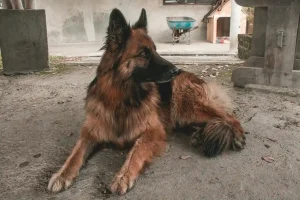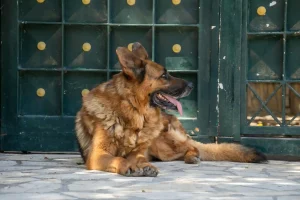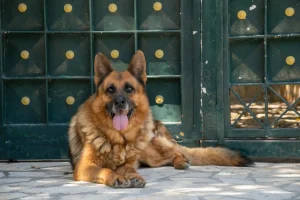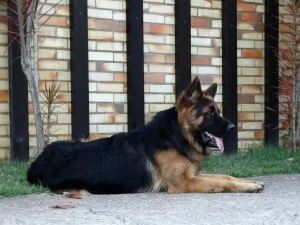
Dogs and cameras work well together to enhance the security system. One watches with instinct, and the other records with detail. When both react, the chances of missing a threat drop fast. Many CCTV teams now study dog behaviour as a live signal. This lets them treat those cues as early hints before an intruder shows on screen. It sounds simple, yet it adds a strong layer of truth-checking inside the control room. Benefits of CCTV validate dogs’ cues go well with guards and increase the protection layer of the site.
Table of Contents
Why Animal-Based Signals Matter in Modern CCTV Monitoring
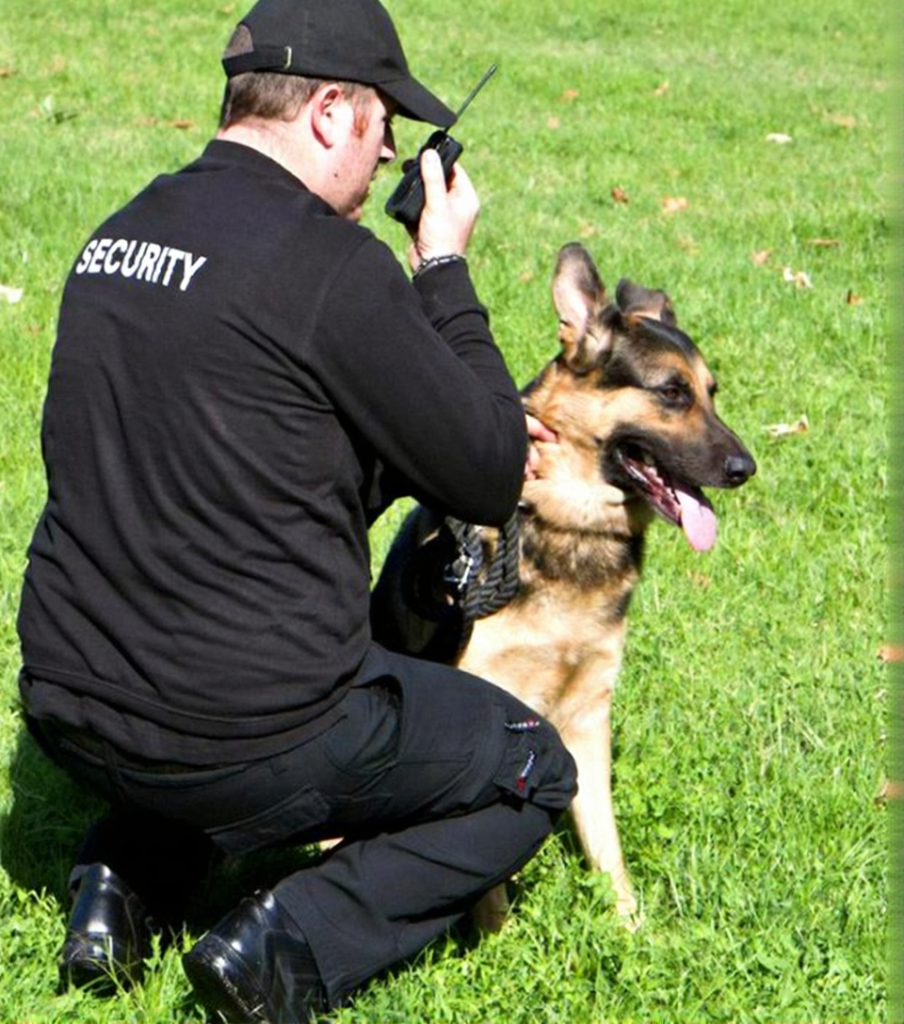
Dogs sense things people miss. Their ears twitch at faint steps. Their noses pick up scents drifting across the fence, and their posture shifts long before a camera spots movement. CCTV operators know this, and they expect dogs to notice trouble early. When the cameras activate at the same time the dog stiffens or stares at a corner, the alert becomes more reliable.
The Natural Instinct Advantage Dogs Bring Into Surveillance
A dog does not overthink. It reacts because something changes around it. A faint knock, an odd smell carried by the wind or a quiet scrape. These tiny details make the dog pause or growl. Operators draw meaning from these movements. They treat them as early flags that something ahead is not right. And guards can identify threats by CCTV validate dogs’ cues, and make quick decisions.
This level of behavioural awareness is why professional K9 dog security services are used alongside CCTV. Trained dogs provide real-time cues that help operators confirm whether a situation is developing or harmless.
Combining Digital Detection With Biological Behaviour
Cameras detect motion by patterns and pixels. Dogs react to the world in a more complete way. When both systems point to the same area, the operator gains confidence. A motion alert paired with a dog’s sudden shift in stance makes the intruder risk harder to ignore. The mix of these signs reduces guesswork.
Understanding Dog Behaviour as a Surveillance Indicator
Dogs speak without words. But you can understand through their signals, like movement, breathing, and sound. CCTV teams learn these small details. They watch for the moments when the dog changes mood.
Common Dog Responses That Suggest a Possible Intruder
Even though dogs can sense quicker than a camera, some signs can be quick, and some will be slow. A dog may freeze for a second and focus its eyes on a gap in a fence, and it also raises its head and listens to the surroundings. Sometimes it stares into the dark as though it hears something far away. Low growls, stiff legs, pacing near gates, or sharp barks carry meaning. Each signal gives the operator a clue.
How CCTV Operators Interpret The Timing of These Cues
A fast reaction after a small noise can show urgency. A delayed reaction may link to a distant smell drifting into range. Understanding it can help with CCTV validate dogs’ cues and control the site security. Dogs also have “normal” patterns with them. Some wander around the site, while some sit near their handler. When the pattern breaks, operators know something has changed and need to investigate.
When Dogs React Without Visible Threats on Camera
Sometimes nothing appears on screen, yet the dog stays alert to the site. Cameras can miss blind corners or covered areas, but dogs may react to scent or sound cues left behind. This mirrors how trained police dogs detect subtle threats, as outlined by the NPCC. Operators then widen checks to less visible spaces.
How Operators Use Behavioural Patterns for Early Threat Verification
A steady pattern over time shapes stronger judgment. Operators link reactions to moments, zones, and known site habits.
Linking Camera Zones to Dog Reaction Zones
When a dog stares at the east fence, operators check that camera first. If the dog moves toward the rear gate, they shift attention there. They map reactions to the camera layout. This helps them locate trouble in areas the cameras see poorly.
Using Sound Analysis Alongside Dog Reactions
Mics sometimes catch faint audio spikes, rustling leaves, metal tapping, and footsteps. If a dog reacts at the same time, operators take the noise more seriously. The sound supports the reaction; this makes CCTV validate dogs’ cues to find the threat and handle them.
Integrating K9 Behaviour Into Remote Monitoring Protocols
CCTV teams include dog cues in their standard process. This helps them to identify the threats and handle them sooner. They also treat each reaction as a data point to improve the future protection process.
Operator Decision Steps After a Dog Cue Is Detected
When the operator notices the dog has started to act differently than before, they check the nearest camera first. Operators do scan the full area and review previous alerts. If the signals match, they escalate to a guard or mobile unit. The steps stay simple, as the timing matters.
How K9-Based Validation Improves Guard Dispatch Accuracy
A strong cue makes dispatch faster. Operators can send guards to the right corner instead of searching the whole site. This saves time and stops threats sooner. Also, upgrading your alertness by combining a dog and CCTV can improve the protection.
Future Tech That Enhances K9-CCTV Collaboration
With the recent innovations, technology is catching up with canine instinct. More tools now study sound, timing, and movement patterns. And utilising the AI in the security support improves more than before. It helps to store the data, analyse it faster and provide reliable information to handle the situation.
AI-Enhanced Audio to Detect Bark Patterns
New systems can separate playful bark tones from serious warning barks. This helps operators filter out normal noise. Also, they can catch up to any dog alertness to prevent a threat from affecting the site.
Behaviour-Tracking Software for Kennel and Patrol Dogs
Some tools track the long-term behaviour of dogs. This lets them understand their nature and alertness to improve situational awareness. They show what is “normal” for each dog and what sudden changes stand out faster.
Conclusion
Dogs add a human-like sense to camera systems. They react fast and honestly. Their cues help operators to confirm alerts, find blind spots, and keep control rooms calm. This also acts as verification when systems trigger at random. When both camera and canine point to the same corner, the site becomes safer. The blend of instinct and technology makes a powerful team. That’s why most security systems prefer to combine a dog and a CCTV security system as CCTV validate dogs’ cues and improves the protection.
Frequently Asked Questions
1. How do CCTV validate dogs’ cues are trustworthy?
We look at how sudden the change is. If the dog shifts from calm to alert in one second, we take that cue seriously and check the area with CCTV and analyse the situation.
2. Do all dogs show the same signs when an intruder is near?
No, we notice each dog has its own style. I learn its normal habits first, then watch for breaks in that pattern.
3. Can dog reactions reduce the number of false camera alerts?
Yes, we often rely on the dog’s behaviour to filter out small movements that don’t matter.
4. What happens if the dog reacts, but the camera shows nothing?
We widen the search and check blind spots. We do listen for sound spikes to find any issues that may have arisen. Dogs often sense things early and alert their handlers sooner.
5. Is technology starting to analyse dog behaviour automatically?
Yes, we see new tools that study bark tone and movement data to help me judge cues faster.