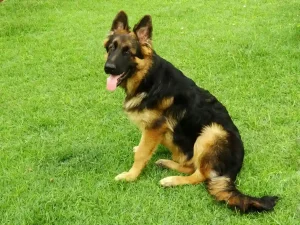
When a place faces real danger, every second feels heavier. To understand the situation, Cameras help better. But machines don’t sense fear or movement the way a living creature does. This is where trained dogs step in to handle the threat. Their instincts work in ways that camera screens never match. Many teams now mix K9 support with CCTV because the two together make a stronger, sharper system. When pressure rises, this mixed setup cuts through the noise and gives operators better clarity. That is the heart of how dogs improve CCTV accuracy when things get risky.
Table of Contents
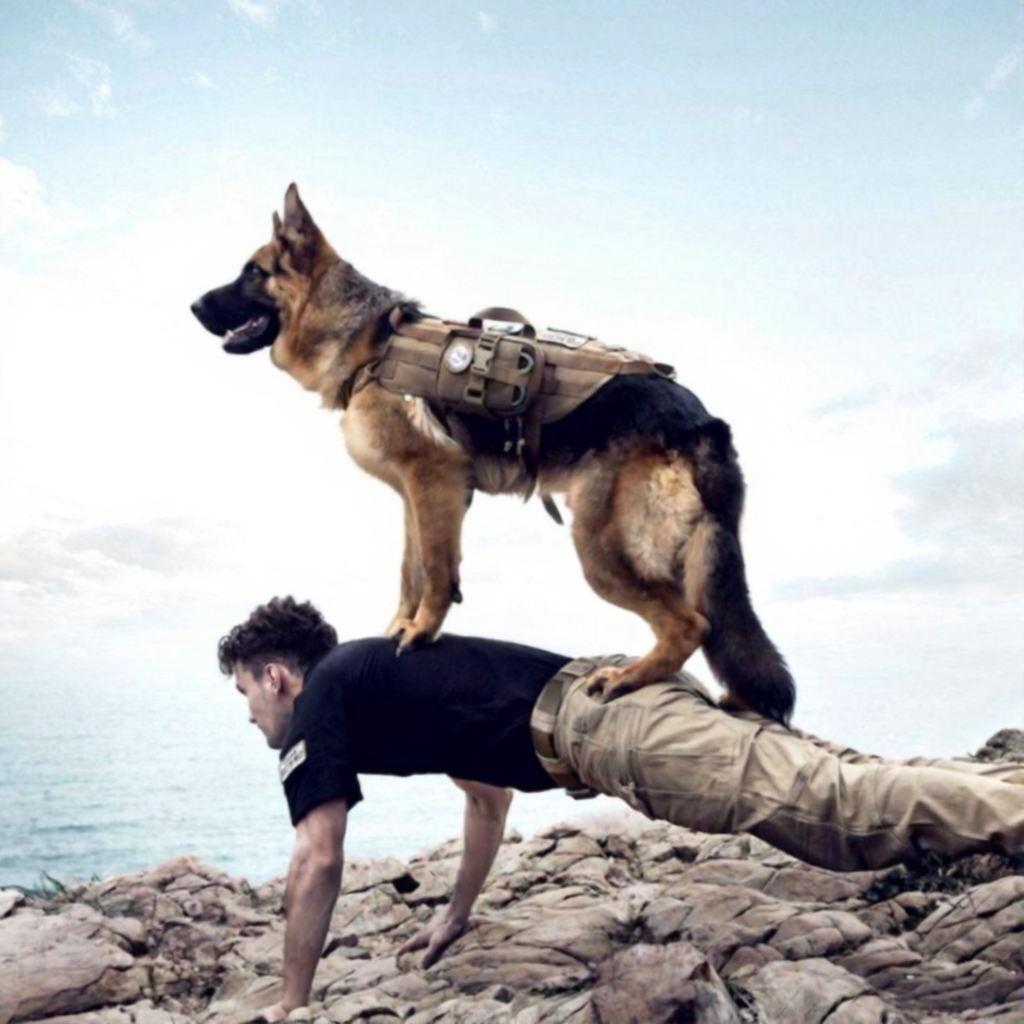
How Trained Dogs Improve CCTV Accuracy in Real High-Risk Situations
CCTV gives additional eyes around the site. In comparison, dogs give you awareness of your surroundings. When both run side by side, the control room gains an additional layer of insight to understand the situation. This makes decisions easier, faster, and more accurate.
The Sensory Advantage That CCTV Cameras Cannot Match
A dog hears the tiny scrape of a shoe long before a camera catches the movement. They pick up smells drifting through air vents, hallways, or open yards. Operators watch several screens at once, which makes them feel unsure when the footage looks unclear. But a dog on the ground reacts with certainty when something feels wrong. Their alert helps the operator look closer, zoom in, or shift cameras to the right angle. It saves time and sharpens the response to act better in a situation.
How Dogs Reduce False Positives and Missed Alerts in CCTV Rooms
Control rooms get overwhelming during long shifts with Screens blinking, and Movements overlapping. People do wander in and out commonly. It’s easy for a human to overlook the one moment that matters.
A trained dog reacts when something is genuinely unusual. They do not waste attention on harmless activity. Because of that, handlers and operators get cleaner signals. It becomes easier to tell the difference between background noise and a real threat. That small difference, in high-risk moments, has huge value.
Enhancing Threat Detection During Night-Time and Low-Visibility Events
Night footage can blur things. Also, external obstacles like rain, fog, smoke, or crowds make cameras struggle. A dog’s senses stay sharp and notice movements behind structures, under shadows, or inside blocked corners. These are the places even cameras fail to reach. When the dog shows alert behaviour, the operator knows exactly where to check. This makes low-light surveillance more accurate. This saves those extra seconds that matter during a developing incident.
Immediate Human-K9 Coordination for Faster Incident Escalation
During a high-risk event, hesitation causes problems. CCTV operators often need confirmation before escalating. When the dog responds first, the operator gets that confirmation. If a suspicious figure moves across a blind spot, the dog reacts instantly. That tells the control room the threat is real.
According to the Centre for the Protection of National Infrastructure (CPNI), layered security approaches reduce reliance on single data sources during live incidents. Independent confirmation from on-site resources helps prevent misjudgment when alerts arrive under pressure.
Operators escalate quicker. Response teams move with confidence instead of doubt. That short, simple chain makes the whole system more accurate and more effective.
Why Dogs Strengthen CCTV Systems During High-Risk Emergencies
Cameras record what the eye sees. Dogs understand the atmosphere of the moment. When emotions surge, their instincts fill the gaps left by digital tools.
Behavioural Detection That Cameras Cannot Interpret Alone
A camera shows a person walking. A dog senses tension in that walk. Subtle changes in breathing, speed, or body posture alert trained dogs even before a person makes a move. In emergencies, this intuition helps operators understand what the camera footage cannot explain. Dogs feel the things that visuals fail to show. This improves judgment during chaotic moments.
How Dogs Support CCTV Operators During Crowd Surges, Panic or Violence
Crowds move in strange patterns during panic. In this situation, the on-screen visuals look messy and confusing. At the moment, a dog on the ground can remove the tension in the air. Their presence creates order and trust among crowds. People step back and make a space to move easily. This supports the operator as they can track movement on the screens without any interruption. When the dog signals a point of danger, operators zoom in and catch details they might miss on their own.
Bridging the Gap Between Digital Evidence and Real-World Movement
CCTV shows what has already happened. Dogs sense what might happen next. This predictive instinct is what gives the combined system its edge. When a dog pauses, listens, or shifts posture, handlers know something is forming. Operators can also prepare early, adjust cameras, and follow the right zones. This creates a smoother link between video evidence and live movement.
The Growing Role of K9–Technology Integration in Modern Security
Security today blends hardware with instinct to have better protection. Teams realise that no machine matches the alert of the sense of a trained working dog. And no dog can replace the clear record of a camera. Together, they build a more reliable picture and solid security.
How K9 Units Work With Live CCTV Feeds in Modern Control Rooms
Dogs trained to respond to specific cues to help operators prioritise their screens. A sudden bark, a focused stance, or a change in breathing is enough. This tells the operator which zone might need attention. Instead of watching every corner at once, operators follow the dog’s signals and review the feed.
Pairing Canine Instinct with AI-Supported CCTV Systems
AI spots patterns after any threats appear. But dogs can sense them early. When a dog reacts before the camera picks up the threat, the AI system later learns from that moment. Over time, this improves the system’s accuracy. This upgrade in security lets dogs improve CCTV accuracy for better protection.
Why Many High-Risk Sites Prefer a Mixed Approach Over Tech-Only Security
People think twice when they see a trained dog on site. Their presence alone can lower the chance of trouble before it starts. And when incidents happen, operators receive double confirmation with the dog’s sense and the camera’s visual.
K9 security services adapt quickly to different site types, from construction zones to industrial estates. Dogs don’t rely on fixed infrastructure and remain effective even when layouts, lighting, or access routes change. This flexibility supports consistent coverage.
Conclusion
Cameras watch everything, but they still miss the small cues that shape the real danger. And dogs fill that gap with instinct, focus, and awareness that no sensor can copy. When both work together, dogs improve CCTV accuracy, and the whole system becomes sharper and quicker. Operators make decisions with more confidence because they get signals from two different sources, not just a screen.
Frequently Asked Questions
1. How exactly do dogs improve CCTV accuracy during incidents?
We use dogs to catch things cameras can’t sense. Their reactions help us to see which zone needs attention first.
2. Do dogs reduce CCTV false alarms in high-risk sites?
Yes. We get fewer false alerts. But a dog can help to filter what’s real and what’s harmless.
3. Can dogs detect threats that CCTV systems cannot pick up?
They can. We have seen dogs react to sounds, smells, and tension before anything appears on screen.
4. How do dogs and control room operators work together in real time?
We watch the screens while the dog stays alert. When the dog reacts, we check that area and guide the response team.
5. Why combine dogs with CCTV instead of upgrading cameras only?
Upgraded cameras help, but dogs give instincts no device can replace. Together, the system becomes stronger.