False alarms often drain time, money, and energy. It may end up creating doubts about the real threat alarm. Anyone who deals with CCTV knows this well. One windy night can fill a control room with alerts that lead nowhere. A shadow moves with light exposure, a small animal crosses a path, and a branch shakes can create a false alert to the team.
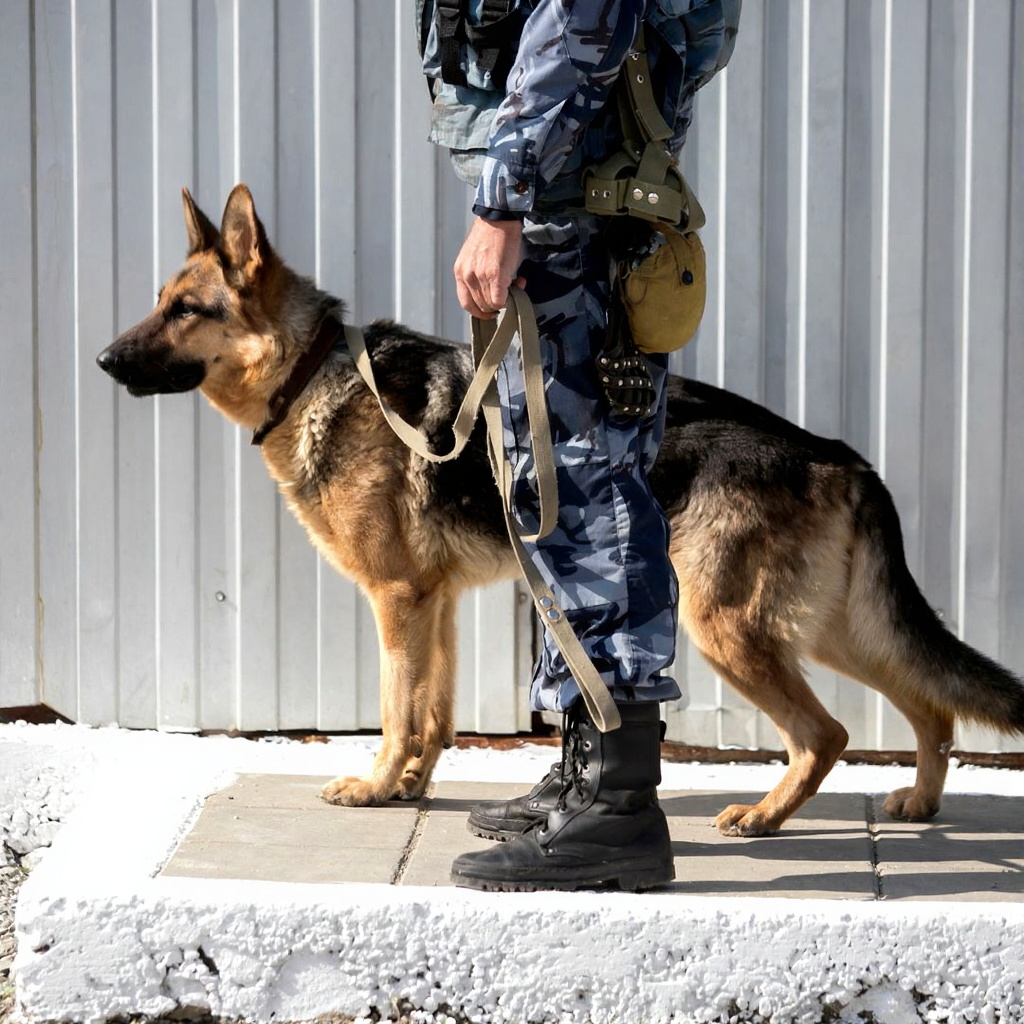
More sites now pair cameras with trained K9 patrols because the mix creates a clearer picture. A reliable system like K9 reduces false alarms of CCTV, and protection feels steady again. These two working together can give you a faster response and fewer errors.
Table of Contents
The Real Reasons CCTV Alone Creates Frequent False Alarms
CCTV is useful for watching around your site. It watches every corner and records what the human eye misses. But still, a camera reacts to motion without knowing the cause. Many alerts come from harmless changes. These affect the safety protocols continuously.
How Weather, Movement, and Shadows Trigger Unwanted Alerts
A gust of wind can shift loose items to fall. It can also affect trees to sway, and birds to land near the lens. Also, passing clouds can alter the lighting, which can affect camera visuals. This lets the system sense movement and signals an alarm. The weather never stays still, and cameras cannot ignore it.
When AI Motion Detection Misreads the Scene
Smarter CCTV systems use AI to make sense of what they see. But even AI makes mistakes in some situations. A shadow, enough to look like a person or a passing vehicle’s headlight, can distort the frame. With sudden brightness or long shadows, the algorithm is often confused. It reacts as if something serious is happening nearby. That’s why most security services use dogs as k9 reduces false alarms of CCTV alerts.
Limits of Remote Monitoring Without On-Ground Confirmation
Remote operators sit far away and judge only what the lens shows. They do not hear sounds around the camera. They do not feel ground vibrations. They cannot smell a person hiding behind containers. Without an on-ground check, they sometimes escalate alerts based only on unclear visuals.
The Core Advantage of Combining Dogs With Cameras
CCTV covers the space around your site, and K9 teams cover the meaning behind it. When both work together, the system stops wasting effort. The dog and handler confirm what the camera cannot see or sense.
K9 Patrols Help Verify Alerts in Real Time
A camera sends an alert to the operator, and instead of guessing, a K9 handler moves quickly to the area. The dog’s senses act fast and are able to identify threats more easily. If no threat exists, the team closes the alert right away. If someone is hiding, the dog reacts long before the camera spots the movement, which allows the handlers to resolve the situation. This method cuts noise and brings more accurate results.
Dogs Detect Human Intent Better Than Sensors
Dogs do not rely on sight alone. They can smell changes in the air and pick up faint footsteps. They also hear movement far from the camera’s range. A dog can sense stress, fear, or a person’s presence even in darkness. Their instincts fill gaps that machines cannot cover. A K9 reduces false alarms of CCTV units and improves the protection.
Patrol Dogs Stop Repeat False Triggers by Deterring Trespassers
A site with visible K9 patrols rarely attracts intruders. People avoid areas guarded by dogs. With fewer trespass attempts, cameras face fewer suspicious moments. The site stays calmer, and the system produces cleaner alerts.
Practical Scenarios Where K9 and CCTV Integration Works Best
Some environments suffer more from false alarms than others. These places benefit the most from the mixed security system of K9 and CCTV feeds.
Large Commercial Compounds and Open Outdoor Sites
Open areas face constant movement, which could trigger the alarm. Wind, wildlife, and debris often confuse sensors. But having a K9 patrol acts as a stable verification tool. It confirms real risks without relying on visuals alone.
Warehouses, Yards, and Construction Zones
These sites often include loose materials, machines, and strange shadows. Cameras may misread small movements and trigger an alert. In these sites, having a K9 reduces false alarms of CCTV and ensures robust security. Dogs can detect people even when objects scatter the view.
High-Value Storage Areas Needing Real-Time Verification
Locations that store costly items cannot afford repeated disruptions. False alarms waste staff hours and energy to maintain tight security around the site. K9 patrols keep the process clean, quick, and accurate.
Operational Benefits and Cost Savings From Fewer False Alarms
Reducing false alerts is not just about safety. It cuts costs and frees teams to focus on real issues. Having a reliable K9 reduces false alarms of CCTV around the site.
Lower Call-Out Fees and Fewer Emergency Escalations
Each false trigger may lead to call-outs or extra manpower. Over time, this becomes expensive. With K9 verification, unnecessary responses drop. The site spends less and works more smoothly.
More Efficient Monitoring Team Workflow
Operators stay sharp when they deal with fewer empty alerts. Their focus improves with the help of the K9 system. They get to catch genuine problems around the site faster, because their patrols will not be filled with pointless checks.
Improved Long-Term Surveillance Reliability
When a system rings too often without cause, people stop trusting it. Once K9 patrols filter the noise, the system becomes reliable again. Each alert feels real, not like another false scare.
Conclusion
A camera sees movement, and a dog senses intent. Together, they create a balanced security model. The reliable K9 reduces false alarms of CCTV with their strong sense. Pairing these two can reduce false alerts and strengthen every part of the response chain. Achieving it can make sites calmer and focused. Alerts carry real weight, and operators can waste their energy on false alarms . This combination offers a level of security neither could achieve alone.
Frequently Asked Questions
1. How do K9 patrols help reduce CCTV false alarms?
We use the dog’s senses to confirm what the camera picks up. This helps us to rule out random movement and close the alert fast.
2. Are K9 units effective during night-time CCTV monitoring?
Yes. We rely on the dog’s hearing and smell when visuals become unclear in dark zones.
3. Can dogs detect risks that cameras often miss?
They can. Our dog senses people long before the camera catches anything unusual.
4. Is it expensive to combine K9 patrols with surveillance systems?
Not much. The reduced false alarms save more money than the added patrol cost.
5. Do K9 patrols work with remote monitoring teams?
They do. We send live updates so the control room can act based on real on-site checks.