CCTV acts like a pair of eyes to watch your site. But eyes alone cannot solve the threats. They are slow when danger moves with no warning. A camera can see the moment something shifts, yet the response depends on a human who must spot the alert. They have to check the feed, think for a second about controlling the situation, and then act. In that short slice of time, trouble can slip across a fence or run deeper into a site.
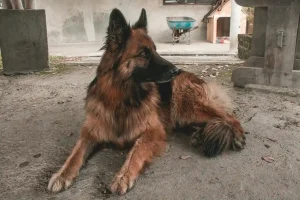
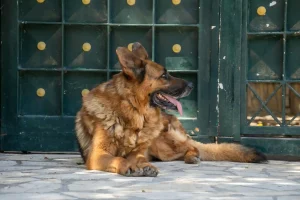
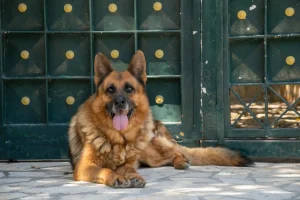
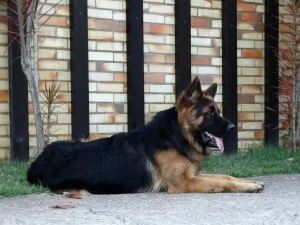
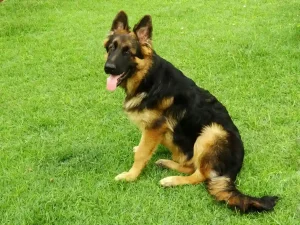
On the other hand, the security dogs do not wait and think about a detailed plan. They are trained to defend in these situations. A dog can act on instinct, but with further training, they can be controlled and be a protector. Their bodies, senses, and instincts pull them forward fast. When a CCTV alert reaches a handler, the dog is already on the move. This mix of tech and nature often beats manual operators by a wide margin.
Table of Contents

Why CCTV Alerts Need Fast and Accurate Response
CCTV feels modern and makes you feel safe with its constant watch. But the delay is what makes it a disadvantage. Only CCTV is not enough for your security protection. The operator must watch many screens at once. They have to think, adjust, and sometimes miss the moments needed to be noticed.
Research shows that CCTV can reduce crime by around 13% in areas where it’s installed, and when paired with other physical security measures, reductions can reach up to 34% but this still leaves a significant gap in active prevention.
The Delay in Human Monitoring and Manual Decision-Making
When many monitors glow in front of a person, attention spreads thin. Even trained eyes get tired and can cause you to lose some visuals. Alerts pop up in the corner, but a guard can’t ensure every pop-up because some look real and some do not. The operator must zoom in, check angles, and confirm what they see. This causes the delay in passing the order to the outer guards. Every step adds time and delays passing on the order.
By the time they speak into the radio, the threat may already have moved. A person running across a yard can cover a distance before the operator finishes their call.
How Real-Time Threats Move Faster Than Operator Action
An intruder does not wait for a human to understand a picture. They won’t move in straight lines to get them easily. They do climb, hide, or rush to the next spot. Still, a camera can capture it, but the human behind the desk still needs a moment to understand. That gap allows the intruder to escape from the space and enter the building or hide in hidden spots.
The Biological Speed Advantage of Security Dogs
Security dogs do not need to view a screen. They do not need context or time. Their bodies are tuned for motion. If their senses find anything odd inside the site, they check through the area and alert the guards. Also, they keep up to locate intruders as they stay sharp even in still silence. This speed advantage is exactly why trained K9 security teams are used on sites where response time matters more than observation alone.
Natural Sensory Power That Detects Threats Before They Are Seen
Dogs smell danger before it walks into light. They hear small sounds far away and alert the handlers. A faint footstep, a quick shift in wind, or the scent of a stranger can push them into alert mode even while the handler is still processing the message.
As for the camera, it cannot smell intruders, and it cannot track them down to the other side of a fence. But a trained dog can get the hint in a second.
How Canine Reflexes Cut Down Every Millisecond in Response Time
Dogs have no pause button in their instincts, nor do they require support to view around the site. When a handler signals towards them, they respond. When they pick up a scent trail, they follow it to find them. There is no doubt or delay in their instinct. Their reflex is immediate, sharp, and focused. Every millisecond saved will become the extra ground gained.
Why Dogs Track Movement Faster Than Human Eyes
A Dog’s mind connects scent, sound, and movement in one quick sweep. They can lock onto a direction without scanning or adjusting the way operators do with camera angles. This gives dogs an edge the moment they start moving.
How CCTV Alerts Trigger a K9 Response on the Ground
When a CCTV feed shows something off, the alert reaches the handler. The dog is ready to move long before a manual operator can leave their seat.
Dog Respond CCTV Alert – The Speed Chain From Screen to Action
Here, the primary keyword fits. When a dog respond CCTV alert, the chain feels instant. The handler gets the call. The dog, already alert and set, starts moving. It becomes one fluid reaction from screen to paws, hitting the ground.
The dog does not look for reasons. It follows trained cues that tell it where to go and what to do. This speed beats the slow process of a human operator reviewing footage or calling other staff.
Pre-Trained Route Memory Helps Dogs Reach Points Faster
Security dogs learn paths the same way people remember their home. They know the short turns, the hidden corners, and the open lanes where speed matters. This built-in map cuts down travel time.
The operator takes his time to understand the situation and orders the guards to reach the gate. In the meantime, a trained dog will already be halfway there to prevent the threat.
Why Do Dogs Chase Directly While Operators Still Analyse Footage
Operators need proof before they act. They have to verify whether it is a real threat or a false alarm. So, they do zoom in on the visuals and rewind the video to monitor closely. Then they check the angle to understand the situation and handle it. As for dogs, they won’t worry about those. They respond to the handler’s signal and move at once. This direct chase turns seconds into action instead of analysis.
Why Integrating CCTV With K9 Units Creates a Stronger Security System
CCTV provides the early signal regarding threats, while the dogs deliver the real response. When both combine and work together, the site becomes harder to breach when dog respond CCTV alert.
CCTV Provides Eyes, While Dogs Provide Action
The camera can spot something odd and notify the guard. And the dog moves straight towards the space and searches for the threat. They have nothing to wait for, and there is no long chain of decisions. This blend of tech and instinct beats both systems alone.
A Balanced Setup For High-Risk Industrial and Commercial Sites
When a site needs real protection, not just video recordings, this setup really shines here. The camera detects the threat, and the dog handles the movement. As soon as the dog gets to react, the handler can understand it well and give directions to the dog. When everything works in combination, they can achieve robust security.
Reduced False Alarms With K9 Interpretation on Arrival
Manual operators often fall into false alarms. Shadows, animals, reflections, or dust trigger alerts. But dogs can identify the difference quickly. Their nose and ears confirm if a human is there. This reduces wasted time and cuts out pointless checks.
Conclusion
CCTV is a strong tool, but it cannot move or chase the threat away. Security dogs fill that gap with raw speed, instinct, and natural sensing power. A Dog respond CCTV alert with sharp, direct, and accurate sense. The mix of tech and instinct gives sites a level of protection that simple monitoring cannot match.
Frequently Asked Questions
1. How do security dogs react so fast when a CCTV alert comes in?
They react fast because dogs don’t have to wait for long checks. Once the handlers get the signal, they will move at once.
2. Why are dogs quicker than human operators during a live threat?
They do not need to analyse a screen. They follow scent, sound, and movement right away.
3. Do CCTV-triggered dog responses reduce false alarms?
Yes, dogs can smell the difference between a human and a random shadow, so it can cut down on wrong alerts. That’s why most prefer it as dog respond CCTV alert and secures the site.
4. Can trained dogs handle intruders who move fast or hide?
Dogs can pick up the scent and track their direction, even if they try to hide or run through blind spots.
5. Is a CCTV and K9 setup better for large industrial areas?
Yes, dogs can cover long distances fast, and CCTV gives the signal that gets me started.