Some warnings never make a sound. They slip through crowded aisles, busy entrances, quiet corridors, small signals that most people walk straight past. A hand hovering too long near a pocket. A stride that slows and tightens. A face that tries too hard to hide its tension. Security dogs don’t miss these things. They read them faster than the human brain has time to label them.
This is where the science sits: dog reading suspicious behaviour relies on a mix of instinct, training, and a visual sensitivity that feels almost unnatural. Yet it is very real, and it changes how security works in places where behaviour hints at intent long before an incident takes shape.
Table of Contents
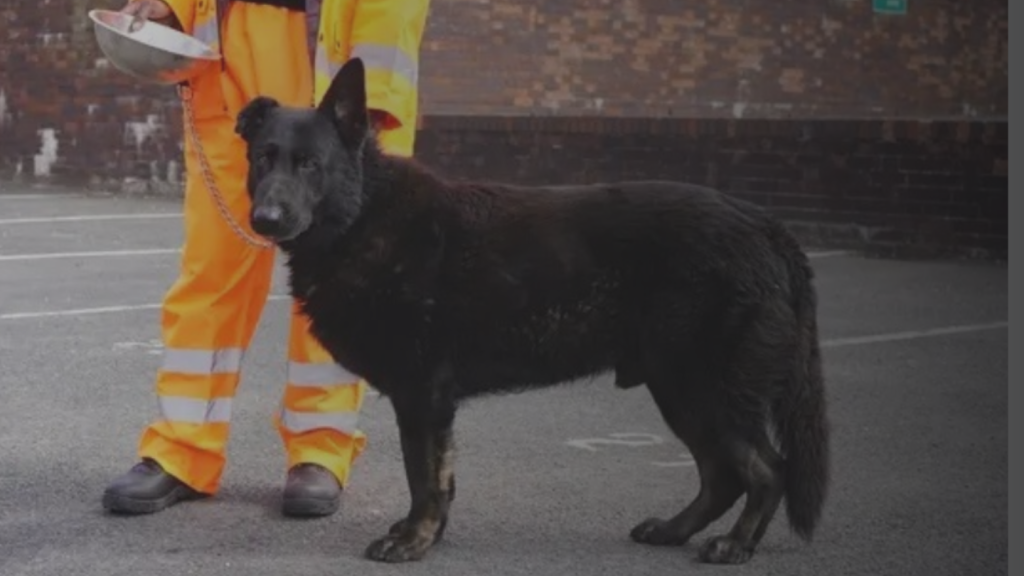
Dog Reading Suspicious Behaviour — Why Dogs React Faster Than Humans
Instinctive Pattern Recognition
Dogs evolved to watch movement. Long before they became working animals, this was a survival skill. Anything out of rhythm, a twitch, a shift, a pause, signalled danger or prey. That same instinct lives on in security dogs today.
Humans filter out micro-movements because the brain tries to simplify what it sees. Dogs don’t simplify. They track tiny changes in posture, breathing, weight distribution, and pacing. They make an instant “safe or not safe” decision because their instincts fire before thought. This foundation is why dog reading suspicious behaviour feels so fast and so precise.
Visual Processing Built for Motion
Dogs don’t need fine detail. They read motion with startling accuracy. A slight stiffening of the shoulders can mean preparation for action. A foot turning outward can signal escape. A freeze lasting half a second might reveal hesitation before an attempt at concealment.
These are signals people overlook, but dogs don’t. Their brains prioritise movement, and that is why they react faster to visual cues than they do to sound or commands.
Subtle Visual Signals Dogs Pick Up Instantly
Body Tension and Posture Shifts
A person preparing to act gives off tiny signals, but they’re there. Shoulders lift and tighten. Arms stay too close to the body. Feet angle toward exits. Security dogs link these posture changes to emotional tension. When someone is about to steal, flee, or confront, the body often reveals it a moment too early. Dogs catch the mistake.
Unusual Gait and Rhythm Changes
Normal movement flows. Suspicious behaviour doesn’t. People pacing in loops, walking the same aisle without purpose, or stopping suddenly when a guard appears, break the natural pattern of a place.
Dogs treat these disruptions as signals. The crowd has a rhythm; when one person moves against it, dogs notice. Their attention locks in long before a human observer realises something feels “off.”
Eye Behaviour and Facial Micro-Cues
A person’s eyes betray them through nervous sweeps of the room, fast checks toward cameras, and a steady fixation on the exit. Even facial tension, the tightening around the jaw or brow, can signal agitation or intent.
Security dogs read these cues even if they don’t understand the expression itself. They recognise emotional vibration through visual and sensory feedback.
Behaviour Clusters That Trigger K9 Alerts
Pre-Theft Behaviour Indicators
Most shoplifters behave differently before taking action. They check their surroundings. They avoid eye contact with staff. They linger near high-value items or slip into aisles with fewer people.
Dogs track these patterns. They pick up the rhythm of someone preparing to act, not because they understand theft, but because they sense the tension behind the behaviour.
Concealment and Evasion Signals
Adjusting a pocket, smoothing down clothing, and touching a waistband all hint at something being hidden. These are small gestures, but they often mean something is hidden or about to be. Dogs link repeated fidgeting with increased alertness.
Turning the body away from staff or cameras is another cue. Dogs interpret this as guarded behaviour, especially when combined with nervous steps or compressed breathing.
Boundary-Testing Actions
People testing limits move differently. They hover near restricted doors. Step into poorly lit corners. Stay too long near exits. Walk slowly past areas where they shouldn’t be. When behaviour “doesn’t fit” the environment, dogs feel it before humans label it.
How Dogs Combine Vision With Other Senses to Confirm Suspicion
Scent Markers That Match Behaviour Cues
When people feel fear or adrenaline, their scent changes. Dogs can detect that. The combination of a visual cue like hesitation and a sudden spike in scent markers strengthens the dog’s confidence that something is wrong.
This blending of senses makes their judgment precise. A person may hide their expression, but they can’t hide chemical signals.
Sound Patterns That Strengthen Detection
Dogs hear subtle breathing changes. The small rasp of clothing rubbing together. The shuffle of restless feet. These sounds, layered with what they see, create a full suspicion profile. A security dog doesn’t act on one clue. They act when multiple senses confirm their instinct.
Training That Sharpens Natural Behaviour Detection
Exposure Drills for Human Behaviour Types
Training scenarios expose dogs to a wide range of suspicious behaviours. Actors simulate nervousness, aggression, avoidance, and slow-building tension. Dogs learn the differences between normal stress, like someone rushing to catch a bus and harmful intent.
Crowd-Scanning and Isolation Training
Public spaces make detection harder, but trained dogs isolate a single person whose movements don’t match the crowd’s pace. This is critical in malls, transport hubs, and busy venues. They scan for a mismatch, not noise. One person out of rhythm gets their immediate attention.
Reward Conditioning to Reinforce Correct Detection
When dogs correctly identify suspicious signals, rewards are immediate. This reinforcement builds strong memory pathways. It also boosts confidence, making behaviour detection faster and more accurate in real scenarios.
Real Situations Where K9 Visual Cue Detection Prevented Escalation
Retail, Public Venues, and Transport Hubs
Dogs often notice shoplifting attempts before a person touches an item. They catch early confrontation cues, such as someone preparing to escalate an argument. Their intervention stops trouble from growing.
Industrial Sites and Perimeter Patrols
Trespassers do not move like staff. Their stride hesitates. Their path curves strangely. Dogs catch these differences even in low light. Humans may not see the face, but dogs read the signature of the movement.
Why Subtle Visual Cue Detection Makes K9 Units Vital
Security isn’t just about reacting to noise or alarms. Dogs start earlier. They see signals before an event exists. Their ability to interpret micro-movements and emotional shifts makes them natural early-warning systems.
When it comes to dog reading suspicious behaviour, the skill lies in what they notice: not the action, but the intention behind it. Humans look for events; dogs look for signals before the event happens. That difference keeps environments safer, calmer, and one step ahead of danger.
Frequently Asked Questions
1. How do security dogs spot suspicious behaviour so fast?
They read micro-movements, posture changes, and emotional tension instantly.
2. Do dogs rely only on vision?
No. They combine sight, scent, and sound for a complete picture.
3. Can dogs detect suspicious behaviour in crowds?
Yes. They isolate individuals who break the crowd’s natural flow.
4. What visual cues do dogs treat as warnings?
Tension, odd pacing, eye scanning, concealed hands, and clothing adjustments.
5. Can training improve a dog’s detection ability?
Yes. Behaviour drills and reward reinforcement sharpen accuracy.