Instinct sits at the heart of every reliable security dog. You can polish it, steady it, guide it along, yet the core of that instinct comes from somewhere older. A trained response waits for its cue. Instinct does not. That difference shapes how a team uses an instinctive protection dog today. These dogs sense tension long before anyone else notices it.
A tiny shift in mood, a breath held too long, or a change in the air tells them more than equipment ever could. In this article, we take a closer look at how instinctive behaviour works, why it evolved the way it did, and how it shapes the modern world of K9 security.
Table of Contents
Understanding Instinctive Protection Behaviour in Security Dogs
How Evolution Shapes a K9’s Protective Nature
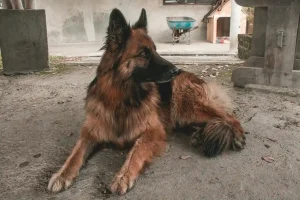
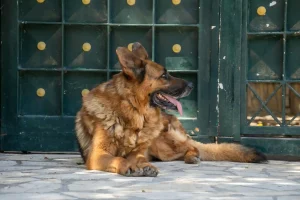
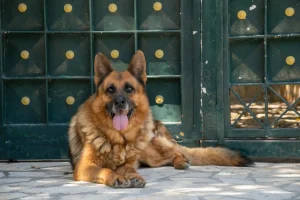
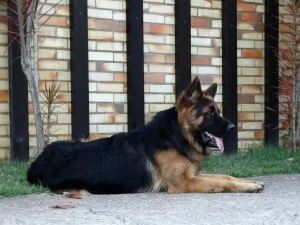
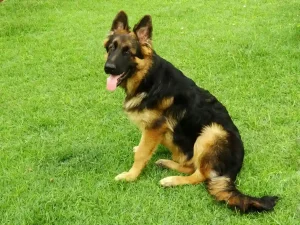
Long before leads, radios, uniforms, or training fields, dogs relied on their instincts to survive. Working breeds, especially the shepherd lines and malinois lines, didn’t gain their edge overnight. Generations of selective breeding built traits that still live in them today: awareness of territory, quick reactions, the urge to guard those they consider part of their group, and a sharp curiosity about anything that feels out of place.
These instincts are not installed through drills and are inherited. A dog pausing at the entrance of a warehouse, sampling a faint scent, or tilting its head toward a sound beneath the noise of a busy yard is responding to something older than modern security work. Evolution built that awareness, and security handlers simply learn how to work with it.
The Difference Between Instinct and Conditioned Response
Commands give structure. They help shape the dog’s reactions and allow handlers to direct energy with care. But instinct moves differently.
A conditioned response needs a cue. Instinct fires on its own. The dog notices a tremor in someone’s hand, a slight change in breathing, or a tone that doesn’t match the situation. It reacts before those signs become clear to the handler.
This speed matters. Intruders often test a site without announcing themselves. They watch, wait, measure patterns. Instinct catches those small tells. Handlers don’t try to shut that behaviour down; they guide it so the dog stays sharp yet controlled, turning natural behaviour into an asset that works in real time.
Why Modern Security Units Depend on Instinctive Protection
Real-Time Threat Detection Without Cueing
Nothing stays constant in a live security setting. While people get distracted by noise and movement, a dog maps every change.
Small signs, such as someone’s shoulders tightening, footsteps placed too softly, or a strange hesitation, can trigger an internal alert in the dog. These micro-details matter. They build a picture faster than a handler can process on their own. Instinct fills that gap.
Natural Deterrence That Reduces Risk Before Conflict
There is a different kind of power in a dog that stands calm but aware. No barking and lunging, just steady focus. For people scouting a site, that is often enough. They realise the dog is not waiting for instructions. It is already reading them.
Industrial estates, yards with blind corners, or sites with heavy movement all benefit from this silent deterrent. A dog’s posture alone changes the risk for anyone considering a breach.
In professional dog security services, this quiet awareness is valued precisely because it alters behaviour without confrontation, reducing the likelihood that a situation ever needs to be challenged directly.
Enhancing Handler Decision-Making
Handlers describe their dogs as partners, not tools. When a dog freezes for a moment or turns toward something the handler hasn’t noticed, it creates a window, sometimes only a second or two to respond correctly.
Through scenting, hearing, and constant scanning, the dog builds information the handler cannot gather alone. This early warning system helps the handler shift position, call for help, or adjust the patrol route. Instinct does the early lifting. Training helps convert that early lift into clear action.
Working With an Instinctive Protection Dog in Active Security Roles
Instinctive Behaviour in Patrol, Search, and Perimeter Work
A skilled, instinctive protection dog does not wander during patrols. It tracks patterns as it moves. It notices fresh scent trails, changes in air pressure, new disturbances in soil or gravel, and echoes that feel slightly off.
Handlers learn to read the smallest cues:
- A dog is slowing down without fear.
- A sudden stare locked on a doorway.
- A nose lifting for a quick, sharp breath.
- These signs point to something unusual, even if the handler has not yet spotted it.
Perimeter breaches often start quietly. A fence tapped. A shadow where there shouldn’t be one. Instinctive dogs catch the early signs before the situation grows into a threat.
Balancing Natural Drive With Professional Control
Instinct is powerful, but raw instinct alone can cause confusion or overreaction. That is why handlers work to shape, not stifle, natural drive.
Redirection guides the dog when interest shifts too quickly. Reinforcement builds confidence and calm. Controlled engagement ensures clear, precise reactions rather than scattered bursts of energy.
Modern K9 teams look for dogs that can think in tense moments, not dogs that react without judgment. Training sets boundaries so instinct can function smoothly inside real security environments.
The Future of K9 Security: Instinct as a Tactical Advantage
Why Instinct Will Remain Central Despite New Technology
Technology grows sharper every year. Thermal cameras, sensors with wide coverage, and AI systems that map movement patterns are all impressive and useful. But none of them read intent. They read motion.
A dog, however, senses something deeper. Fear and aggression hide in plain sight for machines, yet dogs follow the motive threaded through them. This is why instinct will always hold a place in security work, even as equipment becomes more advanced.
The continued value of instinctive response aligns with behavioural research supported by the Defence Science and Technology Laboratory, which examines how biological perception often detects risk before technological systems can interpret intent.
Training Approaches That Strengthen Natural Behaviours
Today’s training methods aim to sharpen instinct without overwhelming it. Scenario-based sessions replicate real sites, busy loading docks, dim corridors, and open fields. Dogs learn to stay level-headed even when conditions change fast.
Calm-drive work is common. Instead of encouraging explosive reactions, trainers focus on teaching dogs to hold steady until the exact moment action is needed. This produces a balanced dog: alert, ready, yet grounded.
Conclusion
Instinct drives the first layer of protection in any K9 security role. That is why a well-trained instinctive protection dog remains so valuable. These dogs sense tension, identify subtle shifts, and deter trouble before it reaches the surface.
As sites grow more complex and risks evolve, instinct stays relevant. Training sharpens it, handlers guide it, but the instinct itself is what gives K9 units their edge. And in the years ahead, that blend of natural awareness and structured skill will continue to define how security teams respond, adapt, and stay ahead of threats.
Frequently Asked Questions
1. How does instinctive protection differ from trained guarding behaviour?
Instinct appears on its own, without a command. Guarding behaviour responds to cues. Instinct often detects danger earlier.
2. Are some breeds naturally better at instinctive protection work?
Yes. Working-line shepherds and Malinois carry strong genetic roots for vigilance and drive.
3. Can instinctive behaviour be too strong or aggressive?
It can, which is why ongoing, steady training is needed to guide natural responses.
4. How do handlers control a dog’s natural protective reactions in live operations?
Through redirection, reinforcement, and controlled scenario practice.
5. Do instinctive protection dogs require more training than obedience-trained dogs?
Not more different. The goal is to shape instinct, not replace it.