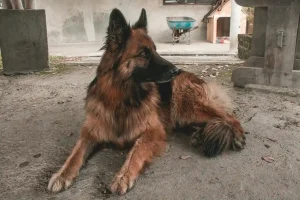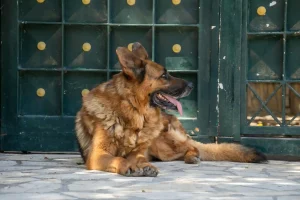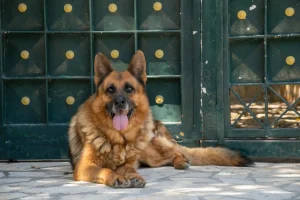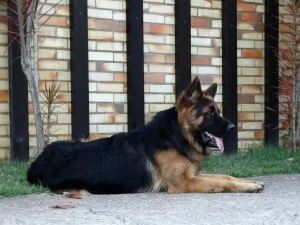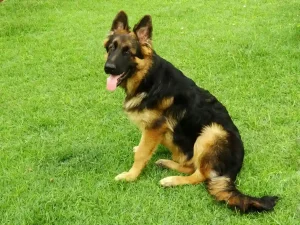
Security dogs don’t fall from the sky fully prepared to chase intruders or stand firm in front of a threat. They start life the same way every dog does: tiny, wriggling, slightly clueless. Yet somewhere in that early chaos sits the potential for a confident working partner.
Across the UK, demand for trained working dogs continues to rise. Retail parks, construction sites, warehouses, logistics yards, and public spaces rely on canine teams not only to detect threats but to stop them. The need grows because criminals adapt, and technology alone can’t sense intent the way a living creature can.
This blog follows that long and often unseen journey. It maps the real transformation puppy to security dog training, testing, refining, and eventually deployment. Along the way lies a simple truth: a pet becomes part of a family, but a working dog becomes part of a mission. A certified canine isn’t just obedient; it’s disciplined, balanced, and capable of acting under pressure while maintaining control.
Now, let’s travel that path from wobbling paws to an elite, badge-worthy security partner.
Table of Contents
Puppy to Security Dog Training: The Full Life Cycle Explained
Stage 1: Early Life Conditioning (0–8 Weeks)
Selecting the Right Breeding Lines
The journey begins long before most people ever see the dog. Credible trainers choose bloodlines with purpose. A security dog must stand up to stress, stay focused when distractions flare, and work with people rather than against them. These qualities are shaped by genetics as much as training.
Breeders look for temperament, working drive, health history, and stamina. It’s not snobbery; it’s responsibility. A dog bred for protection work isn’t simply “a dog that barks on command.” It’s a natural problem solver with nerves of steel and instincts fine-tuned for tasks humans struggle to match.
First Human Imprint
Once born, each puppy begins absorbing the world like a sponge. Short handling sessions expose them to gentle human touch. A proper trainer lets the dog hear bangs, smell engines, and stand on grass, gravel, and smooth floors.
These tiny gestures prevent fear later in life. A dog startled by everyday noises won’t handle a construction site at midnight.
Stage 2: Socialisation & Personality Development (8–16 Weeks)
Exploring New Environments
That shy, curious puppy now steps into a wider world. Trainers walk them on footpaths, through farm gates, past traffic, and around calm, trustworthy adult dogs. They learn: new doesn’t mean bad. Unusual doesn’t mean danger.
Calm exposure builds resilience, a crucial quality because no one wants a patrol dog that freezes at a rustling bin bag.
Testing Confidence & Curiosity
A playful tug rope becomes a tool. A simple puzzle feeder becomes a personality test. Here, trainers watch how each pup reacts to novelty. The confident ones lean forward. The natural workers stay engaged even when challenged.
Some don’t make it. Some pups turn out too nervous or unpredictable for security work. Finding them a pet home keeps everyone safe and happy. This period often reveals which youngsters will thrive when puppy to security dog training becomes more structured later on.
Stage 3: Foundation Skills & Pre-Training (4–12 Months)
Obedience as the Core Skill
This is the point where training gets organised, with clear commands like sit, down, stay, and heel. These aren’t tricks; they are survival behaviours in working life. Obedience teaches calmness in chaos and gives handlers control before training escalates into real work.
A young dog learns to hold position even if a stray cat streaks across its field of vision. That ability can make the difference between a professional outcome and a dangerous one.
Play Drive & Toy Motivation
Bite work doesn’t begin with aggression. It begins with a rag toy or tug line. This play turns into measured bite control clamping when instructed, releasing instantly when told to let go.
Good trainers avoid fear-based methods. A confident security dog learns to choose the correct action rather than act out of panic.
Exposure to Real-World Conditions
The dog learns to stay calm while engines rumble, forklifts beep, and radios crackle around them. Some dogs start early scent work, tiny tracking lessons, hidden inside hide-and-seek games.
This isn’t drama. It’s a rehearsal.
Stage 4: Specialised Working Dog Training (12–24 Months)
Choosing a Discipline
By now, the dog’s natural leanings show. Some become guardians, while others track suspects. A different group excels at detection, sniffing out narcotics, explosives, and even electronic devices.
Where a dog goes depends on its brain as much as its build.
Developing Advanced Skills
A guarding dog learns controlled aggression. It sprints toward an intruder but freezes the moment a handler issues the stop command. Reckless biting has no place here; precision and timing rule the day.
Detection dogs take a different path. Their world is scent maps, hidden odours, and patient searching through rooms or luggage.
Patrol dogs combine both worlds situational awareness, threat responses, and problem-solving.
Training With a Professional Handler
A key shift happens here: partnership. The dog bonds with one handler who becomes its compass. Trust deepens through repetition, praise, and predictable leadership. Commands stop sounding like orders and start functioning like instinctive conversation. Patrol dogs bring together awareness, fast reactions, and clear thinking. This makes them ideal for guarding industrial estates and active work sites.
Patrol dogs combine both worlds situational awareness, threat responses, and problem-solving. They begin to fit naturally into dog security services used by businesses and public sites across the UK.
Stage 5: Certification & Assessment (18–30 Months)
Industry Standards and Testing Bodies
Rules differ around the world for security dogs. In the UK, NASDU, BSI, and equivalent schemes lead the standard.
Every dog goes through vet checks, nerve tests, and temperament assessments. A dog must show it can work without harming itself, the handler, or an innocent bystander.
Proving Reliability Under Pressure
Certification drills simulate reality:
- Midnight patrols through silent warehouses.
- Tracking human scent across open land.
- Holding guard when a “suspect” tries to run.
The dog doesn’t earn a badge. It earns trust.
Stage 6: Deployment & Continuous Development (2–8 Years)
Working Alongside Security Officers
Now the theory becomes the job. A certified security dog steps into real assignments, often dangerous ones. It watches body language, cues off the handler’s voice, and acts as a living deterrent.
Even a silent dog projected through the dark can stop a trespasser faster than flashing lights.
Fitness, Rest & Retraining
Routine matters. Veterinary checks guard against strain. Handlers run micro-refresh sessions, bite sleeves, scent hides, and obedience drills to keep skills sharp.
Logs track behaviour, stress signs, and conditioning. Working dogs deserve the same care as any frontline professional.
What Happens After Retirement (8–10+ Years)
Rehoming & Handler Families
Most working dogs retire where their hearts are already anchored: beside their handlers. Others join families who understand their instinctual quirks. Welfare stays the priority.
Life Beyond Duty
Some retire fully, swapping guarding for snoozing. Others serve softer roles therapy visits, light training demos, and even mentoring younger dogs in kennels. There’s dignity in every chapter.
Conclusion: From Tiny Paws to Trained Protector
So the journey from puppy to security dog training isn’t a weekend course. It’s years of structure, patience, and ethical stewardship. A puppy first learns to walk on steady legs. Then it discovers confidence, obedience, purpose, and controlled response. By the time it earns certification, the playful hound you first met has grown into a trusted partner capable of defending people, property, and lives.
A security dog isn’t created in a day. It is shaped by testing, training, and people who make sure strength is balanced with obedience.
Frequently Asked Questions
1. At what age does security dog training typically start?
Imprinting begins within days of birth. Obedience develops around 8–12 weeks.
2. Do all puppies qualify as security dogs?
No. Screening removes dogs lacking nerve strength, drive, or balanced temperament.
3. What breeds are most common?
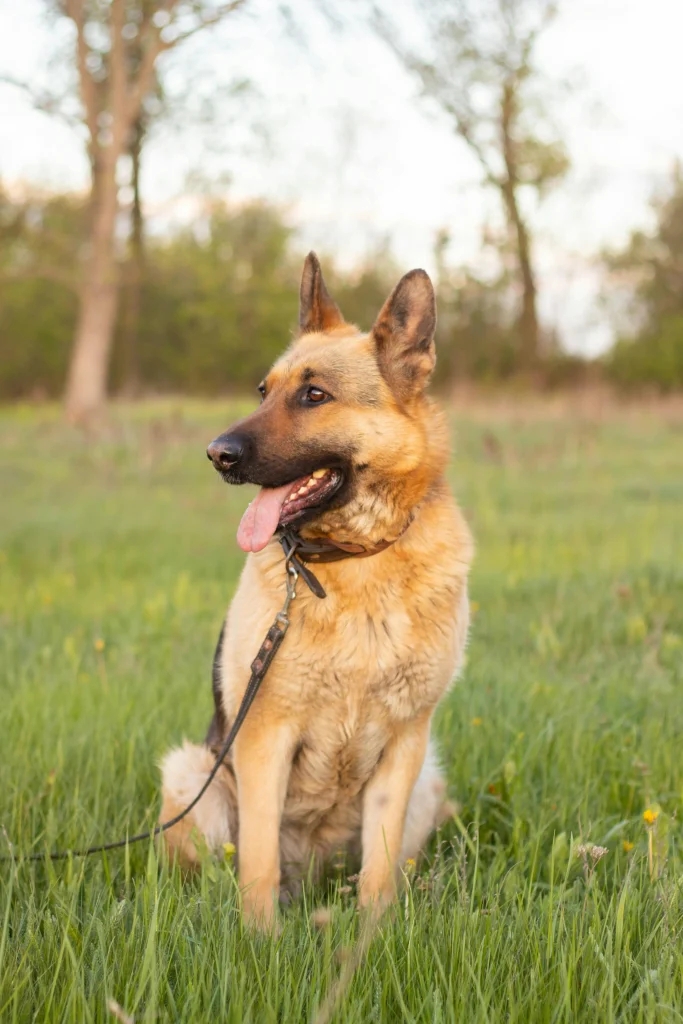
German Shepherds, Belgian Malinois, and Dutch Shepherds dominate protection roles; Spaniels excel in detection.
4. How long before a dog becomes fully certified?
Expect roughly 18–30 months, depending on speciality and maturity.
5. Can a family pet become a security dog?
Unlikely. Working dogs require genetics and early conditioning that most pets never receive.