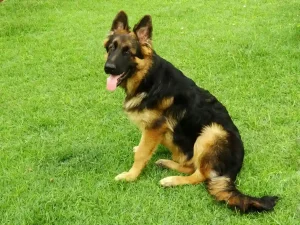
Tense moments can unfold without warning. One small moment can change the whole mood of a place. When that happens, a SIA-qualified dog handler high-tension response can steady the space before things slide out of control.
The handler watches each detail. The dog feels the change as well. Together, they guide people away from danger with calm steps and clear focus.
This blog looks at how these teams keep order when pressure rises. You will see how quick thinking, sharp awareness, and quiet control make all the difference.
Table of Contents
Understanding SIA Standards and the Role of Security Dog Handlers
What It Means to Be SIA-Qualified
Becoming an SIA-qualified handler is not a simple badge-earning step. It involves strict training that teaches handlers how to work with a dog in public spaces, manage risk, and follow safety rules.
The course covers canine behaviour, obedience control, handling skills, and how to spot threats before they grow.
Certification also brings legal duties. Handlers must follow UK security laws, meet welfare standards for their dogs, and understand how to act within the limits of reasonable force. This mix of skill and responsibility builds trust in every operation.
Security dog handlers operate under licensing and conduct requirements set by the Security Industry Authority (SIA), which defines the standards for training, legal responsibility, and professional behaviour in public-facing security roles.
Why Professional Training Matters in High-Pressure Situations
High-pressure moments demand more than instinct. Regulated training gives handlers the structure and calm needed to act fast without losing control. It teaches them to read a tense crowd, judge danger, and guide their dog with precise signals.
In security dog incident management, even a small mistake can escalate a situation. Trained handlers know how to block access, create space, or move a threat away while keeping bystanders safe.
Real incidents, such as late-night venue fights or intruder alerts on private sites, show how trained teams restore order through steady actions, clear commands, and careful teamwork between dog and handler.
SIA-Qualified Dog Handler High-Tension Response: Protocols and Psychology
How Handlers Assess Threat Levels Quickly
A skilled handler reads people and places fast. Small signs matter like a stiff walk, tight hands, a sudden shift in tone. These clues help the handler judge if someone is nervous, angry, or ready to act.
The area itself gives signals too. Loud crowds, blocked exits, or poor lighting can raise risk.
The dog adds another layer. Its senses pick up tension long before most people notice. A slight change in posture or focus from the dog can warn the handler that something is building. This teamwork helps them act before trouble grows.
Maintaining Control When Stress Levels Spike
In fast moments, calm control makes the difference. Professional canine control techniques help the handler keep clear movement and quick reaction without panic.
These techniques use short commands, steady body language, and smooth leash work to keep the dog centred.
Communication stays constant. The handler positions the dog to block space, guide people back, or hold a safe line. They stay close enough to control the dog but far enough to judge the scene.
The Role of the Dog During High-Tension Situations
The dog supports conflict resolution by creating a natural pause. Most people slow down when they see a trained security dog. This gives the handler time to guide the situation toward safety.
The dog must balance a strong presence with restraint. It acts as a deterrent, yet only steps forward when directed. This mix of calm power and controlled action helps prevent harm while keeping order.
Key Techniques Used by Handlers to Control High-Tension Incidents
K9 Handler Conflict De-Escalation Strategies
Handlers use calm voices and steady body language to lower tension. A clear, firm tone helps guide people away from rash actions.
Small steps, open hands, and slow movements show control without adding fear.
The dog’s position also matters. A handler may place the dog slightly to the side, creating space without pushing the threat into a corner. This reduces pressure and stops the situation from turning aggressive.
Professional Canine Control Techniques for Safety
Leash control keeps the dog balanced and ready. A short, steady hold helps the handler react fast without pulling or jerking.
The handler’s stance supports this: feet set, shoulders loose, eyes moving.
Spatial awareness is key. They track who is close, who is moving, and where the exits are. Under pressure, keeping the dog’s focus is vital. Quick cues, small signals, and practised routines keep the dog locked on the handler, not the chaos.
These techniques are developed and reinforced through structured deployment and real-world experience, which is why professional K9 dog security services place strong emphasis on handler control, obedience, and calm canine behaviour during high-pressure situations.
Communication and Coordination in Chaotic Environments
During high-risk security dog operations, teamwork shapes the outcome. Handlers speak with security staff, radio operators, and police to share quick updates.
Clear messages help everyone act in sync. Good coordination makes decisions faster, where to move, who to guide out, and when to step in. This tight communication reduces confusion and keeps the scene stable as the team works to restore order.
Essential SIA Dog Handler Safety Protocols
Safety Measures That Protect the Public
Public safety starts with a quick scan of the area. The handler spots tight spaces, fast-moving groups, or anyone showing stress. The dog stays under close control, so it never adds tension. It remains a tool, not a threat.
Safety Protocols for the Handler and the Dog
Both the handler and the dog need protection. Light gear, strong gloves, and safe leads help the handler stay ready.
The dog needs rest, checks on its paws, and gear that fits well. They train for sudden shifts so they can act without panic.
Documentation and Post-Incident Reporting
Each incident needs a clear record. These records explain what happened and what worked. They also help improve future training. Good reports protect the handler if questions come up later and keep the team learning.
Preparing for High-Risk Security Dog Operations
Scenario-Based Training
Handlers train through staged scenes that feel close to real life. Sudden sounds, fast steps, and unexpected turns teach them to think quickly. The dog learns to stay steady even when pressure rises. These sessions build quick reactions and trust.
Mental Readiness and Physical Conditioning
High-risk work needs a strong mind and body. Handlers build stamina to move fast without losing focus. Short mental drills help them stay aware and calm. The dog trains with its own routine, using steady workouts and obedience refreshers to keep sharp.
Equipment and Tools Used During High-Tension Responses
Tools must work the moment they are needed. Collars, harnesses, and leashes must sit right and stay secure. Muzzles add safety when tension climbs.
Radios and other communication devices keep the team linked. Good gear lets the handler act with confidence in any sudden shift.
Conclusion
SIA-qualified dog handlers bring calm to tense moments. Their skills and SIA dog handler safety protocols keep people safe when pressure rises. Training and steady judgement guide each move.
The bond between handler and dog shapes every SIA-qualified dog handler high-tension response. Together, they deliver clear, lawful action when security risks grow.
FAQs
1. What makes SIA-qualified dog handlers more effective during high-tension incidents?
They train to read people fast, spot danger early, and guide their dogs with clear control. SIA standards give them the skills to act safely when pressure rises.
2. How do security dogs help de-escalate dangerous situations?
A trained dog creates a natural pause. Its presence slows aggressive behaviour, giving the handler a chance to calm the scene.
3. Are there specific techniques used to maintain control of the dog during stressful events?
Yes. Handlers use professional canine control techniques, including steady leash work, clear commands, and controlled movement that keeps the dog focused.
4. What safety protocols do SIA dog handlers follow?
They follow rules that protect the public, care for the dog, and guide how equipment is used. They also record each incident for safety and legal clarity.
5. How often do handlers train for high-risk operational scenarios?
They train often, using staged scenarios that keep both handler and dog ready for real tension.