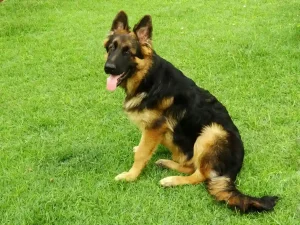
Disasters do not arrive politely. They hit hard, scatter routines, and leave people searching for help fast. In moments like that, professional K9 handlers in high-risk emergency response become essential.
Their dogs move with sharp senses, picking up hints that slip past the human eye. The handlers guide them with steady hands and quick decisions.
Together, they cut through confusion and find the people who cannot wait another minute. Their teamwork often turns fear into a chance for survival.
This blog looks at why their role matters so much when everything around them feels unpredictable.
Table of Contents
Why K9 Units Are Essential During High-Risk Situations
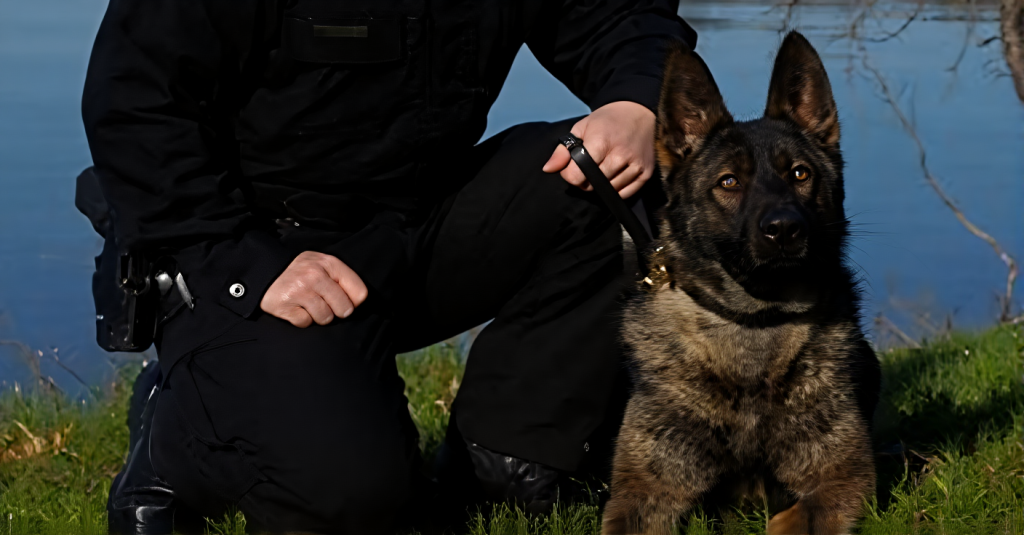
Dangerous situations often shift without warning. In those moments, K9 teams give responders an advantage that tools and tech cannot match. A dog can sweep through smoke, cluttered rooms, or uneven ground with quick, sure steps.
Their nose picks up tiny traces that guide teams toward threats or people in trouble. The handler stays close, reading each signal the dog gives. Together, they bring clarity to scenes that feel uncertain and tense.
Real-Time Decision-Making Under Pressure
A handler works in conditions where hesitation can slow the entire team. They pay attention to small changes in the dog’s movements. A sudden turn, a quicker pace, or a pause can mean something important.
These moments call for instant judgment. The handler must decide where to move, when to pull back, and how to guide the team through areas that may hide danger. Their focus helps everyone move with more purpose.
Working Dogs for High-Risk Law Enforcement Situations
K9 units stand beside officers in some of the toughest jobs. SWAT groups use them to check buildings before anyone steps inside. Bomb squads rely on dogs trained to notice dangerous materials. Rescue crews send them into areas that are too tight or unstable for people.
These skills matter during events like barricaded suspects, active shooter scenes, or collapsed buildings. In each case, the dog helps reveal what human eyes cannot see.
The Vital Role of Professional K9 Handlers in High-Risk Emergency Response
Understanding the Function of K9 Units in Critical Incident Response
When a scene becomes unpredictable, K9 units help responders find direction fast.
These teams take on many urgent tasks:
- Locating missing people
- Detecting explosives
- Tracking dangerous suspects
- Working inside disaster zones
A dog’s senses give them a major edge. They can trace light scents, notice slight movements, and pick up distant sounds that humans overlook. This sharp awareness helps crews make quicker, safer choices during tense operations.
The Skillset and Training Behind Effective Canine Teams
The strength of a K9 team comes from steady communication. Handlers guide the dog with short commands, hand cues, and calm body movement.
The dogs train in obedience, scent work, and controlled movement so they can stay focused even when the area is loud or unstable.
Handlers watch for small shifts in the dog’s posture or attention and adjust their own actions right away.
This teamwork improves accuracy, reduces confusion, and helps protect everyone involved when the situation carries real risk.
Ethical Handling and Animal Welfare
Working dogs carry a heavy load in tense scenes, so their care must remain steady and intentional. UK guidance on the welfare of working dogs highlights the importance of rest, hydration, and controlled exposure during high-stress operations.
Handlers watch how the dog moves and reacts, giving breaks when the work starts to wear them out. Quiet time, shade, and water help the dog reset after stressful pushes.
They also pay attention to the dog’s mood, easing off when signs of worry or fatigue appear. This kind of mindful care keeps the dog healthy and willing to engage.
A supported dog stays sharp, which helps every mission reach a safer, smoother end.
Tactical Advantages of K9 Integration in Crisis Operations
Tactical K9 Support for Emergency Responders
K9 teams help responders understand a scene faster. A dog can move through tight areas, dark hallways, or rough ground with steady speed, picking up details that humans often miss.
Their senses help crews spot hidden movement or unusual scents, giving everyone a clearer idea of what they’re walking into.
These teams also strengthen perimeter control. A trained dog covers ground quickly and alerts the handler when something feels off.
When clearing risky zones, the dog goes ahead to check corners, rooms, and narrow passageways. This early sweep helps responders avoid sudden threats and move with more certainty.
During large-scale or volatile incidents, K9 handlers often operate alongside teams providing manned guarding security, ensuring human judgement and canine detection work together under pressure.
Benefits of Trained K9 Teams During Crisis Events
During searches, dogs often locate people much faster than human teams. Their noses guide them through smoke, clutter, or open areas without losing the trail. That speed matters when someone needs help right away.
K9 teams also lower the risk for officers and civilians. By spotting danger earlier, they reduce the chance of responders walking into unsafe spaces. Their work helps operations stay focused and organised, which raises the odds of a successful outcome and keeps casualties down.
Future Trends in K9 Emergency Response
Technological Enhancements for K9 Teams
New technology is changing how professional K9 handlers in high-risk emergency response guide their dogs. Many units now use small cameras mounted on the dog’s vest, giving handlers a clear look into areas too tight or risky to enter.
GPS tracking keeps teams aware of the dog’s movement during wide searches or fast-changing scenes. Some groups use heat-sensing tools to spot warm bodies behind smoke, dust, or rubble.
Newer systems powered by AI can mark unusual shapes or clues that would be easy to miss in the chaos.
Handlers blend all this gear with their regular methods. They still read the dog’s signals and rely on scent work, but the added tech helps them react faster and with more certainty.
Expanding Deployment in Civilian and Disaster Scenarios
K9 teams now help in more civilian emergencies than ever before. In wildfire zones, dogs move through smoky paths to find people who cannot call out.
After earthquakes, they search broken buildings where visibility is low, and footing is unstable. They also support missing-person efforts by following scent trails across open land, forest areas, and busy public spaces.
Demand is rising for dogs trained in very specific scent roles. Some now locate chemical traces, endangered individuals, or even electronic devices buried under debris.
These new directions show how flexible and essential K9 teams are becoming in modern crisis work.
Conclusion
Professional K9 handlers play a crucial role in tough emergencies. They guide dogs that can find danger or people faster than any tool. Their training and quick judgment add a layer of safety when scenes turn chaotic.
These teams help responders move with more certainty, protect communities, and reach those who need help most. Their work often becomes the difference between confusion and real progress during high-risk operations.
FAQs
1. What makes professional K9 handlers essential in high-risk emergency situations?
They guide dogs that can find clues, danger, or people long before humans notice them, giving teams a clearer path forward.
2. How do K9 units improve critical incident response times?
Dogs search fast, follow scent trails with ease, and cover ground that would take crews much longer to check.
3. What types of emergencies typically require K9 teams?
They help during rescues, explosive searches, suspect tracking, natural disasters, and missing-person cases.
4. Are working dogs safe during dangerous operations?
Handlers protect them with training, pacing, proper gear, and close monitoring so the dog does not face unnecessary risk.
5. How do K9 handlers coordinate with other emergency responders?
They share what the dog discovers, guide teams into cleared spaces, and point out hazards that need attention.