A break-in can change a calm place into a tense one in a single beat. People look around, unsure of where the threat hides. This is the moment when trained dogs step forward.
When trouble appears, how K9 units respond to intruder threats can decide what happens next. The dogs move with sharp focus, almost quiet, yet ready to act in a blink.
Their handlers trust them to read signs people miss. This blog highlights how the K9 team reacts to intruder threats to keep danger from spreading.
Table of Contents
The Unmatched Sensory Advantage of the Working Dog
Superior Senses for Early Detection
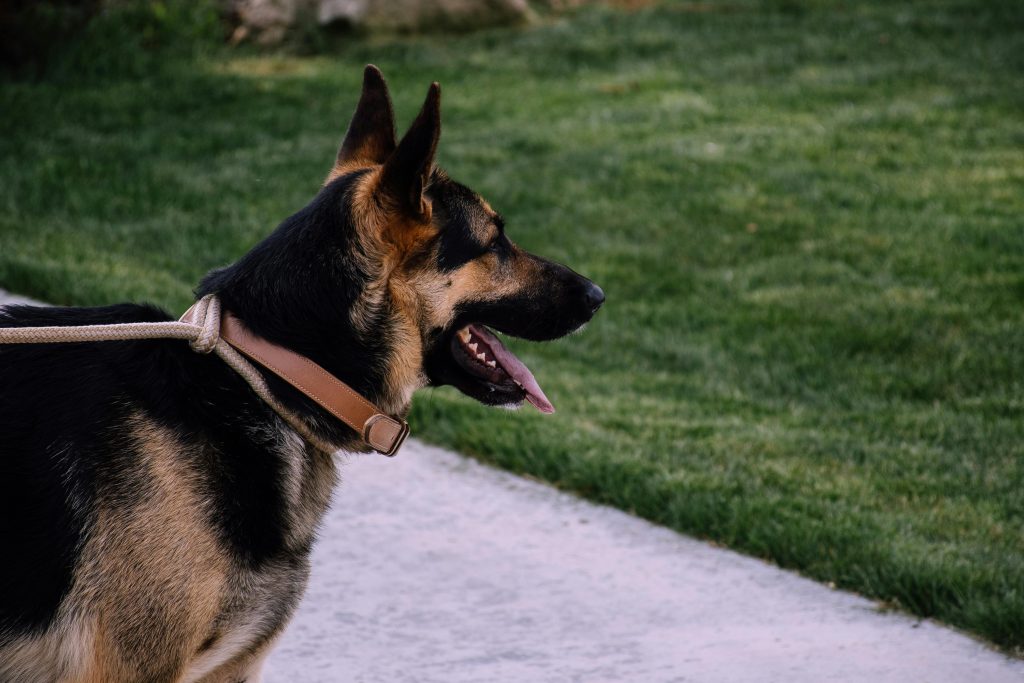
A working dog moves through a space with sharp awareness. Their sense of smell can pull a tiny trail of human scent, even when the person hides behind gear or deep in shadow.
They can notice explosives, tools, or other risky items long before people sense anything.
Their hearing gives them another edge. A soft scrape, a slow push on a door, or a distant footstep can stand out like a clear sign.
These early clues give security teams more time to react during emergency security breach procedures, when every moment matters.
Initial Threat Recognition and Alert
When a dog feels something is wrong, the change in their body is clear but calm. They may freeze for a second, stare at one point, or shift their ears toward a sound.
These small actions work as clean signals to the handler. The message is simple: pay attention, something is here. This quick alert helps guide the team before the threat grows.
During critical site incidents, how K9 units respond to intruder threats controls whether risk grows or is cut short. That shift usually happens quietly and fast.
The Handler–Canine Partnership
The link between a dog and its handler is built through trust and long practice. The handler learns how the dog moves when focused, uneasy, or sure of a target. The dog reads the handler’s tone and pace. Use and control of guard dogs is covered by the Guard Dogs Act 1975, which sets licensing and handler-control duties.
Together, they turn early signs into fast action, forming a response team that stays steady even when danger arrives without warning.
How K9 Units Respond to Intruder Threats: Deployment and Protocol
Rapid Response and Area Containment
When an intrusion is confirmed, security dog deployment protocols guide the team’s next steps. The handler moves in fast but with care, while the dog pushes ahead to read the space.
Their speed helps cover ground that would slow a human team, especially in tight halls, cluttered rooms, or dim areas where visibility drops.
The aim is to shrink the intruder’s freedom. Once a tight zone is formed, the suspect has fewer paths to slip through, and security can build a safer plan around that contained space.
The “Bark and Hold” Method (Patrol Dog Threat Assessment)
If the dog locates the intruder, the first choice is often a Bark and Hold. The dog holds its ground and uses a strong, steady bark to pin the suspect in place. No contact. No rush. Just pressure that grows with each second, the intruder hesitates.
This gives the handler room to speak commands and call for help. The intruder, caught between the noise and the dog’s stance, often stops moving long enough for officers to take control.
The Apprehension Phase (Controlled Engagement)
If the suspect refuses to stay still, tries to escape, or turns aggressive, the handler shifts to a controlled form of law enforcement canine response. The dog is sent to stop the threat with a trained grip meant to hold, not harm.
The suspect is kept on the ground until restraints can be placed, ending the encounter with the least force needed.
Controlling the Response: How K9 Units Use Measured Force
Minimising the Need for Physical Force
In many cases, the dog never needs to touch the suspect. The sight of a trained K9 stepping into view is often enough to stop someone ready to resist. That pressure, like the stare, the posture, the steady focus, pushes the intruder to freeze. This simple presence reduces the need for physical action and lowers the chance of injury for everyone involved.
The K9 on the Use-of-Force Scale
A K9 fills a space between spoken commands and higher levels of force. Through ongoing patrol dog threat assessment, the handler decides how much pressure the situation requires.
The dog can move from a warning stance to a stronger show of control without jumping straight to harmful force. This middle ground gives officers a safer path to gain compliance.
Handler Control as the Key
The dog does not act alone. Every move comes from the handler’s direction. If the suspect drops the threat or begins to cooperate, the dog must stop at once.
This tight control ensures the response stays balanced and matches the danger at hand.
Well-run dog security services treat the dog as a controlled deterrent, not an automatic response, with handler judgment guiding every stage of escalation management.
Post-Apprehension Protocols
Once the suspect is restrained, the team follows strict steps. The dog is guided back, the scene is stabilised, and officers check the suspect for injuries or shock. Medical care is provided immediately if needed.
These steps keep the process orderly and prevent the situation from rising again.
The Foundation: Rigorous Training and Certification
Intruder Detection Canine Training
A working dog starts with basic skills, but once intruder detection canine training starts, everything becomes more intense. They learn to follow commands in busy events, around sharp sounds, and on uneven ground. Each new setting teaches the dog to stay calm even when the space feels chaotic.
Scent work becomes a major part of their learning. The dog must find a single human scent amid a mix of odours. It may move through dust, metal, or open air, yet still keep that one trail. This skill is what helps them locate a hidden intruder with steady focus.
Scenario-Based Simulation
Once the dog can follow commands in daily settings, trainers push the challenge further. They set up scenes that feel close to real intruder searches, like dark rooms, narrow halls, blocked paths, and decoys that move fast or hide well.
These drills teach the dog to wait for the handler’s lead instead of reacting on instinct alone. The stress in these simulations builds confidence and control, which matters when a real threat appears without warning.
Continuous Certification and Vetting
K9 teams do not rely on old training. They must test their skills again and again through national or agency standards. These checks look at obedience, scent work, judgment, and safe handling.
Regular certification ensures the team meets legal rules while staying sharp enough for demanding security work.
Conclusion
In the end, we see how K9 units respond to intruder threats with sharp awareness and quick action. Their teamwork, training, and control bring order to tense moments. With clear guidance and strong training, these dogs turn tense moments into controlled ones, giving organisations a sharper edge and a safer path forward.
FAQs
1. What makes K9 units effective during live intruder threats?
Their sharp senses let them notice smells, sounds, and movements that people miss. This helps teams act before danger grows.
2. How do handlers control K9s during high-pressure events?
Handlers guide the dog with short commands and calm signals. Even in tense moments, the dog follows that lead.
3. Are K9 units safe to use when crowds are present?
Yes. Trained dogs stay focused around noise and movement. They respond only when directed, which keeps the crowd protected.
4. Can K9s detect hidden intruders?
Yes. They can track a person’s scent even when the intruder hides behind objects or in low light, making it harder for them to escape.
5. Do K9 units work with modern security technology?
Yes. Dogs offer close-range awareness, while tools like cameras and sensors cover wider areas. Together, they create a stronger, faster response.