Security dogs do not rush into danger. They follow trained actions that keep people safe. These security dog threat response steps help teams understand what happens when an unauthorised person appears.
A dog first reads the scene. Then it alerts its handler, holds its ground, and responds with control. Each stage has a purpose. Each move is part of a system built through hours of expert training.
In this guide, you will see how these dogs work under pressure and why their methods matter in real security work.
Table of Contents
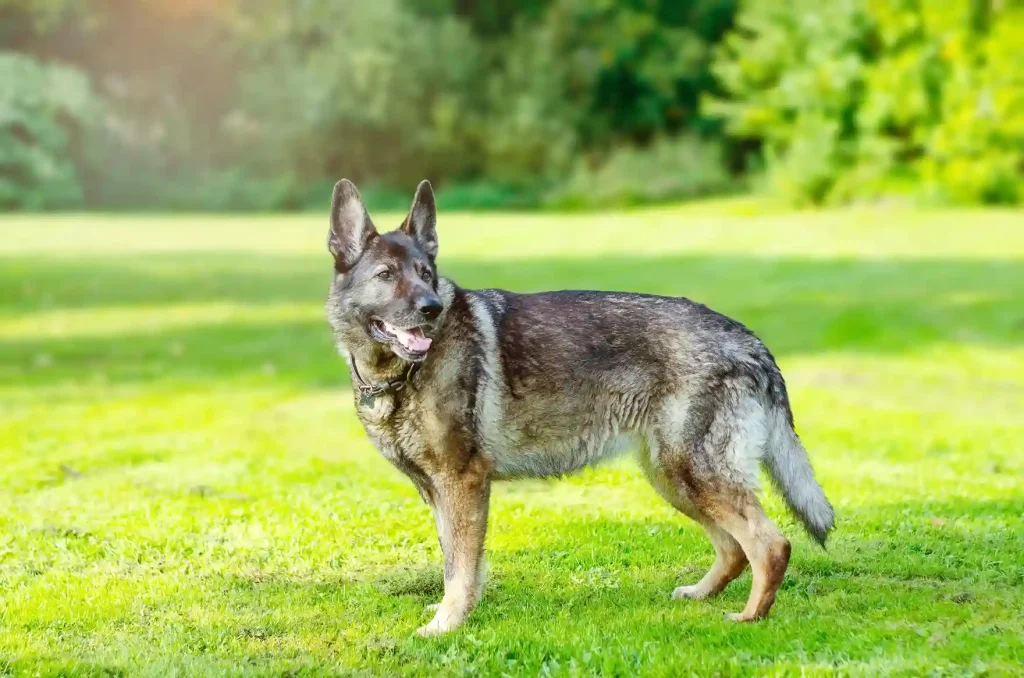
The Security Dog Threat Response Steps: From Detection to Engagement
While each unit has its own style, the flow from detection to engagement is usually built on the same structure. These steps guide safe, controlled action and help handlers avoid unnecessary force.
Step 1: Initial Detection and Alert Signal
A trained security dog often notices danger long before a person sees or hears anything. Their senses pick up scent trails, soft movement, and faint sounds that would never register to a human.
Action: You may see small shifts in trained security dog behaviour during threats. The ears lift. The body goes strong. The dog may point its nose toward the source or give a low rumble that signals rising concern.
Communication: At this early stage, the dog uses a non-aggressive alert. This may be a short bark, a focused stare, or a subtle push toward the handler. It signals a change in the environment, not a call for engagement.
Step 2: Assessment and Command Confirmation
After detection, the dog begins a fast threat scan. It studies movement, tone, distance, and intent. Is the unknown person walking away? Staying still? Acting bold or nervous?
Role of the Handler: The handler checks the dog’s signal and issues the first spoken challenge to the person. This command helps confirm intent before any escalation.
Action: The dog shifts into a controlled stance, blocking access if needed. This moment is where dog security services show their real value, using discipline instead of force to manage rising tension.
Step 3: Deterrence and Escalated Response
Most confrontations stop here. The dog’s posture is often more powerful than any physical action.
Action: The dog stands tall, giving a strong warning bark and holding a guarding position. It is ready, but does not make contact.
Result: Many guard dog actions when detecting unauthorised persons end before engagement. Presence, sound, and posture shift the intruder’s decision. The goal is always to de-escalate without force.
Step 4: Controlled Intervention (Only if Escalation Continues)
If the intruder ignores commands or becomes hostile, the dog moves into a controlled intervention mode. This is not an attack driven by instinct, but a measured response shaped by strict training.
Action: The dog may advance a few steps, circle to limit escape routes, or position itself to shield the handler. Every movement is guided by control. The dog waits for a clear, final command before taking more decisive action.
Handler Role: The handler keeps communication steady, giving short commands that shape speed, posture, and distance. This coordination prevents mistakes and protects everyone nearby.
Step 5: Resolution and Stand-Down
Once the handler gains compliance or the threat ends, the dog must return to a calm, manageable state.
Action: The dog steps back, lowers its posture, and watches for any last change in behaviour. The focus shifts from control to containment, ensuring no sudden movement reignites risk.
Purpose: This step highlights the dog’s discipline. A good security dog knows when to hold pressure and when to release it, keeping the scene stable until support arrives or the handler confirms safety.
Advanced Canine Security Protocols for Intruder Situations
When an intruder refuses to follow clear commands, security dogs undergo more advanced training. These advanced steps help teams stay in control during moments that can shift with little warning. The aim is to manage the threat in a safe, calm way while protecting everyone on-site.
Controlled Containment and Holding
Many real incidents end through containment rather than force. The goal is simple: stop the person from moving without causing injury.
Technique: The handler directs the dog to hold a fixed position that limits the intruder’s movement. The dog may block a doorway, guide the person toward a safer area, or stand firm to prevent escape.
Focus: The dog must respond the instant the handler calls it back. This sharp control is what keeps the situation steady and prevents actions that go too far.
The Defensive Engagement (The Bite)
A bite is only used when the risk becomes direct, and no other method will work.
Technique: The dog targets safe areas like an arm or leg. These points stop the person without threatening life or causing deep harm.
Crucial Step: Release must happen the moment the handler gives the command. This fast break is a key part of professional K9 handling procedures in emergencies, and it proves the dog is acting under skill, not fear.
Post-Incident Protocol and Debriefing
Once the threat ends, the dog must settle quickly.
Action: The handler recalls the dog, brings it into a calm state, and secures it away from the scene.
Follow-Up: A full report is made. The dog receives a health check and rests before its next task. This review protects the dog’s well-being and keeps the team ready for future calls.
Distinguishing Trained Response from Aggression
People often see a security dog react to a threat and assume it is acting out of anger. This is not true. A trained dog follows a learned response, not a feeling. Its behaviour is shaped by long practice, close guidance, and a strong bond with the handler. The result is control, not uncontrolled force.
The Psychology of the Working Dog
A working dog learns through reward and routine. When a threat appears, the dog does not slip into rage. It switches into a mode it has rehearsed many times. It reads the handler’s voice, watches the person in front of it, and waits for the next cue.
The dog’s “drive” comes from purpose, not hostility. This mindset keeps it steady even when the scene feels tense.
Legal and Ethical Considerations
Security dogs work under strict and clear rules. These guidelines explain when the dog may be used, how much pressure is allowed, and what must be recorded after the event. This protects both the public and the team. See the Guards Dog Act 1975 for legal requirements.
Handlers are trained to judge risk with care. They must choose the least forceful option and call the dog back the moment the threat ends.
Dogs also learn how to stop fast, step back, and stay controlled. These ethical habits are part of every stage of training and deployment. They ensure safety remains the priority, not the dog’s power.
Conclusion
K9 teams follow clear security dog threat response steps, shaped by steady training and strict control. Their actions are planned, not emotional. When paired with a skilled handler, they form a strong and trusted layer of protection.
How do you see their role in today’s security work? Share your thoughts or explore more of our safety insights.
Frequently Asked Questions
1. Do security dogs bite first, or do they give a warning?
They give a warning. A security dog follows steps that start with alert signals, posture shifts, and a strong bark. A bite happens only when no safer option remains.
2. How long does it take for a dog to be fully trained for security threat response?
Most dogs train for several months. They learn control, focus, and response drills, with advanced teams training for up to a year.
3. What is the difference between an attack dog and a professional security dog?
An attack dog acts on aggression. A professional security dog works under strict rules, handler control, and legal limits.
4. Are security dogs trained to respond differently to a silent intruder versus a vocal one?
Yes. This is part of how protection dogs assess and respond to danger, reading intent through movement and behaviour.
5. If a security dog is commanded to bite, will it immediately stop and release on command?
Yes. Fast release is required under professional K9 handling procedures in emergencies.