Car parks turn into different places after dark. A lot of things that seem familiar during the day could very quickly turn into something different when shops close, offices empty, and fewer people are around. Cars are left without anyone attending to them. Spots go quiet. Usually, little pieces of vandalism are the first that happen and then the behaviour becomes more daring once the offenders see nobody is watching them.
Most sites rely on passive controls. Lighting, warning signs, and static CCTV are common. They help, but only to a point. They observe more than they prevent. That gap is where problems grow.
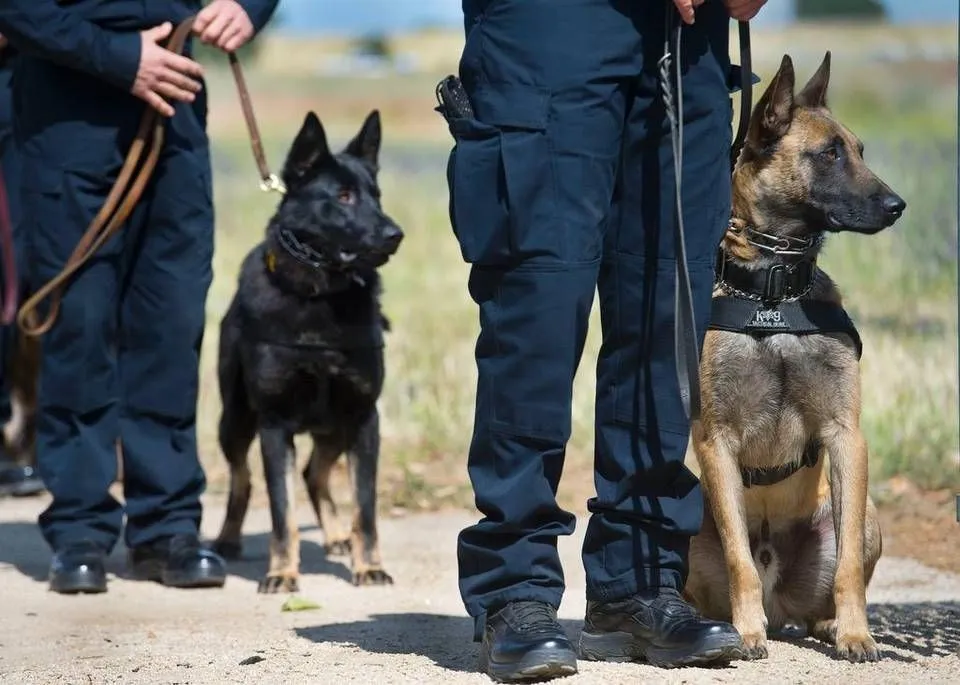
This is why many operators now look beyond fixed systems. Patrol-based security introduces uncertainty, and uncertainty changes behaviour. When people know they may be seen, challenged, or intercepted, decisions shift. In this context, it becomes clear how dog reduce car park vandalism not through force, but through presence. Used properly, security dogs act as a preventative layer, addressing risk before damage or confrontation takes place.
Table of Contents
Patterns Behind After-Hours Car Park Crime
Why Car Parks Become Targets After Closing Time
After-hours environments share the same weaknesses. Reduced foot traffic removes natural witnesses. Quiet periods become predictable, especially in retail and office locations. Natural surveillance drops off quickly once businesses close.
Offenders notice this pattern. The perception of low intervention risk matters more than actual security measures. If a space feels unmanaged, it becomes attractive. Even small gaps in oversight invite testing behaviour, which can escalate when nothing interrupts it.
Car parks also provide easy exits. Multiple access points allow offenders to move in and out quickly, increasing confidence during quiet hours.
Common Forms of Vandalism and Criminal Behaviour
The behaviour itself follows familiar paths. Vehicles are scratched or damaged. Windows are smashed. Graffiti appears on walls, payment machines, or signage. Break-ins target visible items left inside cars.
Anti-social behaviour often overlaps. Groups loiter, drink, or gather without challenge. Left unchecked, this can escalate into more serious offences. The key pattern is progression. When nothing intervenes early, behaviour intensifies.
Why Static Security Measures Often Fall Short at Night
The Limits of Cameras and Lighting Alone
Cameras document events. They do not interrupt them. Lighting can deter some activity, but it also creates shadows and blind spots. Both rely on response after the fact.
At night, response times stretch. Alerts may not be reviewed immediately. By the time action is taken, damage is done. Offenders understand this delay and work within it.
Criminal Adaptation to Predictable Security
Predictability is a weakness. Offenders learn camera angles. They cover faces. They time actions between known patrol gaps or during periods when no patrol exists at all.
Once security becomes routine, it stops influencing behaviour. The space feels manageable again. This is where static systems struggle, and why mobile, unpredictable deterrence becomes necessary.
The Reduction of Car Park Vandalism and After-Hours Criminal Behaviour Using Security Dogs
The Psychological Deterrent Effect of Security Dogs
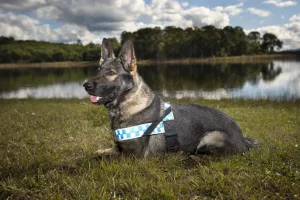
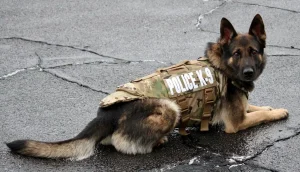
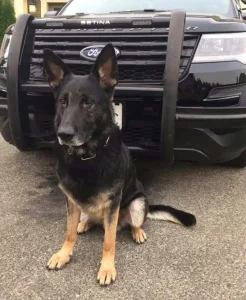
Security dogs change how people think about risk. A camera may be ignored. A sign can be dismissed. A visible canine patrol triggers a different response.
There is uncertainty. People cannot predict how close the patrol is or when it will appear. The fear is not just of being seen, but of being confronted immediately. This psychological effect is why dog reduce car park vandalism more effectively than passive measures alone.
Importantly, the deterrent works without interaction. Most incidents never happen because the decision is stopped before action begins.
Unpredictable Patrol Movement and Crime Disruption
Dogs don’t move on fixed routes like cameras. Patrol paths shift, timing changes, and routes adapt to what’s happening on the ground.
This removes “safe windows.” Offenders cannot rely on knowing when an area is unmonitored. That unpredictability increases perceived risk, which discourages lingering, testing behaviour.
Over time, the environment itself changes. The car park feels active again, even when quiet.
Scent Detection and Early Threat Awareness
Dogs sense presence before it becomes visible. Human scent lingers. Movement behind structures, vehicles, or in low light is detected early.
This matters. Early awareness allows handlers to intervene before damage occurs. A person hiding, loitering, or preparing to act is identified long before CCTV would flag unusual movement.
This early stage intervention is a key reason dog reduce car park vandalism consistently in after-hours settings.
Real-Time Intervention During After-Hours Incidents
When something does happen, response speed matters. A handler and dog already on patrol can address issues immediately. There is no waiting for remote monitoring or external response.
Immediate authority presence often ends situations quickly. People move on, behaviour stops, and incidents never reach the point of damage or confrontation. This shifts security from documentation to prevention, which is where the real value lies.
How K9 Patrols Change Repeat-Offender Behaviour
Repeat offenders are pattern-driven. When a location becomes unpredictable, they move on. Car parks protected by canine patrols are avoided in favour of easier targets.
This displacement effect is local but powerful. Over time, previously targeted sites experience fewer repeat incidents. The space regains stability without constant escalation.
Again, this reinforces how dog reduce car park vandalism through behavioural change, not constant enforcement.
Integration with Human Handlers and Patrol Strategy
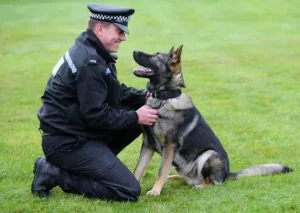
Dogs do not operate alone. The handler’s judgment matters just as much. Low-light decision-making, communication, and situational awareness all work together. When canine teams are deployed professionally, training follows recognised government frameworks. One example is the National Canine Training & Accreditation Scheme for private security teams. This ensures both dogs and handlers meet clear operational and welfare standards, not just informal experience.
Dogs extend human capability. They improve detection range, speed up assessment, and provide authority without physical confrontation. When deployed professionally through structured dog security services, this integration creates consistent, controlled outcomes rather than reactive force.
Car Parks That Benefit Most from K9 Security
Commercial and Retail Car Parks
These sites empty quickly after closing, and staff head home. Vehicles are left behind, creating dense targets during quiet hours.
Residential and Mixed-Use Parking Areas
Low-level vandalism tends to repeat in these areas. Even minor incidents unsettle residents, but regular patrols shift that feeling.
Remote or Poorly Lit Parking Facilities
Industrial estates, transport-adjacent areas, and out-of-town locations lack natural surveillance. K9 patrols restore oversight where infrastructure falls short.
Operational Advantages Beyond Crime Reduction
Faster Incident Resolution
On-site patrols resolve issues as they emerge. There is no delay between detection and response.
Reduced Repair and Maintenance Costs
Fewer incidents mean less damage. Over time, repair costs drop and operational disruption decreases.
Increased Perceived Safety for Legitimate Users
People feel safer using well-managed spaces. Staff confidence improves. Public reassurance grows without heavy-handed control.
Conclusion
Car parks do not become risky by accident. Risk grows when spaces feel unmanaged and unpredictable. Addressing that requires more than observation.
Security dogs introduce movement, awareness, and immediate authority. They interrupt patterns before damage occurs and reshape how offenders assess risk. In this way, dog reduce car park vandalism by preventing escalation rather than reacting to it.
When deployed correctly, canine patrols protect vehicles, reduce after-hours criminal behaviour, and restore a sense of control to spaces that otherwise feel forgotten at night.
Frequently Asked Questions
1. How do security dogs deter vandalism in car parks at night?
Their visible presence and unpredictable movement increase perceived risk, discouraging offenders before damage occurs.
2. Are security dogs effective in open-access car parks?
Yes. Open access increases vulnerability, which makes patrol-based deterrence especially effective.
3. Can K9 patrols operate without disturbing nearby residents?
Professional handlers manage patrol routes and control dogs carefully to minimise disruption.
4. Do security dogs replace cameras and alarms?
No. They complement existing systems by adding real-time intervention and deterrence.
5. How quickly do crime patterns change after K9 deployment?
Behaviour often shifts quickly as offenders avoid locations that feel actively managed.