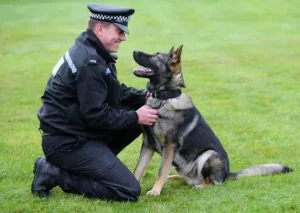
Working security dogs do not experience “normal” workdays. Their shifts are unpredictable. Calm can turn to chaos overnight. As sound builds, people move differently, and conditions change without warning, the dog never disengages.
That level of demand does not leave visible marks straight away. Fatigue builds quietly. Stress settles in before anyone names it. That is why it is not enough for welfare oversight to be based on trust, experience, or good intentions. Such factors are important, but they cannot be regarded as proof.
This is where working dog welfare reporting sits. Not as a preference. Not as a courtesy. As a formal, recorded system that tracks how the dog is coping with the work it is asked to do.
It applies across all sectors using dog security services, regardless of size or complexity. When done correctly, welfare reporting safeguards the animal, helps the handler, and protects the organisation which is responsible for both. More and more, it is being seen as the minimum standard of compliance, not a voluntary addition.
Table of Contents
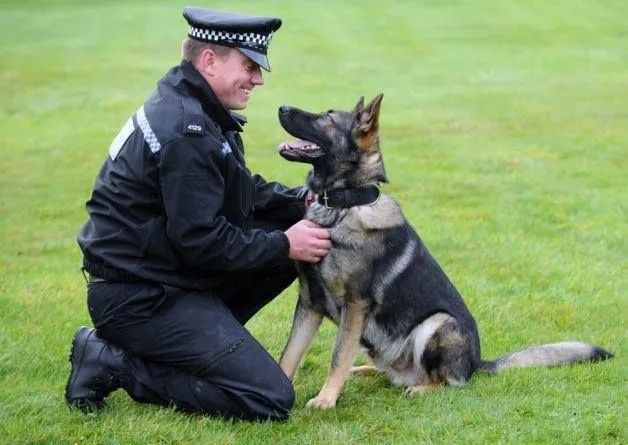
What Welfare Reporting Means in Working Security Dog Operations
Welfare reporting in operational settings is often misunderstood. It is not about creating paperwork for its own sake. It is about capturing reality over time.
Welfare Reporting Vs General Animal Care Records
General care records tend to focus on routine needs such as
- Feeding
- Exercise
- Kennelling
- Health checks.
They are useful but static. Welfare reporting is dynamic. It links the condition to the workload. It records how the dog responds to real deployments, not just how it looks at rest. In working environments, that difference matters. The job itself creates strain. Reporting is how that strain is tracked.
Why Working Dogs Are Treated Differently From Domestic Animals
Domestic dogs live in predictable spaces; however, working dogs do not. They encounter stress, repetition, noise, pressure, and risk as part of their role.
Because of that, welfare cannot be assumed from appearances alone. A dog can look fit and still be overloaded. Active monitoring exists to catch what casual observation misses.
Why Welfare Reporting Is Mandatory, Not Optional
Working Dogs Are Deployed Assets, Not Passive Animals
A working security dog is not simply present on site. It is engaged, moving, responding, and processing. The work demands physical output and sustained focus.
Performance changes before welfare issues become visible. Reaction times slow, decision-making shifts, and reduced safety margins follow.
Working dog welfare reporting creates a link between what the dog is asked to do and how it handles that demand. Without records, decline happens quietly. Not because people are careless, but because gradual change is hard to notice without evidence.
Reporting turns that invisible process into something measurable.
Welfare Reporting Protects Dogs from Overuse and Burnout
Burnout rarely arrives suddenly in pieces. A dog takes longer to settle after a shift. Recovery stretches. Engagement dips in certain environments.
These signals are easy to dismiss when schedules are full, and sites still need coverage. Welfare reporting slows that drift. It forces reflection. It makes small patterns harder to ignore.
Once written down, trends become visible. Certain sites create more strain. Certain shift lengths push recovery too far. Intervention can happen earlier, before strain becomes injury or withdrawal.
This is not about limiting capability. It is about protecting it.
Mandatory Reporting Reduces Legal, Ethical, and Reputational Risk
When incidents occur, documentation matters. Verbal assurances fade, memories conflict, and intentions cannot be verified.
Welfare reporting provides evidence of the duty of care. It shows that well-being was monitored, reviewed, and acted on. It demonstrates that decisions were informed by recorded observation, not hindsight.
Across industries using working animals, scrutiny is increasing. Clients ask questions, and regulators expect proof. Working dog welfare reporting answers those expectations without defensiveness. It shows that welfare is built into operations, not added later.
Reputational damage often begins with missing records, not misconduct.
Handler Accountability Depends on Recorded Welfare Evidence
Handlers operate in real time. They judge fatigue, assess risk, decide when to continue and when to stop.
Without records, those decisions can be questioned unfairly after the fact. Welfare reporting provides context. It explains what the handler saw and why a choice was made.
It also improves communication. Supervisors gain insight into daily realities. Clients receive transparency without micromanagement. Accountability becomes shared rather than isolated. In this way, reporting protects people as much as dogs.
Welfare Reporting Ensures Consistency Across Multi-Site Operations
Informal systems struggle as operations grow. What works on one site rarely scales cleanly to ten.
Standardised welfare reporting creates continuity. A dog’s condition does not reset with a new shift, handler, or location. Records travel with the animal, and patterns remain visible.
For organisations expanding dog security services, this consistency prevents silent drift. Welfare standards stay aligned across contracts, not diluted by circumstance.
What Proper Welfare Reporting Must Capture
Effective welfare reporting is selective, not excessive. It focuses on information that shows how work impacts the dog over time. The DEFRA Code of Practice for the Welfare of Dogs explicitly defines welfare as including mental wellbeing and environmental factors. That definition aligns directly with your reporting argument.
Physical Condition and Recovery Indicators
Fitness levels, minor injuries, and recovery speed provide insight into whether the body is coping. One note means little; patterns matter.
Behavioural and Psychological Observations
Stress responses, engagement levels, and behavioural changes often appear before physical issues. Recording them adds the depth that numbers alone cannot provide.
Environmental and Deployment Conditions
Heat, surface type, noise, shift length, and exposure all shape welfare outcomes. Context gives meaning to observation.
Consequences of Poor or Missing Welfare Reporting
Without reporting, decline becomes normalised. Dogs push past safe limits, handlers absorb pressure, and small issues grow quietly.
On an organisational scale, lack of evidence leads to an expanding risk. As insurers raise doubts about the exposure, contracts undergo scrutiny, and the absence of proof causes credibility to disappear.
Poor welfare reporting rarely causes problems directly. It leaves organisations unable to show they prevented them.
How Welfare Reporting Supports Sustainable K9 Operations
Continuity is the key to sustainability. Through welfare reporting, longer service life is facilitated by providing the necessary workload, balancing, employee rotation, and recovery guidance.
It informs retirement decisions with evidence rather than urgency. It aligns welfare with operational output instead of placing them in conflict. When used properly, working dog welfare reporting functions as an operational control. It is not a cost, but a stabilising mechanism.
Conclusion
Welfare reporting has moved beyond best practice. It is now a mandatory safeguard within professional K9 operations.
Seen clearly, working dog welfare reporting is not about forms. It is about foresight, turns strain into data, and replaces assumptions with records.
Among those companies that utilise dog security services, there is a growing trend of being evaluated based on documented welfare standards rather than verbal reassurances. As the bar rises, welfare reporting is going to be the means by which responsible, compliant operations are identified throughout the sector.
Frequently Asked Questions
1. Why is welfare reporting required for working security dogs?
Because sustained operational demands require documented oversight, not informal assurance.
2. Who maintains the welfare reports handler or operator?
Handlers record observations; operators oversee, review, and ensure compliance.
3. Does welfare reporting apply to short-term deployments?
Yes. Welfare impact accumulates regardless of deployment length.
4. How does welfare reporting protect security companies legally?
It provides evidence of duty of care during audits, disputes, or investigations.
5. Can poor welfare reporting affect contracts?
Yes. Clients increasingly expect documented welfare standards.