Hotels are peculiar spaces. Anyone can walk through the doors with a rolling suitcase, a backpack, or nothing at all, and in a heartbeat, they blend into the crowd. Staff watch the lobby, cameras skim hallways, yet problems sometimes slip in unseen. Hotels walk a fine line every day. They keep people and their belongings safe, but never want guests to feel watched.
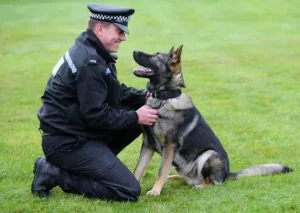
A discreet hotel dog patrol manages that tension better than most expect. The teams move quietly, with no fuss and no drama, offering reassurance wrapped in silence. Their presence doesn’t shout “security.” Instead, it hums along in the background, invisible to most guests but very visible to those with the wrong intent.
This piece explores how K9 patrols slot into hotel life. It also explains why many hotels now see them as essential.
Table of Contents
The Purpose and Role of Quiet K9 Presence in Hotels
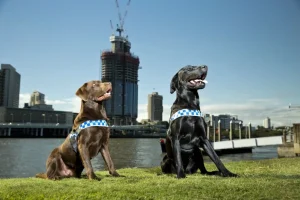
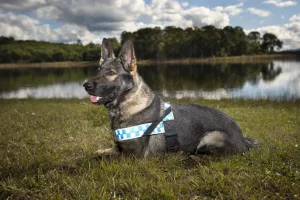
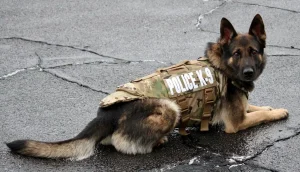
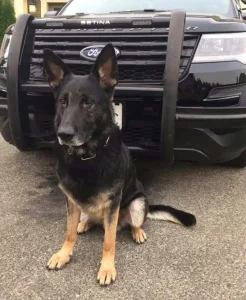
Hotels need a softer touch than a factory floor or a construction site. Guests choosing a weekend break don’t expect rigid control systems or uniformed teams pacing corridors. But hotels cannot shrug off risk simply because their spaces feel refined. K9 units fill that strange middle ground. They remain present but not pronounced.
A trained dog spots signals people overlook. The shaky breath, the fidget, the restless steps all point to trouble brewing. They’re not snarling guard animals. They are calm, tuned-in companions guided by handlers who know how to read a room without taking up space. In short, these patrols protect quietly. In short, these patrols protect the foundation of any discreet hotel dog patrol.
Why Hotels Face Different Security Threats
Guest Property and High Footfall
Hotels are treasure chests with revolving doors. Jewellery rolls into wardrobes, laptops sit on lobby tables, and coats drape over chairs in bars. Foot traffic blends guests, passers-by, and opportunists. Theft thrives in shared spaces where nobody questions whether someone belongs. Dogs help shrink that grey zone.
Unregistered Visitors and Open Access
Restaurants draw diners who never book a room. Bars attract friends of guests and wanderers passing from one venue to another. Dogs read flow better than most humans. They flag the people who hover, drift or slip into out-of-bounds areas.
Late-Night Vulnerabilities
After midnight, staff numbers taper, judgment blurs, and alcohol raises voices. A handler and dog pair create a calm centre. Trouble spots often dissolve before they bloom.
Back-of-House Safety
Behind the dining room doors: deliveries, suppliers, kitchens, loading bays, corridors lined with equipment. CCTV sees what’s in front of a lens, not what rounds a corner. K9s bridge that gap.
How K9 Patrols Strengthen Hotel Security
When a trained patrol dog enters a hotel, there’s no dramatic music, no barking, and certainly no movie-style chase.
They work without standing out. Doors shuffle open, coffee grinds, and night staff drag themselves through another shift. They work like part of the building, not above it. The team works in silence, stays alert and always moves a moment before trouble hits. This is where a discreet hotel dog patrol earns its keep.
Early Detection: Trouble Stopped Before Anyone Notices
You can sense when something is off. A guest pacing, a stranger hanging by the bags or a quick, tense glance gives it away.
Dogs pick up that energy far faster than humans.
Before someone slips a hand toward a bag or nudges a staff door open, a K9 will sense discomfort in body language, breathing, or movement. A handler adjusts the route, steps closer, and the threat evaporates like steam.
- No arguments.
- No accusations.
- Just prevention before the story begins.
Quiet Deterrence With No Drama Attached
Not many people are brave enough to misbehave near a working dog, even a relaxed one. Someone eyeing a bag or a doorway notices the patrol. They back off and head somewhere else. Maybe they get a drink and sit down. Maybe they leave completely.
The shift happens unseen, the atmosphere stays calm, and the dog and handler glide through their work.
Patrolling Spaces Security Cameras Forget
Every hotel has “blind corners.” Not risky enough to alarm managers, but tempting spots for opportunists. Picture:
- A low-lit edge of a car park
- That quiet fire stair nobody uses
- A hallway between meeting rooms
- A side door was propped open for a delivery
CCTV watches straight lines. A dog follows scent, footsteps, and instinct. Each patrol pass builds a story of what “normal” looks like, and when that story shifts, the team knows.
Working Shoulder-to-Shoulder With Hotel Staff
Reception and concierge staff already juggle everything from misplaced passports to room disputes. They don’t have the time or nerve to track someone acting strange.
A handler and a K9 are the perfect safety net. If a report comes in about a suspicious guest, an open door, or odd activity in a lift lobby, the dog leads the sweep. Staff stay focused on hospitality. Security gets handled by professionals built for the job. Security gets handled by professionals built for the job, often provided through specialist k9 security services.
Defusing Tension Before It Turns Into Trouble
Some hotel problems aren’t criminal. They’re human.
- A noisy celebration spills into a hallway.
- Someone sulks in the lobby after being refused service.
- A group takes their night out a notch too far.
People naturally dial down their behaviour when a dog enters the scene.
- No shouting.
- No wrestling.
- No removal.
Just quietly settling a social reset triggered by fur and focus.
Confidence For Staff and Comfort For Guests
Night shifts can feel long and exposed. A passing dog with steady eyes and a handler who knows every corridor gives staff a sense of backup. Guests don’t see the safety net, but they feel the safety.
The Guest Experience: Safe, Calm, and Undisturbed
“Security You Don’t See”
The goal isn’t to remind travellers they’re in unfamiliar territory. The goal is to make them forget risk exists. Dogs allow that to happen without stripping protection away.
Reassurance for Staff
Housekeepers, bar teams, porters, they’re the ones who feel exposed when something doesn’t seem right. A dog team closes that mental gap.
Enhancing Brand Reputation
Safety influences reviews, and reviews influence bookings. Corporate travellers, in particular, expect structured security behind the scenes.
What Makes Hotel-Ready K9 Units Different
Behaviourally Selective Dogs
Not every dog can manage hospitality. The ideal K9 ignores clattering suitcases, excited children, and late-night laughter.
Handler Etiquette and Professionalism
They walk slowly and speak softly. They blend into service teams instead of dominating them.
Compliance and Insurance
Every patrol runs under layered rules, risk assessments, and handler control standards backed by law, such as the Guard Dogs Act 1975, as explained clearly on UK Legislation.
Are K9 Patrols Right for Every Hotel?
Large, complex buildings reap the most benefit from city towers, resorts with sprawling layouts, or properties in nightlife hubs. But even mid-sized hotels near airports or rail stations see returns. Bringing dogs in is easier than people think. You time patrols for busy moments, weave them into concierge and camera work, and follow the shape of the site. For many hotels, night patrols deliver the biggest win.
Conclusion
Hotel security should feel invisible. When guests glide through the lobby, they want to think about room service, not risk. A discreet hotel dog patrol makes that invisibility possible. These patrols work in step with the space. They read trouble before it grows and protect people without making them feel watched. The atmosphere stays warm, the welcome stays sincere, but the building becomes far harder to exploit. Hotels earn trust not by shouting about safety, but by ensuring nothing interrupts a stay. Quiet strength does the job best.
Frequently Asked Questions
1. Do guests feel intimidated by K9 patrols in hotels?
Rarely. Most guests barely notice them, and those who do tend to smile rather than worry.
2. Are hotel security dogs aggressive?
No. They are trained to stay calm and controlled. Aggression is a last resort.
3. Can K9 teams patrol guest floors?
Yes, but usually on timed sweeps, agreed with management to avoid disrupting sleep.
4. What risks do K9 patrols help reduce the most?
Theft, trespass, disorderly behaviour, after-hours problems, and staff vulnerability.
5. Do K9 patrols replace CCTV or manned security?
They enhance those systems and fill gaps that technology and humans can’t reach.