Luxury hotels face a different kind of risk. Guests expect flawless service and absolute discretion. A single security lapse can cost reputation, bookings and trust. That’s why many venues favour a low-profile, highly capable approach to safety. Trained canine patrols deliver that balance. They deter and detect in ways cameras and plain-clothed officers cannot.
In this space, luxury hotel dog protection becomes a strategic asset, invisible when it must be, decisive when called upon. The model sits naturally alongside human teams and modern tech, shaped by handlers and security managers who value calm control over showy force.
Table of Contents
Understanding Security Expectations in High-End Hospitality
Why Luxury Properties Attract Non-Standard Risks
- High-value guests.
- Private events.
- Celebrity stays.
- Confidential meetings.
Each brings a different pressure. Guests expect security without disruption. A property that looks too fortified feels cold. One that looks under-protected feels risky. Luxury operators must thread a narrow needle: visible enough to reassure, subtle enough to preserve the guest experience. Luxury hotels also operate within strict safety obligations. For that reason, many align their planning with risk assessment guidance for hospitality venues when reviewing operational and security-related risks.
The Difference Between Presence and Perception
Presence is about being there. Perception is how guests feel. Security that blends with service preserves ambience. That’s the law of luxury hospitality: safety should be felt, not seen. Dogs, handled properly, deliver that feeling. A discreet patrol passes through gardens and corridors. Guests notice a calm atmosphere. They do not feel policed.
The Advantages of K9 Patrols in Luxury Hospitality Environments
Discreet Authority Without Visual Intrusion
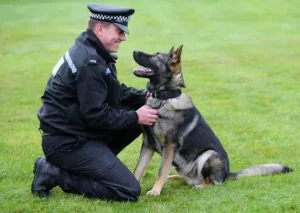
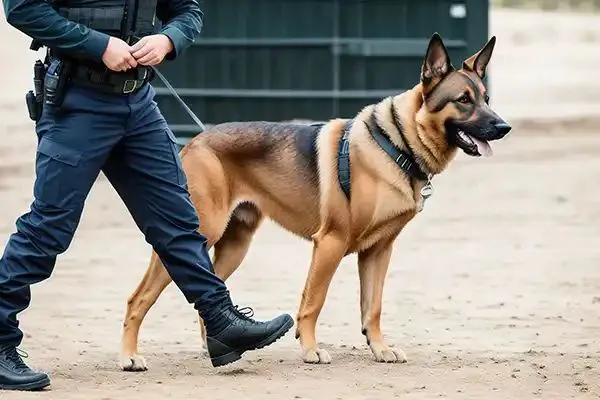
A dog and handler can walk a corridor without creating a scene. They are not barricades or metal detectors. That quiet presence signals control. It is authority without glare. For boutique hotels or heritage properties, this matters. Antique lobbies and private suites need protection that respects architecture and service flow. Luxury hotel dog protection achieves that: the sight of a relaxed, focused animal reassures staff and guests while avoiding an “armed-guard” look. It says, plainly: we are attentive.
Short sentences work here. So do small, precise moments: a patrol through a private garden. A handler is pausing at a service door. The message lands without a billboard.
Advanced Sensory Detection Beyond Human Capability
Dogs read scent and micro-changes in behaviour. They pick up things cameras miss. A human might notice a bag left near a service entrance. A dog senses where that bag wandered, who touched it and when. That is an early warning which buys time. Early warning avoids headlines.
This is not hyperbole. Dogs pick up what people miss. Their scent work and awareness expose hidden risks in staff zones, service corridors and quieter hotel wings. For hotels with private wings and VIP apartments, that sensory edge is a major gain.
Enhanced Perimeter Confidence Across Large Estates
Resorts and country-house hotels span acres. Static cameras get blind spots. Gates and landscaped walkways confuse sensors. Mobile patrols solve this. A dog on a perimeter walk covers uneven ground, tracks footpaths, and checks hedgerows. That mobile reassurance matters for golf courses, private driveways and spa grounds. Instead of doubling down on cameras, hotels gain a mindful presence through a living system of checks.
Psychological Deterrence Without Guest Discomfort
Deterrence here is subtle. It is not about scaring away people. It is about shaping behaviour. Potential troublemakers often choose easier targets. They notice a polished patrol and decide not to test the place. Guests, meanwhile, sense steadiness rather than threat. The dog signals competence, while the handler signals control. Together, they lower the risk quietly.
Trust Signalling to High-Net-Worth Guests
High-net-worth guests and officials care about how protection is delivered. Loud alarms and aggressive posturing create friction. Discreet canine presence signals seriousness without spectacle. It tells a visiting executive: your safety was considered in detail. It reassures staff, too, which matters for service continuity.
Rapid Adaptability During Events and Peak Periods
Weddings, fashion shows, and private buyouts each alter risk patterns. Dogs can be scheduled for targeted coverage. Teams scale up on short notice. That flexibility is priceless for venues that host varied events across tight calendars. You don’t rebuild infrastructure for a weekend; you shift patrols. That adaptability keeps the guest experience steady.
Supporting Human Security Teams Without Escalation
Dogs are force multipliers, not replacements. A canine team sharpens situational awareness for the whole team. Handlers feed intelligence into control rooms. That improves response decisions and reduces unnecessary escalation.
When a potential issue appears, a dog can confirm or rule out risk faster than a distant camera feed. Where layered security is needed, canine patrols sit neatly at the intersection of intuition and evidence. This is where K9 security services integrate best quietly, compliantly and with professional oversight.
Why Traditional Hotel Security Models Fall Short at the Luxury Level
Limitations of Static Guarding
Static posts create predictability who creates opportunity. Guards at doors can be scheduled, watched and routed. Offenders look for gaps. Luxury venues need fluid security that matches non-linear property use. A stationary guard simply cannot replicate the reach of a moving, scent-aware patrol.
Technology Without Human Judgement
Cameras capture movement. They do not capture intent. Sensors generate alerts; eyes on the ground read nuance. Sensory intelligence, the blend of human judgement and canine perception, remains crucial. Technology is necessary. It is not sufficient.
Strategic Value of Canine Patrols for Brand Protection
Security is a brand function as much as an operational one. Quick, quiet prevention avoids reputational damage. It keeps VIPs talking about service, not incidents. Over time, that promise protects bookings and partnerships. Framed this way, investment in canine presence becomes measurable brand insurance. Put simply: protection that preserves guest experience preserves value. And yes, luxury hotel dog protection reads well on a balance sheet when you count avoided incidents and uninterrupted service.
Conclusion
What luxury hotels prize is the offer of K9 patrols: calm, capable protection that remains unnoticed until the necessity arises. They quietly deter, detect early and reassure guests without spoiling the experience.
When canine presence is combined with other security measures, it is no longer a novelty but a strategic tool. For properties that market comfort, discretion and trust, luxury hotel dog protection is not just another alternative; it is a wise, service-oriented decision that honours both human and nature.
Frequently Asked Questions
1. Are K9 patrols suitable for guest-facing luxury hotels?
Yes. When handlers follow hotel protocols, canine teams operate with discretion. Patrols are routed to minimise guest contact. The aim is to reassure, not alarm, so presence is subtle and service is uninterrupted.
2. Do trained security dogs disturb hotel ambience?
Properly managed teams blend with service rhythms. Dogs are worked on shifts and trained for low reaction to noise. Handlers time patrols to avoid peak guest moments and keep the behaviour calm.
3. Are K9 patrols used in five-star and boutique hotels?
They are increasingly common in ultra-premium venues. Operators choose canine patrols where discretion and advanced detection matter more than uniforms or visible checkpoints.
4. How do guests typically respond to canine patrols?
Most guests report reassurance. They perceive care, not intrusion. Staff often welcome the support because it reduces the burden on front-line teams and keeps service flowing.
5. Can K9 patrols operate alongside concierge-level service?
Absolutely. The best canine programs are integrated into hospitality operations. Handlers liaise with concierge teams to avoid disruption and to protect VIP movements and private events.