Campus safety is more complex than it once was. In 2021, degree-granting colleges reported roughly 23,400 on-campus criminal incidents. It is a reminder that threats come in many forms. It can come from unlocked doors to vehicle thefts and targeted property crimes.
Cameras help. Guards help. But each has limits. Cameras show what happened. Guards cover zones but can be pulled away. Student housing needs tools that act fast and act where people are. This can work in real time without changing the friendly feel of a living space. The tension is real: how to keep homes safe while keeping them welcoming.
K9 patrols in student housing are a precise tool. A trained dog and handler can spot weak points, speed searches, and calm crowds. Used well, K9 teams add control and care to safety plans.
Table of Contents
The Operational Multiplier-K9s Beyond Simple Deterrence
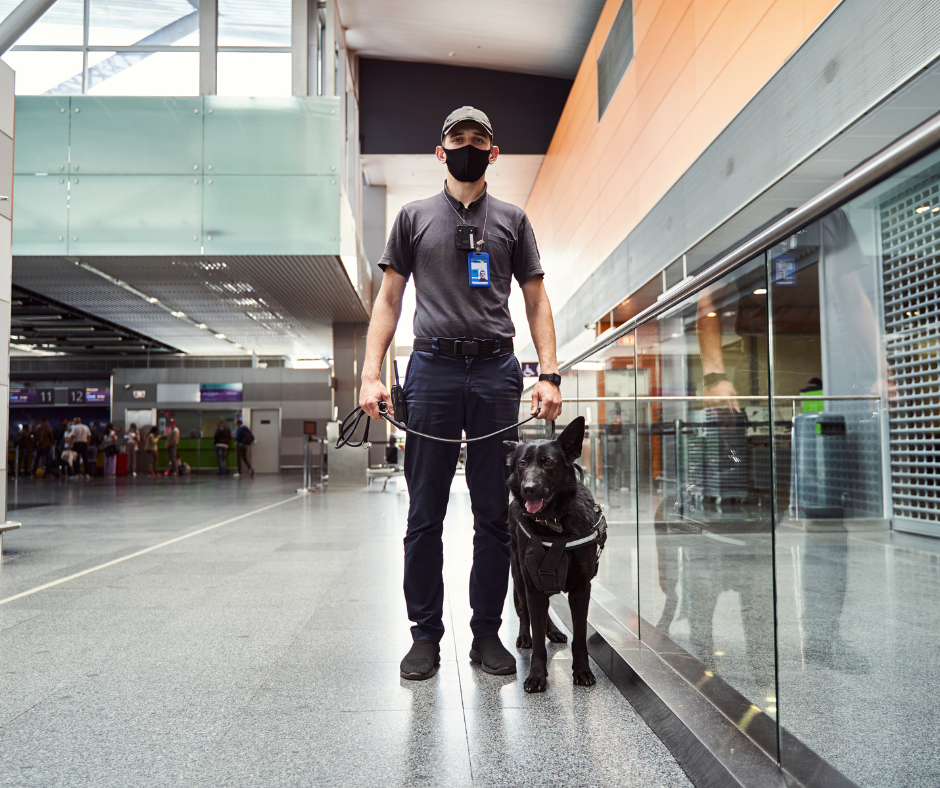
K9 teams multiply what a small security staff can do. They move faster than a two-person foot patrol. They sense things cameras miss. They force gaps in patrol plans to show up as real, fixable problems. When that happens, managers can change doors, locks, or lighting. That change is small. It yields big gains in control.
When delivered as structured k9 security services, these patrols provide more than deterrence. They function as live audits, response accelerators, and behavioural controls that strengthen the entire student housing safety framework.
K9s give management a real-time view of risk. A handler can show where an uneasy gap is. The dog shows it by alerting. That audit happens during patrols. It is not a drill. It is a live test of the site. Staff learn where to patch weak spots. The result is a tighter, more controlled property.
K9 units also help in busy times. Move-in day is chaotic. So are big parties and campus events. A calm, visible K9 presence helps guide people. It reduces crowding at key gates. It helps stop lines from spilling into roadways. The goal is simple: keep the flow moving and reduce spikes of disorder.
K9 teams are flexible. They detect, they track, and they guide. They are a platform for better decisions, not a replacement for staff. When deployed right, they make every other part of security work harder and smarter.
K9 Patrols in Student Housing: Real-Time Detection and Response Audits
K9 teams work like quick auditors. They find where fences are easy to climb. They spot doors left propped open. They check loading docks and service entrances. When a dog repeatedly alerts at one spot, teams act. Locks are fixed. Cameras are re-aimed. That immediate feedback loop changes behaviour fast. It turns loose ends into closed loops. Security becomes measurable in hours, not weeks.
Welfare Checks and Search Scenarios
Not every use is about crime. Dogs excel at scent work. If a student is missing or injured in a crowded complex, a tracking K9 can be deployed to sweep the area. In large buildings with many rooms and vents, a scent-tracking team covers a lot of ground. This happens faster than a search crew alone. This speeds up welfare checks. Families and staff get answers sooner. That simple speed can save lives and calm panic.
National guidance on student safeguarding emphasises early welfare checks, timely responses and clear reporting routes for at-risk students. See the Office for Students’ safeguarding resources for practical approaches to student protection and campus welfare.
Managing High-Density Traffic and Events
K9 presence changes how crowds behave. People notice dogs. That notice reduces rough crowding and prevents pushing. During peak move days, K9s can guide flow and keep high-traffic points clear. When events are late, a dog’s visibility acts as a soft control. It reduces opportunities for theft and disorder without heavy-handed tactics.
Policy and Procedure: The K9 Program Implementation Blueprint
K9 teams must be set up with clear rules. Without this, problems appear fast. Courts, parents, and campus boards will ask tough questions. Policies answer them before they arise. A practical blueprint makes K9 work a trusted part of housing safety.
First, define roles. Is the dog there to detect narcotics? To track missing persons? To deter trespass? Write it down. Make an SOW that lists duties, hours, and limits. Need certifications. Many reputable groups offer annual certification and testing for teams. These standards ensure reliability and legal defensibility.
Insurance and liability lines must be clear. Vet the handler’s training, ask for proof of insurance riders, and set rules for bites and civil claims. The contract must state who pays for vet care, for training, and for any damages. That avoids slow fights later.
Communication is as important as the contract. Tell residents what to expect. Explain that K9s are trained and social. Frame them as safety partners, not a threat. A “Meet the K9 Team” session builds trust and reduces fear. Invite parents to open days or virtual briefings. When people know the dog, they see care, not force.
Finally, fit K9s into use-of-force and reporting rules. K9s sit low on the force chart when used for detection or patrol. If a dog is used in apprehension, clear rules and reporting steps must be followed. Log every deployment. Review incidents within 48–72 hours. Use audits to improve. That record keeps programs tight and credible.
Defining the Scope of Work (SOW) and Liability
A solid SOW lists deliverables, hours, and training standards. Need handler and dog certifications. Ask for annual recertification. Need a liability plan that covers medical, legal, and replacement costs. This paperwork is not red tape. It is risk control.
Transparent Resident and Parent Communication Strategy
Tell students and parents what K9 patrols in student housing teams do. Offer short demos. Share FAQs. Open doors and show the dog’s calm side. When people meet the team, their worry eases. Framing is everything. Make safety feel caring.
Integration with Existing Use-of-Force and Reporting Protocols
Place K9 use low on the force ladder for daily patrols. For higher-risk actions, need supervisor sign-off and full incident reports. Track all alerts. Review each use for lessons learned. That keeps policy clear and defensible.
The Measurable ROI for K9 Patrols in Student Housing
Investors focus on risk and yield. K9 teams affect both. A K9 patrols in student housing can cut incidents. Fewer incidents mean fewer claims and less damage to reputation. That helps occupancy and rent stability. Campus safety now affects enrollment choices and family decisions. Showing a proven, active safety plan matters to prospects.
Owners can quantify some gains. For example, a property that cuts burglaries may see fewer insurance claims. That can lead to lower premium renewals or smaller deductibles. A clear, documented patrol program is a bargaining chip in those talks. Paired with incident data, it shows insurers that you are reducing risk.
Safety amenities also link to occupancy. Parents often pick housing with visible, credible safety measures. A well-publicised K9 program can nudge hesitant families toward a lease. Even a small drop in vacancy, one to two points, changes the bottom line. Long-term savings on legal fees and PR fixes can offset program costs. This happens when combined with fewer incidents.
Finally, compare prevention to reaction. A single major incident can cost tens or hundreds of thousands in legal fees and lost future rents. K9 teams cost a fraction of that over time. Use real incident logs to show this math. It helps board members and investors see the return on a practical level.
Mitigating Risk and Insurance Premium Impact
Documented patrol logs and certified teams make a strong case to insurers. Show the data. Ask for policy reviews after a year of demonstrated patrols. That can yield premium discussions.
Correlation Between Safety Amenities and Occupancy Rates
Families value security. Visible, humane safety measures shift perceptions. Even modest gains in renewal rates lift revenue and lower turnover costs.
Calculating the Cost of Prevention vs. Reaction
A prevention budget is predictable. Crisis costs are not. Add legal fees, emergency repairs, PR, and vacancy losses. Prevention is cheaper and steadier.
Excellence in Deployment: Handler Training and Public Trust
Quality beats quantity. One top team is better than several half-trained teams. Handlers and dogs must stay sharp. Ongoing training and audits are the backbone of trust. Studies show that well-trained K9 teams bond with handlers and perform in the field.
Choose dogs that can work in crowds and stay calm. They must be socialised to students and visitors. Teach handlers public engagement skills. Let them explain alerts to residents. A calm dog in a crowded lobby builds trust. A scared dog does the opposite.
Regular testing, public demos, and open records of certifications keep the program honest. That is how you move a K9 team from novelty to a core safety asset.
Dual Certification and Ongoing Skill
Need both handler and dog to pass formal certs. Need monthly maintenance training logs. Annual recertification should be part of the contract. Use external auditors when possible.
Socialisation and Public Engagement
Train dogs to be friendly but focused around people. Use meet-and-greets. Teach handlers to talk to residents after alerts. Award community trust, not fear.
Conclusion: Making K9 Patrols in Student Housing the Standard
K9 patrols in student housing are a smart, measured step forward. They bring quick audits, better crisis response, and clear ROI. They need rules, training, and open talk with residents. When done right, they add control without taking away warmth.
If you manage student housing, start with policy and numbers. Sketch a SOW. Ask for certifications. Run a small pilot. That is how K9 patrols move from an idea to the gold standard for safe, appealing student homes.