Student halls never sleep. Even on a quiet night, something is always happening behind a door, in a courtyard, or through a side entrance. Delivery drivers wait for residents who forgot their phones upstairs. Friends drift in after midnight. Lift doors open and close with no warning. Wardens hold this whole moving picture together, but space is not on their side. Long corridors sprawl in every direction. Stairwells twist down to storage rooms no one checks twice.
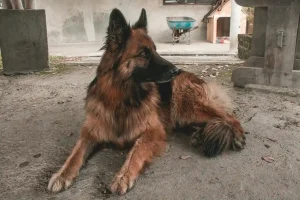
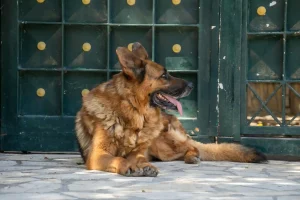
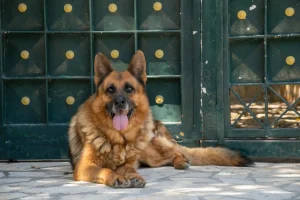
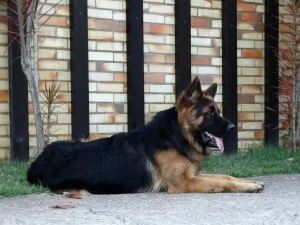
Many universities now see dog warden support students as something that complements staff. It adds another layer that matches the pace of campus life. Patrol dogs reach places wardens can’t see or hear. And they do it while following campus rules and safety standards.
Table of Contents
Security Risks Unique to Student Accommodation
Late-Night Trespass and Tailgating
It takes only one open door. A resident swipes in, and three others drift behind them, friends, guests, or total strangers. When intruders get inside, they can move everywhere. Stuff disappears, bikes are taken, and noise spreads through the flats.
Anti-Social Behaviour and Alcohol-Fuelled Disputes
Freshers week, results celebrations, and cup finals all crank up demand and disruption. There is always a reason for celebration, and celebrations simmer into trouble. They know the instant when things shift from harmless to risky. They just can’t cover every space at once.
Building Layout Challenges
Student accommodation prioritises beds and kitchens, not oversight. Wing after wing, corridor after corridor, corner after corner. Outside, bin stores and bike cages form forgotten pockets where wardens’ footsteps fade.
Why Traditional Warden-Only Deployment Is Limited
Limited Field of View and Mobility
Even a fast warden sees only what is in front of them. Blind spots are easy to exploit and harder to reveal until damage is done.
Safety Risks in Confrontations
Wardens rely on words, posture, and procedure. If a tense situation turns physical, their options shrink fast.
Response Time Across Large Sites
Every response steals time from elsewhere. One noise complaint could mean missing a trespass behind a fire exit door.
How Patrol Dogs Support On-Site Wardens During Live Incidents in Student Halls
Enhancing Perimeter and Internal Patrol Coverage
Patrol dogs stretch coverage without widening headcount. They smell what humans miss. They track quiet movement in car parks and sense presence near back gates before a shadow becomes a threat. A warden chooses the route; the dog expands its reach. Suddenly, smoking shelters feel supervised. Rear entrances stay honest.
Early Intruder Detection and Alerting
Dogs read the air, react to movement, and notice strangers before wardens see a silhouette. In basements and lift lobbies, places where noise echoes oddly, they spot issues seconds sooner. Those seconds can stop a problem from forming its shape.
Controlled Presence for De-Escalation
Sometimes, control means gentle pressure, not confrontation. A dog at a handler’s side changes how people behave. Visitors who might argue or stall suddenly comply. House parties shut down quicker. Arguments drain instead of flare. The dog rarely needs to move; the polite threat of presence shifts the tone.
Protecting Wardens During Confrontation Events
Imagine a lone warden facing a hostile guest who refuses to leave. Now picture the same scene with a dog team beside them. The balance tips at once. The dog forms a visible line, the handler remains calm and tactical, and the warden keeps command without stepping into danger. This layered trio protects everyone in the room, including the person being challenged.
Making Wardens More Confident and Effective
Confidence is quiet, but it changes everything. Wardens with support push into darker sections of the site instead of avoiding them. They open doors they might otherwise walk past. When they feel safe, they make faster decisions and file clearer reports because they saw incidents early instead of reacting late. Many universities treat dog warden support student deployment as an essential upgrade rather than an experiment. Confidence spreads further than a flashlight beam.
Sensory Accuracy in Low-Visibility Environments
Dim light, shut windows, and dead air hide activity. Dogs don’t rely on sight. They map scent, temperature, sound, and change. A locked yard behind recycling bins becomes monitored. A narrow service corridor turns from a blind gap into a known zone.
Rapid Response Without Escalation
The smartest intervention is one that never needs to escalate. A dog’s simple presence urges people to rethink bad choices. Wardens stay verbal. The dog adds authority. Together, they solve incidents without force and without risk.
Incident Recording, Handover, and Coordination
A dog team is not a free-floating patrol. Handlers brief, log, communicate, and pass findings to the night desk or control room. Warden spots an issue. Handler moves to assist. Resolution becomes data rather than rumour. Universities often source this capability through dog security services, gaining trained handlers who slot into campus systems instead of operating on the edge of them.
Integrating Dog Teams into Student Accommodation Operations
Compliance, Welfare, and Legal Frameworks
The dogs aren’t props. They’re trained, handled by people who know the rules, and protected by welfare and safety systems. Dogs deployed in student halls have to meet NCTAS-P requirements. This scheme carries Home Office approval for private security use.
Shift Overlap and Planned Patrol Routes
No predictable loops. Routes flex, shift, and adapt. Students see the change and respond with better behaviour. Wardens feel the difference in their workload within weeks.
Benefits for Accommodation Providers
The value shows in numbers and mood. Fewer incidents, faster resolutions. Less stress on stretched night staff. A stronger safety reputation that reassures students and parents alike.
Conclusion
Student halls are lively, unpredictable, and often stretched to their limits. Wardens do a lot with the time and tools they have, yet the environment moves faster than any one person can track. Patrol dogs fill the space between risk and response. They are not a luxury and not a replacement, just a smart evolution of what safety looks like in dense accommodation.
Used well, they make dog warden support student security more durable. They stabilise difficult moments, reduce exposure to harm, and support wardens as they navigate long nights with less pressure and fewer blind spots. In the end, students feel safer where they live, and wardens end each shift knowing the site worked with them instead of against them.
Frequently Asked Questions
1. Are patrol dogs dangerous for students living in halls?
No. They’re trained, controlled, and calm around residents, responding only under handler command.
2. Do patrol dogs replace on-site wardens?
No. Wardens stay primary responders; dogs extend reach, safety, and confidence during incidents.
3. When are patrol dogs typically used in student halls?
Evenings, high-risk nights, freshers’ week, busy events, and times when incident levels rise.
4. How do patrol dogs calm incidents without force?
Their presence changes behaviour, reducing conflict so wardens resolve issues verbally.
5. Who provides trained patrol dogs for universities?
Accredited providers supply trained teams through professional dog security services contracts.