Large warehouses are full of places to hide. Tall racks, stacked pallets, narrow aisles and shadowed corners create blind spots. If there are late shifts, dim lighting and noisy machines, it confuses human guards. Motion sensors can trigger on moving forklifts. Cameras can miss someone who stays still in the dark. People can only see so far. Electronics often give false alarms or miss slow, quiet threats.
Intruders who study these weak points know how to use them. They use darkness and structure to stay unseen. A well-trained patrol dog and handler team changes the game. Dogs move fast through aisles. In low-visibility areas, K9 intrusion detection finds people that cameras and sensors miss. This blog focuses on intruders and the special challenges of low-light warehouse spaces. It also addresses how K9 security helps them.
Table of Contents
The K9 Advantage in Low-Visibility Settings
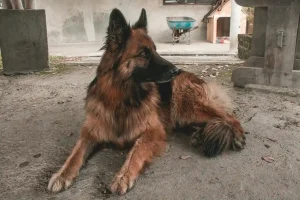
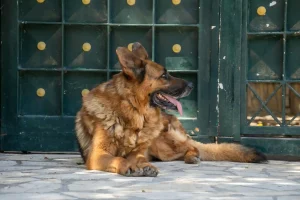
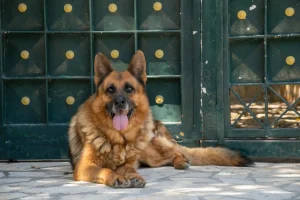
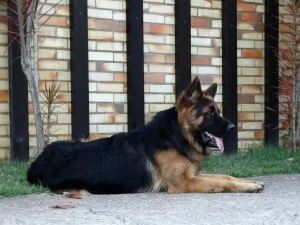
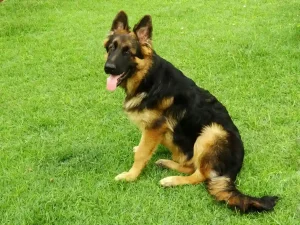
When the light is poor, most security tools lose power. A dog does not. K9 intrusion detection does not depend on a clear line of sight. They move through the same shadowed aisles and cluttered corners that hide a person. Their presence turns blind spots into covered ground.
In practice, this looks like a few simple strengths:
- Dogs search by scent and movement, not by picture. They can pick up a trail that drifts around racks and under tarps.
- They can enter cramped places that a human cannot. A dog slips between pallets, checks under shelving, and approaches spaces near machinery.
- They react. Once a dog detects something, the handler can close in, confirm the find, and call for backup. That rapid turnaround reduces the chance that an intruder escapes with goods.
According to a 2025 report, warehouses were the most common locations targeted by criminals. 41% of recorded freight and cargo-theft incidents are in Europe, making warehouses the leading “hotspot” for industrial theft. For security managers, the key point is this: K9 units extend what your team can cover. In low-visibility areas, they do the work that cameras and humans cannot do alone.
Customised Training for Industrial Environments
Working inside a warehouse is not the same as patrolling a yard or an open field. The noise, surfaces, temperature swings, and equipment create unique risks and distractions. Dogs used for warehouse work must be trained for those conditions. This lets them stay focused on people rather than the environment.
Desensitisation: Noise, Surface, and Temperature Extremes
Training prepares dogs for sudden sounds like metal clanks, alarms, and forklift horns. They practice moving on wet concrete, grated walkways, and oily floors. They learn to ignore bright flashes from emergency lights and to stay calm in cold rooms and warm bays. This training prevents false alerts caused by environmental surprises.
Passive Hiding Scenarios and Sign Protocols
Intruders often hide. They tuck themselves behind stacked products, under tarps, or inside unused machines. Training includes drills where decoys hide in these exact spots. Dogs learn to search and then give controlled signals when they find a person. These signals are clear to the handler but not loud enough to alert the intruder. That controlled response helps handlers secure the area and gather evidence if needed.
Together, these training methods make dogs reliable inside the noisy world of warehouses. They reduce mistakes and improve the team’s ability to locate intruders. It happens especially in places where light is poor or obstructed.
Strategic K9 Intrusion Detection in Low-Visibility Settings
Deploying a K9 team is more than letting the dog loose. Good tactics multiply the dog’s strengths and cover more ground without gaps.
Grid Searches vs. Scent-Driven Searches
A grid gives structure. Handlers map areas into lanes and sweep them. But a dog’s nose can find scent drifting from outside the mapped lane. Skilled handlers let the dog lead when that happens. This flexible method, grid plus scent, ensures wide coverage with a predictable routine.
Handler–K9 Communication in Near-Total Darkness
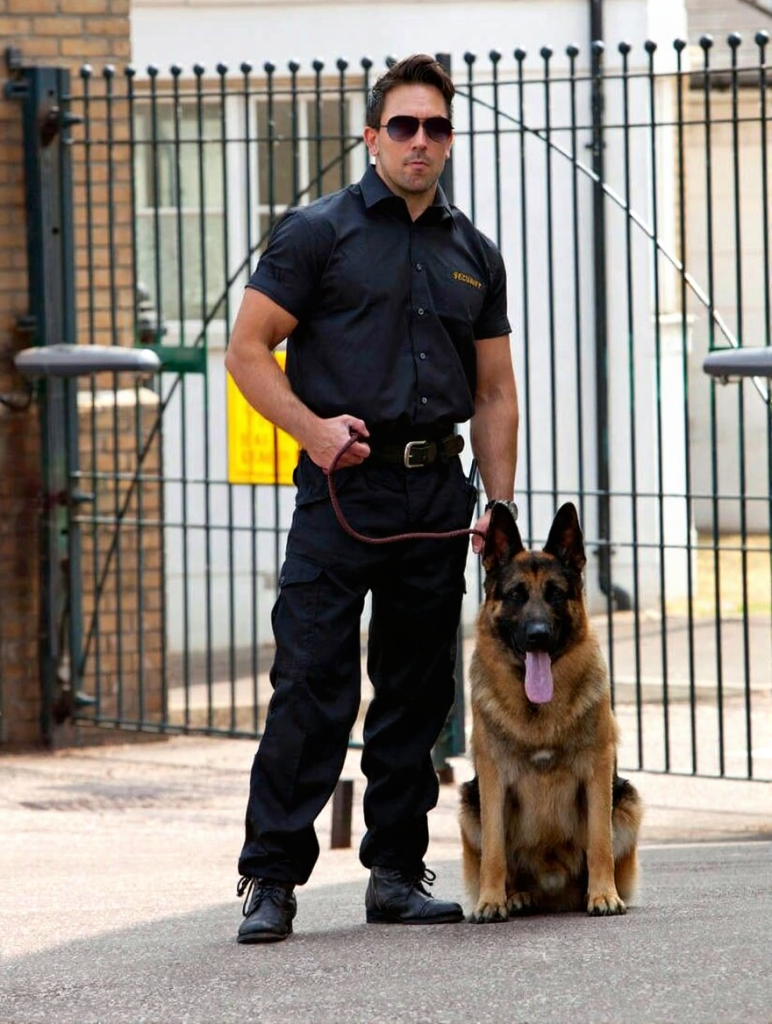
In low light, handlers use quiet, low-profile signals. A touch to the shoulder, a soft tug on the leash, or a short verbal cue can guide the dog. This can happen without revealing their position. This silent teamwork preserves surprise. It keeps intruders from running or hiding further.
Integrating K9s with Technology
K9 teams work well with other tools. If a thermal camera shows something odd, a handler can send the dog to confirm. If motion sensors trigger in a blind corner, a dog can clear the area. This layered approach reduces false alarms and speeds up real checks. The dog provides certainty that tech alone cannot.
How K9 Intrusion Detection Stops Intruders – Real Outcomes
K9 teams do three things that protect warehouses in ways no device can match.
Quick Detection and Recovery
When an intruder hides in low-visibility zones, the dog finds them faster than cameras. This rapid detection reduces loss. A quick find can prevent stolen pallets or stop a theft right before it happens. The shorter the gap between entry and discovery, the smaller the loss.
Deterrence and Behaviour Change
Visible K9 patrols change behaviour. Thieves avoid sites known to use dogs. Staff theft drops when teams know dogs may be present. In short, the chance of getting caught rises, and many would-be intruders go elsewhere.
Improved Incident Handling
A controlled dog alert gives handlers a clear, safe plan. They can call guards, lock doors, and approach with a plan. That lowers risk to staff and reduces damage to goods. It also preserves evidence. Handlers often find footprints, discarded tools, or entry points that help investigations.
A Simple Example
Imagine a warehouse with $40,000 in high-value tools. An intruder slips in at night and hides, waiting for a loader to run. A K9 patrol sweeps the zone hourly. The dog finds the intruder in minutes. The cost of certain factors can be avoided. It includes replacement, downtime, and insurance claims. That clear math makes K9s a practical part of loss prevention.
Financial and Operational Impact
K9 units are an investment. But they often produce measurable savings.
- Loss prevention:
Fewer thefts mean fewer inventory write-offs and less downtime. - Faster incident resolution:
Quicker findings mean shorter disruptions and lower labour costs for investigations. - Lower false alarms:
- Dogs confirm the presence of real humans, saving staff time wasted on false alerts.
- Insurance value:
Some carriers view professional K9 programs as a sign of strong security.
Managers should weigh the cost of service, training, and logistics. These are against the likely monthly losses from theft and downtime. Often, the service pays for itself through one or two prevented incidents.
Conclusion and Next Steps
Low-visibility areas invite intruders because darkness and clutter hide movement. Cameras, lights, and sensors help, but they have limits. K9 intrusion detection security fills those gaps. Dogs find people in places no camera can watch. They move where people cannot, and they confirm whether a heat or motion blip is a real threat.
If you manage a warehouse, consider K9 teams as part of a layered strategy. Work with experienced handlers who know industrial sites. Map patrol routes, run joint drills with your tech systems, and measure results. With the right plan, K9 security turns dark corners into checked ground. It also makes your facility harder to target.