Call Us: (44) 77765-43210

Email Us: info@dogsecurityservices.co.uk

How K9 Units Strengthen Security in High-Risk Loading Bays and Transport Zones

K9 units in loading bay security

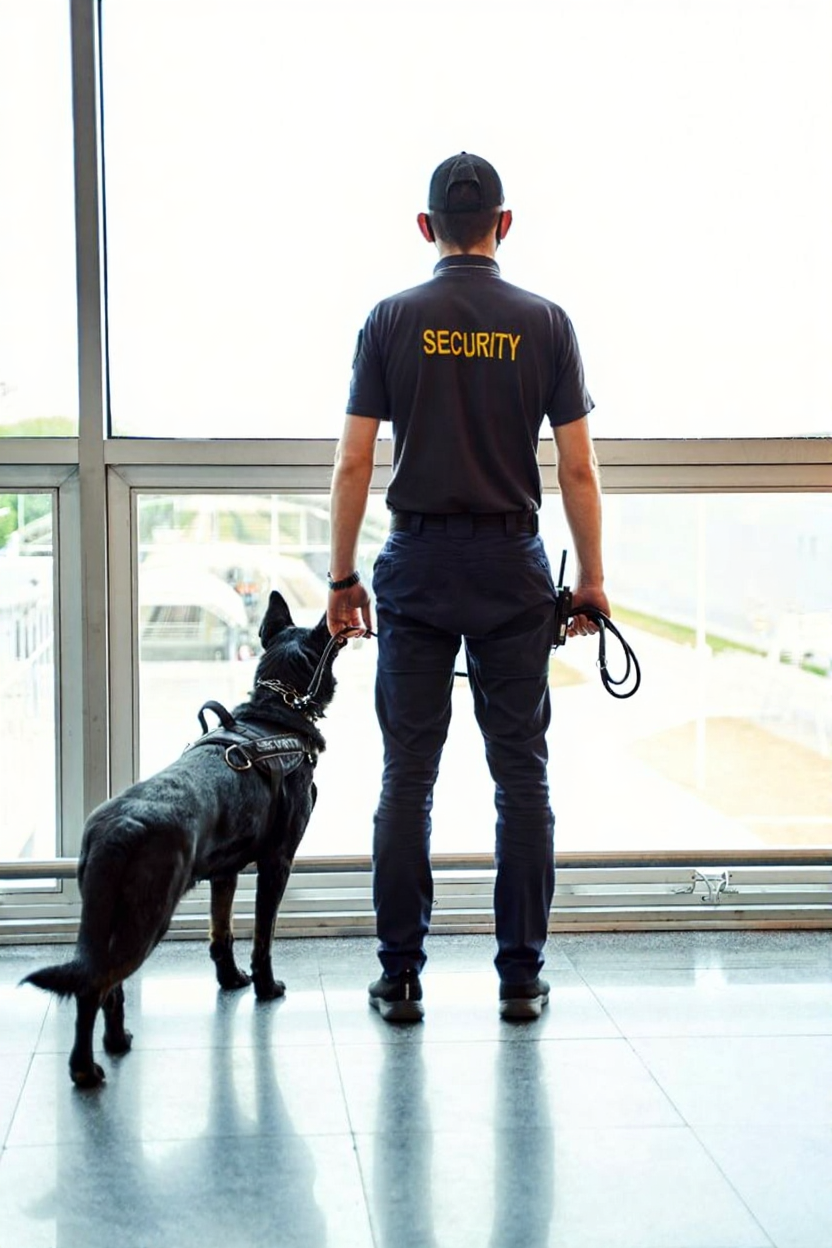
High-risk loading bays attract crime. A recent report states that half of cargo thefts occur in distribution centres. It happens where goods often sit in limbo, and visibility drops. Those numbers continue to rise. This is because supply chains are becoming more complex and thieves are becoming more organised. The loading bay sits at the centre of this problem. It is busy, loud, and spread out. Trucks enter and leave fast, workers change shifts, and pallets move nonstop. All that motion creates pockets where no one is watching. This is the “vulnerability vortex,” and criminals know it well. They wait for moments when people are distracted. Or when a trailer sits unattended for a few minutes too long. This is where specialised K9 units in loading bay security come in. Their speed, senses, and presence give security teams a major advantage. This blog says, Why trained dogs offer a tactical edge and reduce financial risk. It also describes the necessity of having security. Deploying K9 units in loading bay security for Industrial Site Protection Speed and Scent: Outperforming Traditional Patrols Human patrols do their best, but even skilled officers have limits. Sight and hearing alone can’t match what a trained detection dog can pick up while moving through a site. K9s sense hidden threats far earlier than any guard. In large warehouses, officers may take several minutes to sweep long aisles. K9s move faster and can clear large areas with fewer laps. Their noses work like searchlights in places where cameras fail. It happens especially at night or in fog, dust, or blind turns between stacked pallets. The dog does not need to guess. It follows scent markers left by criminals as they try to slip through restricted doors. Outdoors, these abilities matter even more. Many yards stretch across acres, often with long gaps between patrol points. A K9 team can follow tracks across gravel, between trailers, and along fence lines. This helps officers find trespassers who would otherwise get away in the dark. The result is stronger industrial site protection with fewer blind spots. Non-Invasive Screening for Contraband and Stowaways One of the biggest challenges in transport zones is checking trailers. And the other is verifying container operations. Manual inspections often need workers to break seals or open tight spaces. It happens where people could be hiding. K9 units remove that delay. A trained dog can scan a trailer for drugs, explosives, or hidden stowaways in seconds. The dog does not disturb the load or break the seal, which saves time and reduces the risk of damage. Firms that handle high-value cargo gain peace of mind without creating bottlenecks. It includes electronics, pharmaceuticals, or cross-border shipments. This quiet and fast screening makes K9 patrols one of the most efficient tools in any high-risk zone. Supply Chain Security and Financial Risk Mitigation Strategic Deterrence for Cargo Theft Prevention Cargo thieves watch patterns. When they see slow guards or weak systems, they strike. But K9 units in loading bay security change that script. Criminals rarely approach a site where trained dogs patrol, because dogs remove uncertainty. They move fast, detect hiding intruders, and respond before a human can spot motion on a screen. This psychological effect alone reduces attempts. Many facilities report drops in theft incidents. It happens once they introduce a visible K9 presence near loading bays. Organised groups tend to shift away from guarded yards and target easier sites. Opportunistic thieves, those who wander back off the moment they see a dog and handler. In transport zones, a single theft can cost tens of thousands of dollars. Keeping criminals away from expensive goods protects schedules, insurance rates, and reputation. Compliance and Internal Threat Detection Many industries must meet strict security standards. It includes C-TPAT, ISO guidelines, and global trade requirements. K9 units make compliance easier by adding a layer of active detection. It lets the auditors often look for in high-risk settings. Dogs do more than find outsiders. They can also flag unusual behaviour from employees. Internal theft remains a major issue in many supply chains. It often involves workers slipping small items into personal bags. A trained dog can alert handlers when a person tries to hide in dark corners or unused docks. This is valuable for Supply Chain Risk Officers who need reliable proof of the threats. Dogs help create safer, more transparent workflows without slowing operations. Rapid Response K9 units in loading bay security Securing the Trailer Yard Perimeter Imagine a large trailer yard after sundown. Lights glow in wide patches, but rows of parked trailers leave long shadows between them. An alarm sounds near a remote gate. Without K9 support, guards must move and check each corner. If the suspect runs, they may vanish before anyone finds them. A rapid response K9 units in loading bay security changes the outcome. The handler releases the dog to track the scent left near the alarm point. The dog follows the trail between trailers, around a stack of pallets, and toward the far fence. Within minutes, the team closes in on the trespasser. This fast response prevents further damage and avoids long disruptions. These teams often stop incidents before they escalate, protecting both property and personnel. Immediate Response to Loading Dock Intrusion Loading docks stay busy, and sometimes sensors trigger unexpectedly. When this happens, guards must clear the area to ensure no one slips inside. Searching by hand can take a long time and may put officers at risk if someone is hiding. With a K9 unit, the process becomes safer. The dog enters first, scanning the air for human scent, unusual odours, or signs of forced entry. It moves behind pallets, checks blind corners, and sweeps the dock faster than any person. If someone hides, the dog alerts the handler without escalating the situation. This protects guards from surprise encounters and keeps the operation on schedule. In high-risk zones, quick clearance reduces downtime and keeps crews working without fear. This setup keeps guards safer and operations … Read more
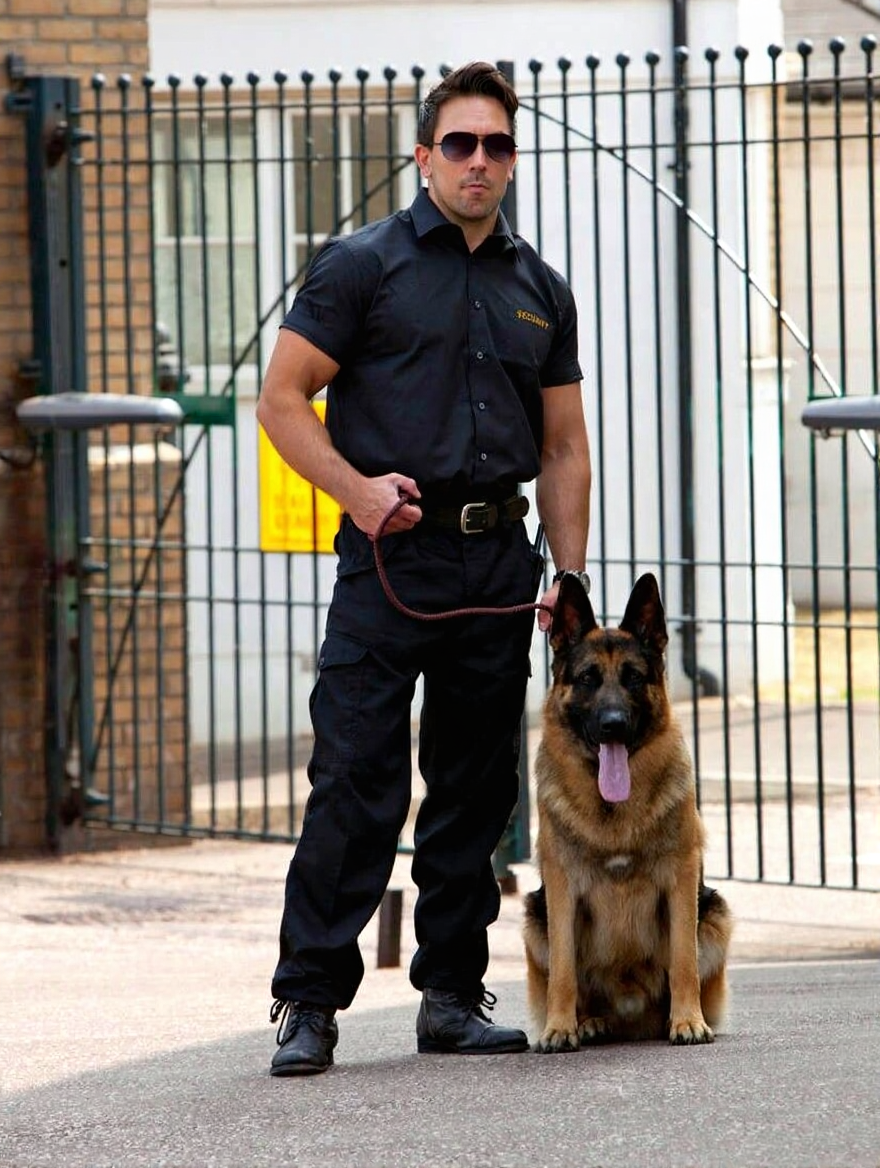
Why Warehouses Experience Fewer Repeat Crimes With Ongoing K9 Patrol Deployment

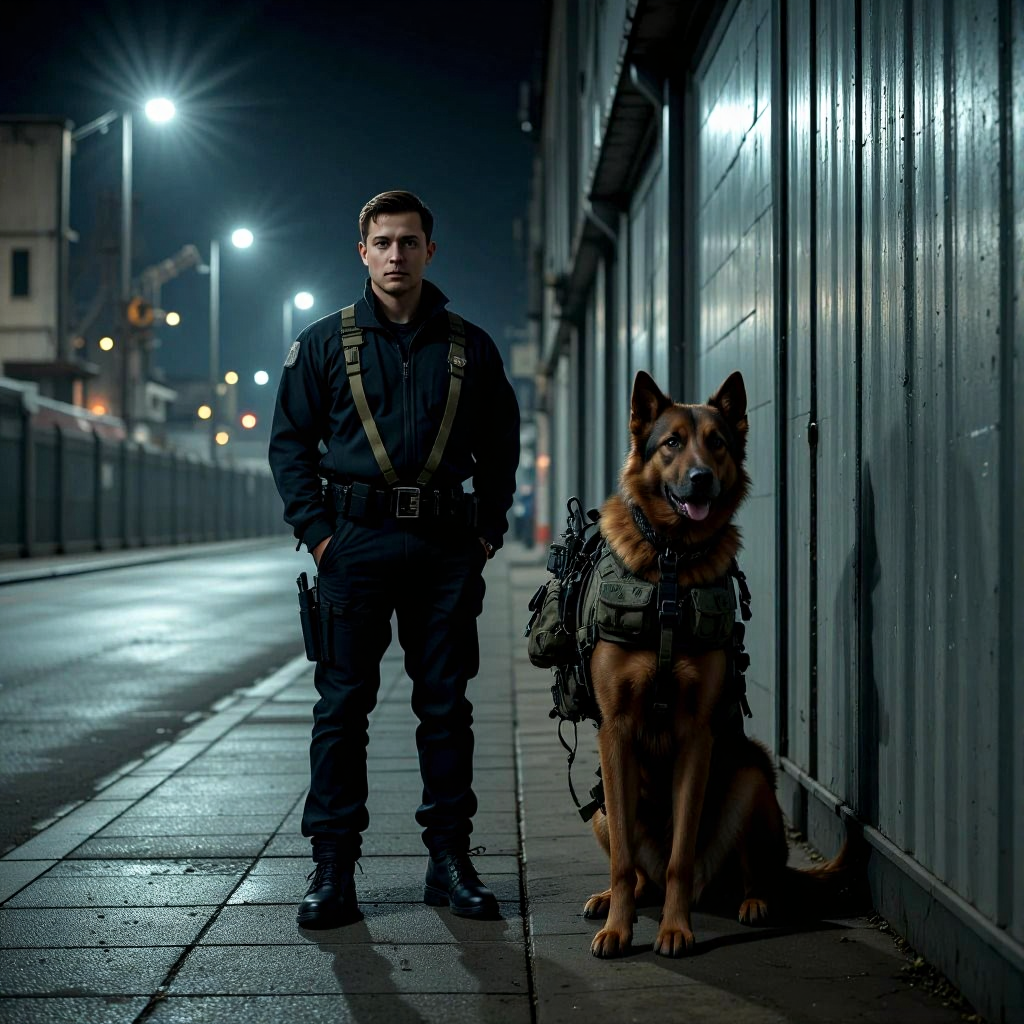
Warehouses lose more than merchandise when criminals strike the same place again. A single break-in already hurts, but repeated offences drain money. Inventory disappears. Repairs pile up. Insurance deductibles rise. Productivity slows. One incident turns into a chain of setbacks. It stretches across the entire operation. The problem is not one weak area in the fence. The real threat is the pattern that criminals use to test the site and grow bolder each time. When this becomes routine, the warehouse ceases to be a storage hub. It turns into an ongoing opportunity for offenders who now understand its vulnerabilities. This is where K9 patrol security for warehouses creates a sharp break in the cycle. Trained dogs disrupt the entire equation and deliver warehouse crime prevention. The Psychology of Sustained Deterrence vs. Initial Fear Why K9 Patrol Security for Warehouses Drop Repeat Attempts 26% of all business premises in England and Wales were victims of business crime. It is reported by the Home Office 2023 Commercial Victimisation Survey. Most criminals do not think about long-term consequences while committing their first offence. They assume they can sneak in and slip out before anyone notices. Cameras might catch them, but the risk seems manageable. Alarms may sound, yet many believe they can outrun the response. The fear is shallow, and for many, it fades fast. But the fear that matters most is not the initial one. It is the fear that sticks, the kind that prevents a second attempt. This is where K9 patrols change everything. The presence of a trained dog is not a visual warning. It is a living, unpredictable force that criminals cannot calculate or bluff through. The K9 Unit as a High-Consequence Variable A dog introduces a threat to the criminal. Guards can be studied. Silent alarms can be timed. But a dog? The dog sees, hears, and smells more than any piece of hardware. Its speed outmatches any human’s. Its reaction is instinctive and immediate. This creates a “learned risk” for offenders. After one encounter, they understand that returning to the site is dangerous. Most will take the chance with a camera. Few will ever risk a fast, silent, and powerful animal trained to track them in the dark. Proactive Threat Elimination Through Unpredictable Sweeps K9 units do not rely on criminals making noise or triggering sensors. They patrol large warehouse yards, narrow hallways, and hidden corners before anything happens. They detect hiding places and scent trails that human guards never notice. This is why warehouse canine patrol effectiveness is so high. These dogs reduce opportunity itself. When opportunity disappears, repeat offences disappear with it. Operational Proof – K9 Patrol Effectiveness in High-Risk Zones Data-Driven Impact – Measuring the Reduction in Recidivism Warehouses come with natural blind spots. They are large, complex, and full of hiding places. Some criminals return many times because they know these weak points better. A K9 unit flips that advantage. Beyond the Perimeter – Deep Intrusion Risk Mitigation Dogs excel in areas where cameras fall short. Think about fence lines with tall grass or loose soil. Offenders often crawl under or jump over these spots during low-traffic hours. A dog’s nose picks up fresh tracks before the intruder reaches the building. Storage yards with stacked pallets create perfect cover. Criminals often hide between rows waiting for the right moment. A K9 clears those aisles fast by following scent pockets and movement trails. Roof access points also see attempts. It especially happens to repeat offenders who use ladders, scaffolds, or parked equipment. Dogs notice the human scent left behind even after the person has climbed up. Remote loading docks are another favourite entry point. They sit far from the main office areas and often remain quiet at night. The K9’s routine sweeps expose anyone lurking around. In each case, the dog secures what technology alone cannot. This is what makes them a proven security deterrent for repeat crimes. Correlation Between K9 Duration and Crime Suppression Data across industrial facilities shows a striking pattern. The longer a K9 unit is, the lower the rate of repeat offences. Warehouses that use canine patrols for only six months see improvement. But those with a year or more of constant presence see the best results. Many facilities report a 65% reduction in repeated break-in attempts. It happens once they surpass the 12-month mark. Why the jump? Because offenders learn which sites are too dangerous. Over time, word spreads, and the warehouse drops off the radar of high-risk offenders. Case Study Snapshot – Eliminating a Repeat Target Imagine a warehouse hit three times in eight months. The thieves used the same spot along the fence each time. Guards noticed the pattern but arrived too late to stop the intruders. Cameras recorded them, but the criminals moved with confidence. This happens because no one confronted them on-site. After the third break-in, the company brought in a full-time K9 patrol. The dog swept the fence area, followed scent trails, and alerted handlers. Within weeks, attempts dropped to zero. No offender returned. The risk profile changed overnight. The site went from “easy target” to “not worth it.” That is the power of ongoing security patrol benefits delivered by K9 units. The Economic Justification for K9 Patrol Security for Warehouses ROI – How K9 Patrols Turn Chronic Losses into Sustained Savings Security budgets often focus on price instead of value. But when you consider the real cost of repeat crimes, the equation changes fast. Theft alone is expensive, but it rarely stops there. Add damaged fences, lost productivity, disruptions in delivery, and delays in order fulfilment. Then consider the long-term hit: rising insurance premiums. Calculating the ROI of Repeat Crime Prevention To understand the financial return, multiply the cost of breach by the repetitions. Many warehouses suffer two to five repeat offences in a single year. Often, preventing even one of those events pays for months of K9 service. The value compounds each time a break-in never happens. Insurance and Liability Benefits … Read more

How Patrol Dogs Detect Hidden Intruders in Low-Visibility Warehouse Areas

K9 intrusion detection

Large warehouses are full of places to hide. Tall racks, stacked pallets, narrow aisles and shadowed corners create blind spots. If there are late shifts, dim lighting and noisy machines, it confuses human guards. Motion sensors can trigger on moving forklifts. Cameras can miss someone who stays still in the dark. People can only see so far. Electronics often give false alarms or miss slow, quiet threats. Intruders who study these weak points know how to use them. They use darkness and structure to stay unseen. A well-trained patrol dog and handler team changes the game. Dogs move fast through aisles. In low-visibility areas, K9 intrusion detection finds people that cameras and sensors miss. This blog focuses on intruders and the special challenges of low-light warehouse spaces. It also addresses how K9 security helps them.  The K9 Advantage in Low-Visibility Settings When the light is poor, most security tools lose power. A dog does not. K9 intrusion detection does not depend on a clear line of sight. They move through the same shadowed aisles and cluttered corners that hide a person. Their presence turns blind spots into covered ground. In practice, this looks like a few simple strengths: According to a 2025 report, warehouses were the most common locations targeted by criminals. 41% of recorded freight and cargo-theft incidents are in Europe, making warehouses the leading “hotspot” for industrial theft. For security managers, the key point is this: K9 units extend what your team can cover. In low-visibility areas, they do the work that cameras and humans cannot do alone. Customised Training for Industrial Environments Working inside a warehouse is not the same as patrolling a yard or an open field. The noise, surfaces, temperature swings, and equipment create unique risks and distractions. Dogs used for warehouse work must be trained for those conditions. This lets them stay focused on people rather than the environment. Desensitisation: Noise, Surface, and Temperature Extremes Training prepares dogs for sudden sounds like metal clanks, alarms, and forklift horns. They practice moving on wet concrete, grated walkways, and oily floors. They learn to ignore bright flashes from emergency lights and to stay calm in cold rooms and warm bays. This training prevents false alerts caused by environmental surprises. Passive Hiding Scenarios and Sign Protocols Intruders often hide. They tuck themselves behind stacked products, under tarps, or inside unused machines. Training includes drills where decoys hide in these exact spots. Dogs learn to search and then give controlled signals when they find a person. These signals are clear to the handler but not loud enough to alert the intruder. That controlled response helps handlers secure the area and gather evidence if needed. Together, these training methods make dogs reliable inside the noisy world of warehouses. They reduce mistakes and improve the team’s ability to locate intruders. It happens especially in places where light is poor or obstructed. Strategic K9 Intrusion Detection in Low-Visibility Settings Deploying a K9 team is more than letting the dog loose. Good tactics multiply the dog’s strengths and cover more ground without gaps. Grid Searches vs. Scent-Driven Searches A grid gives structure. Handlers map areas into lanes and sweep them. But a dog’s nose can find scent drifting from outside the mapped lane. Skilled handlers let the dog lead when that happens. This flexible method, grid plus scent, ensures wide coverage with a predictable routine. Handler–K9 Communication in Near-Total Darkness In low light, handlers use quiet, low-profile signals. A touch to the shoulder, a soft tug on the leash, or a short verbal cue can guide the dog. This can happen without revealing their position. This silent teamwork preserves surprise. It keeps intruders from running or hiding further. Integrating K9s with Technology K9 teams work well with other tools. If a thermal camera shows something odd, a handler can send the dog to confirm. If motion sensors trigger in a blind corner, a dog can clear the area. This layered approach reduces false alarms and speeds up real checks. The dog provides certainty that tech alone cannot. How K9 Intrusion Detection Stops Intruders – Real Outcomes K9 teams do three things that protect warehouses in ways no device can match. Quick Detection and Recovery When an intruder hides in low-visibility zones, the dog finds them faster than cameras. This rapid detection reduces loss. A quick find can prevent stolen pallets or stop a theft right before it happens. The shorter the gap between entry and discovery, the smaller the loss. Deterrence and Behaviour Change Visible K9 patrols change behaviour. Thieves avoid sites known to use dogs. Staff theft drops when teams know dogs may be present. In short, the chance of getting caught rises, and many would-be intruders go elsewhere. Improved Incident Handling A controlled dog alert gives handlers a clear, safe plan. They can call guards, lock doors, and approach with a plan. That lowers risk to staff and reduces damage to goods. It also preserves evidence. Handlers often find footprints, discarded tools, or entry points that help investigations. A Simple Example Imagine a warehouse with $40,000 in high-value tools. An intruder slips in at night and hides, waiting for a loader to run. A K9 patrol sweeps the zone hourly. The dog finds the intruder in minutes. The cost of certain factors can be avoided. It includes replacement, downtime, and insurance claims. That clear math makes K9s a practical part of loss prevention. Financial and Operational Impact K9 units are an investment. But they often produce measurable savings. Managers should weigh the cost of service, training, and logistics. These are against the likely monthly losses from theft and downtime. Often, the service pays for itself through one or two prevented incidents. Conclusion and Next Steps Low-visibility areas invite intruders because darkness and clutter hide movement. Cameras, lights, and sensors help, but they have limits. K9 intrusion detection security fills those gaps. Dogs find people in places no camera can watch. They move where people cannot, and they confirm whether … Read more

Why Security Dogs Are Exceptionally Effective at Protecting Large Distribution Centres

Security dogs for distribution centres

Cargo theft and inventory loss are not minor problems. In recent industry analyses, reported cargo theft incidents climbed into the low thousands. It happened across North America in a single year, resulting in multi-million-dollar losses. One major report shows over 3,600 incidents in 2024. Another source put the insured loss at around $455 million the same year. Large distribution centres span tens or hundreds of acres.  They have long fence lines, deep racking, yards full of trailers, and dark corners. Cameras watch a lot. Still, they miss a lot. CCTV covers fixed angles. It makes blind spots in yards, under vehicles, and inside dense racking aisles. Warehouses and storage facilities are common targets. Security dogs for distribution centres close that gap without breaking the budget or slowing throughput. Get to know more through this blog. The Tactical Advantage: How Scent and Speed Outperform Static Systems Bridging the Gaps in Perimeter protection for logistics facilities A single dog team covers ground fast. A well-trained K9 can move along fence lines and thread through vegetation with pace. On a 50-acre yard, a trained team can inspect risk points in minutes that may take human foot patrols much longer. The dog does not look. It sniffs. It reacts to subtle scents that humans and cameras miss. Perimeters are messy. Dumped pallets, service roads, and tall grass hide intruders. Cameras give a picture. Dogs give a search. They detect human scent under vehicles, behind sheds, and in trailer walkways. That matters when bad actors hide in odd places. In many reports, a significant share of thefts comes from facility locations. K9 units can also adapt patrol lines. Handlers vary the path, speed and timing. That unpredictability breaks patterns. Predictable routes let organised thieves find windows. Mobile K9 patrols force them to take more risks. Risk becomes cost. Cost reduces attempts. Mobile Sensors for Inventory Assurance Inside the doors, dogs function as mobile sensors. They do not replace WMS or RFID. They add a moving layer of verification. Walk the racking aisles at night with a K9 team, and you get continuous, active searching. Dogs can detect an unauthorised person crouched behind a pallet. They can alert to scents tied to tampering, depending on training. K9 teams are valuable in cross-dock zones. Trailers move fast. Dock doors open and close. Security dogs for distribution centres screen trailers during staging for stowaways. It can happen during tampering or signs of illegal activity before a trailer leaves. That simple sweep lowers the chance that a load gets stolen or corrupted en route. They work in low light. They work when power is out. Where electronic systems slow or blink, the handler and dog keep working. In other words, dogs are always mobile sensors, not passive watchers. Operational Efficiency of Security Dogs for Distribution Centres The Power of Proactive Psychological Deterrence A visible K9 unit changes behaviour. It changes the math for criminals. An aggressive presence raises the perceived chance of detection. It adds immediate risk to any plan. That shift matters more than cameras often. Cameras record. Dogs stop. Internal theft is a real cost. Shrinkage eats profit. Some industry measures put the average shrink at low single digits. It is often under a per cent in well-run warehouses. Yet even small percentages mean big cash in massive operations. When staff or contractors see recurring, unpredictable K9 patrols, petty theft drops. Opportunistic acts find fewer openings. Organised groups see a higher risk and alter their plans. That is deterrence that saves money, not catches thieves. Force Multiplier in Crisis Scenarios K9 teams act fast in emergencies. They are first responders with a reach. Imagine a worker goes missing in a 200,000-sq-ft cold storage area. Cameras may show where they were last seen. A handler and dog can then sweep racks, aisles and service corridors and find the person faster. Systems fail. Alarms trip during storms. Power cuts happen. In those windows, a K9 team keeps the site protected. The unit can secure zones, screen incoming trucks, and assist in locating people. That speed cuts loss. It also cuts liability and potential downtime. Less time to react equals less loss. That metric matters to insurers and decision makers. K9 units drive faster outcomes in high-risk, high-value scenarios. Strategic Integration of Security dogs for distribution centres Specialist K9 Security Services for Supply Chain Vulnerabilities This is about trained teams doing specific tasks. High-level K9 security for logistics includes: These tasks need skilled handlers, proper certifications, and protocols that match logistics flows. The dogs are tools. The skill is in how teams are deployed. Proper services work with operations. They tailor patrol windows, not disrupt them. Trained K9 security services can match specific needs. Some focus on tracking people. Some detect contraband or narcotics. Others are trained in patrol. Choosing the right profile matters for the mission. Measuring ROI and Partnership with Operations Managers K9 services are an investment. The return shows up in three places. It includes fewer thefts, lower shrinkage, and faster incident response. Those items map to hard costs. They also map to lower insurance premiums and fewer regulations. It happens when audits find strong physical controls. Work with ops to slot patrols around peak windows. Put K9s on yard sweeps before the morning surge. Run trailer checks during late-night load builds. Sync schedules with inbound audits. That alignment keeps throughput high and risk low. Track metrics. Log every sweep, every alert, and every find. Compare shrink and loss rates before and after K9 deployment. Use these numbers when negotiating insurance or when making budget cases. A clear data set makes the investment decision simple. Conclusion: Elevating Security from Reactive to Invincible Large distribution centres are complex machines. They move goods, people and time-sensitive flows. Static cameras and gates form the backbone of site control. Yet they leave gaps. Those gaps cost money and reputation. Security dogs for distribution centres close those gaps. They bring scent, speed and decision-making into places electronics cannot reach. They lower … Read more

How K9 Patrols Significantly Reduce Night-Time Warehouse Break-Ins and Shrinkage

K9 warehouse security

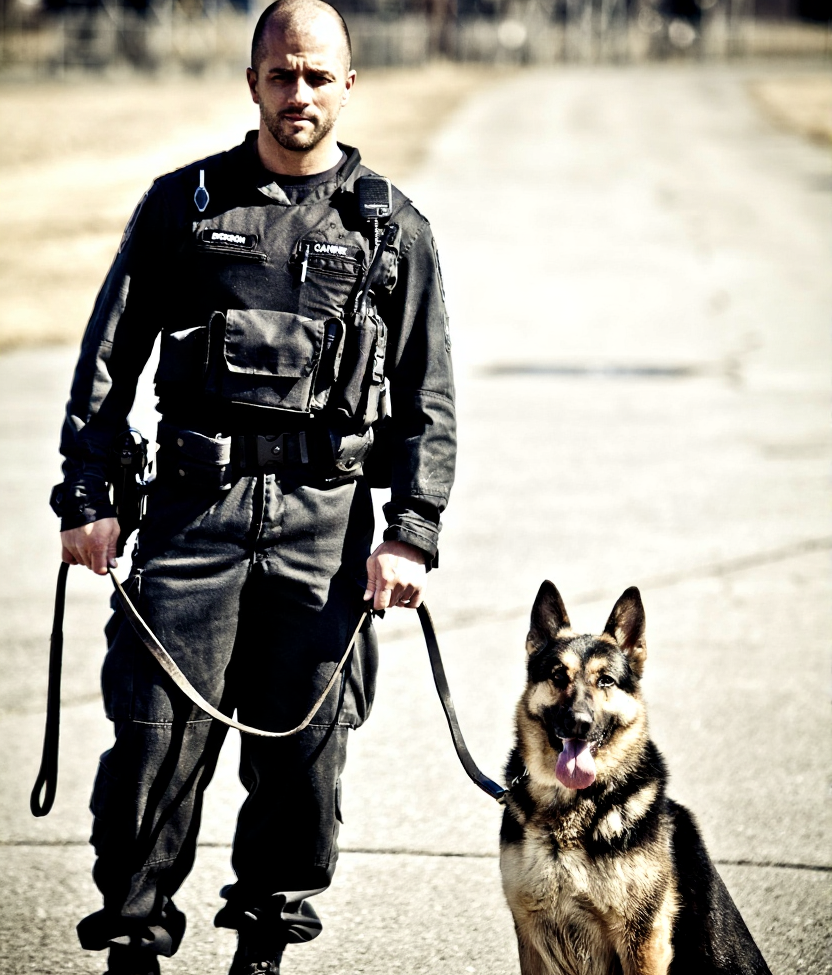
Night-time is when most warehouses feel the sting of weak security. The building goes quiet. Staff head home. Only a thin layer of digital protection stands. Cameras, fences, and alarms look strong on paper, yet they fail far too often in real break-in attempts. Criminals study blind spots. They learn response times and plan to hit fast. One industry figure often shocks operations teams. A single well-planned nighttime warehouse breach can cost more than $250,000. It involves stock loss, repairs, and operational delays. Some facilities see losses, especially when thieves target electronics, pharmaceuticals, or auto parts. This is where K9 warehouse security changes the equation, often in dramatic ways. The K9 Advantage: A Psychological and Sensory Deterrent Beyond Technology Dogs bring something no machine can copy. They move, sense, react, and make intruders reconsider the risk before a crime even begins. A K9 team adds a live, unpredictable element to nighttime patrols. A trained security dog can track, warn, and confront in real time. Facilities using K9 patrol teams report fewer attempted break-ins. It is not because of new gadgets but because criminals fear the variables. A camera can be avoided, but a dog cannot be distracted by digital tricks. This living presence changes the mindset of someone considering forcing entry. Olfactory Superiority: The K9’s Early Warning System K9 patrol units provide an early-warning system that outperforms any sensor. A dog can detect a person hidden behind crates, a vehicle, or tucked away in dark corners. It happens long before a camera notices movement. Their noses operate on a different scale. Humans have around five million scent receptors. A dog can have hundreds of millions. Their ability to track scent across warehouse perimeters allows handlers to intercept intruders. This happens when they are still assessing the environment. Even if someone stays still or masks their presence, the dog can catch the faintest trace. It works through air currents, small openings, and even weak trails left behind. This natural capability turns a huge facility. It is often too large for a single guard to cover. The Ultimate Psychological Deterrent Break-in prevention starts long before an intruder reaches the warehouse wall. Criminals decide based on risk versus reward. When they see signs of K9 patrols or spot a dog-and-handler team, the risk shoots up. Humans and technology can be predicted. A K9 team introduces uncertainty, and intruders hate uncertainty. They do not know where the dog is. They do not know how fast it can reach them. They do not know whether the dog has already picked up their scent. This fear alone has stopped many attempts before the first lock was touched. Quantifying K9 Warehouse Security vs. Static Security Measures Warehouses seeking lower shrinkage rates often request proof before adopting K9 security. The numbers are compelling. Facilities that add K9 teams see a sharp drop in break-in attempts within weeks. Theft incidents fall. Insurance claims decrease. Inventory stability improves. Technology has limits. Cameras document what has already happened. Motion sensors trigger after someone is inside. To stop loss, you have to stop entry or force intruders to flee immediately. That’s the real strength of K9 patrols: they collapse intruder opportunity windows. They reduce dwell time. They shift response from passive monitoring to real-time intervention. The result is a measurable reduction in loss. Reducing Intruder Dwell Time to Zero Dwell Time refers to how long intruders stay inside once they breach a facility. The longer they stay, the higher the loss. A warehouse relying on CCTV alone has high Dwell Time. It is because intruders can roam until someone reviews footage or a guard checks an alert. Often, thieves have several minutes to gather stock. Now consider a hypothetical warehouse using a K9 warehouse security. The dog detects movement or scent early, often before entry occurs. If someone does manage to break in, the K9 unit can close the distance fast. This cuts Dwell Time to zero. Intruders flee immediately, and the loss is minimal or none at all. One fictional case illustrates the point. A Warehouse without K9 support lost $70,000 in a single night. It is because intruders remained inside for seven minutes before fleeing. Another Warehouse of similar size, with a K9 patrol team, saw a break-in attempt but lost nothing. The dog detected the intruders before they reached the main stock area. This forces them to escape through the same hole they entered. The Cost-Effectiveness of Efficient Patrol Routes Night-time security patrols become more efficient with a dog-and-handler team. A single K9 unit can cover a massive facility up to 500,000 square feet. It is faster than many human guards on rotation. The dog’s sense of smell and hearing extends the handler’s awareness across an entire zone. This allows them to check areas in less time and with greater accuracy. This efficiency reduces labour costs while improving coverage. Instead of guards walking separate routes, one trained dog can sweep the perimeter. It covers the yard, loading docks, and interior aisles with greater depth. You get tighter security without ballooning your budget. Operational Efficiency: Beyond The Break-In K9 warehouse security offers more than protection from external threats. Many Operations and Supply Chain Directors discover that K9 units improve daily functioning. Yet these benefits add stability to the entire operation. Mitigating Internal Shrinkage and Unauthorised Access Shrinkage does not always come from outsiders. Internal theft and unauthorised access should not be common problems in busy facilities. A K9 unit acts as a mobile checkpoint. The presence alone discourages employees from trying to sneak items during shift changes. Dogs are good at noticing unusual behaviour. They can detect concealed items during routine checks. They can identify someone attempting to hide or stay behind after hours. This extra layer of awareness helps maintain order in the busiest parts of the operation. Enhancing Compliance and Supply Chain Integrity Many industries now need strict security standards to move high-value goods. Clients and insurers often ask for proof that warehouses have strong protective measures. … Read more