Cargo theft and inventory loss are not minor problems. In recent industry analyses, reported cargo theft incidents climbed into the low thousands. It happened across North America in a single year, resulting in multi-million-dollar losses. One major report shows over 3,600 incidents in 2024. Another source put the insured loss at around $455 million the same year. Large distribution centres span tens or hundreds of acres.
They have long fence lines, deep racking, yards full of trailers, and dark corners. Cameras watch a lot. Still, they miss a lot. CCTV covers fixed angles. It makes blind spots in yards, under vehicles, and inside dense racking aisles. Warehouses and storage facilities are common targets. Security dogs for distribution centres close that gap without breaking the budget or slowing throughput. Get to know more through this blog.
Table of Contents
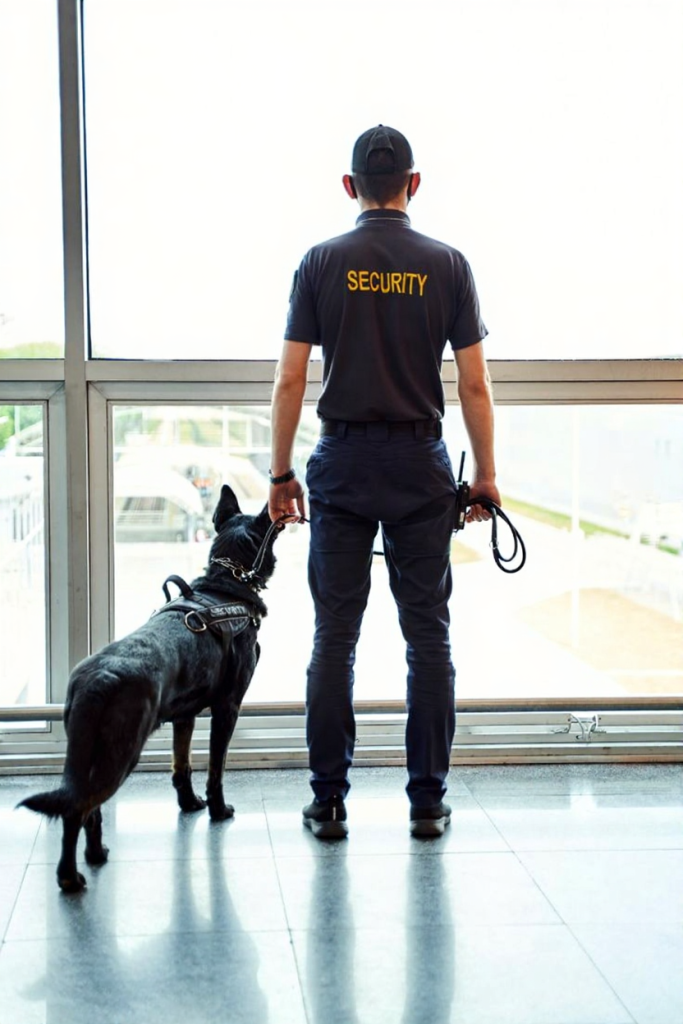
The Tactical Advantage: How Scent and Speed Outperform Static Systems
Bridging the Gaps in Perimeter protection for logistics facilities
A single dog team covers ground fast. A well-trained K9 can move along fence lines and thread through vegetation with pace. On a 50-acre yard, a trained team can inspect risk points in minutes that may take human foot patrols much longer. The dog does not look. It sniffs. It reacts to subtle scents that humans and cameras miss.
Perimeters are messy. Dumped pallets, service roads, and tall grass hide intruders. Cameras give a picture. Dogs give a search. They detect human scent under vehicles, behind sheds, and in trailer walkways. That matters when bad actors hide in odd places. In many reports, a significant share of thefts comes from facility locations.
K9 units can also adapt patrol lines. Handlers vary the path, speed and timing. That unpredictability breaks patterns. Predictable routes let organised thieves find windows. Mobile K9 patrols force them to take more risks. Risk becomes cost. Cost reduces attempts.
Mobile Sensors for Inventory Assurance
Inside the doors, dogs function as mobile sensors. They do not replace WMS or RFID. They add a moving layer of verification. Walk the racking aisles at night with a K9 team, and you get continuous, active searching. Dogs can detect an unauthorised person crouched behind a pallet. They can alert to scents tied to tampering, depending on training.
K9 teams are valuable in cross-dock zones. Trailers move fast. Dock doors open and close. Security dogs for distribution centres screen trailers during staging for stowaways. It can happen during tampering or signs of illegal activity before a trailer leaves. That simple sweep lowers the chance that a load gets stolen or corrupted en route.
They work in low light. They work when power is out. Where electronic systems slow or blink, the handler and dog keep working. In other words, dogs are always mobile sensors, not passive watchers.
Operational Efficiency of Security Dogs for Distribution Centres
The Power of Proactive Psychological Deterrence
A visible K9 unit changes behaviour. It changes the math for criminals. An aggressive presence raises the perceived chance of detection. It adds immediate risk to any plan. That shift matters more than cameras often. Cameras record. Dogs stop.
Internal theft is a real cost. Shrinkage eats profit. Some industry measures put the average shrink at low single digits. It is often under a per cent in well-run warehouses. Yet even small percentages mean big cash in massive operations.
When staff or contractors see recurring, unpredictable K9 patrols, petty theft drops. Opportunistic acts find fewer openings. Organised groups see a higher risk and alter their plans. That is deterrence that saves money, not catches thieves.
Force Multiplier in Crisis Scenarios
K9 teams act fast in emergencies. They are first responders with a reach. Imagine a worker goes missing in a 200,000-sq-ft cold storage area. Cameras may show where they were last seen. A handler and dog can then sweep racks, aisles and service corridors and find the person faster.
Systems fail. Alarms trip during storms. Power cuts happen. In those windows, a K9 team keeps the site protected. The unit can secure zones, screen incoming trucks, and assist in locating people. That speed cuts loss. It also cuts liability and potential downtime.
Less time to react equals less loss. That metric matters to insurers and decision makers. K9 units drive faster outcomes in high-risk, high-value scenarios.
Strategic Integration of Security dogs for distribution centres
Specialist K9 Security Services for Supply Chain Vulnerabilities
This is about trained teams doing specific tasks. High-level K9 security for logistics includes:
- Trailer and container sweeps for stowaways before sealing.
- Inspections of inbound lots for tampering signs.
- Searches for illegal goods in sealed trailers when trained for that detection.
- Rapid sweeps of yard space during shift changes or off-hours.
These tasks need skilled handlers, proper certifications, and protocols that match logistics flows. The dogs are tools. The skill is in how teams are deployed. Proper services work with operations. They tailor patrol windows, not disrupt them.
Trained K9 security services can match specific needs. Some focus on tracking people. Some detect contraband or narcotics. Others are trained in patrol. Choosing the right profile matters for the mission.
Measuring ROI and Partnership with Operations Managers
K9 services are an investment. The return shows up in three places. It includes fewer thefts, lower shrinkage, and faster incident response. Those items map to hard costs. They also map to lower insurance premiums and fewer regulations. It happens when audits find strong physical controls.
Work with ops to slot patrols around peak windows. Put K9s on yard sweeps before the morning surge. Run trailer checks during late-night load builds. Sync schedules with inbound audits. That alignment keeps throughput high and risk low.
Track metrics. Log every sweep, every alert, and every find. Compare shrink and loss rates before and after K9 deployment. Use these numbers when negotiating insurance or when making budget cases. A clear data set makes the investment decision simple.
Conclusion: Elevating Security from Reactive to Invincible
Large distribution centres are complex machines. They move goods, people and time-sensitive flows. Static cameras and gates form the backbone of site control. Yet they leave gaps. Those gaps cost money and reputation.
Security dogs for distribution centres close those gaps. They bring scent, speed and decision-making into places electronics cannot reach. They lower the chance of theft. They reduce response time in crises. They change the behaviour of would-be thieves. For operations managers and security heads, prevention and rapid response matter.
Do a focused audit. Look at your yard, your peak windows, and your blind spots. Find out where cameras and sensors fail to inspect. Then map where a trained K9 team could sweep, deter or respond. If you want to cut shrink, stop staged tampering, and lower response times, K9 units are not a luxury. They are a practical, measurable strategy.
Take action now. Set a risk audit that includes K9 scenarios. Work with a certified K9 provider. Align shifts with operations. Track the numbers. You will see how a trained dog and handler turn a reactive site into a far more resilient one.